Investigation into the Unused Doors of Ironbridge
Ironbridge is commonly known at the birthplace of the Industrial Revolution, and its most enduring symbol is of course the eponymous and iconic Iron Bridge, its span still sitting high above the Severn 200 years after becoming the first bridge ever built of metal.
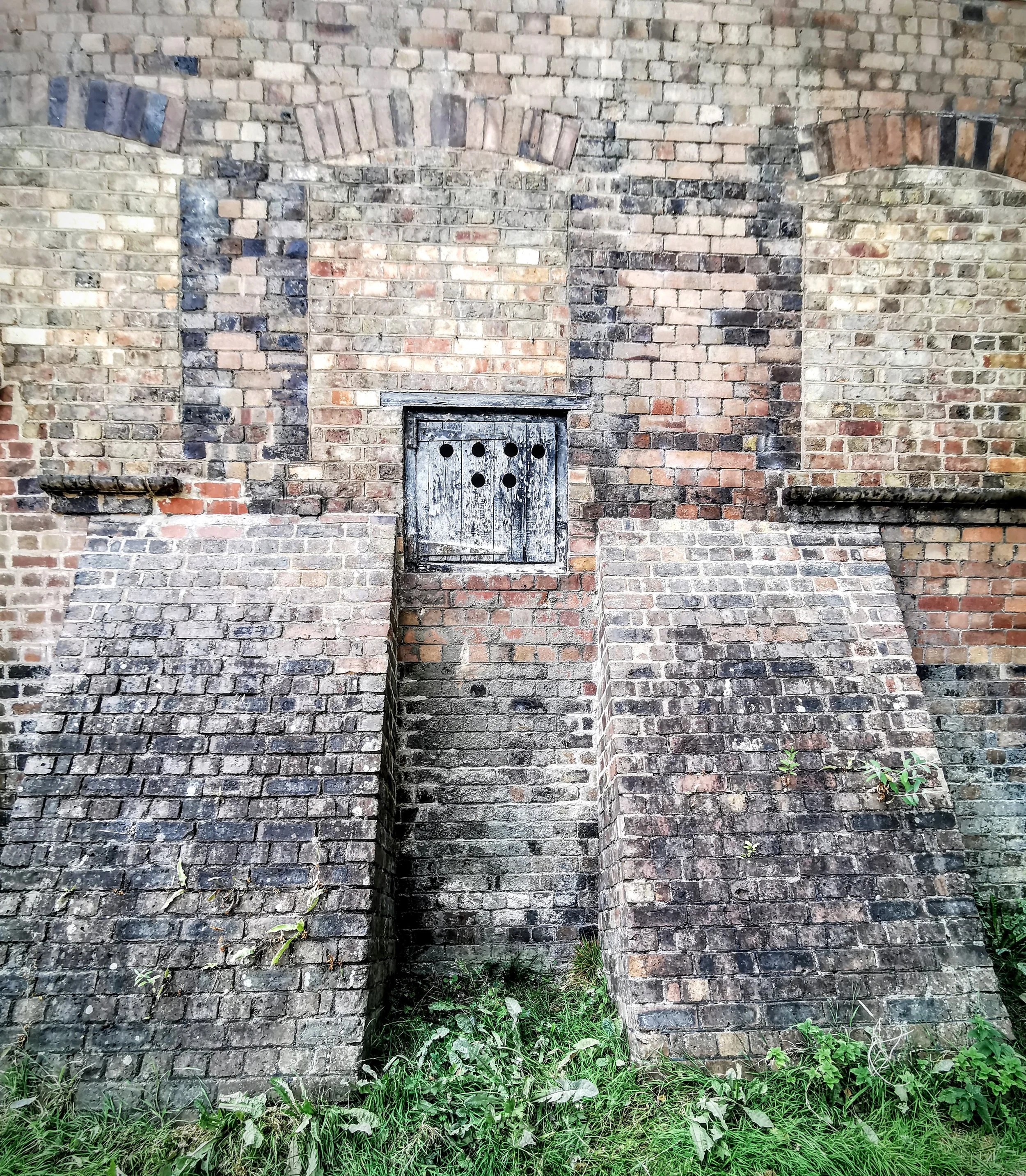
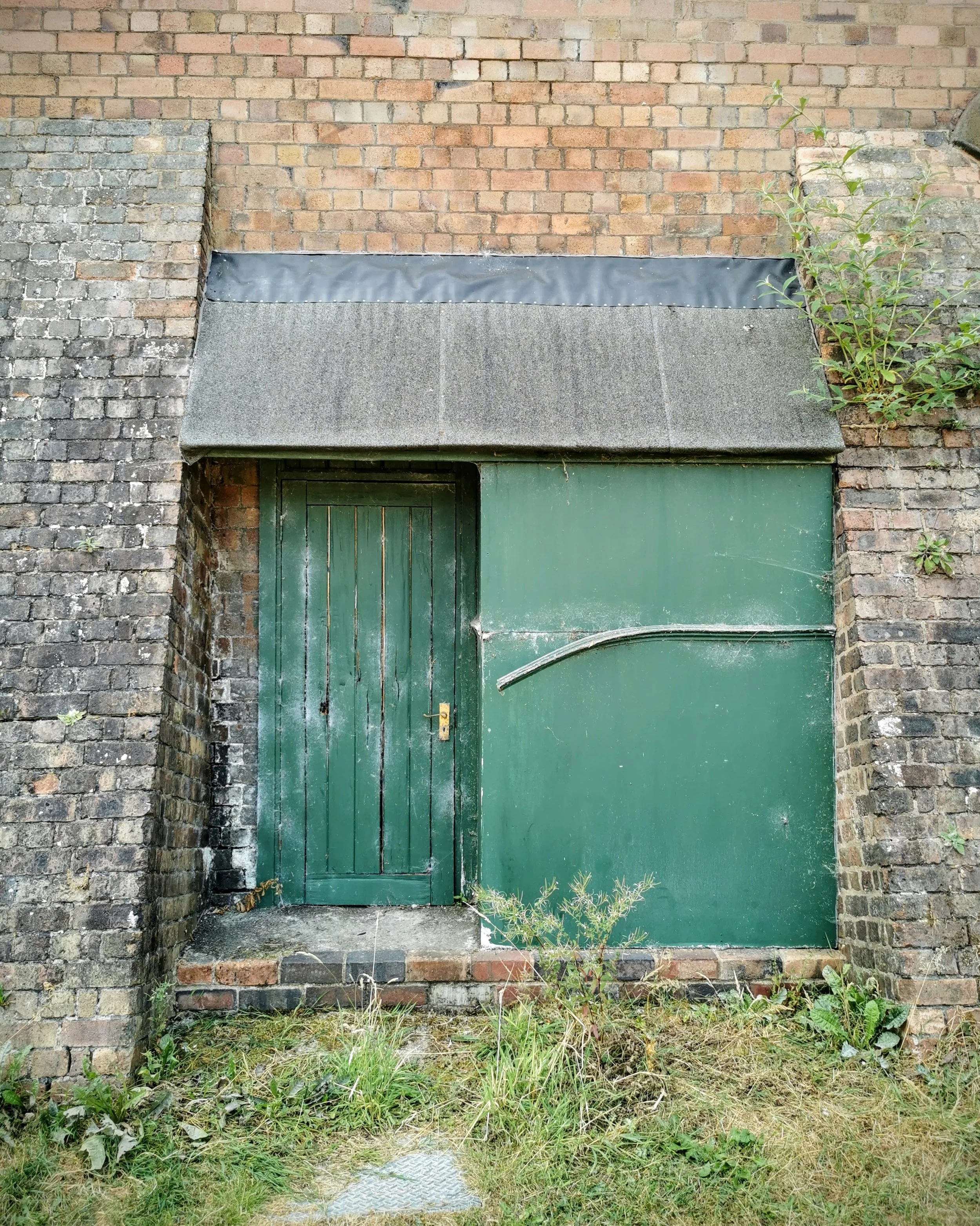
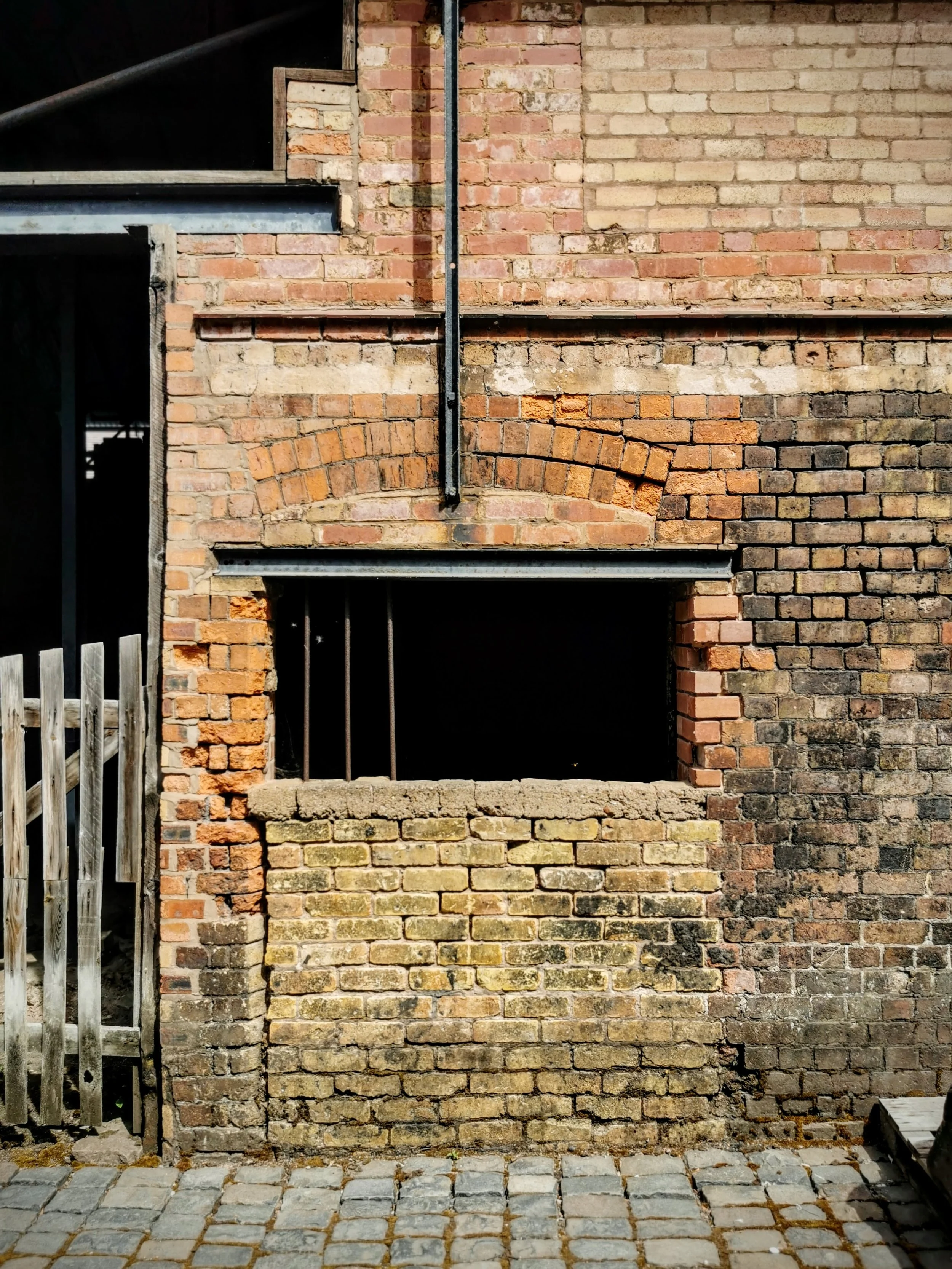
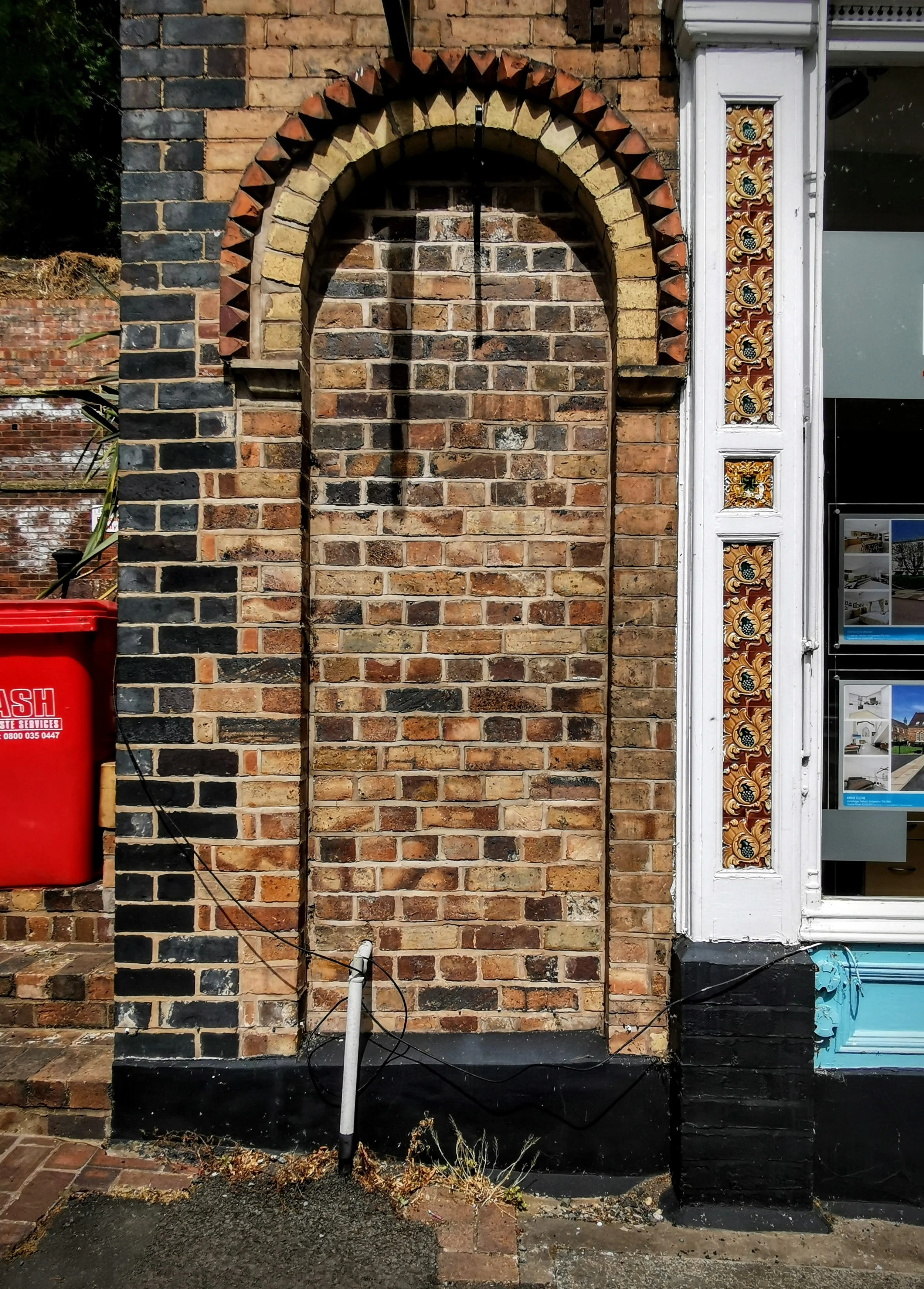
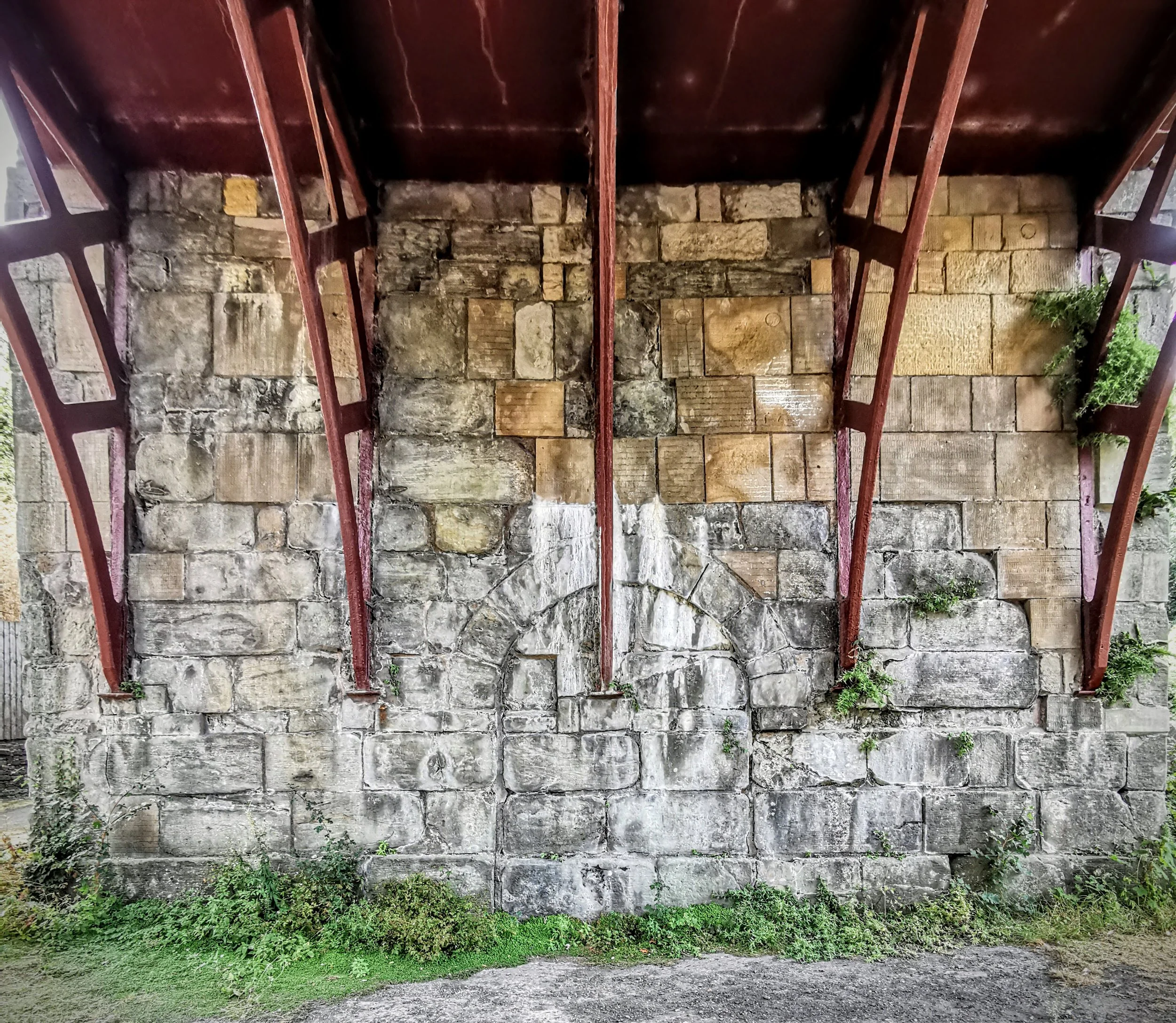
So I was surprised to find the ghost door above beneath the north bank arch, clearly a door that once lead into the abutment. But how are the metal spars set into it if it was once a door?
The answer surprised me: it was indeed once a door and lead into a chamber that was originally there to reduce weight and offer a means of monitoring drainage, debris build up and shifting stonework. The arch I was under was originally made of stone.
Because the Iron Bridge has a problem. The hillsides of the gorge it crosses are riddled with mines and the whole area suffers from a preponderance of land slips which has meant the bridge has been steadily squeezed for the last two hundred years.
The original plans for the bridge do no longer exist so information about its early formation are mainly gleaned from paintings of it, during construction and immediately after. This means there is no way to accurately quantify just how kuch the bridge has changed over the years. There are estimates that the two banks may have squeezed the bridge for as much as a foot over its existence. That has certainly resulted in cracks appearing in the stone abutments on either side.
Other theories involve the metal span itself: did it start life much flatter than the obvious peak the bridge sports today?
To combat this the bridge has been restored and repaired many times over the years. At some point the stone arch of the north bank was removed and replaced by a metal one, and the chamber the ghost door once opened into was filled in and the door bricked up.