
Doors Not Used Anymore
How many doors do you pass through each day, and how many do you truly notice?
For most of us, probably none. A door is simply a door: an entrance and an exit. It has a handle to open it and a lock to secure it. It may have a letterbox for deliveries, a bell to announce visitors, or, increasingly, a camera to reveal who they are before we answer. Its purpose is clear: it marks a threshold, a barrier between inside and whatever lies beyond.
But sometimes a door becomes something else. It becomes a question mark. A mystery. A fragment of a story the world around it has long moved on from.
These are the doors I photograph: hidden doors, blocked doors, abandoned doors. Places that once bustled with activity now sealed and frozen in a moment, their purpose forgotten.
It is easy to articulate when I started photographing them, around 7 years ago but saying why has proved elusive. I do call myself a frustrated urbexer: I have long held a fascination for abandoned buildings but have always lacked both the courage and athletic ability to explore them like some braver souls do.
So instead of looking within those dark places I watched without, and the doors became a natural focus for me. I began to understand them, to recognise them in the many forms they take, some obvious others obscure.
Because once you start looking properly you see them everywhere.
What began as a fascination with abandoned buildings had become something bigger. Stumbling along I had become an accidental historian and unwitting urban archaeologist.
It helps living in Gloucestershire and the Cotswolds, an ancient landscape where so many different peoples have left their mark over the millennia. There are buildings amongst us that date back to 3700 bc, stone circles and tumuli litter the hills along with the remains of Roman villas, Saxon churches, Norman keeps and medieval buildings in the villages and towns around.
You can taste the history of the region every time you breathe in.
This is a land whose hills and trails have echoed to the tread of human feet for thousands of years and over that time villages, towns, cities and the buildings within them have been in constant flux. And the doors are markers for that change.
Churches are a great case in point. With absolutely no quantitative evidence at all I would posit from experience that old churches on average have 4-5 doors. There are the main doors for the congregation but also smaller doors for the likes of the priest, organist and bellringers to use to avoid disturbing the throng.
For centuries these were the social hub as well as a projection of power, with religion, landownership and governance deeply entwined. A priest held significant influence in a Cotswold village and the grandeur of ‘Old Rectories’ everywhere reflect that.
But these days congregations have dwindled and services more infrequent, with many churches silent and those old rectories are now housing bankers rather than priests.
But the church, always the best preserved of our ancient buildings, is still the same as when it was thriving. It is a natural evolution then to shutter those superfluous doors, exchanging the old realities they represent for new fresh paradigms.
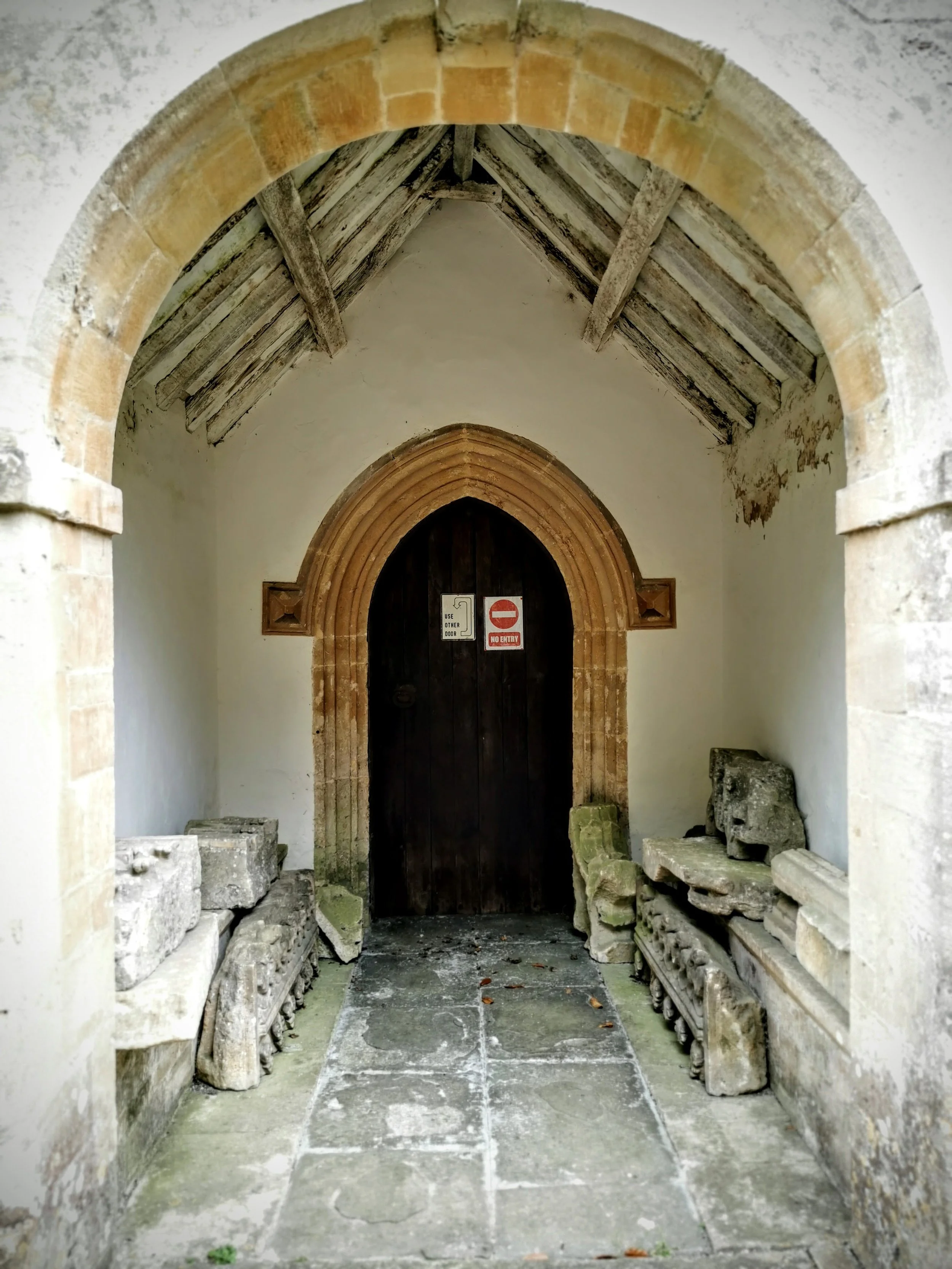
A sign always helps you know whether a door is used or not. St Marys with St Ethelbert Church, Luckington
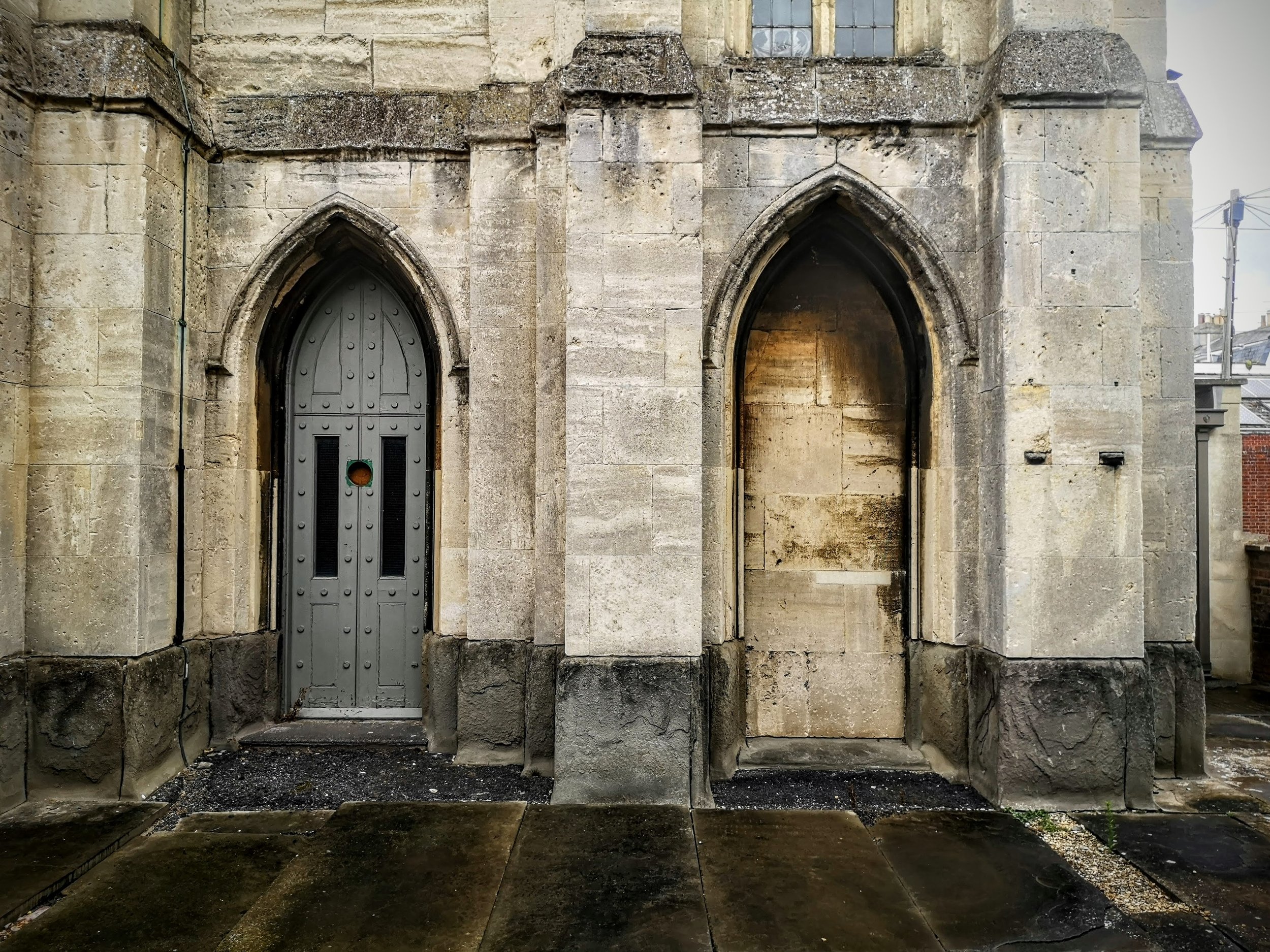
Neither door here is in use. One is blocked, the other simply locked. Trinity Church, Cheltenham
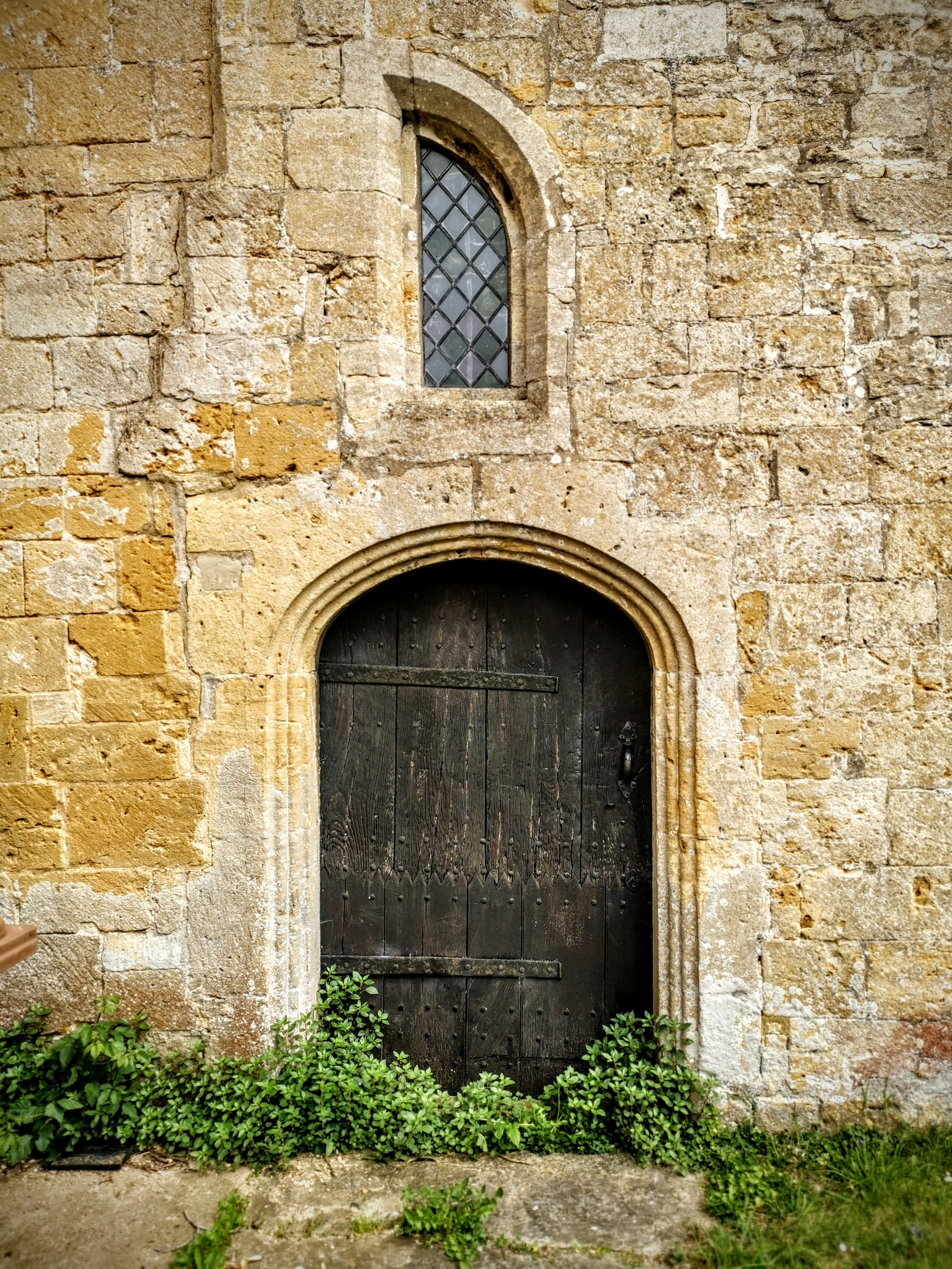
Inside this door is boarded up and has chairs stacked against it. Love the half window above. St Michael's, Buckland
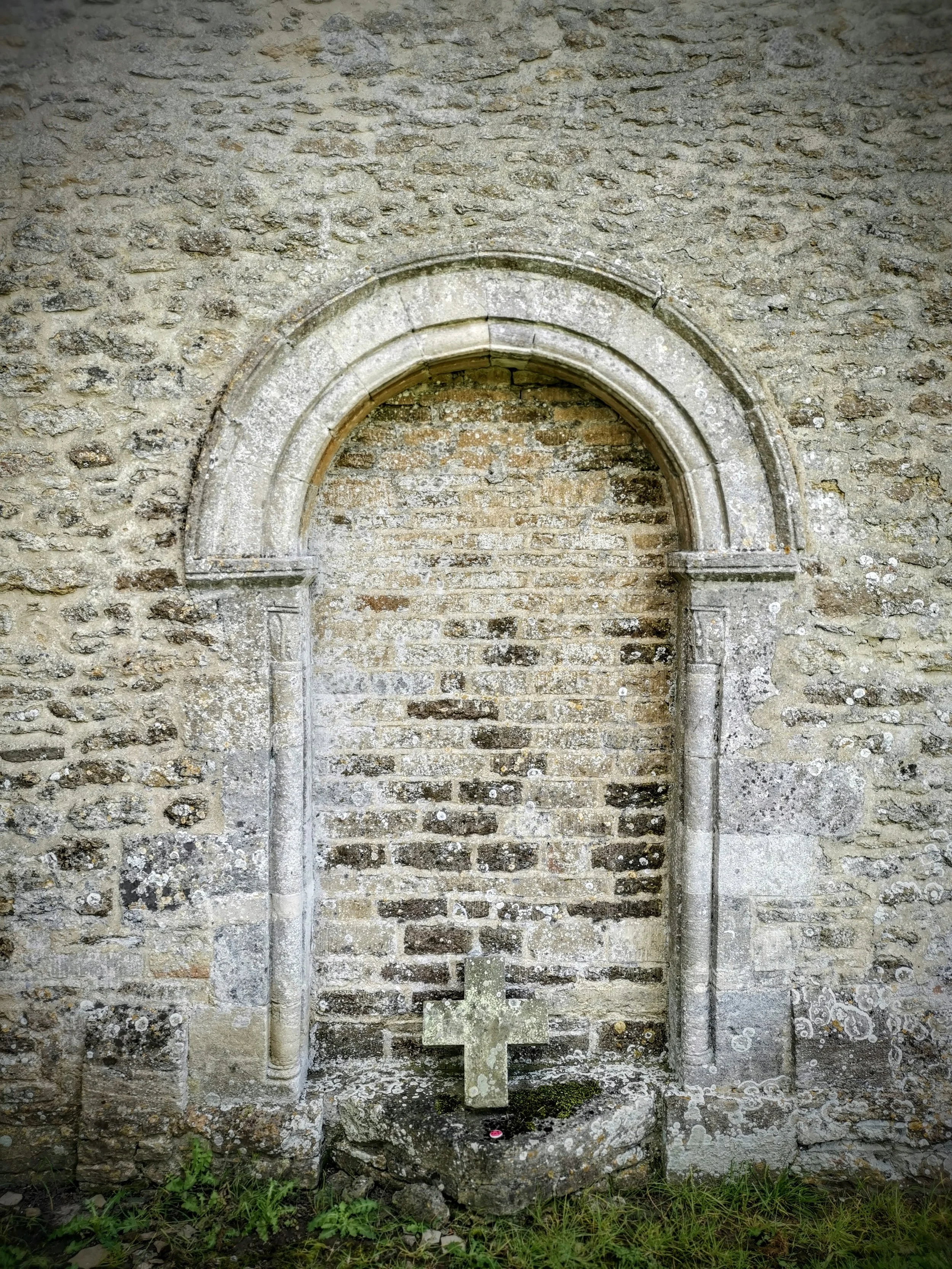
A blocked doorway or ghost door in the All Saints Church at Shorncote
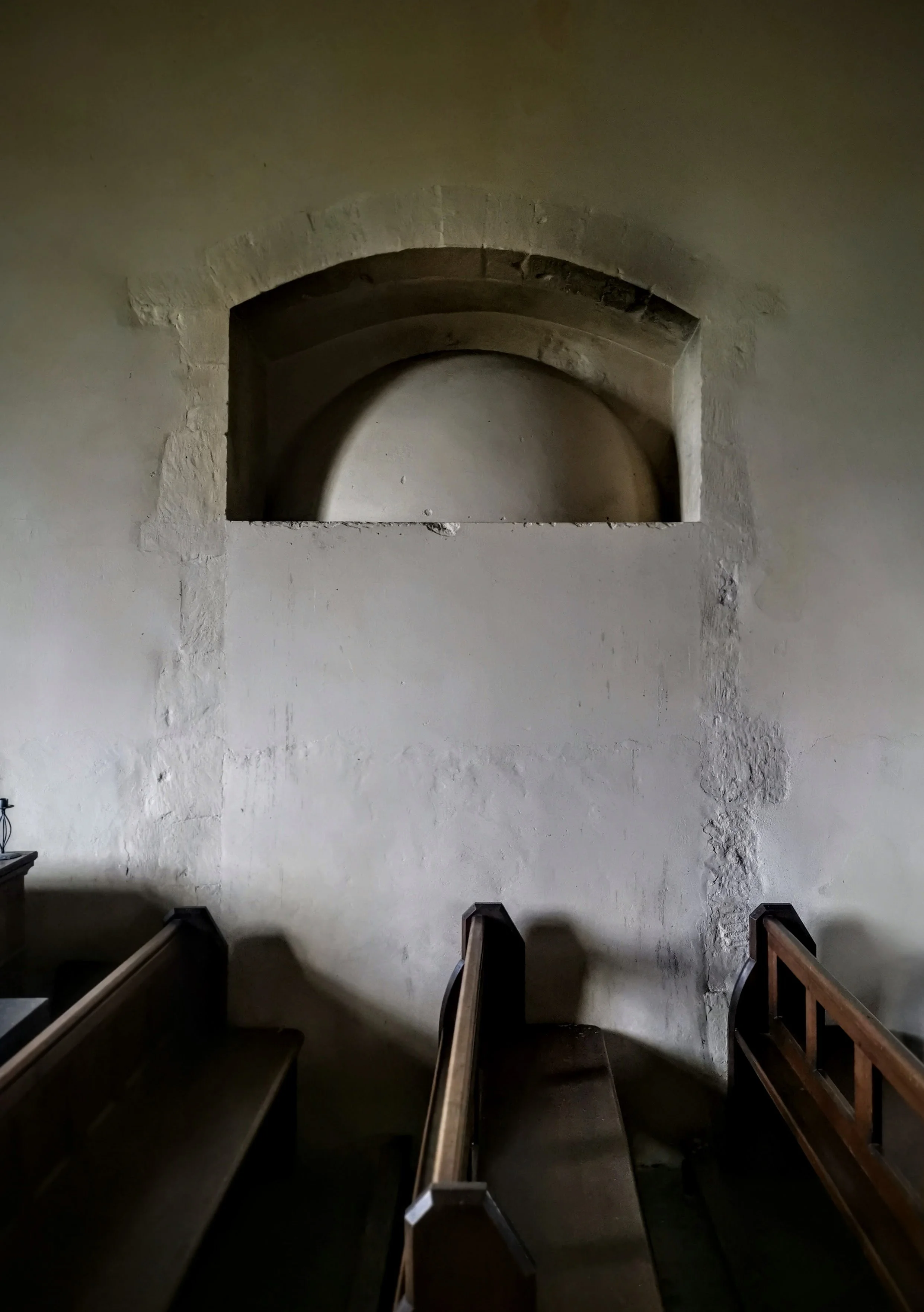
The strange inside of the the blocked doorway. Churches are one of the few opportunities to see the other side of the door
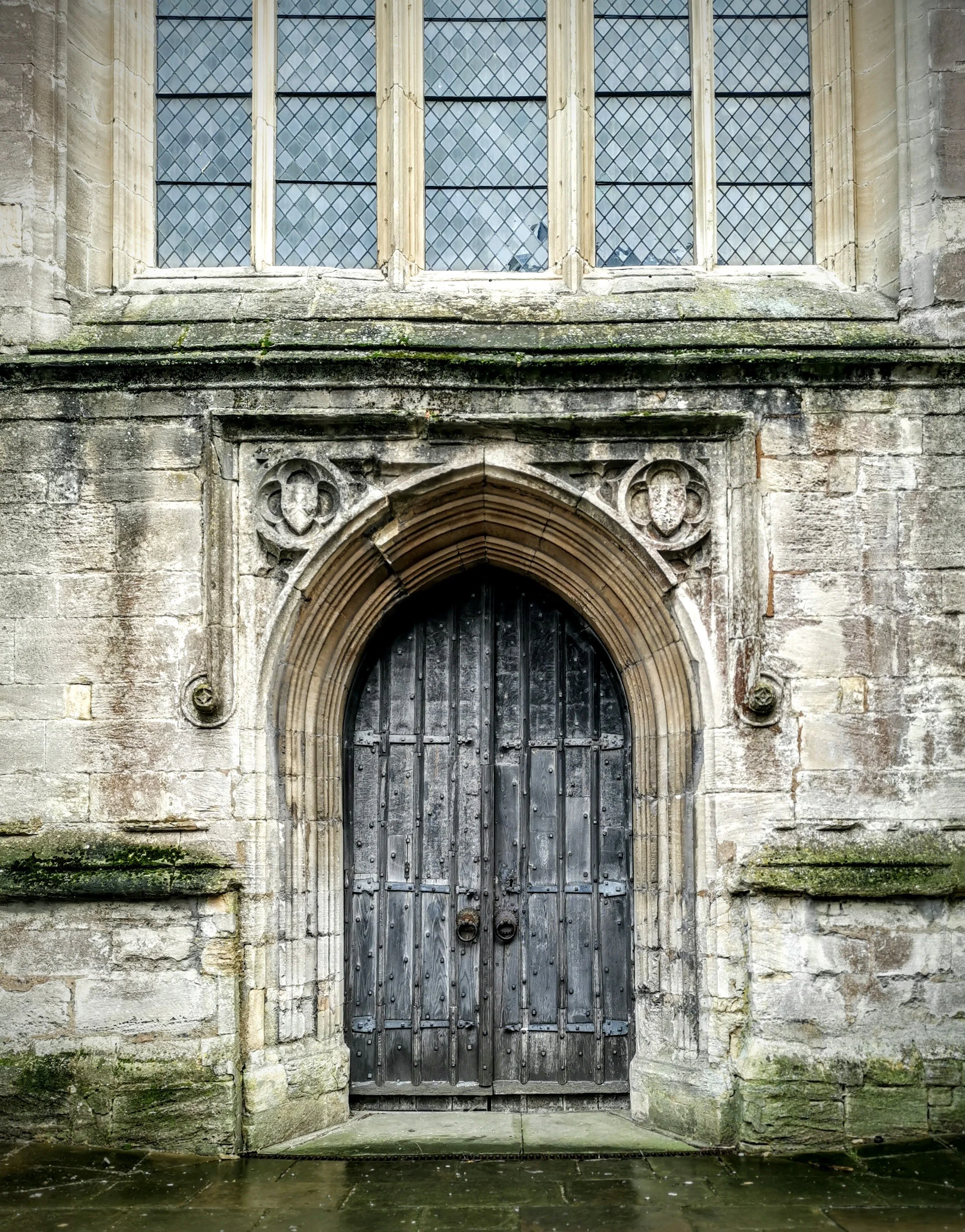
An unused door to the Church of St John the Baptist, Cirencester
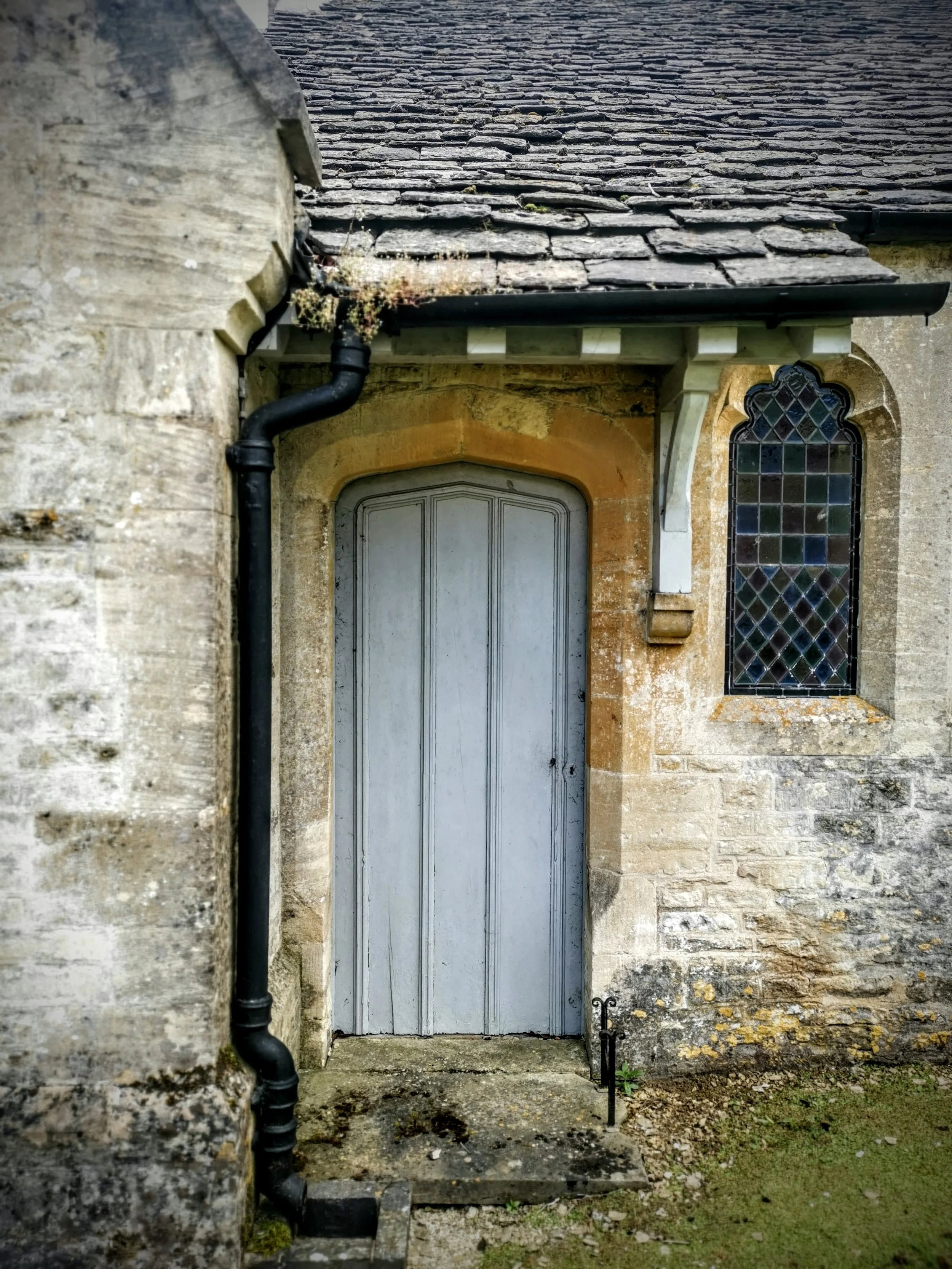
A small door that leads straight to the organ, Farmington
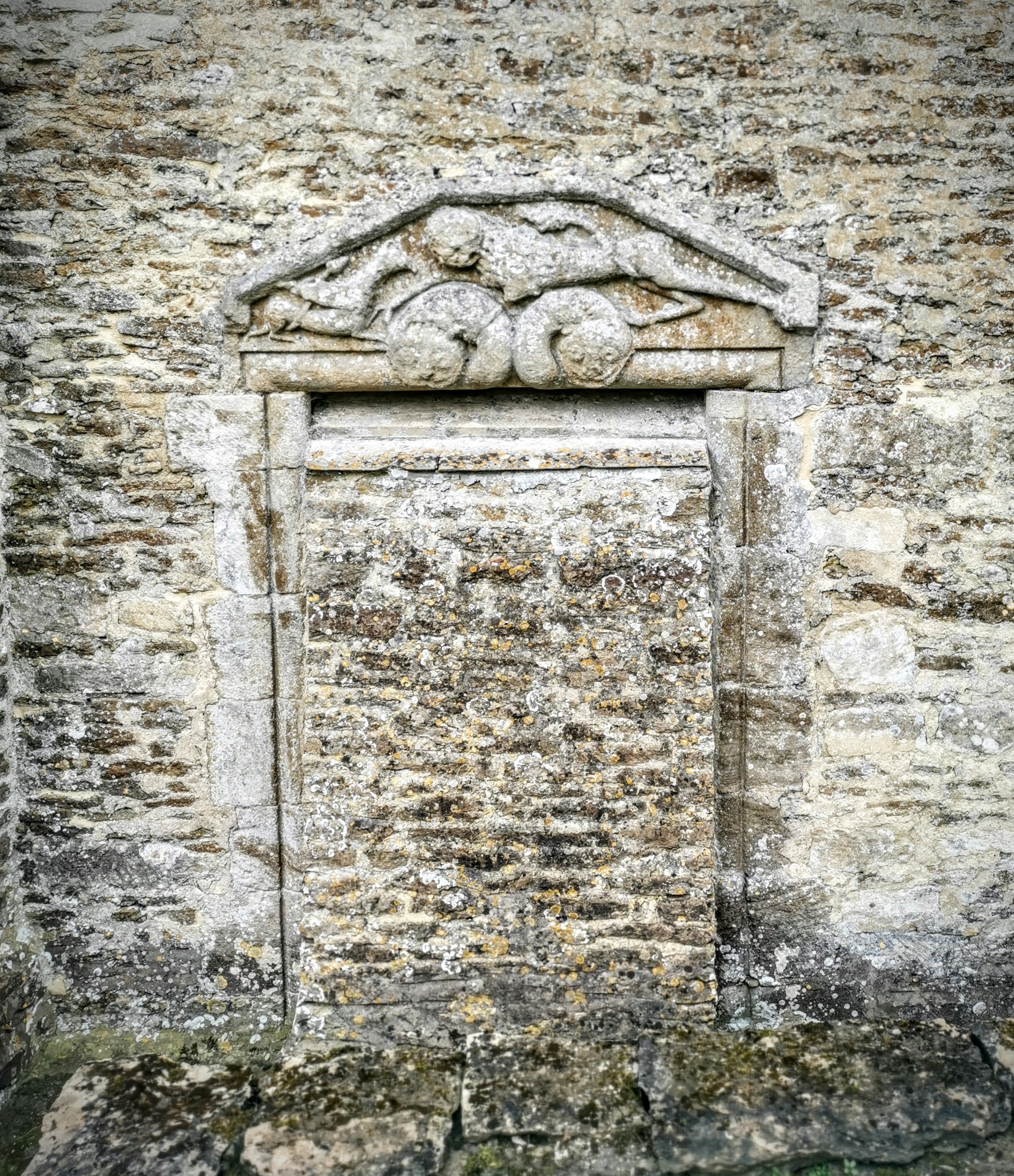
Incredible blocked door in Ampney St Marys, with a rare Norman tympanum featuring a lion and griffon (good) defeating a twin-headed serpent (evil).
And churches are far from alone. Victorian architects, blessed with new materials courtesy of the Industrial Revolution and serving a highly stratified society, were fond of specialised buildings. Schools, courthouses and hospitals were built from the ground up for singular purposes. Large, foreboding and faintly fortified, Victorian bank buildings still dominate many a high street. Railway stations, the living pulse of an industrialising nation, sprang up across the country.
But epochs change, and with them the way we use those buildings. There is little use for a railway station when there are no trains and no railway.
So how do you repurpose them? I have stayed in a station re-imagined as a self-catering holiday let, complete with platform. Others become guardians of their past as museums. Isambard Kingdom Brunel’s original engine shed and station at Bristol Temple Meads is now part carpark, event venue, toddler group, nightclub, coffee shop and bike repair shop. I have hosted wine tastings in its old board room.
The echoes of the past crowd around us. You can eat steak and drink fine wine in a vault beneath Bristol’s old banking sector. In a converted schoolhouse there will be living rooms where the fourth form used to learn French. But despite those internal changes the old architectural skins may remain: an old school building still has separate entrances for girls and boys, but now it is a block of flats does it still need them?
Coach houses were once essential and ubiquitous in our towns when we travelled by horse, now they and the doors that served the coaches are redundant, so they are often filled in, bricked up, and the yards they allowed ingress to are now gardens, or converted into rooms.
The doors become the most potent markers remaining of the changes within.
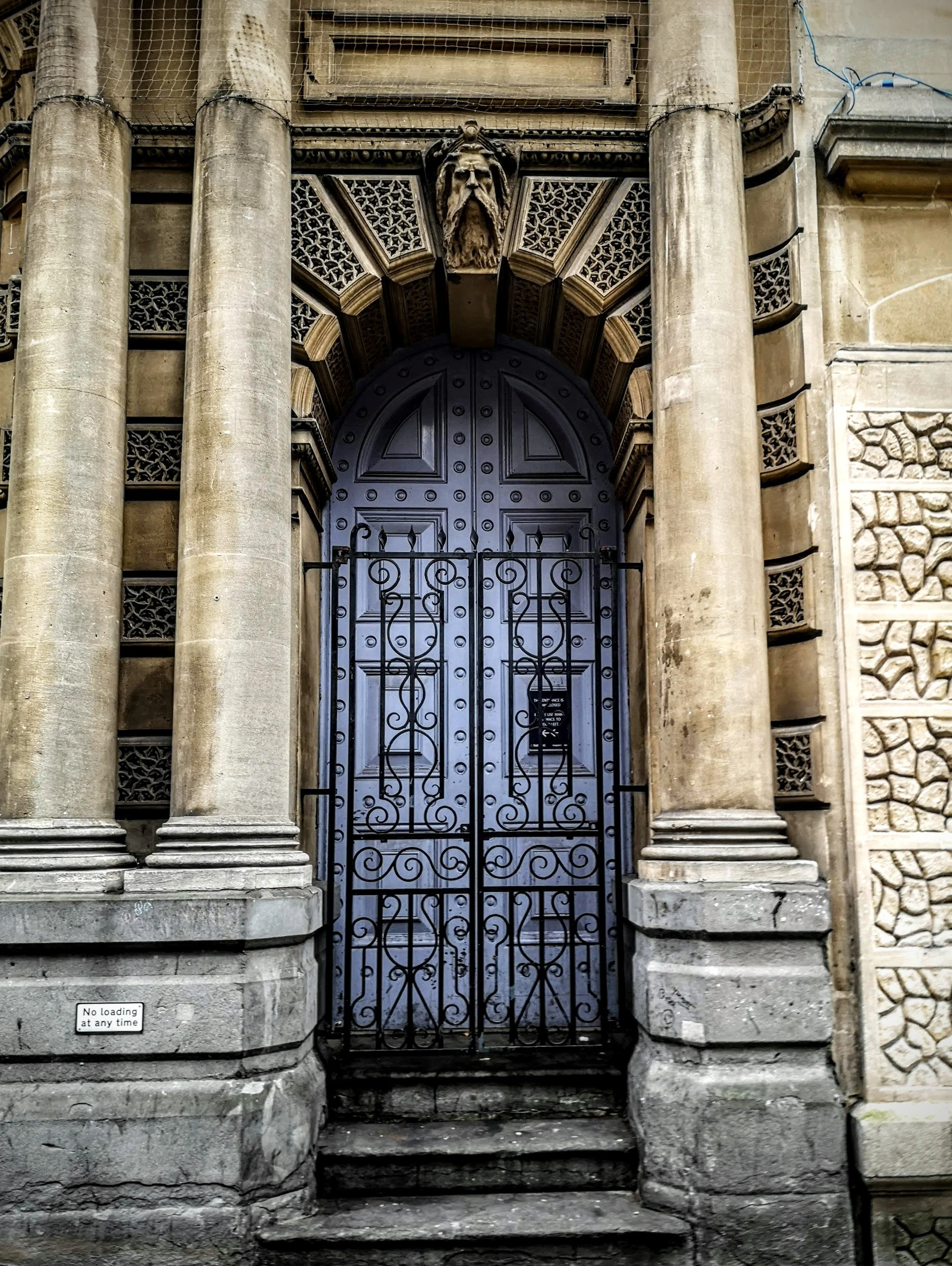
Old bank door on Corn Street in Bristol
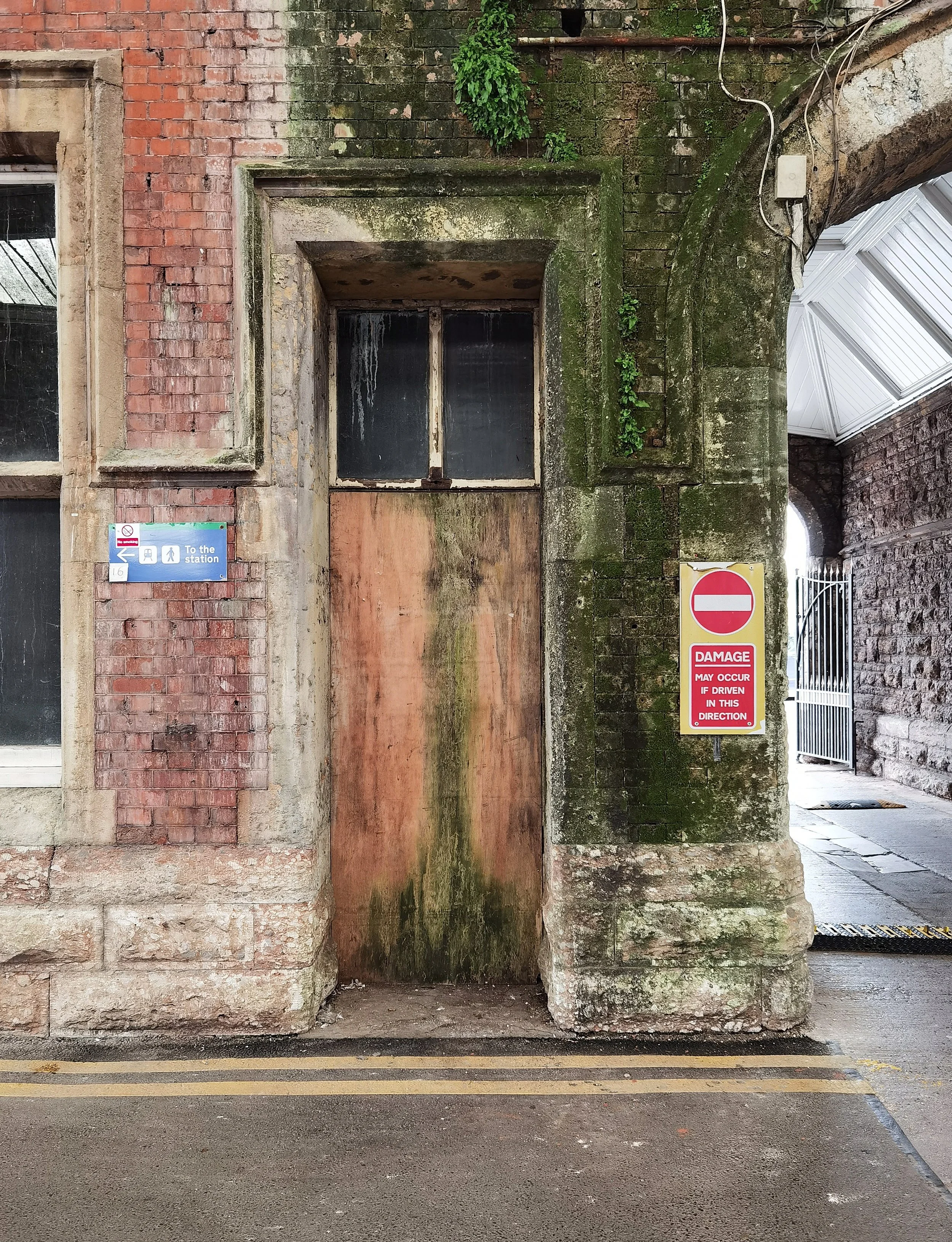
One of the old doors that served Brunel's engine shed at Temple Meads Station
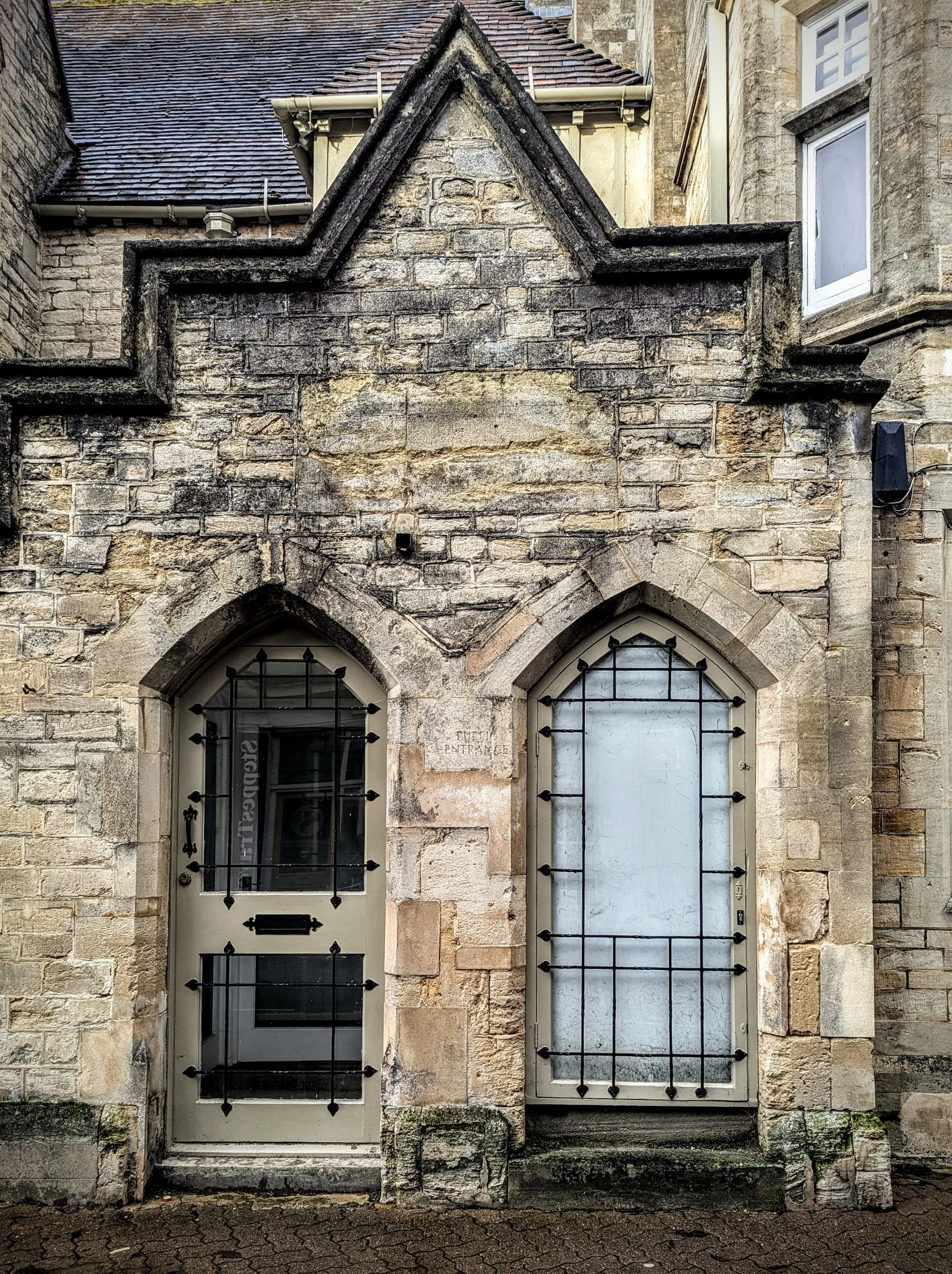
This was once a coach house called The Golden Lion. The blocked door has 'Public Entrance' engraved in the stone next to it
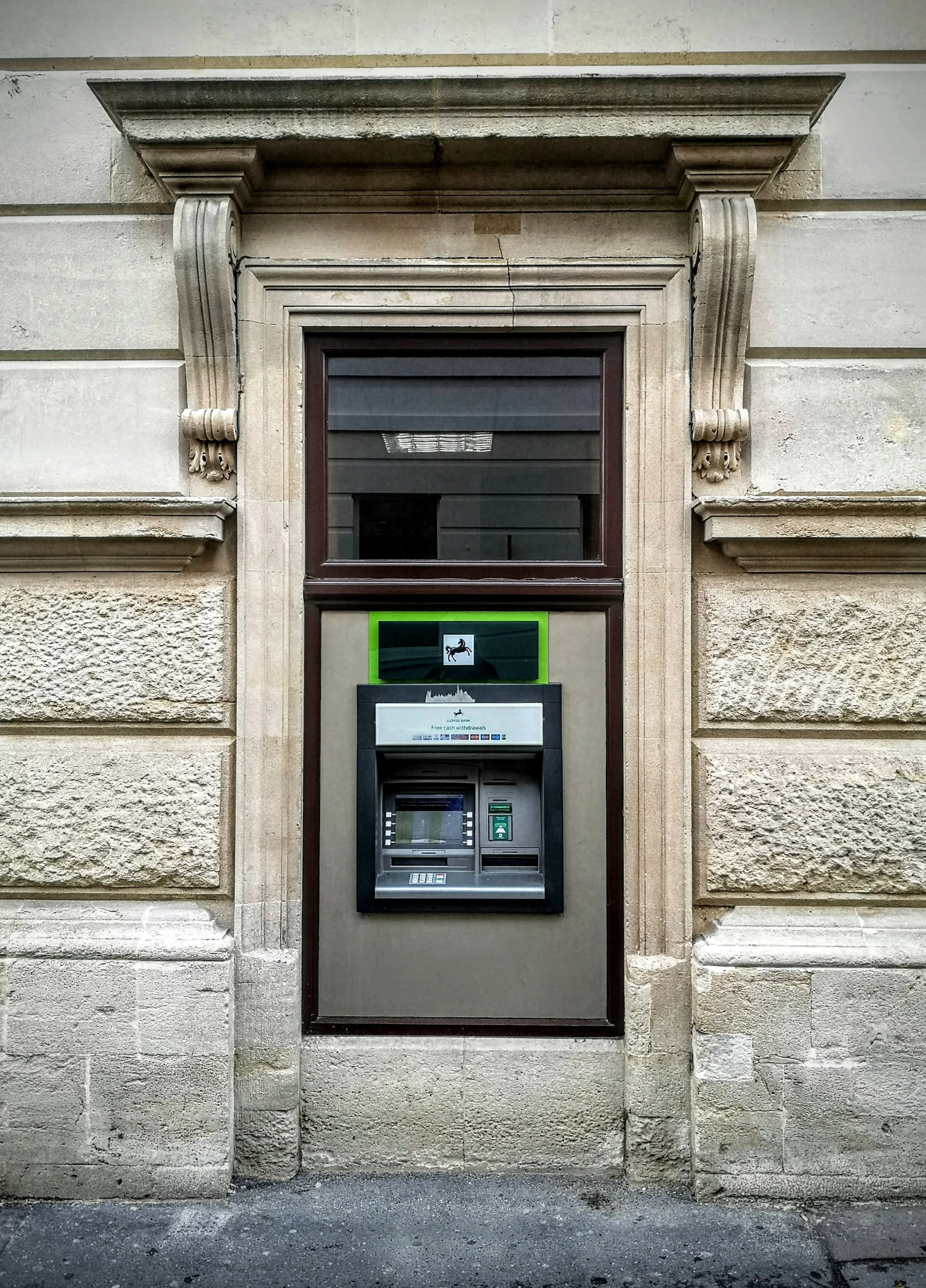
Once a bank door, now a cash machine
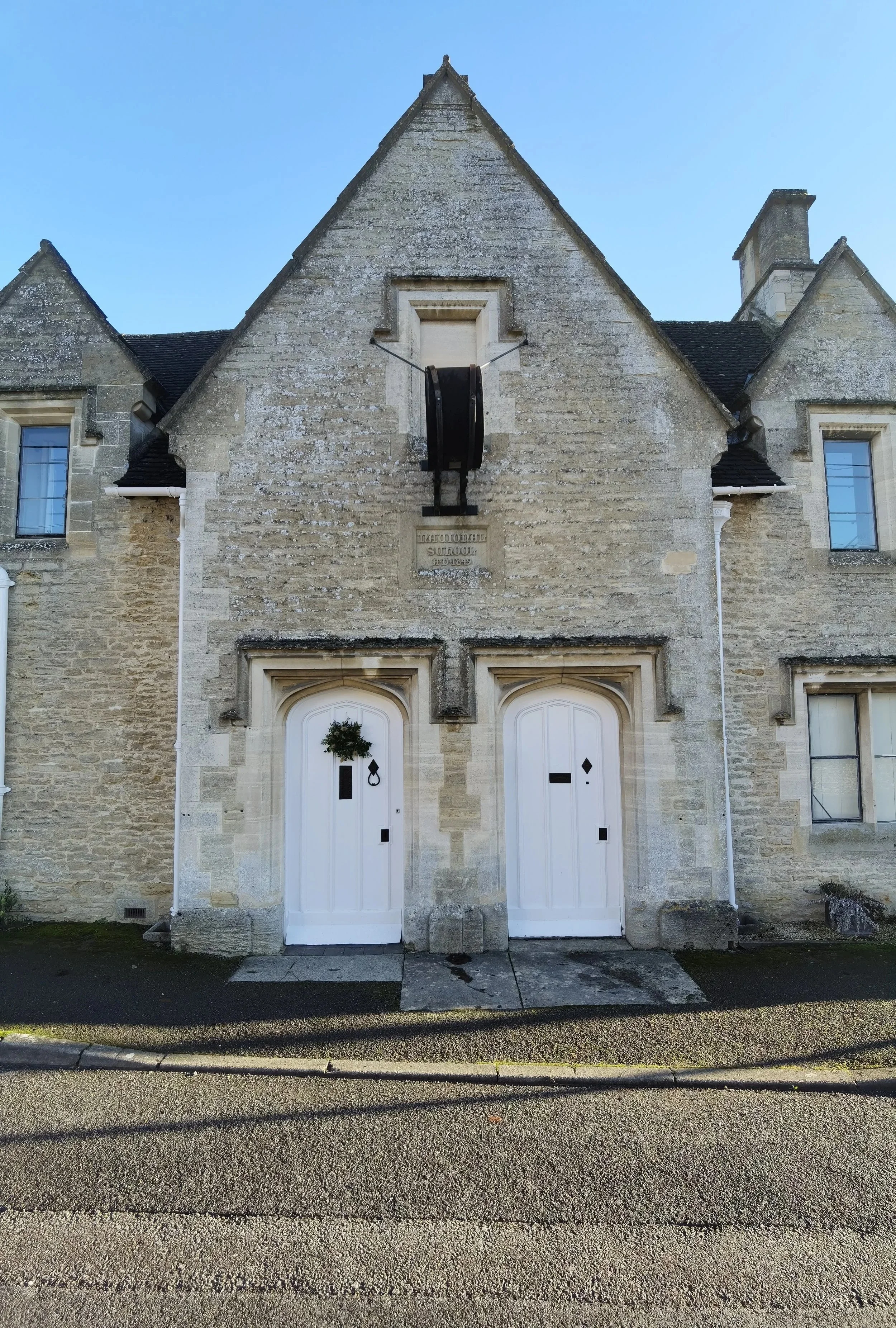
Old ‘Nacional School A.D. 1849’ (ghost sign under the old school clock) in Coates. Would have had seperate doors for girls and boys but now its a house only one is in use
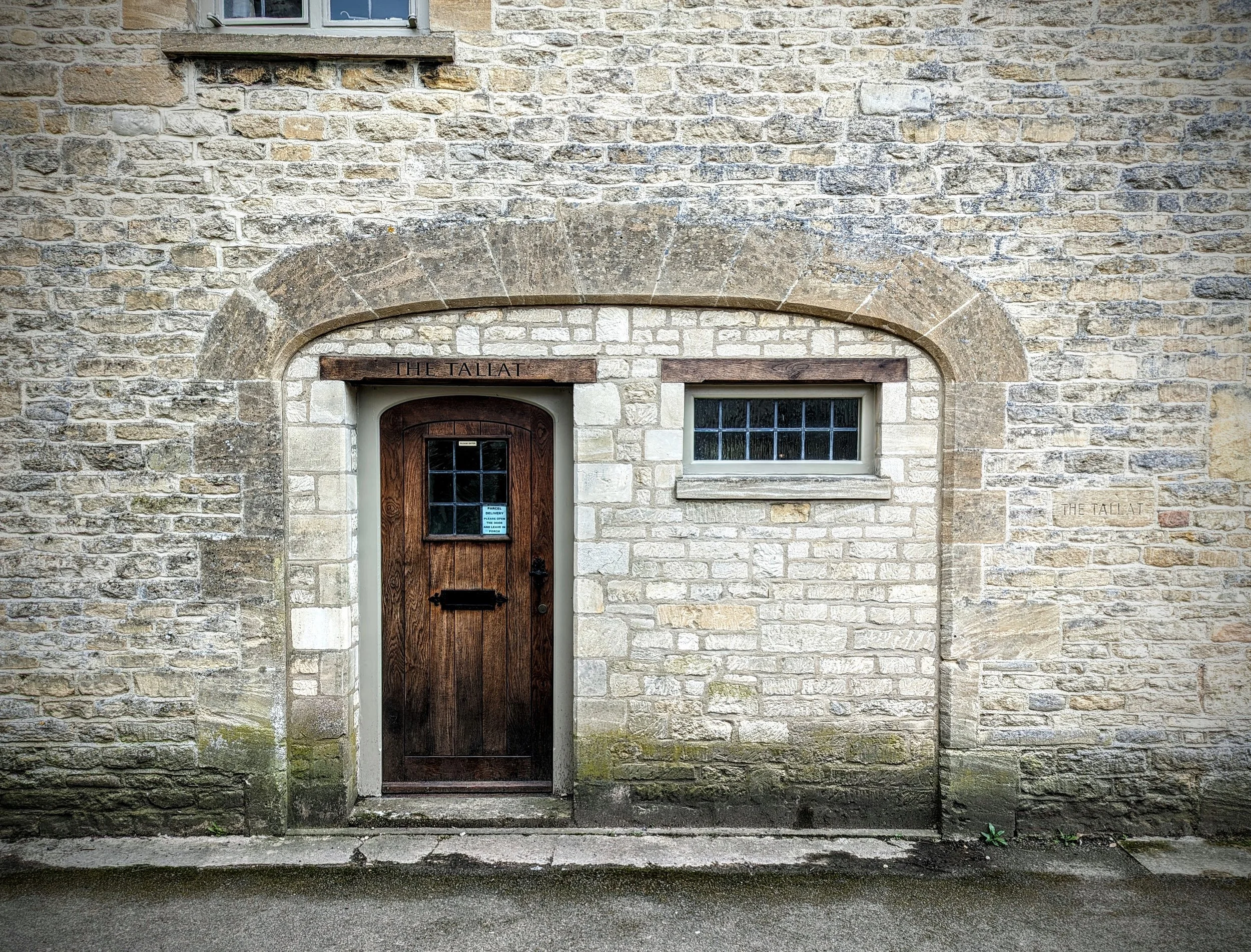
Northleach was an important stopping off point for the old coach routes so had an abundance of coach houses. This old coach entrance on Doctor's Lane was likely stabling for the Union Hotel around the corner
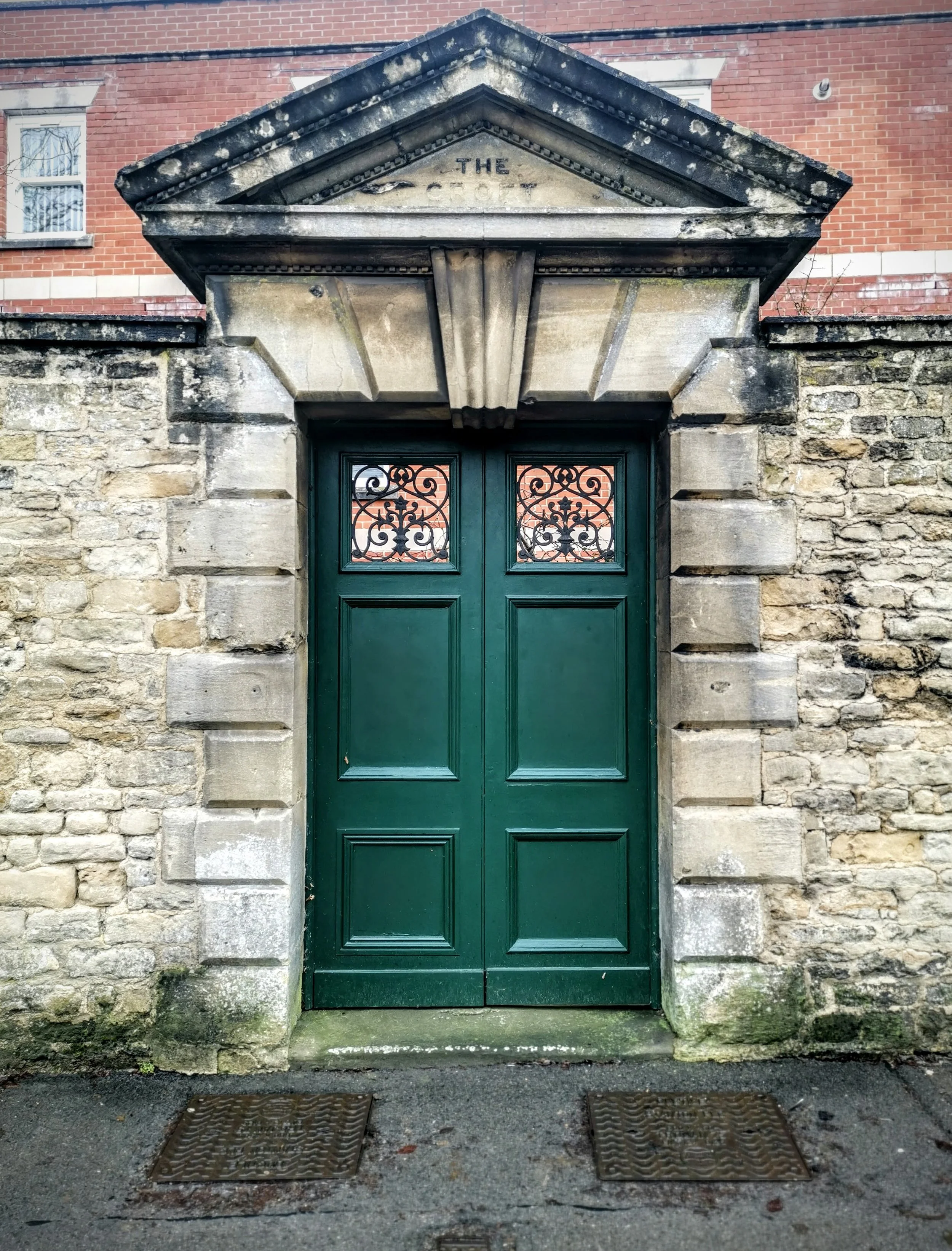
Would love to know more about this door found in Cirencester
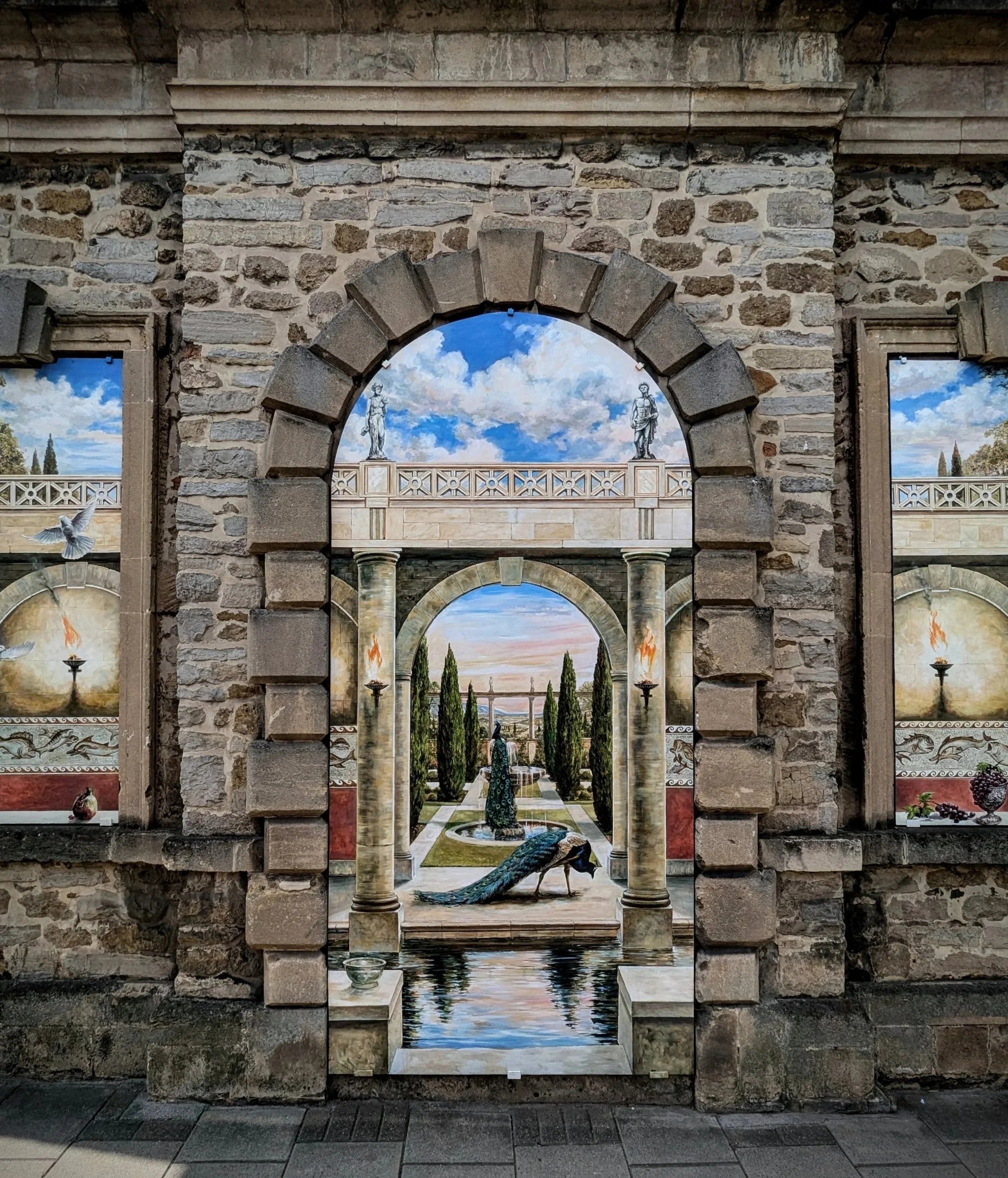
Imposing door in an Victorian building found in Glastonbury
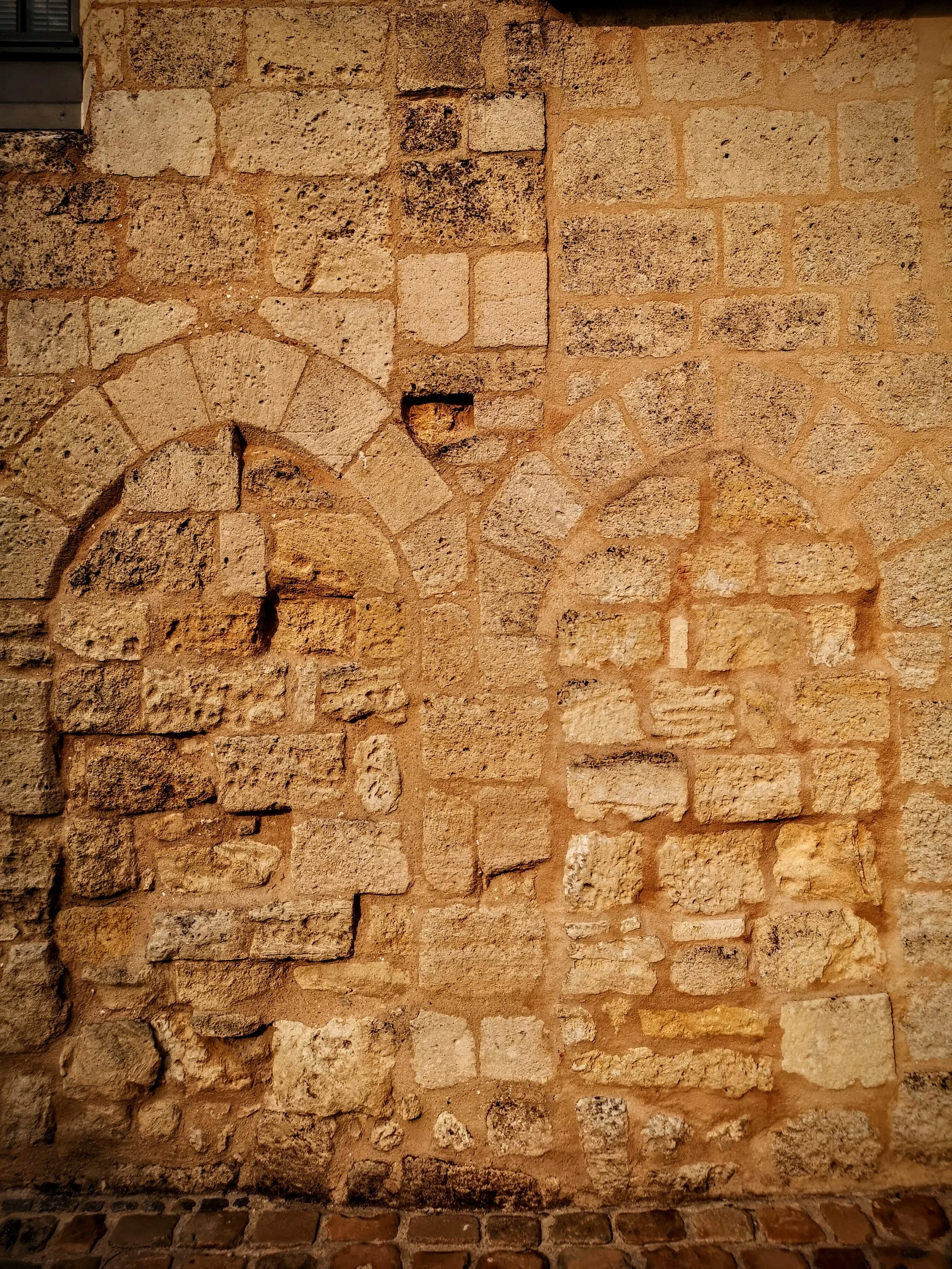
The Ghost Doors
Ghost doors are the holy grail of these doors-no-more (so I suppose we could call them holy ghosts). Instead of the ambiguity some of the other forms can offer, ghost doors just project a permanence, a certainty. Where once was a passageway through the wall instead now there is just wall.
I cannot claim to be the first chap to have used the term but for me it was an original thought. Taking inspiration from the urban phenomena of ghost signs, here the doors have (mostly) been removed and the void left behind bricked up and blocked. Some can be obvious with the frame and lintel clearly visible, others more obscure, indicated by a change in the shade and rhythm of the brickwork.
But while these doors offer no ambiguity, they do offer mystery. It is tantalising to wonder why they were sealed and what may lie beyond.
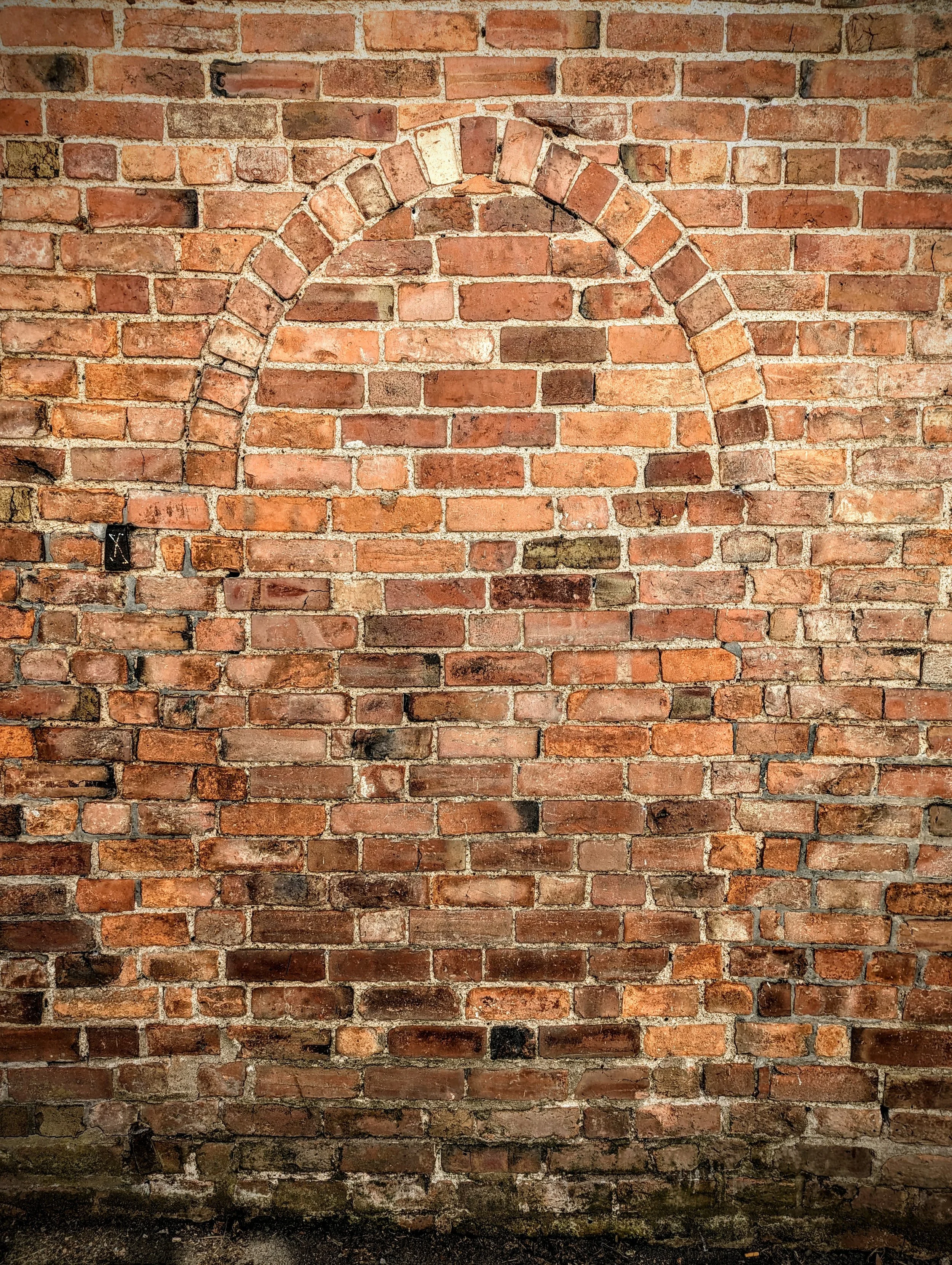
A wonderful red brick ghost door found in Upton-on-Severn
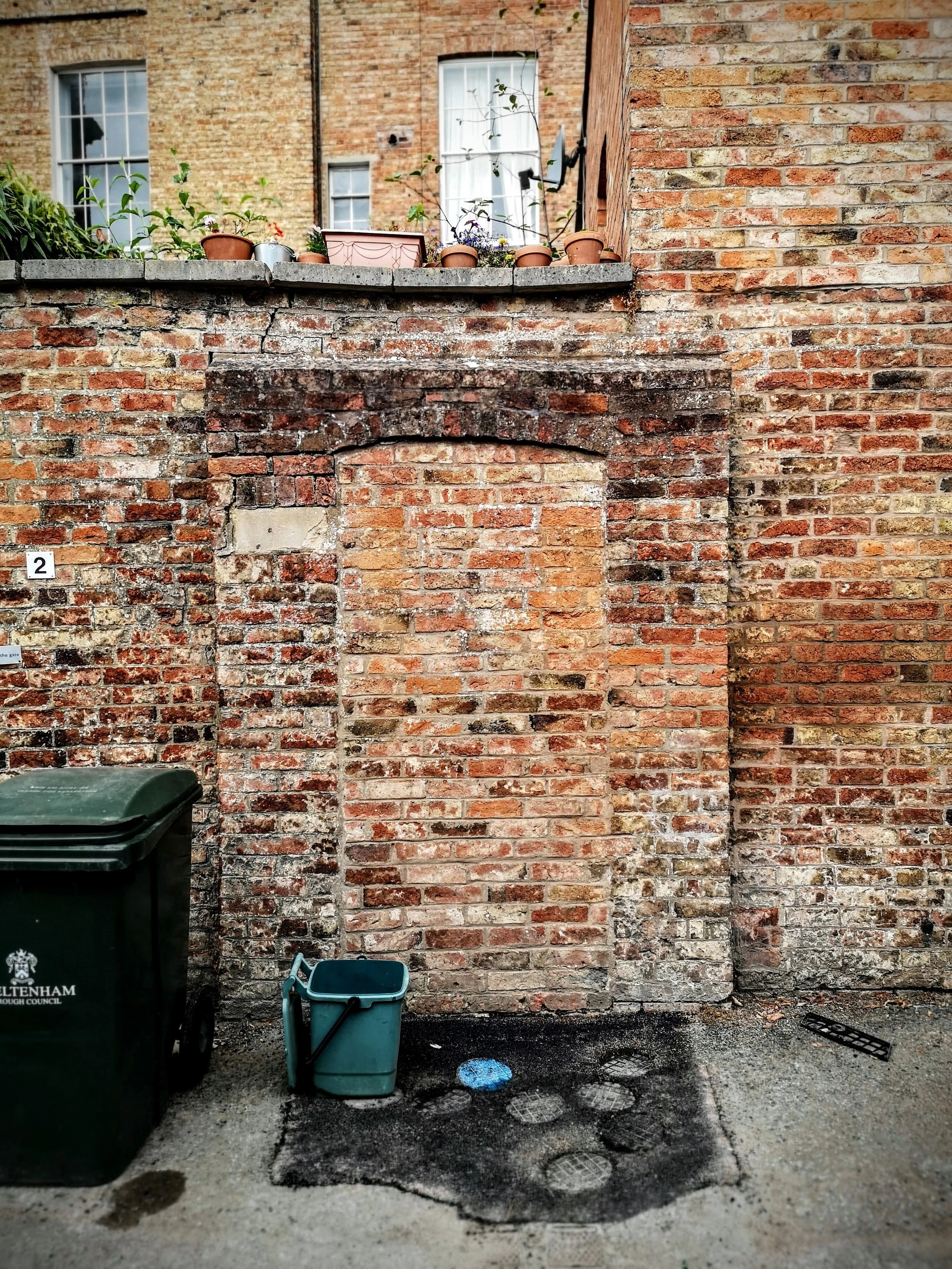
Another vibrant red brick one, this one found in an alleyway in Cheltenham
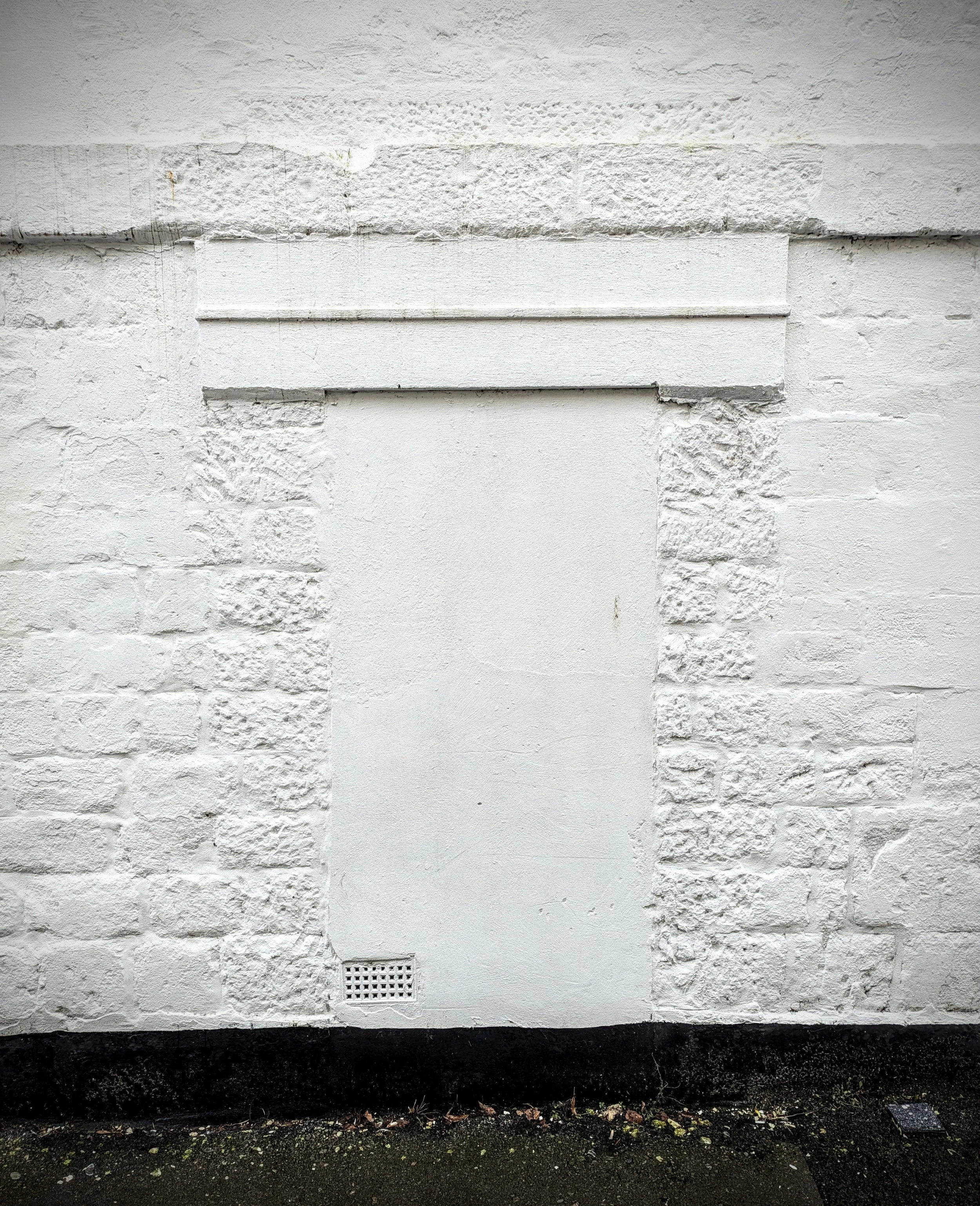
Blocked and painted over, this is another Cheltenham ghost
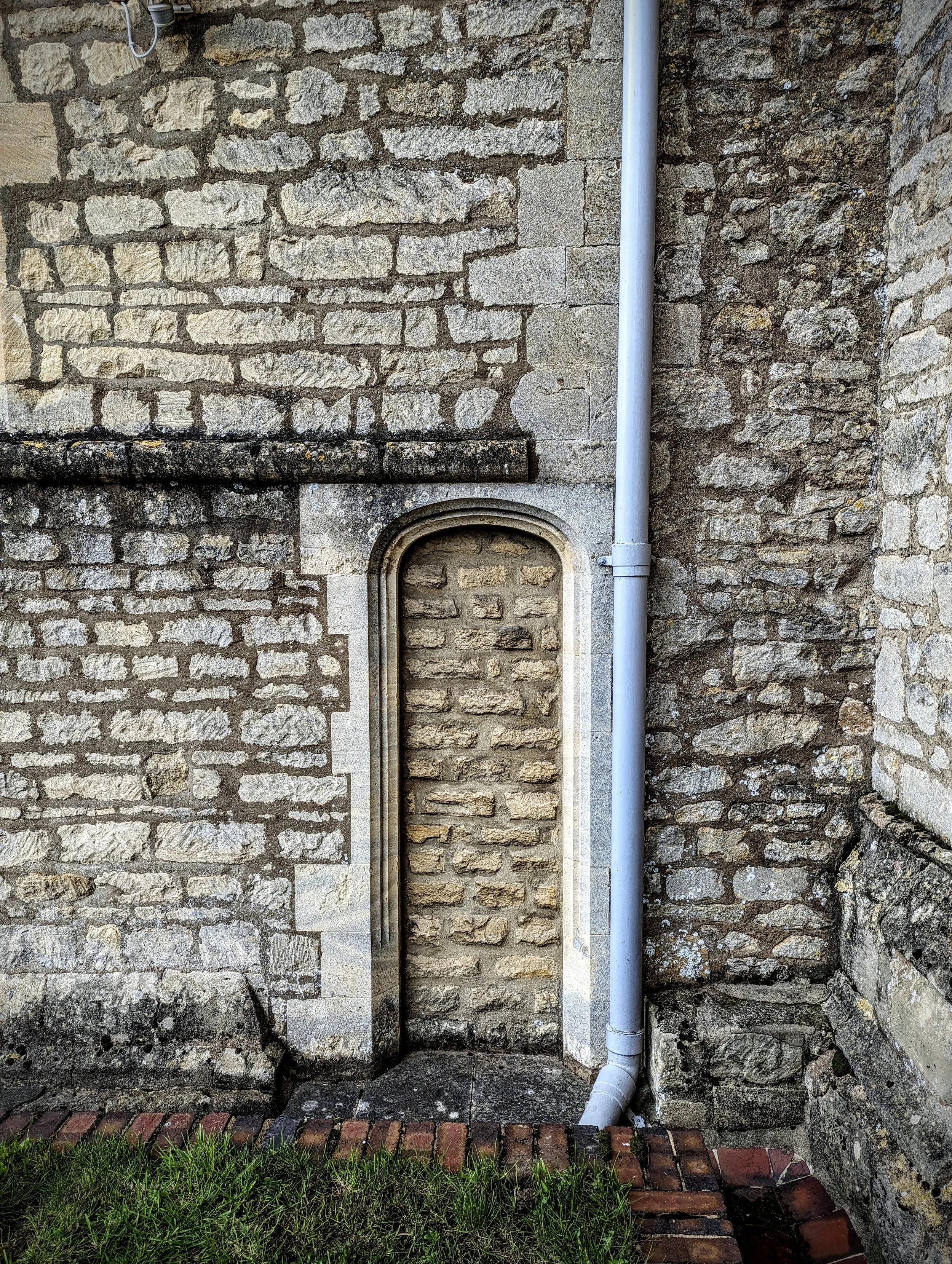
Smaller door, possibly originally for bellringers or the organist, at the back of St Giles Church in Bredon
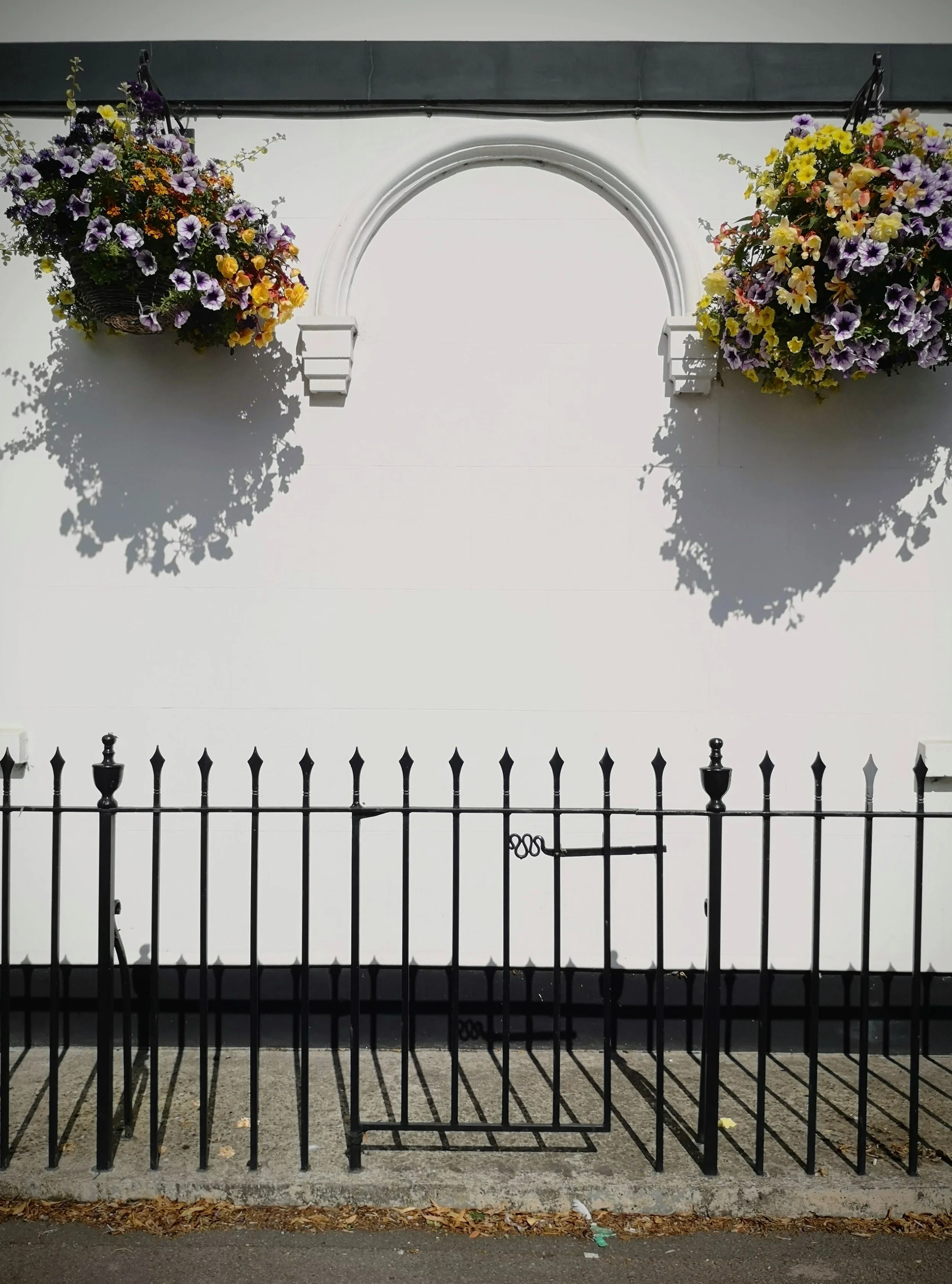
I jokingly refer to this as 'patient zero'. It is a ghost door's final form, only the curved pediment and the gate in the fence in front show there was ever a door once here
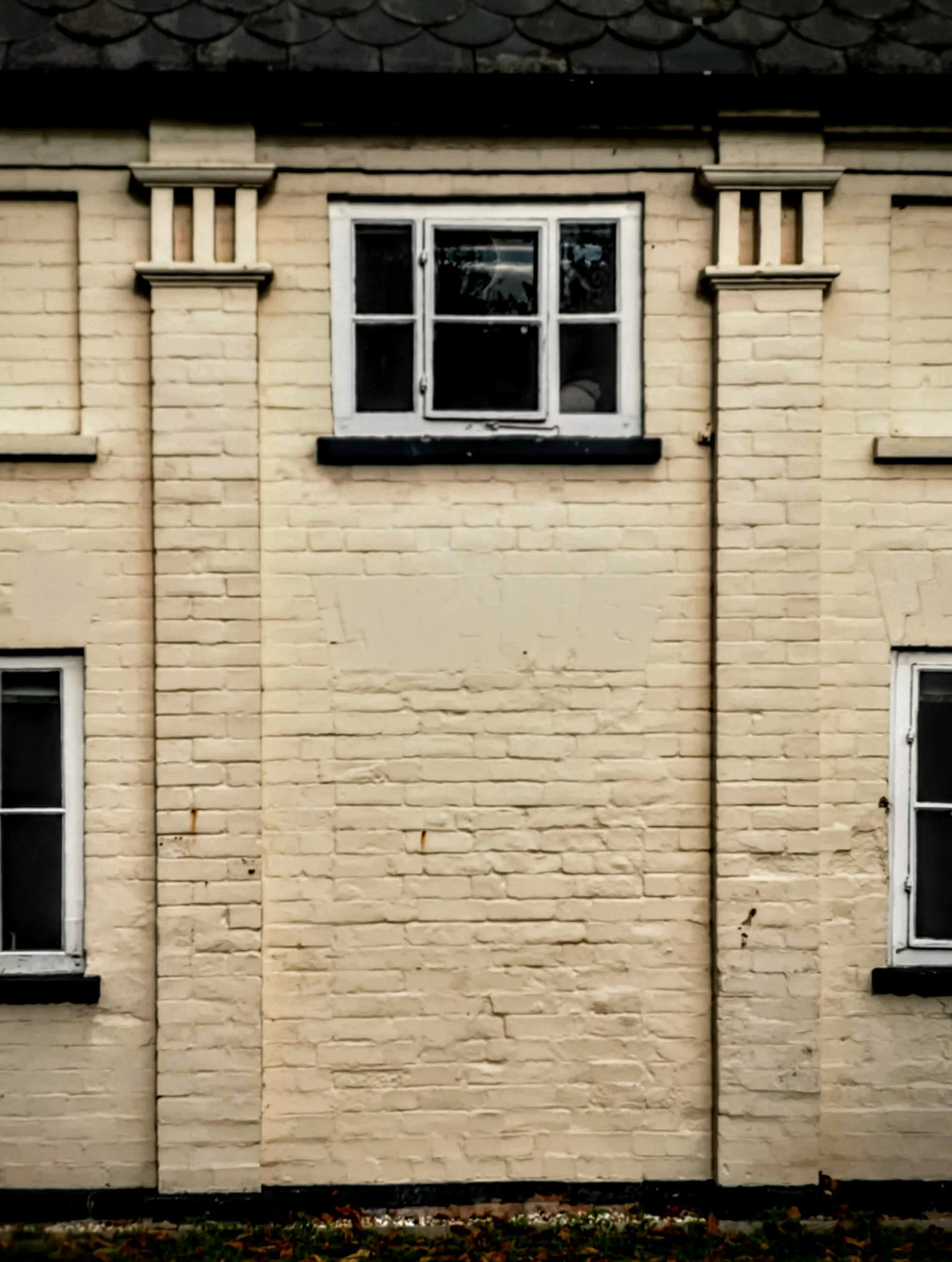
Blink and you can easily miss a ghost: this subtle one was found in Bredon
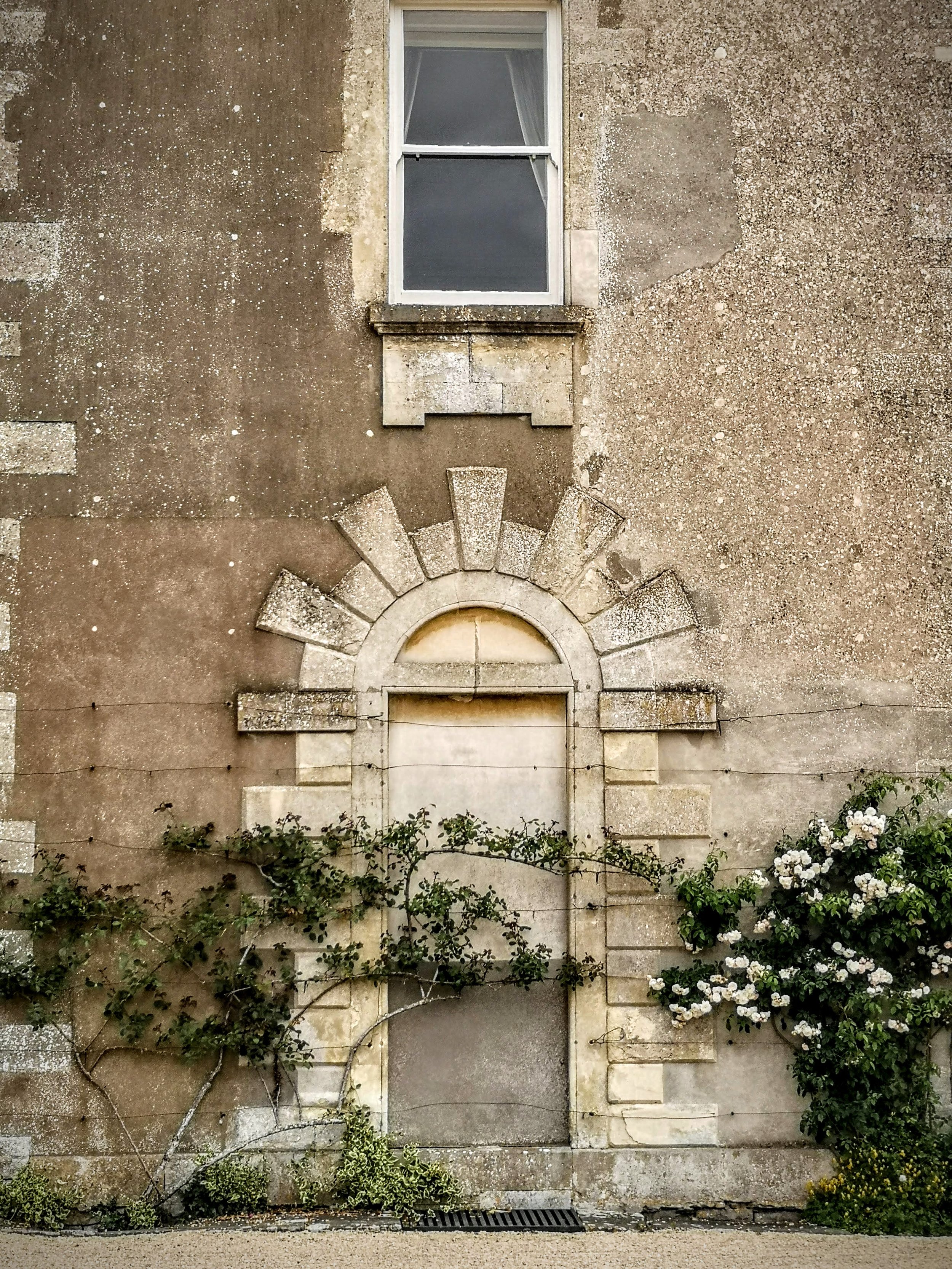
Elegant ghost door found at the Bathurst Estate in Cirencester, in the walls of the main house
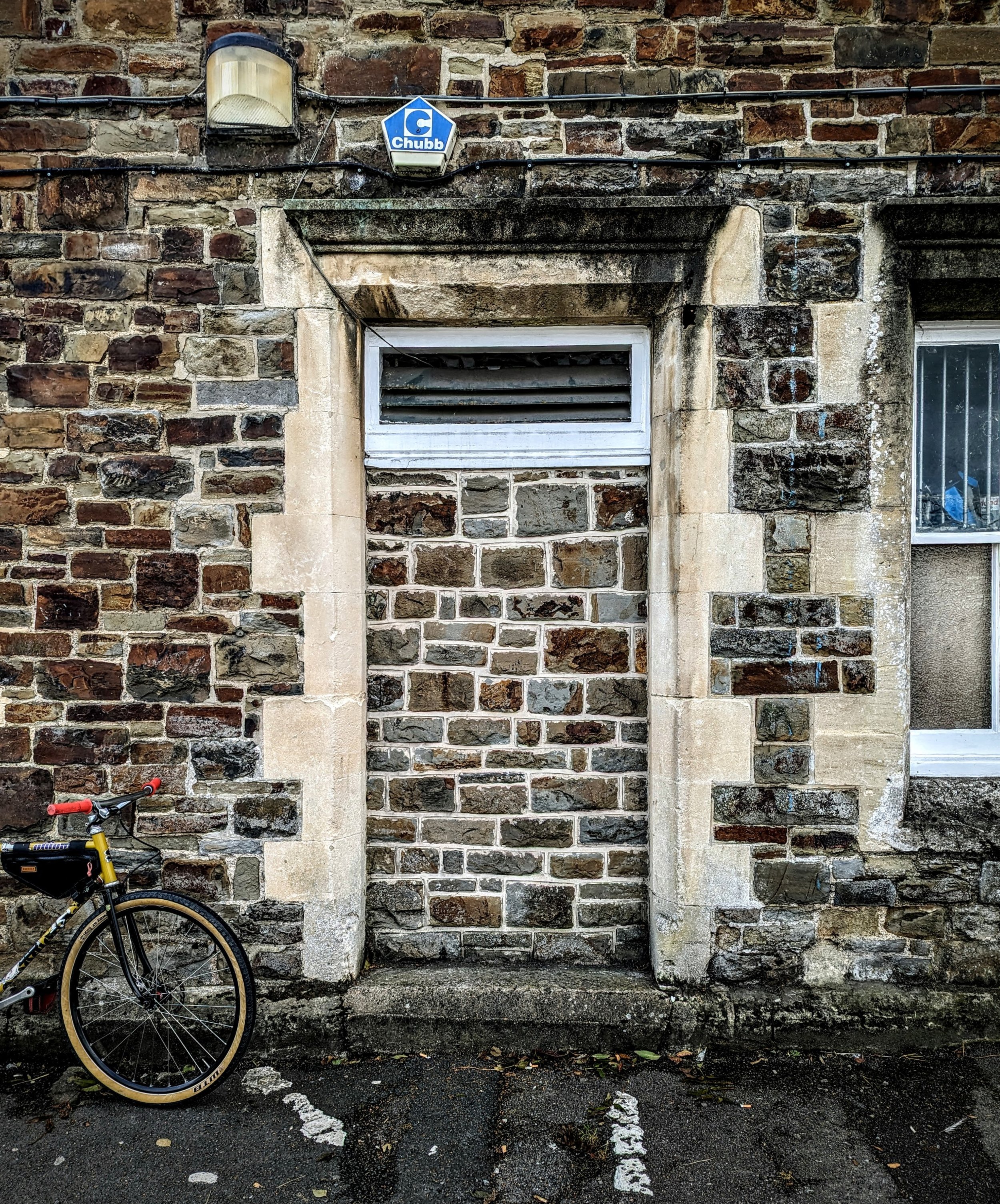
A distinctive ghost within its old frame at Barnstaple train station
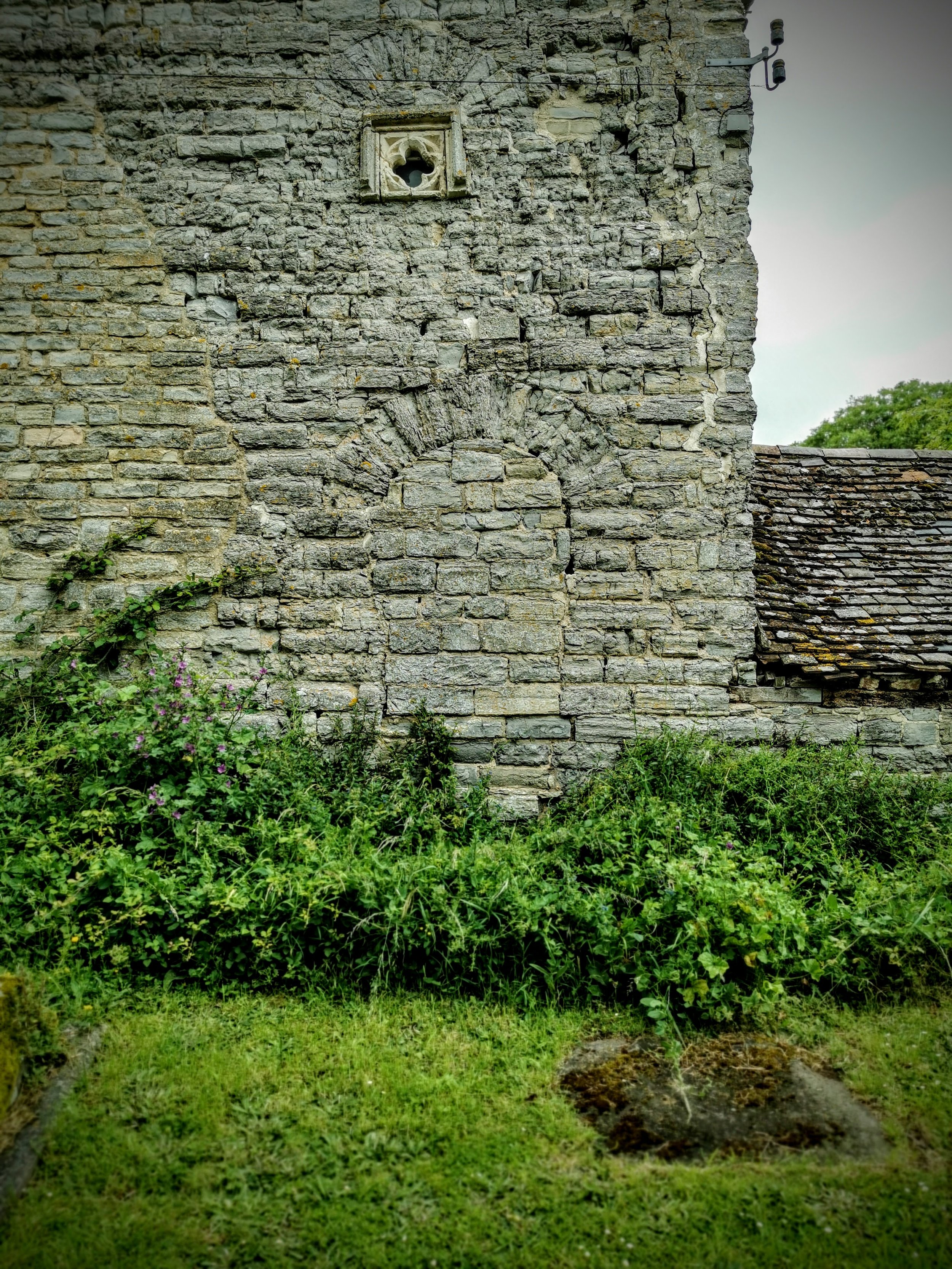
This is at the end of a medieval house next to the Church at Ashleworth in Gloucestershire
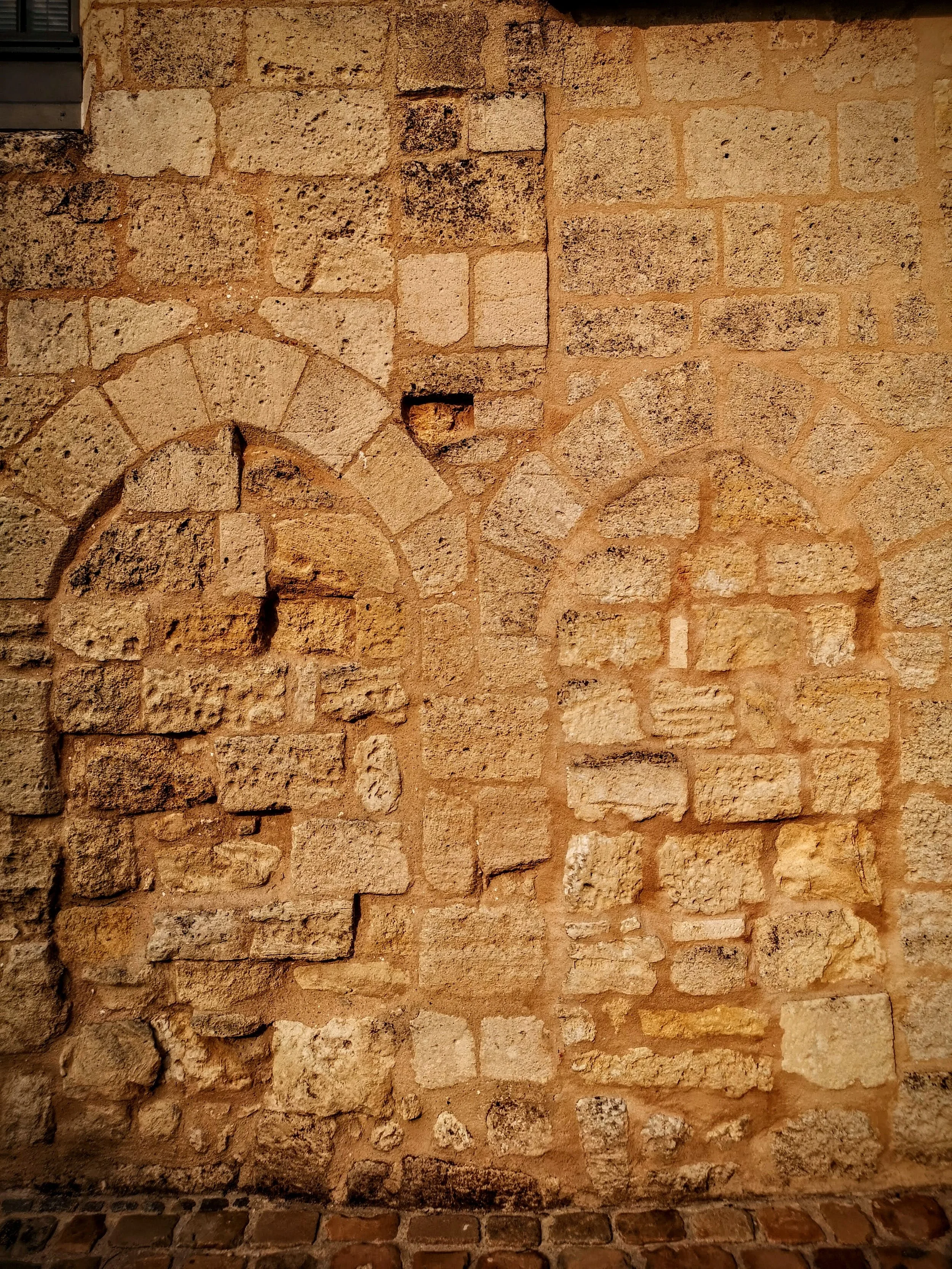
Rare twin ghost doors bathed in the light of the setting sun. St Emilion, France
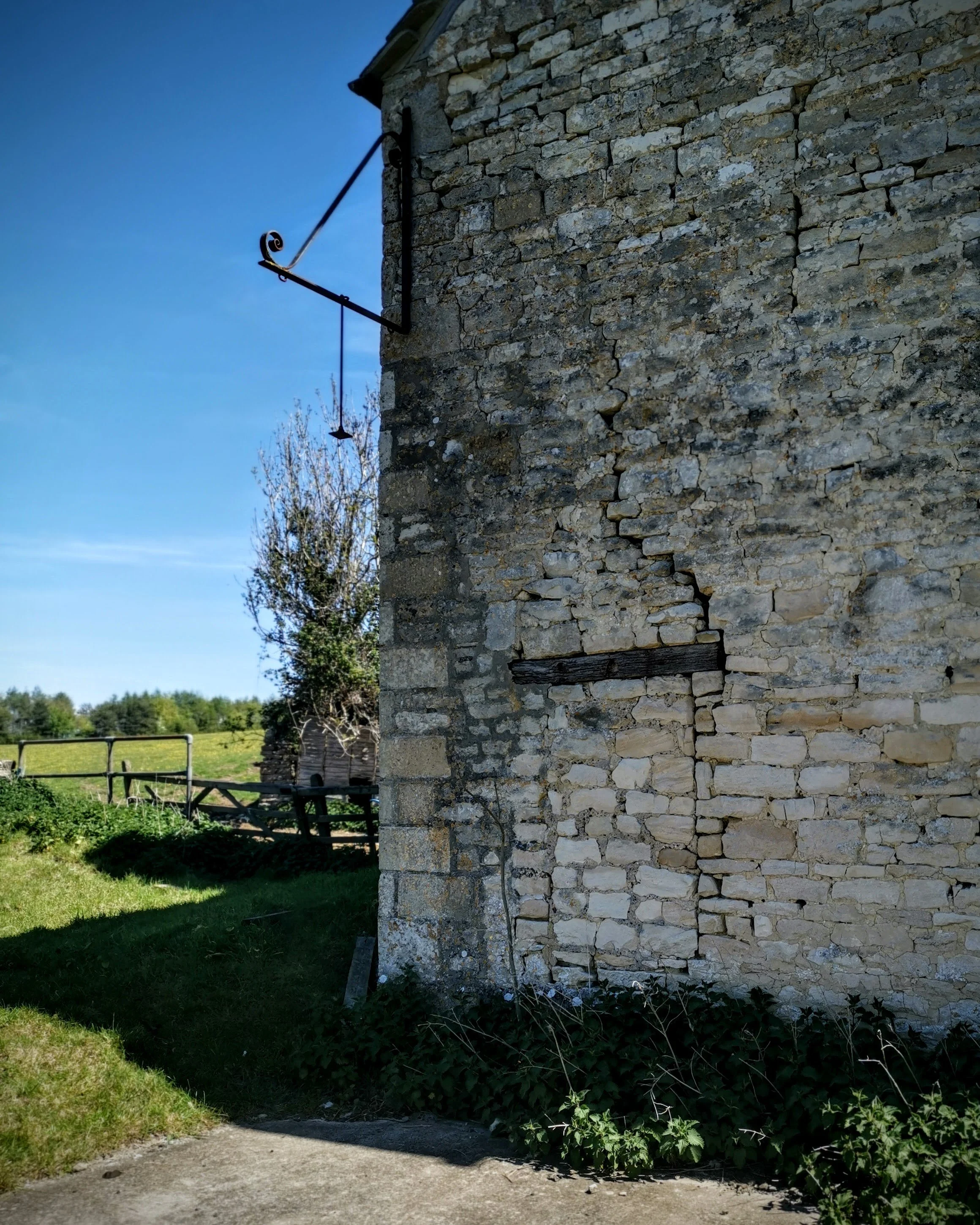
In the back of an old barn near Avening in Gloucestershire
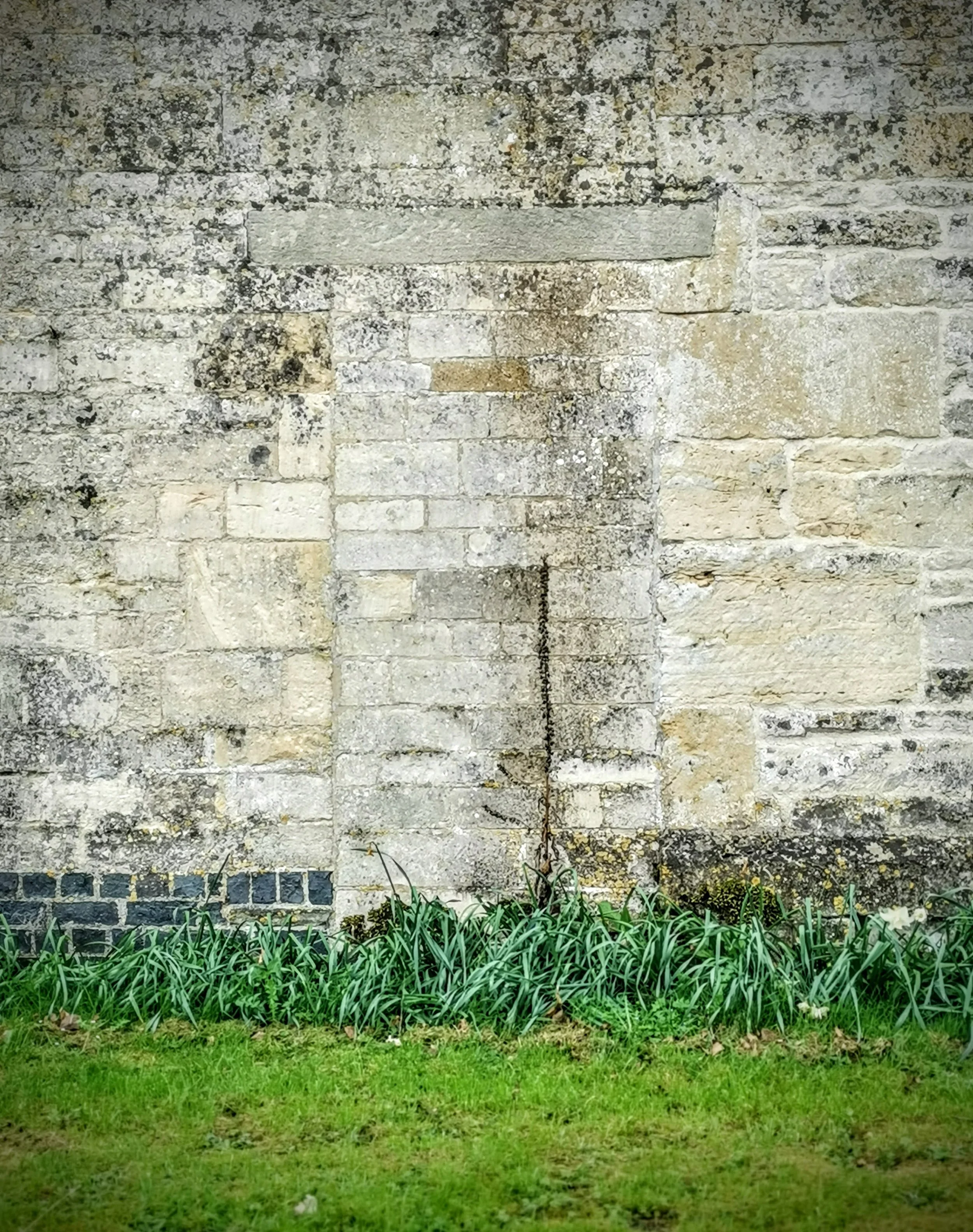
Barely there ghost door in the Cotswold stone of Coberly
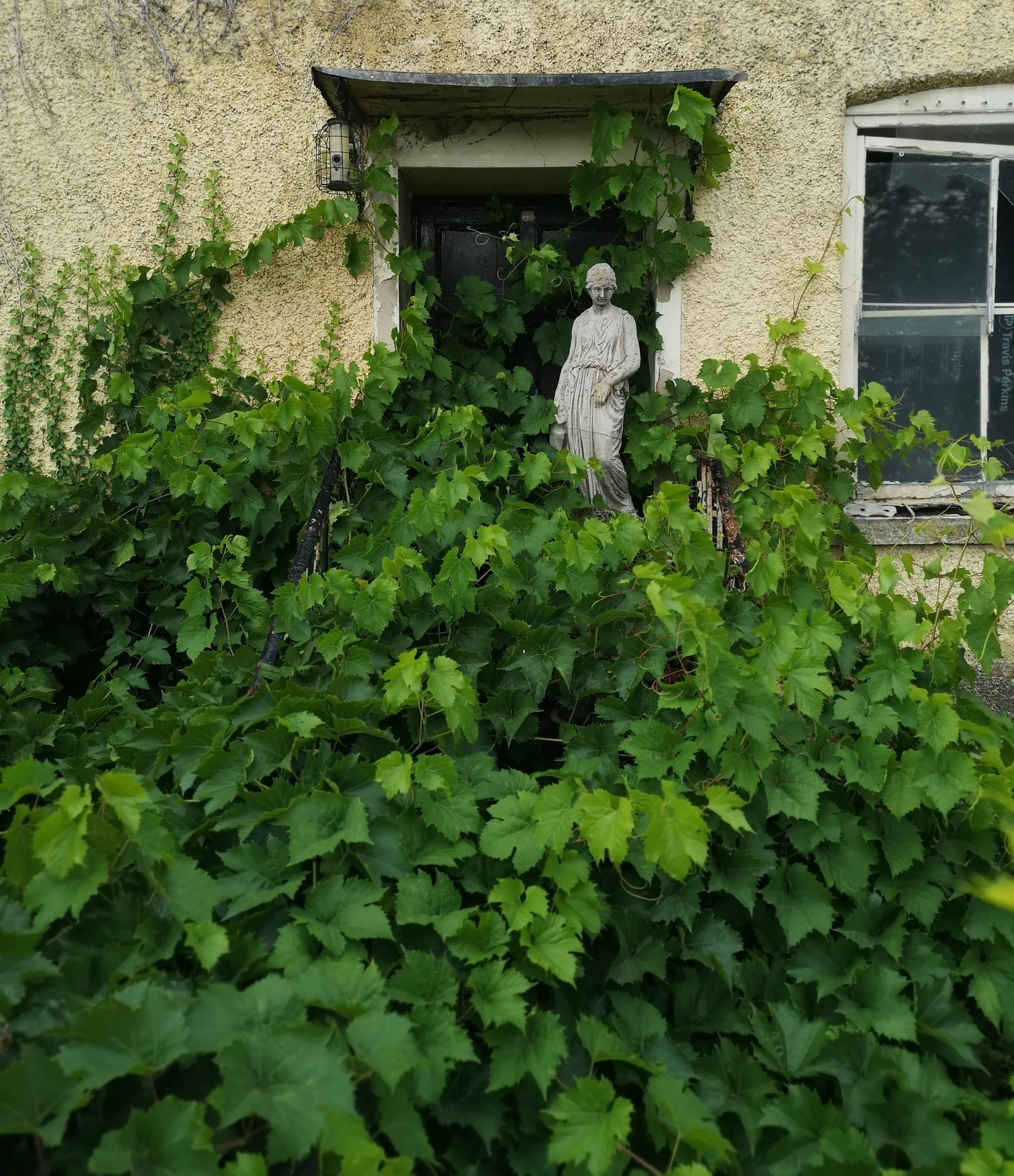
The Secret-Garden Doors
This phrase has emerged organically from my subreddit because simply put it either comes up in the title or the comments of every post of these distinctive doors-no-more. They cannot offer the same sense of permanance that the ghost doors do, but they do share a certainty that these doors are not in use. The pernicious ivy is the main culprit but nature itself is quick to reclaim buildings, walls and their doors once they become unused and neglected.
There is of course a lovely whimsy already attached to the phrase derived from the 1911 novel by Frances Hodgson Burnett. It is associated with romance and mystery, a hidden threshold to a magical, wild place which mother nature has taken back for herself.
These doors really evoke that child-like sense of wonder, overgrown portals to secret places only you and someone close knows about, somewhere safe and precious and yours.
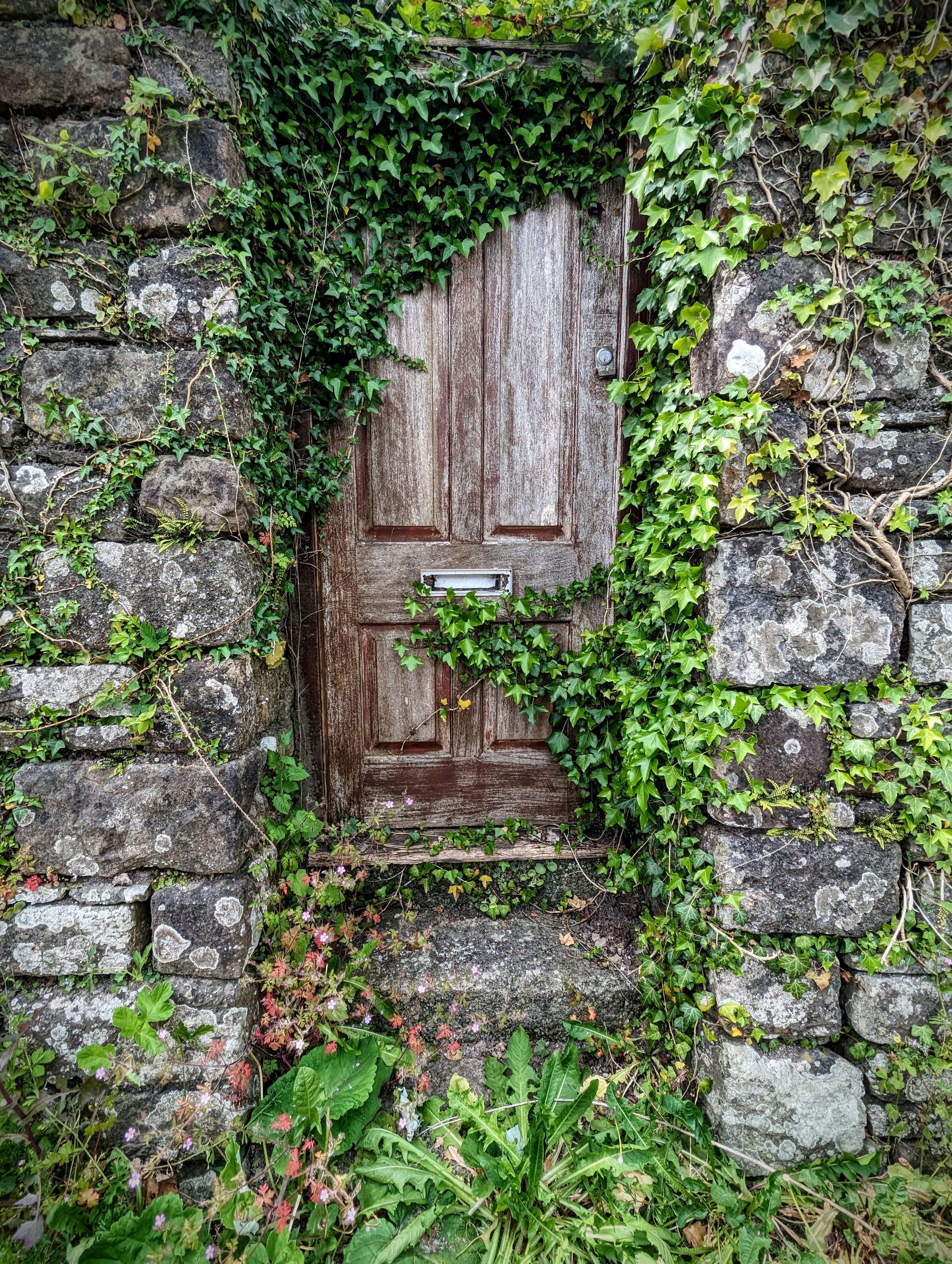
A door in Tintern being consumed
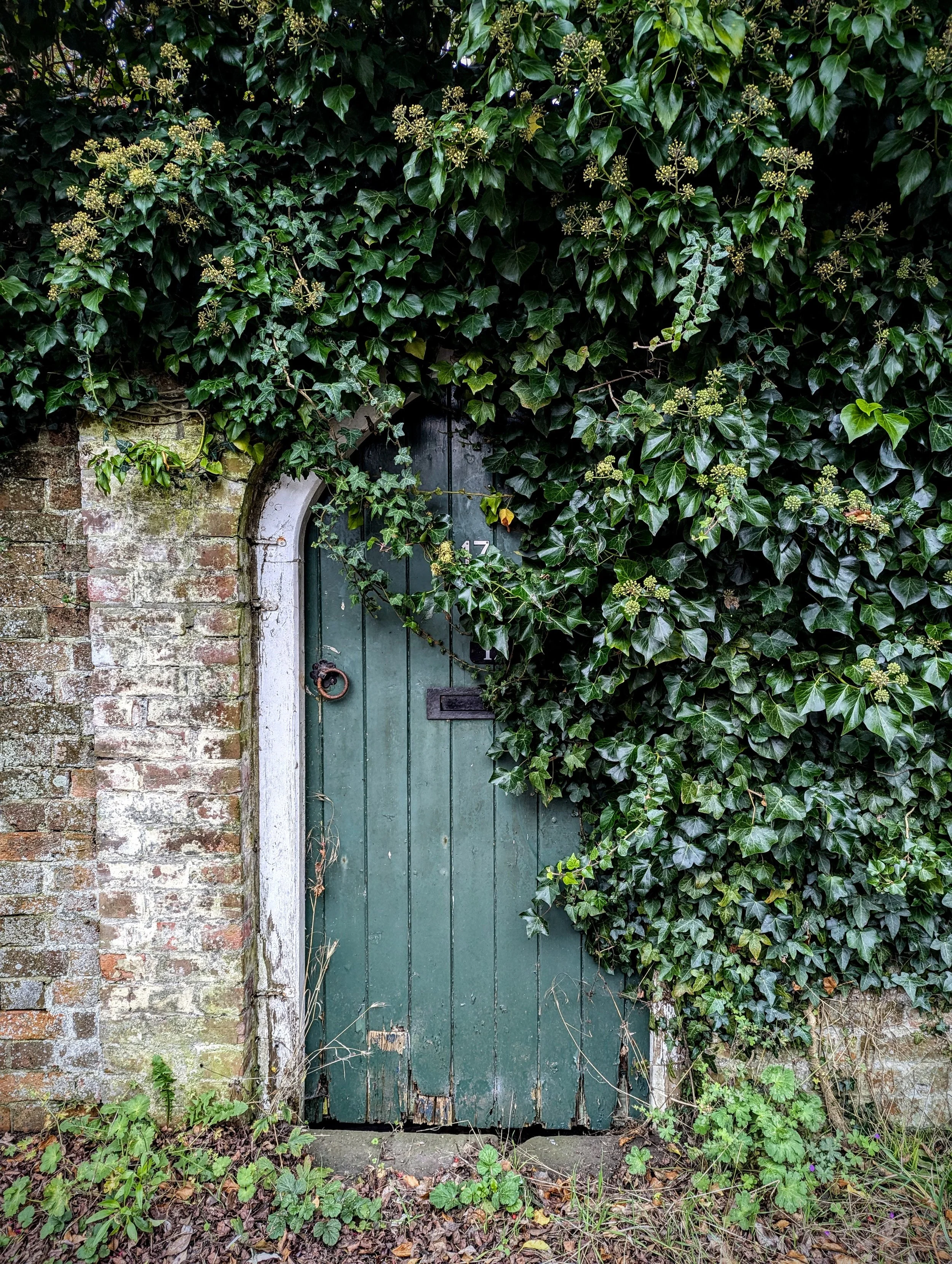
Surely there are secrets beyond? Wotten-under-Edge
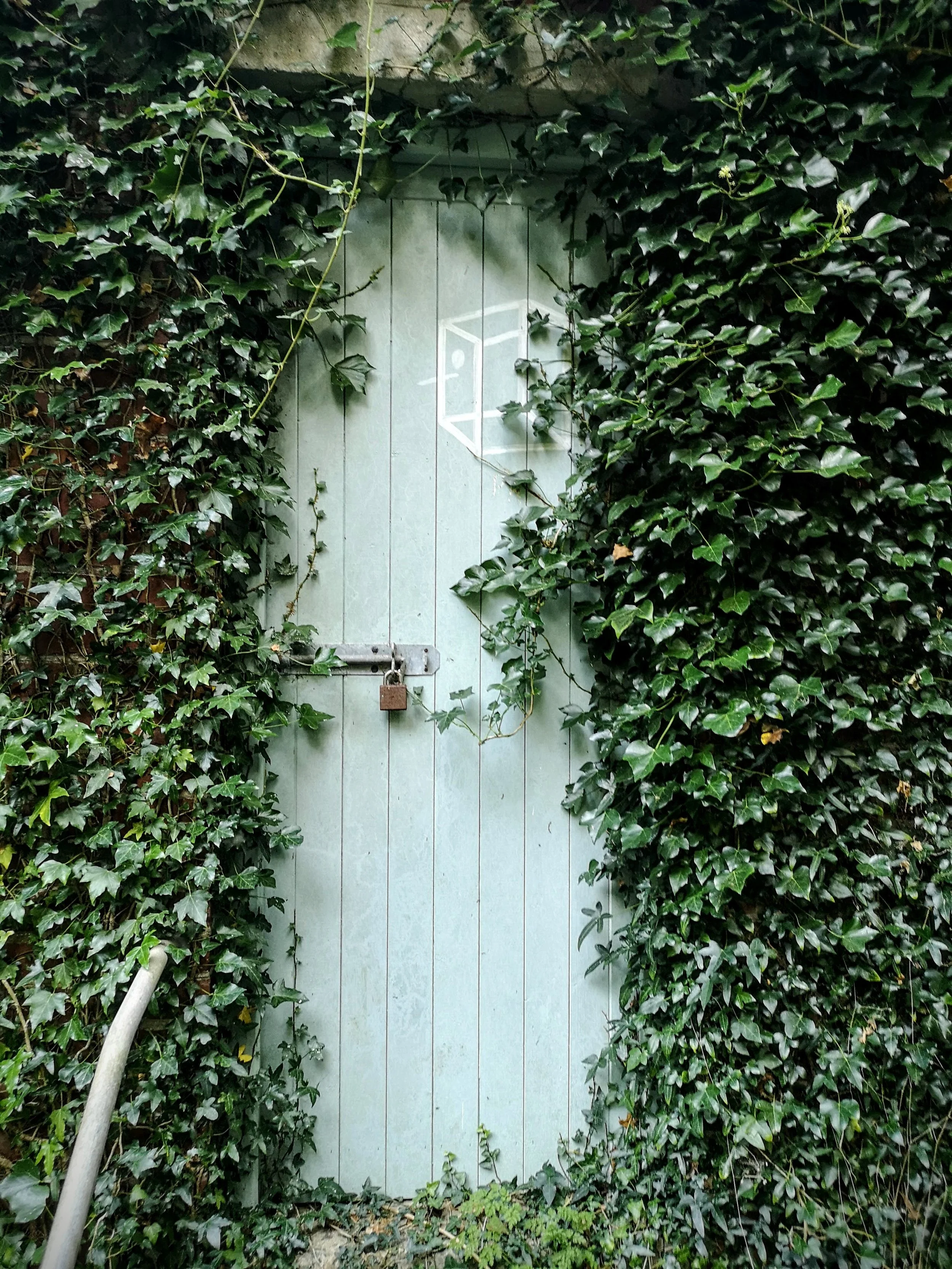
Wish I knew where I took this one, but its lovely
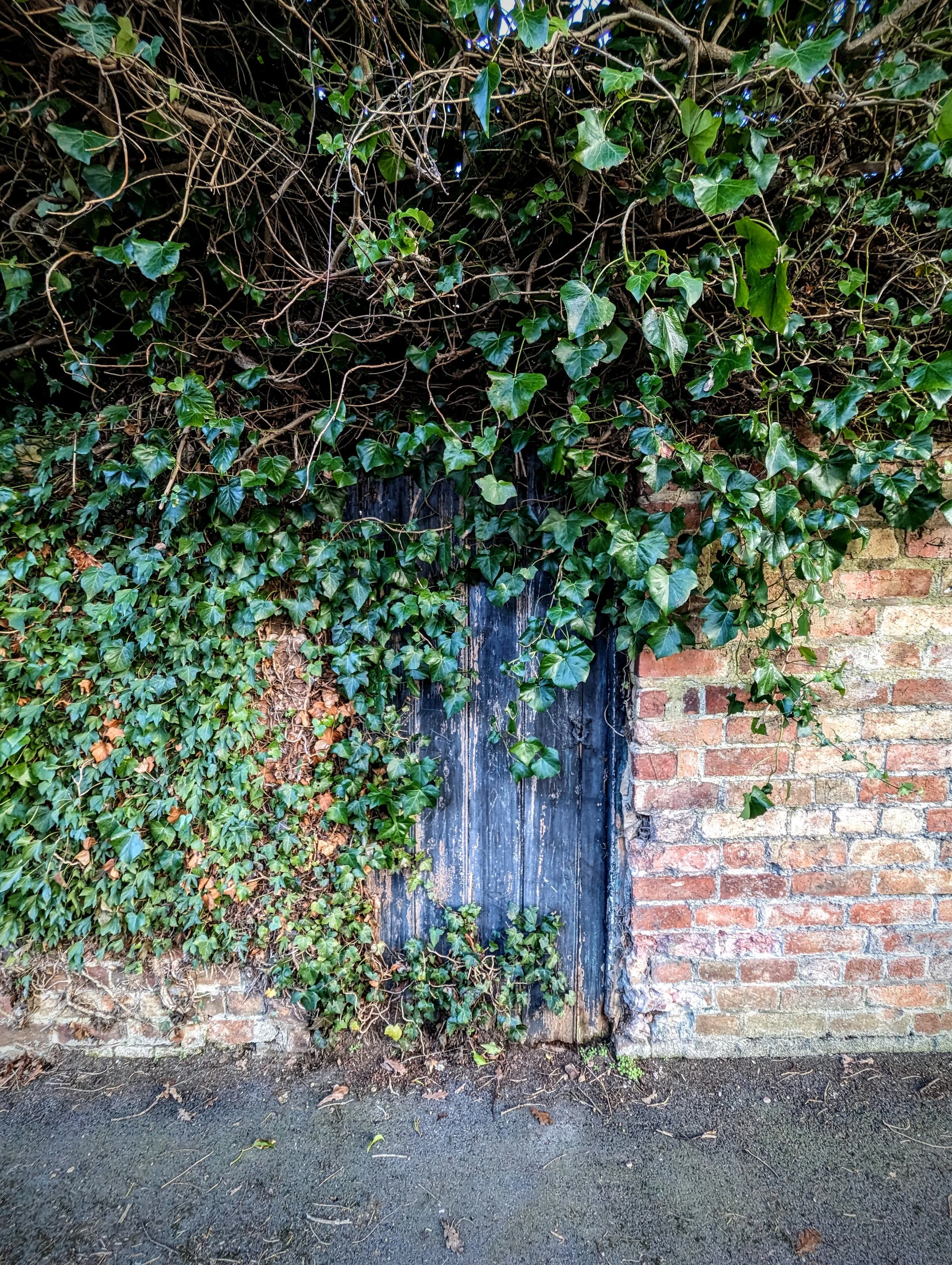
Just off The Park, Cheltenham
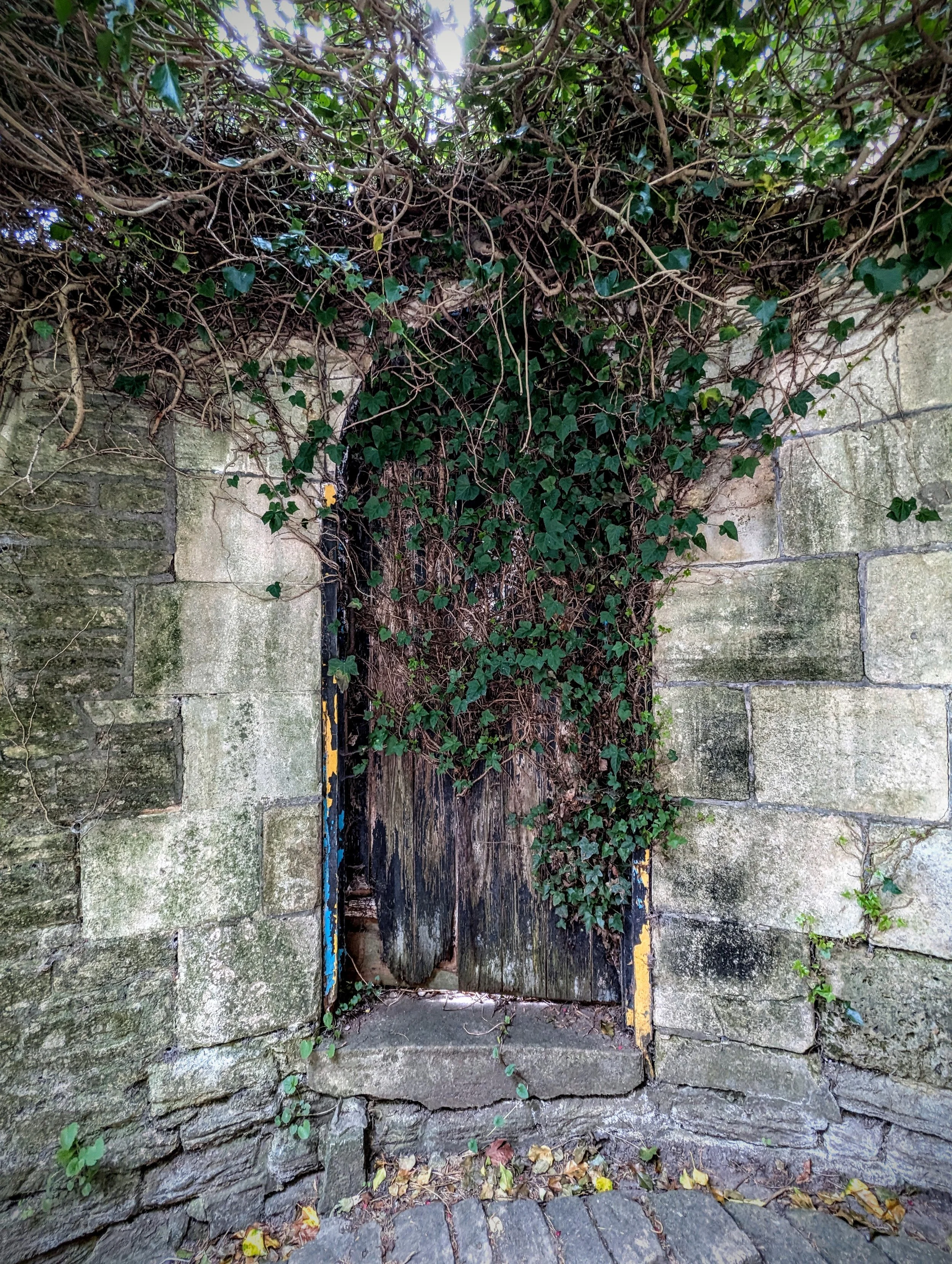
This delightful door was found down a tight alley in Bradford-on-Avon
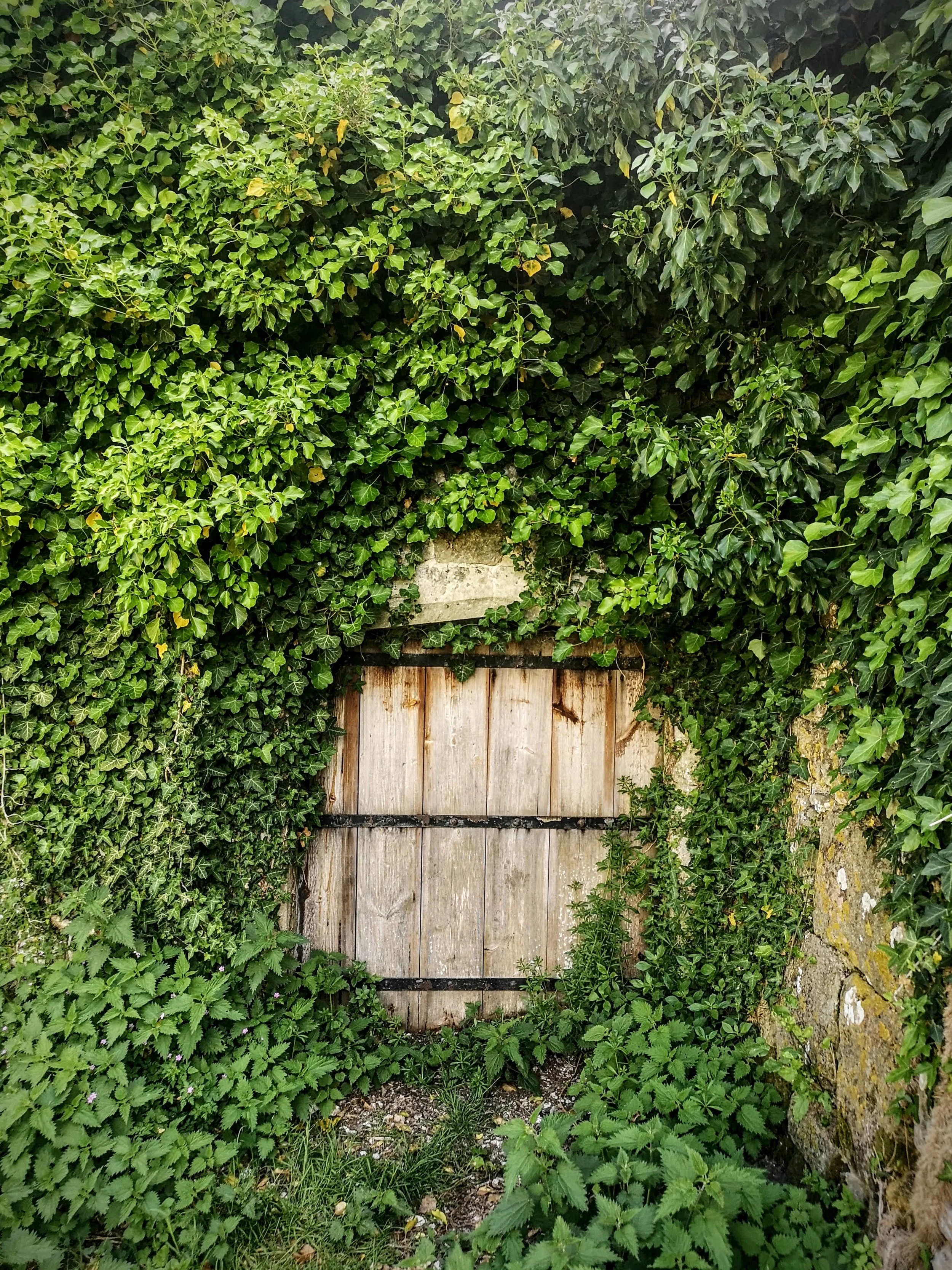
Amongs the sprawling fortifications of Carisbrooke Castle on the Isle of Wight
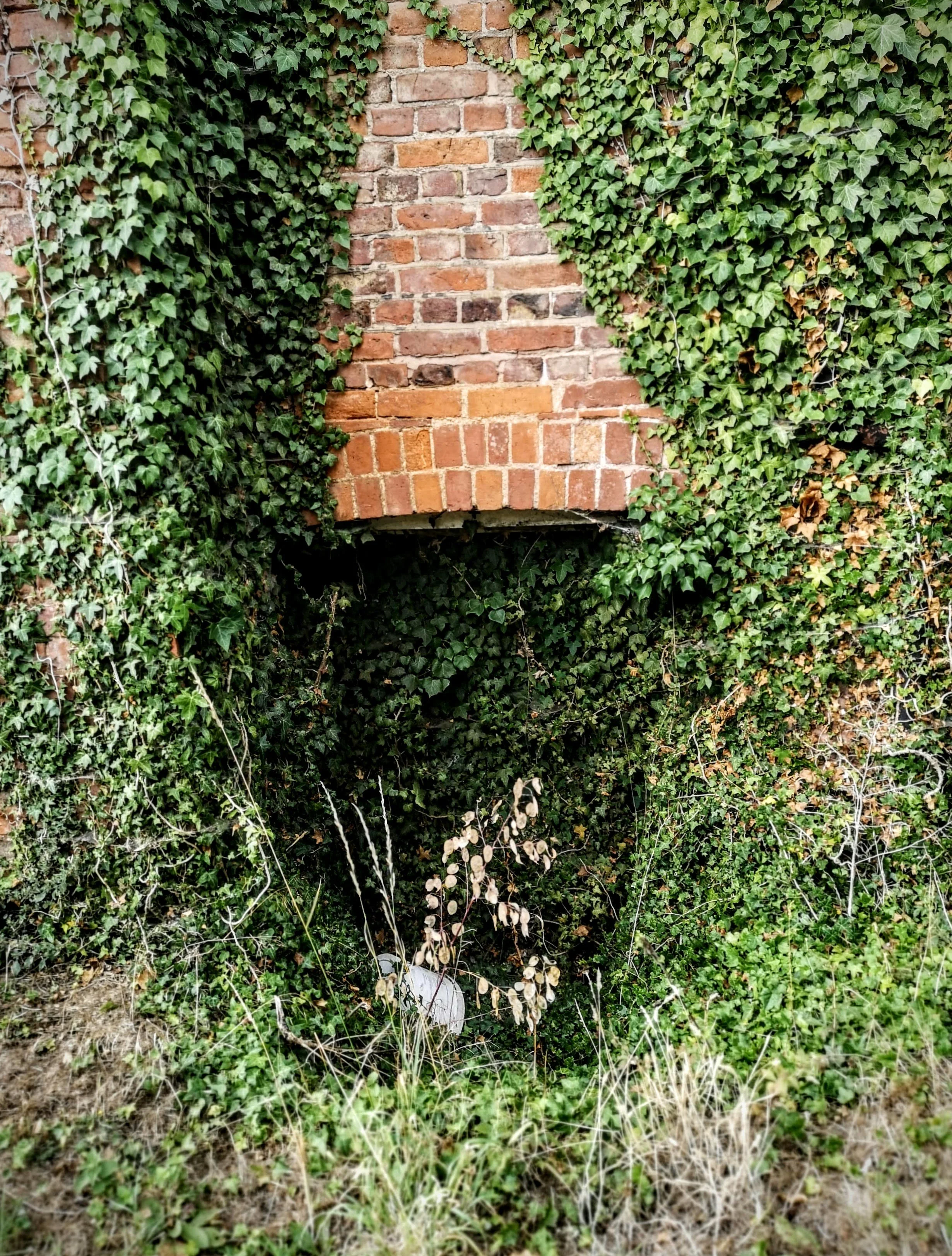
The old entrance to a cellar in a farmhouse in the Cotswolds
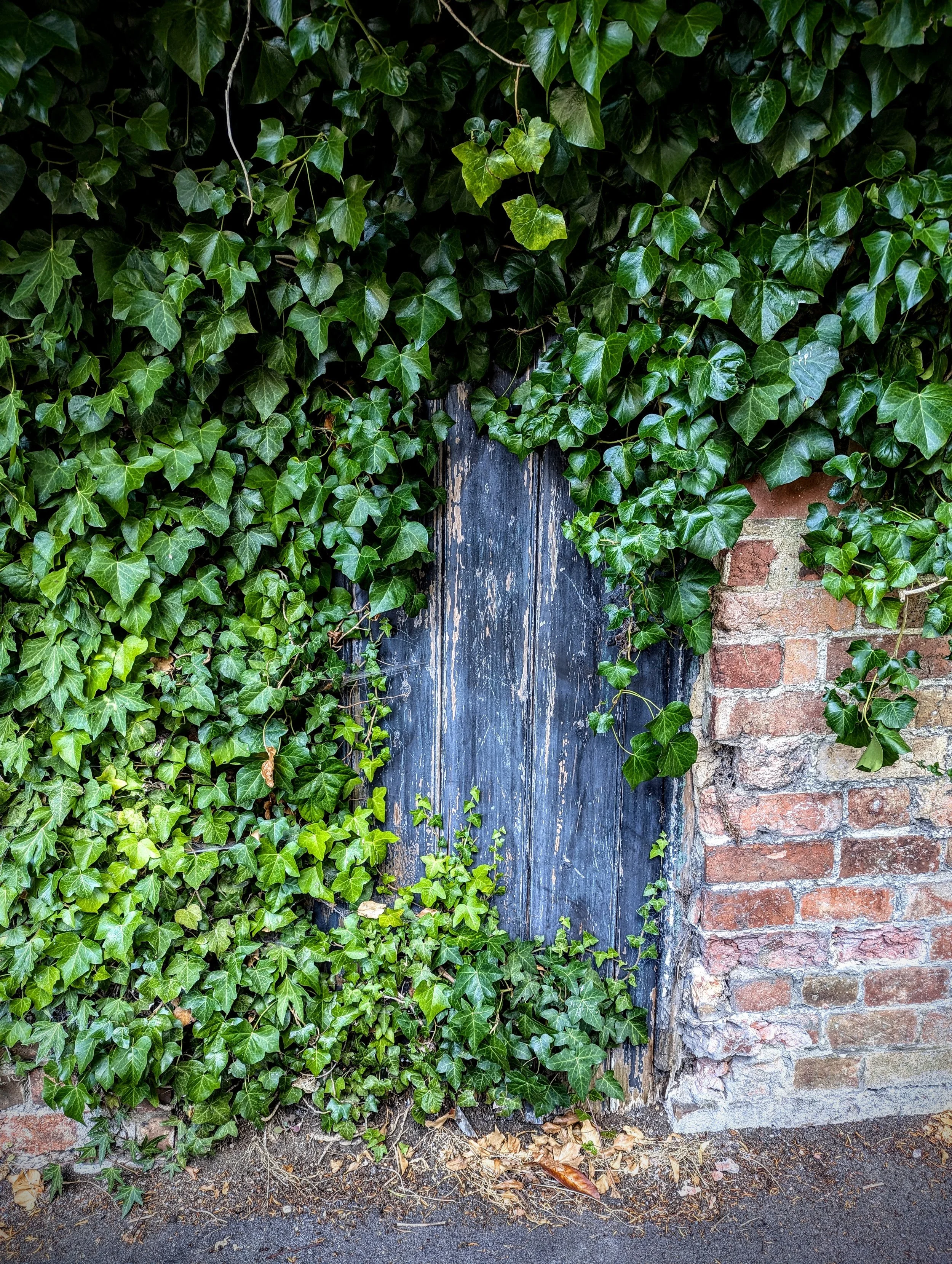
This door is almost fully consumed. Cheltenham
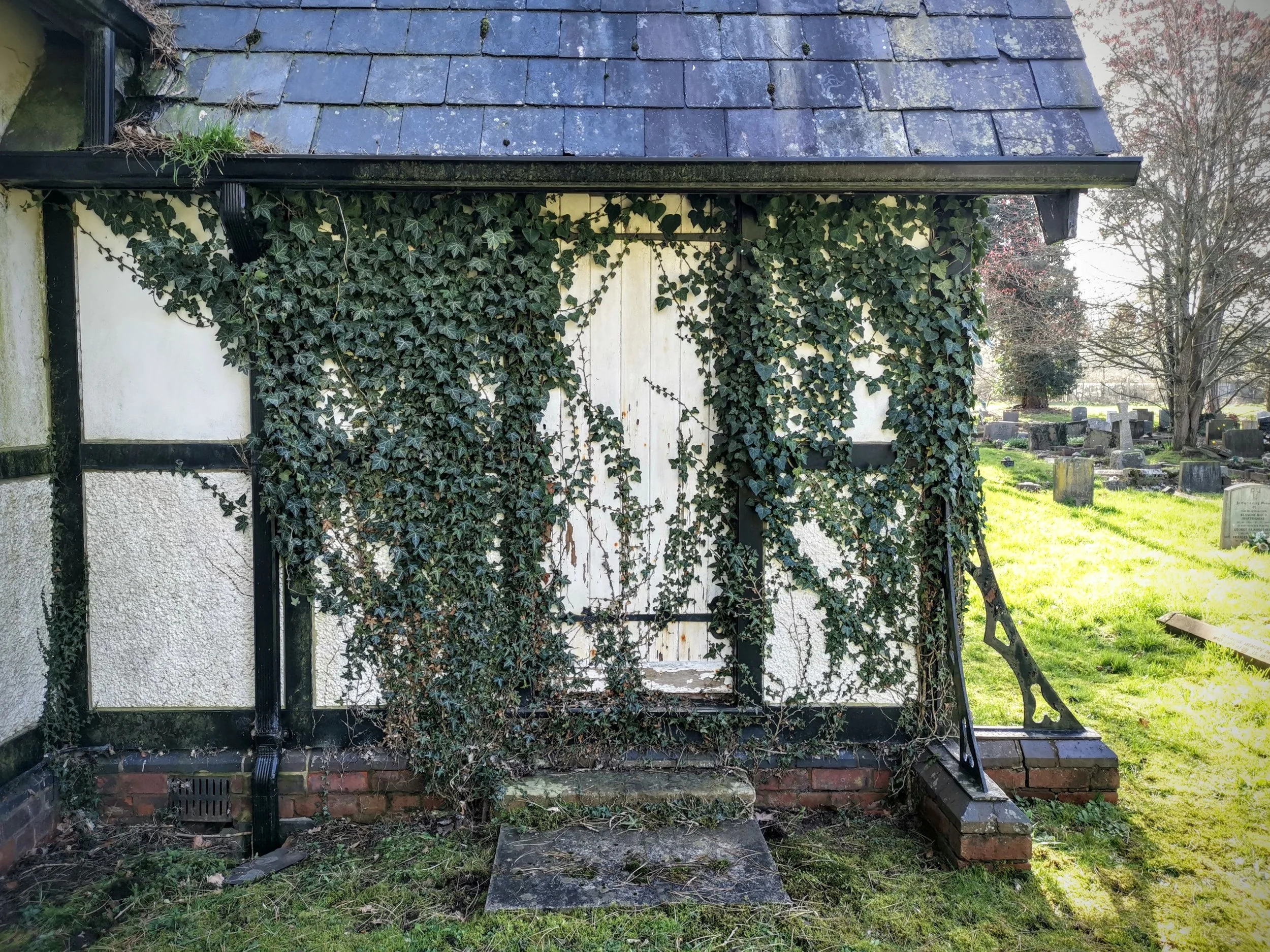
Lovely overgrown door at the back of St Mary's Church in Shropshire
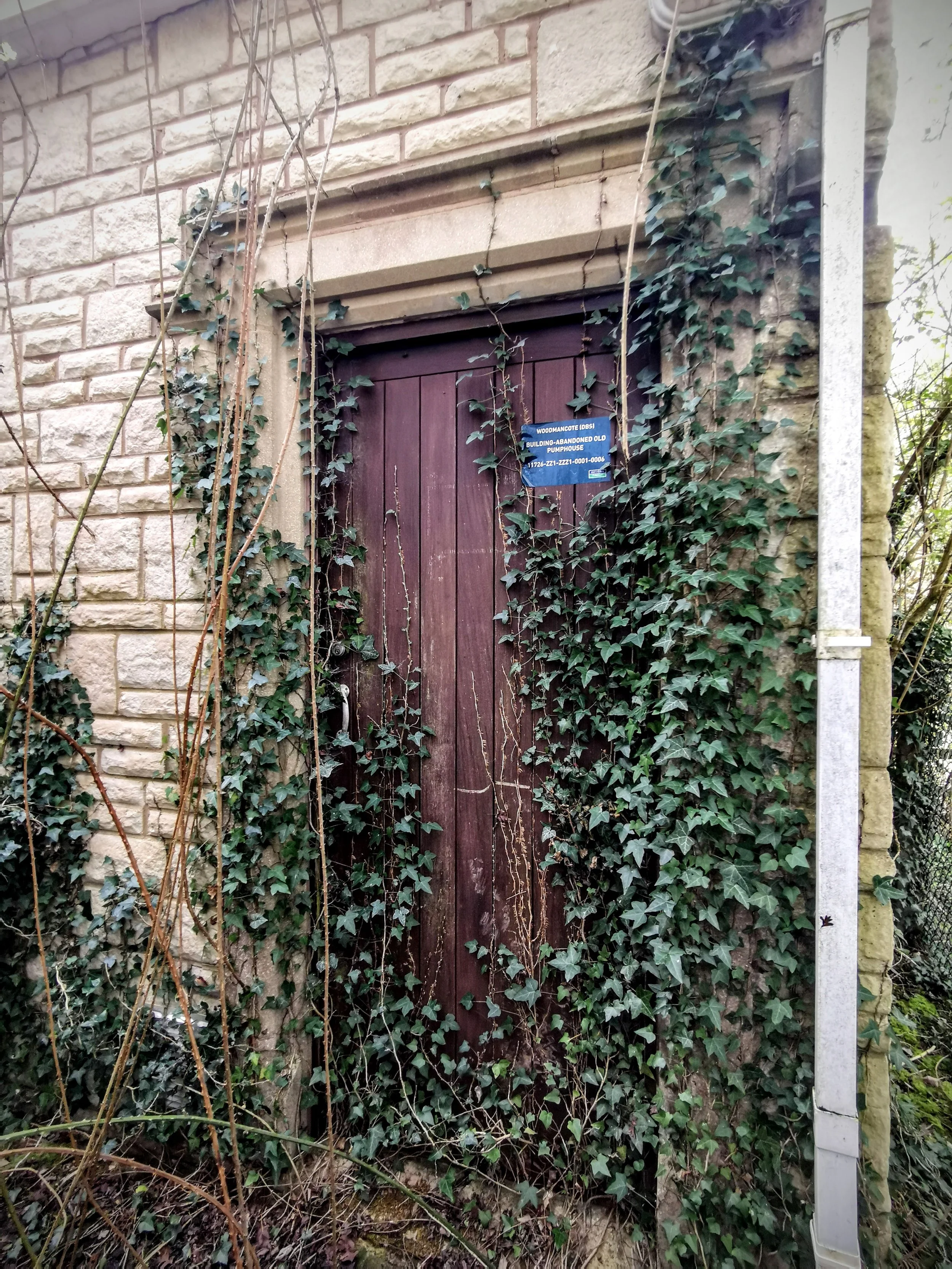
As the sign says this was an old water pumping station on the slopes of Cleeve Hill in Gloucestershire
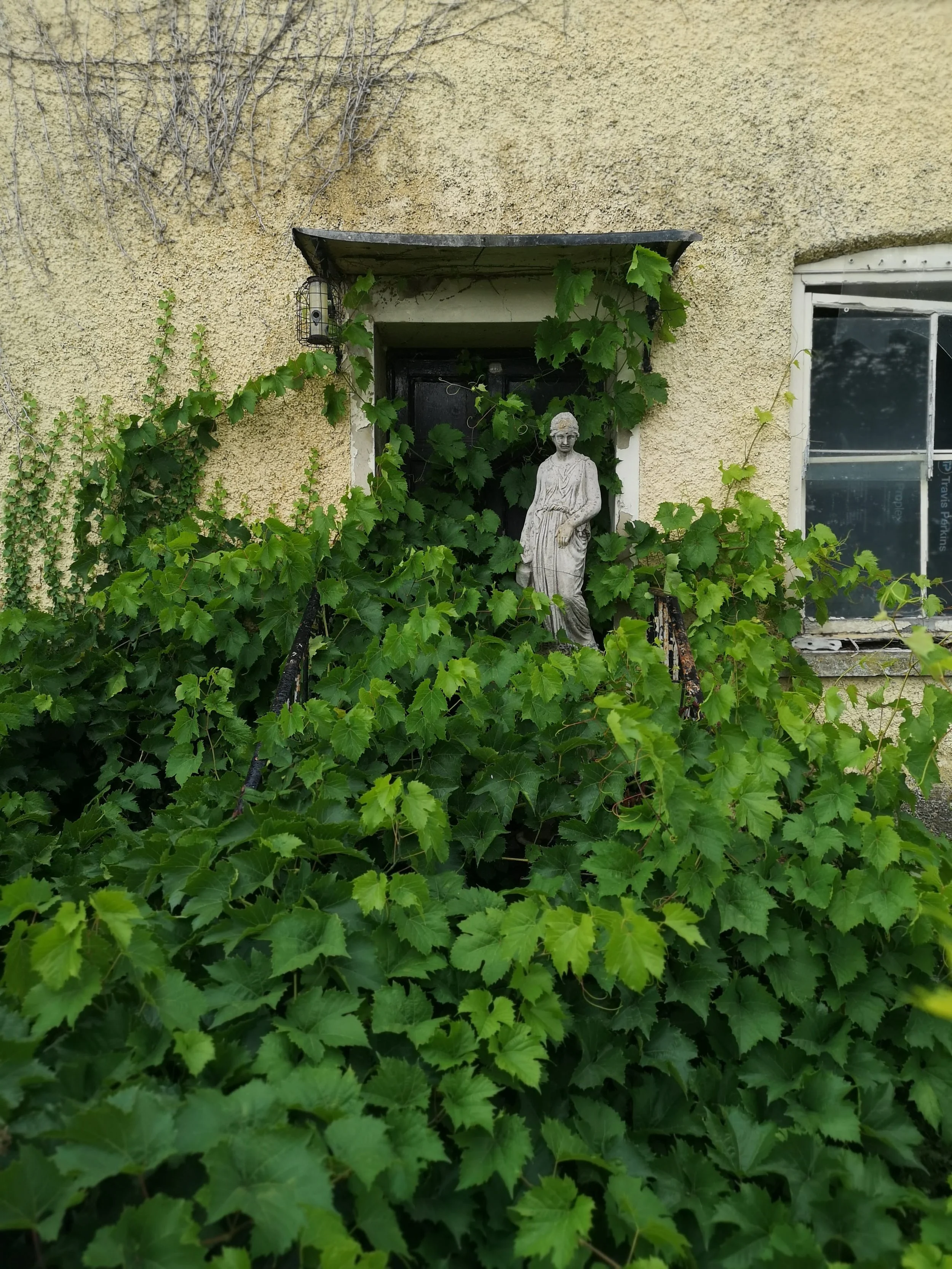
Not a garden door and those look like the leaves of a grape vine not ivy but this is a magical entrance-way in Malmesbury
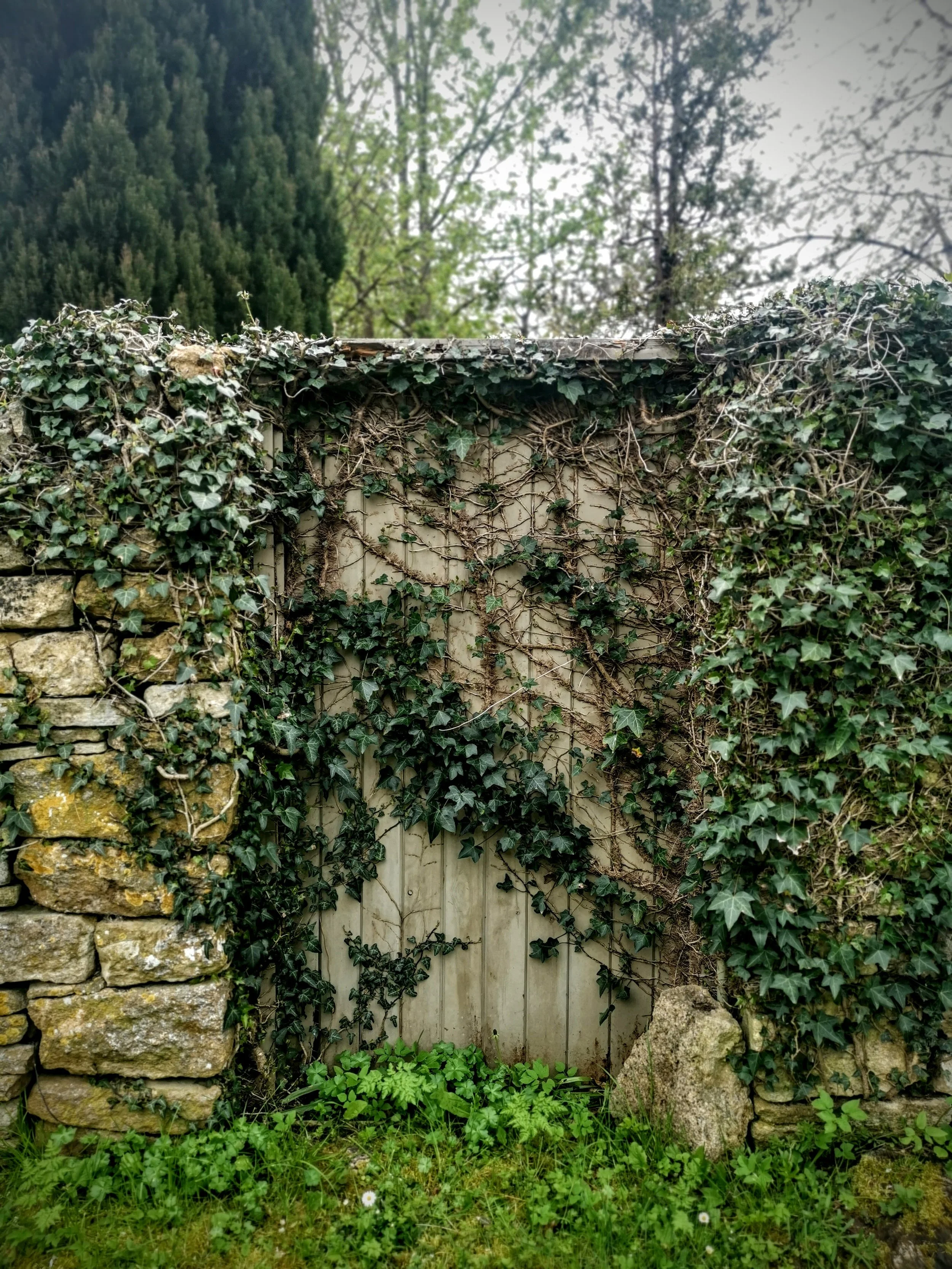
Found in Withington in the Cotswolds
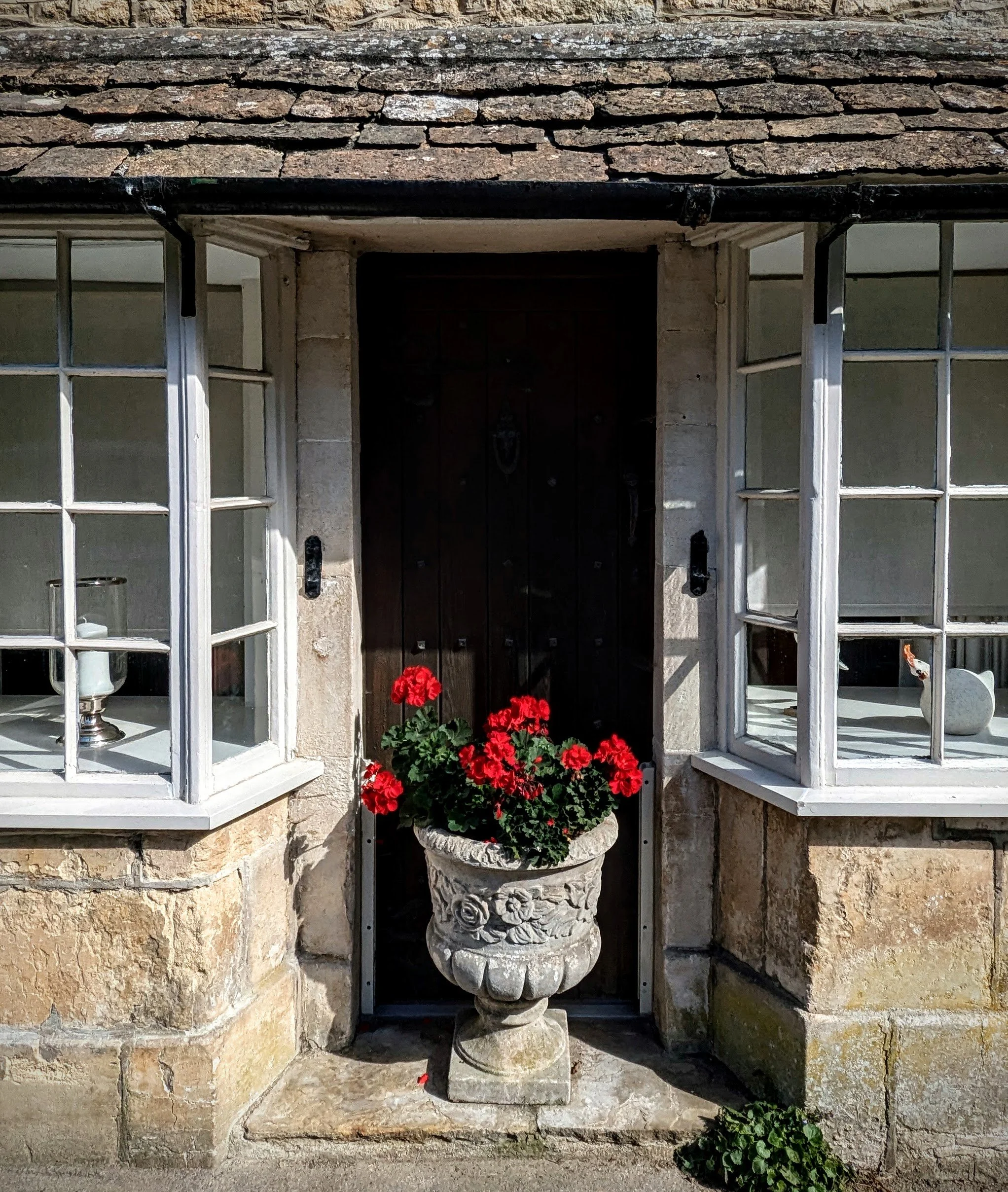
The Flower-Pot Doors
I cannot blame anyone else for this name! One thing that will not necessarily leap to mind when thinking about a door is how much space it takes up. No you might say, a door does not take up space! It is flat and thin and part of a wall. But what you must consider is the space you need for a door to be functional. Space is needed for it to swing open, but also space to is needed to walk up to it, a passage within the house and one without. When a door ceases to function as a door that space is suddenly made completely to be reinvented in whatever way the owner sees fit.
Perhaps you can finally put the sofa where you have always wanted it, or a perfect alcove for a guitar stand or stereo. About the inside I can only guess as I rarely see them, but outside a common solution to filling that free space are plants, to reclaim that space as garden.
Of course they are also an elegant but firm way of communicating to the outside world these doors are not in use. Do not knock on this door, or try to put letters through it, or leave parcels in front of it. It is a decorative and charming ‘no entry’ sign.
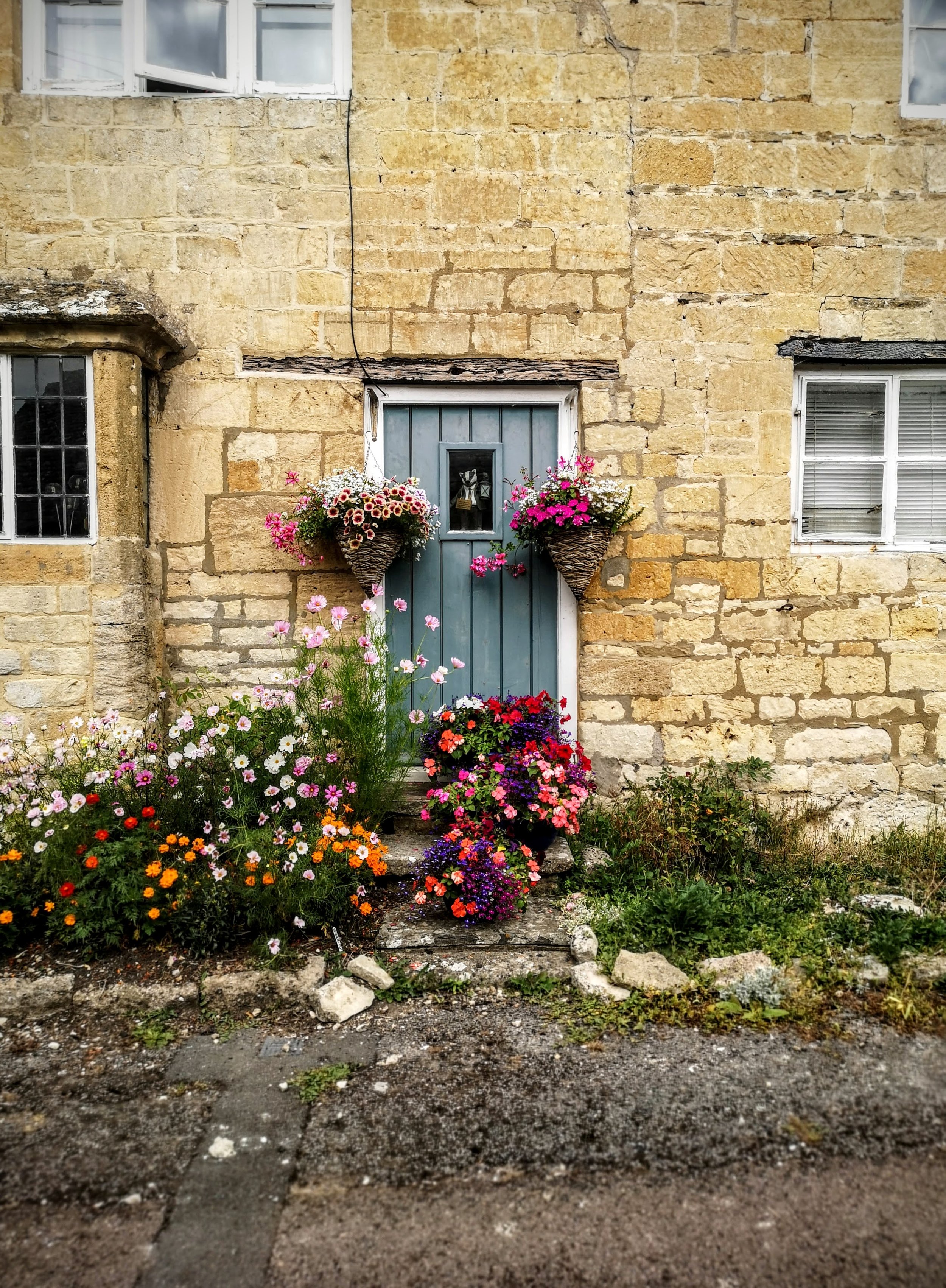
Lovely blaze of colour from this Cotswold door
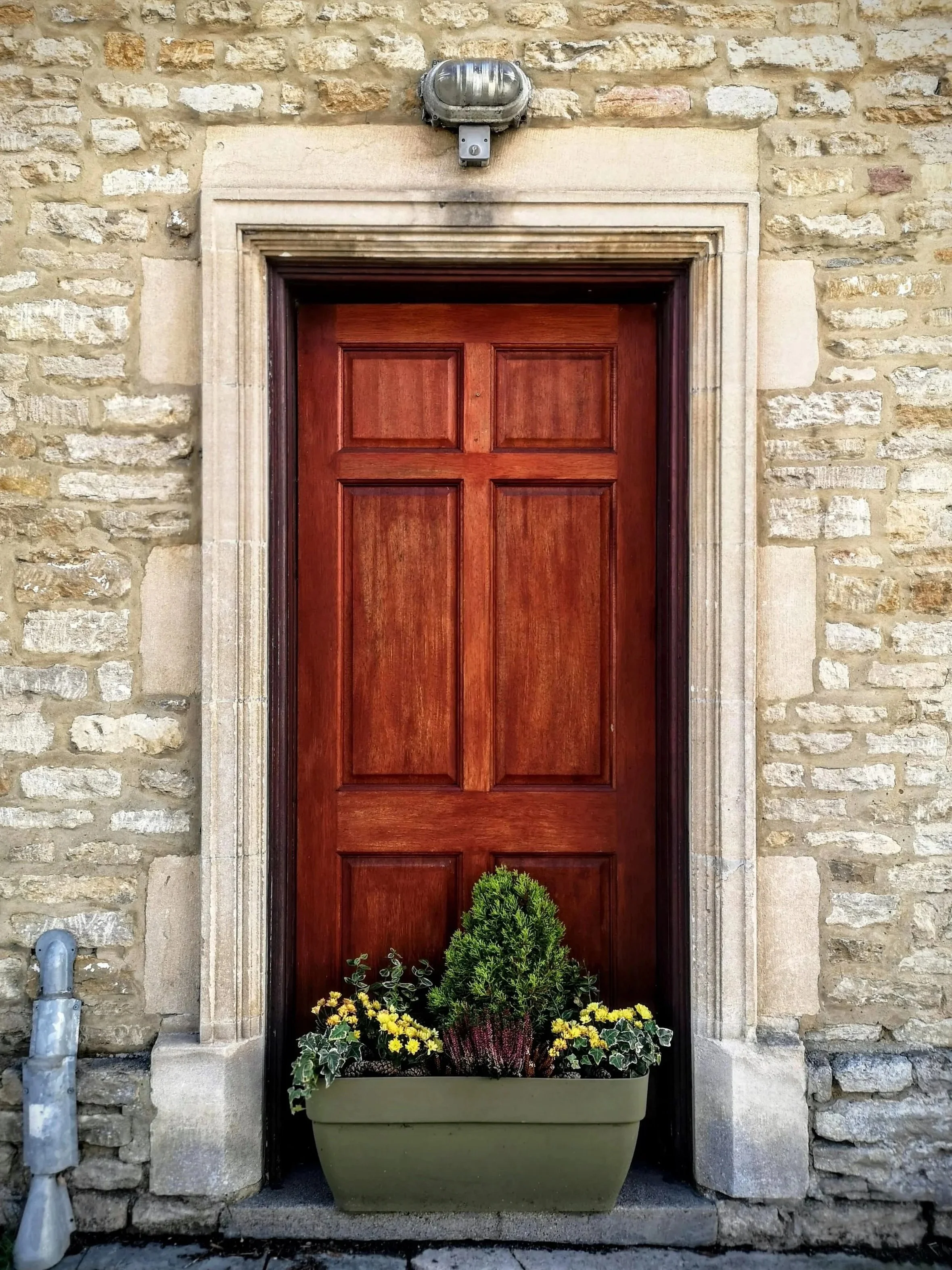
Lovely expression of the form found in Cricklade
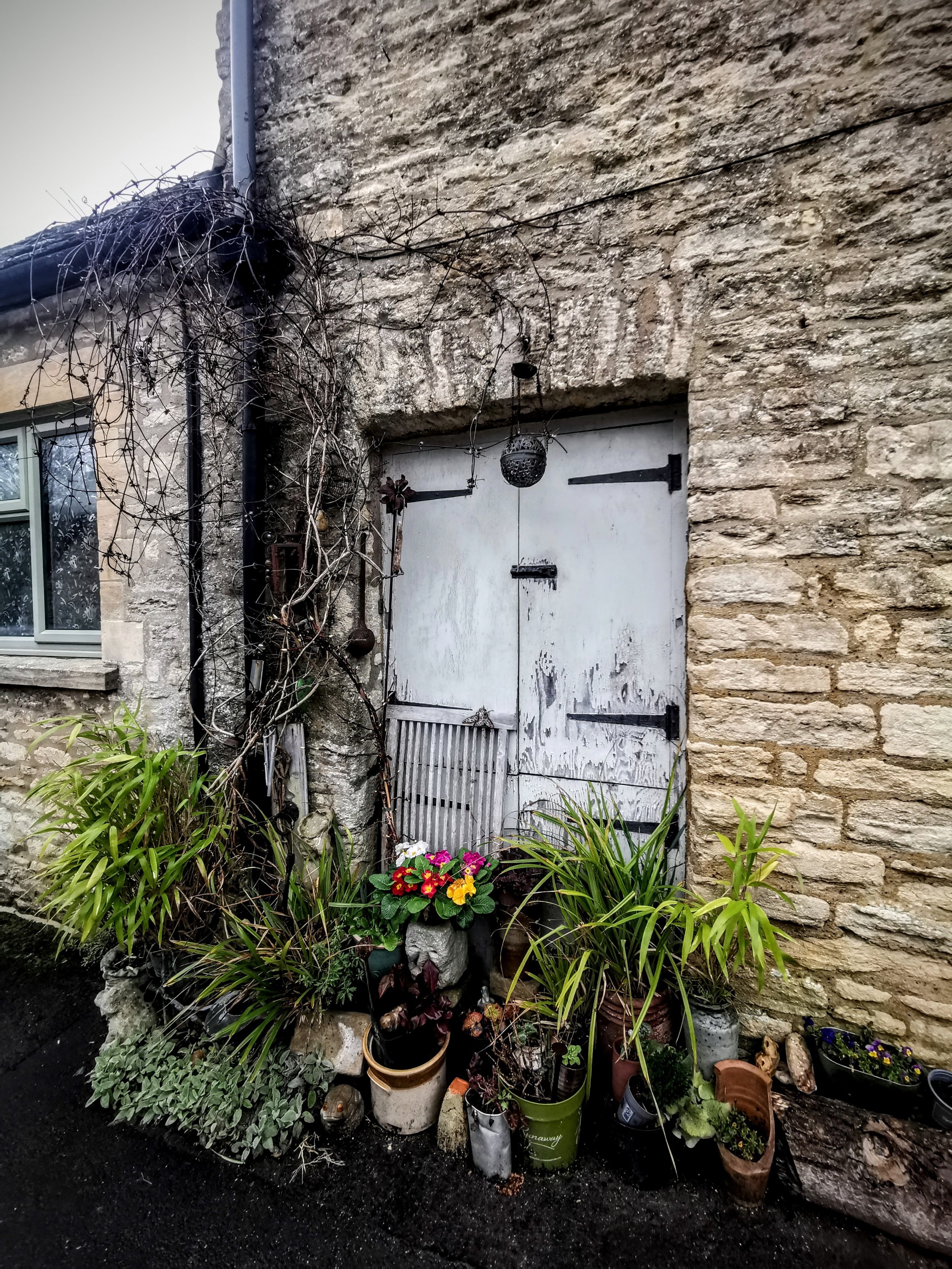
No holding the owner back here in Northleach
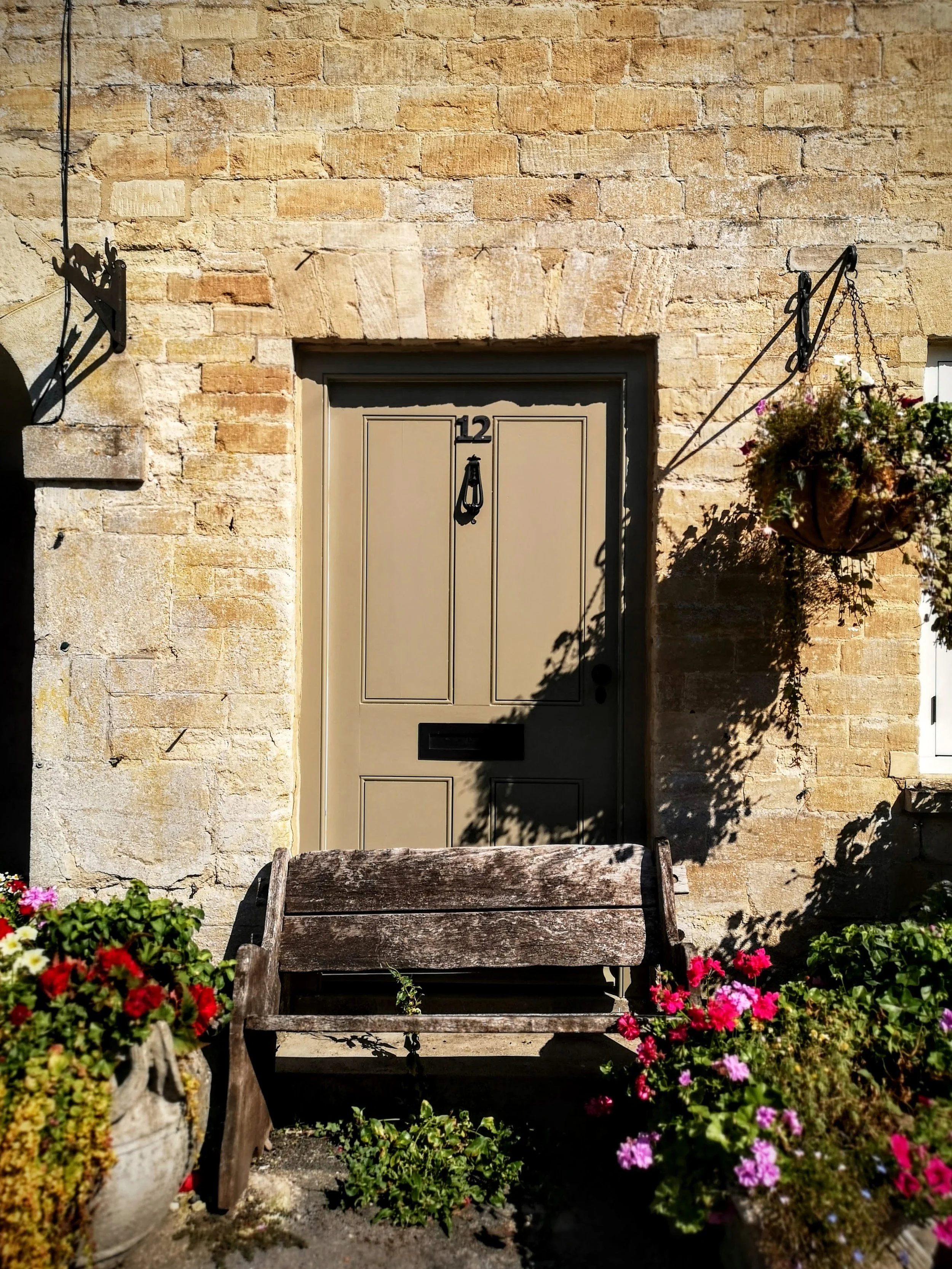
Ok its not exactly a flower pot but it fits here. Cirencester
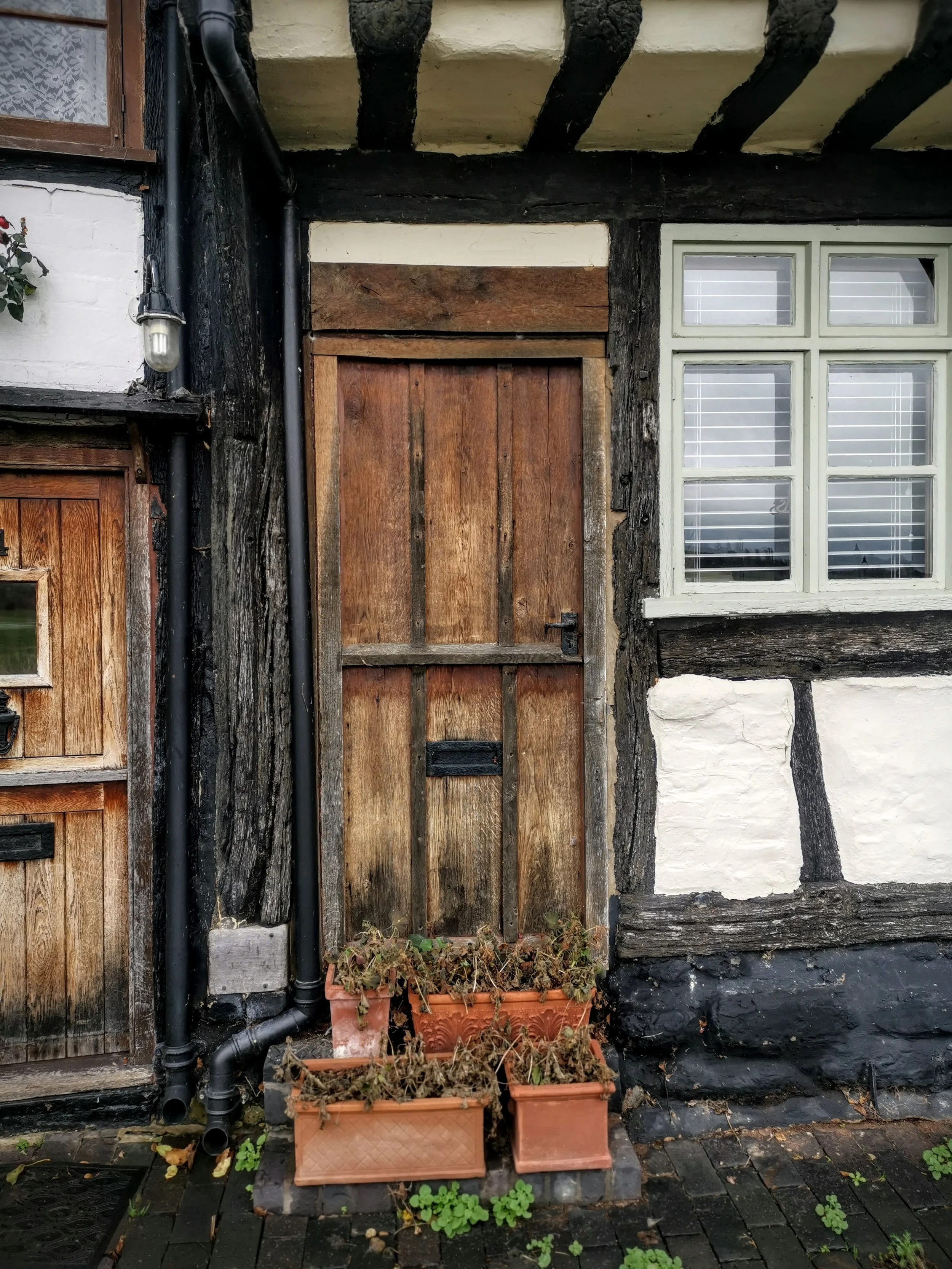
Old Tudor door next to the Ham in Tewkesbury
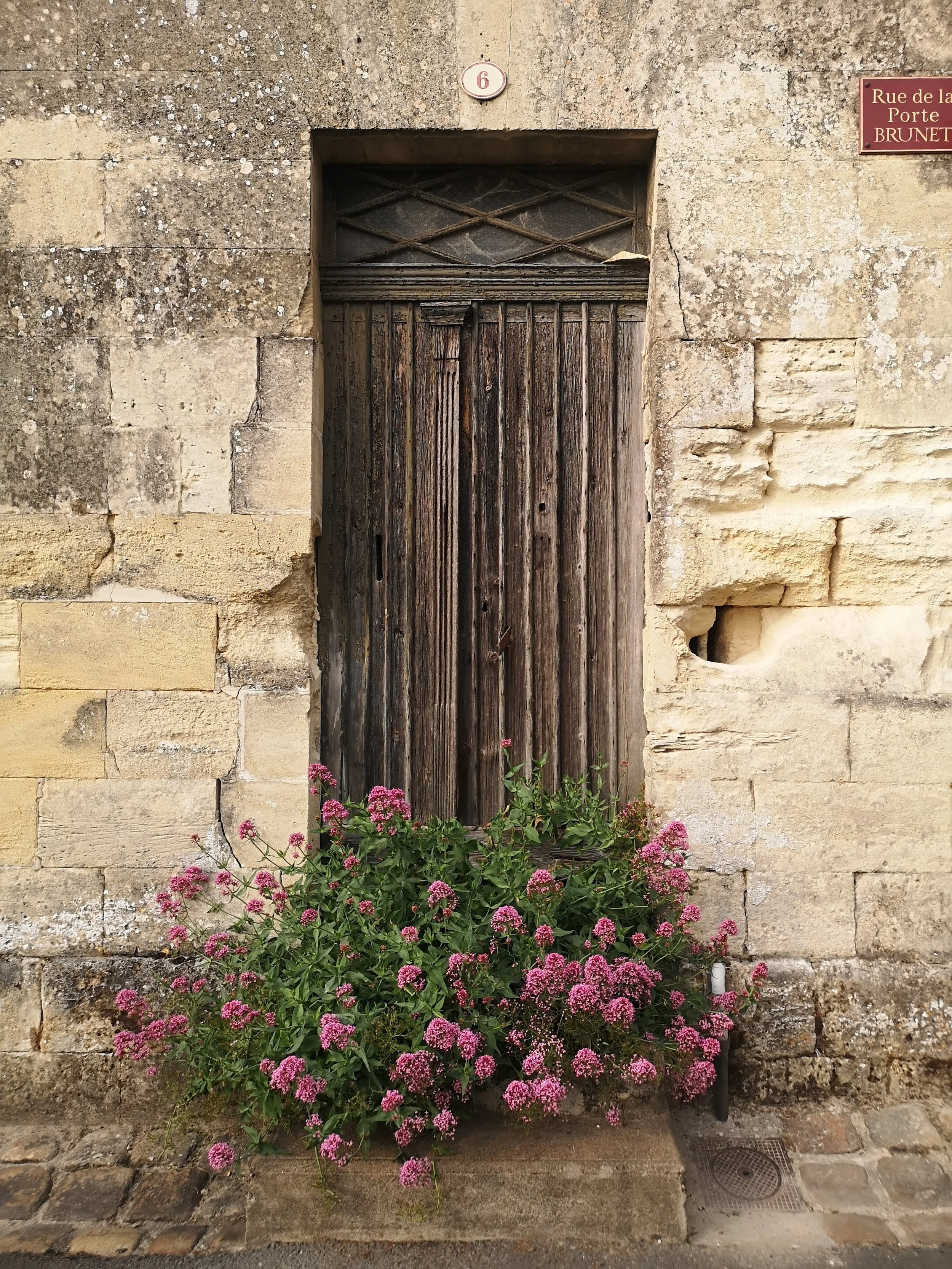
This wonderful door is on La Rue de Porte Brunet on Saint-Emilion, Aquitaine
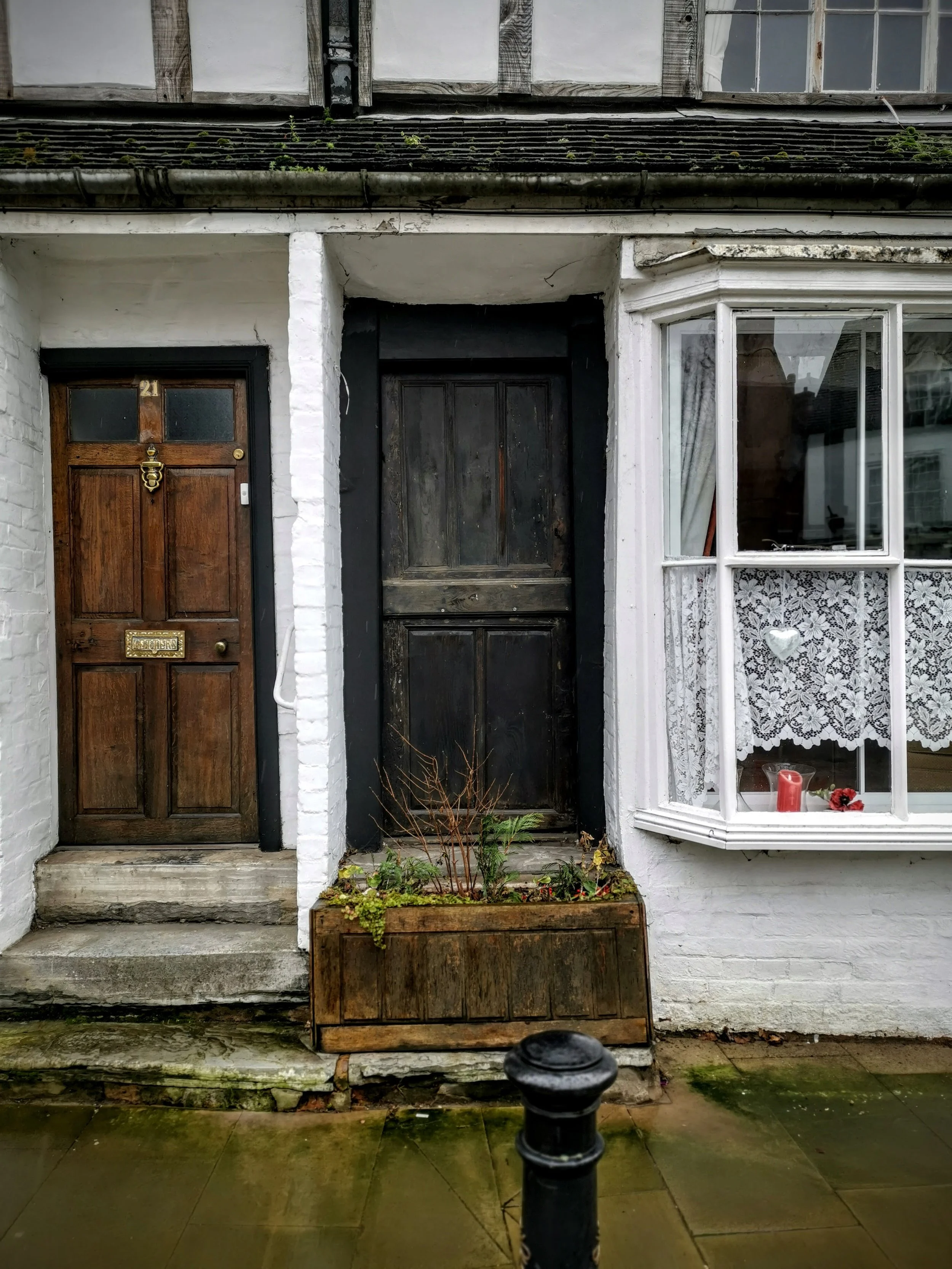
This was the old post office in Alcester
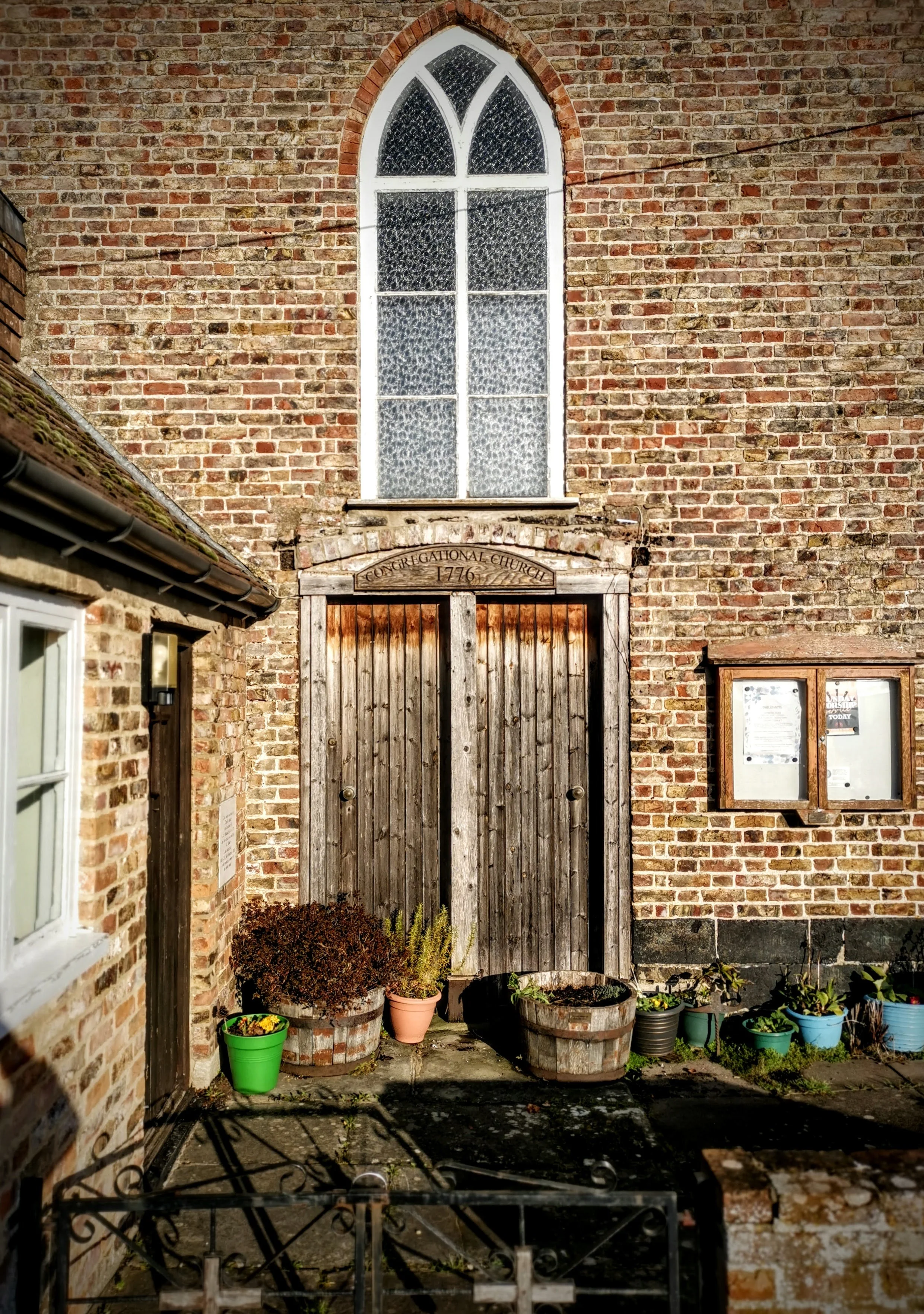
Twin doors to an old chapel in Frampton-on-Severn
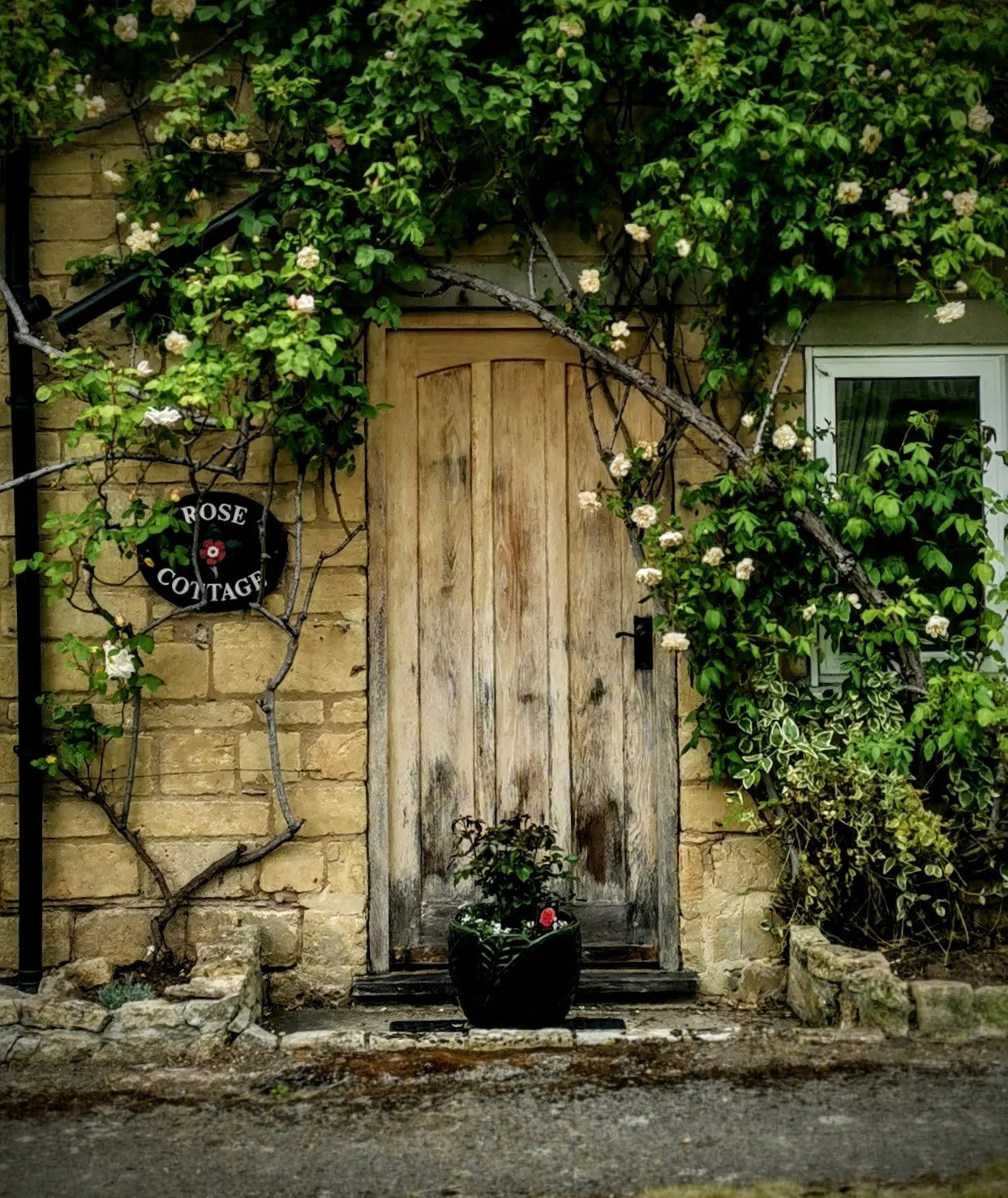
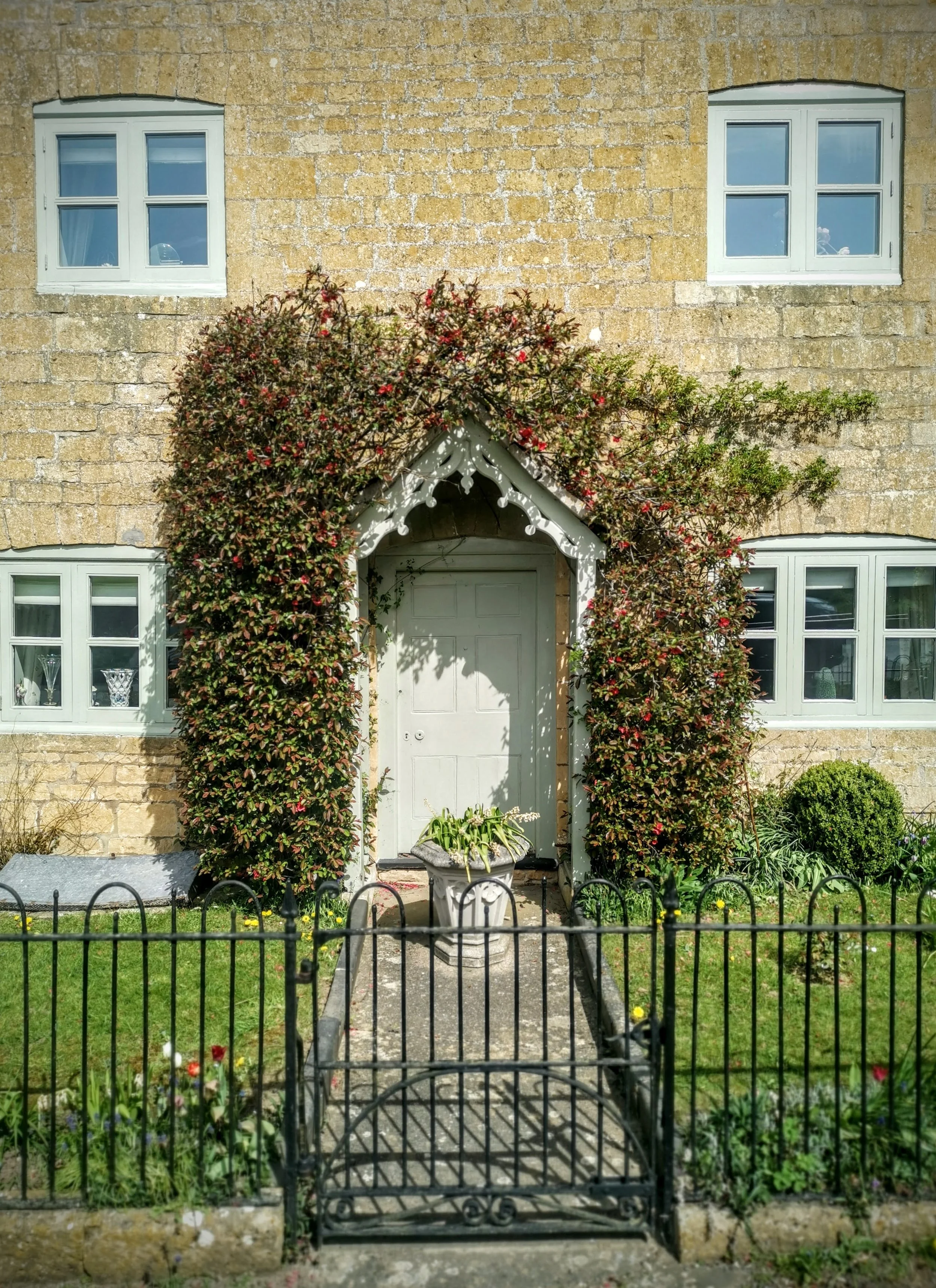
A definitive flower-pot door in Buckland in the Cotswolds
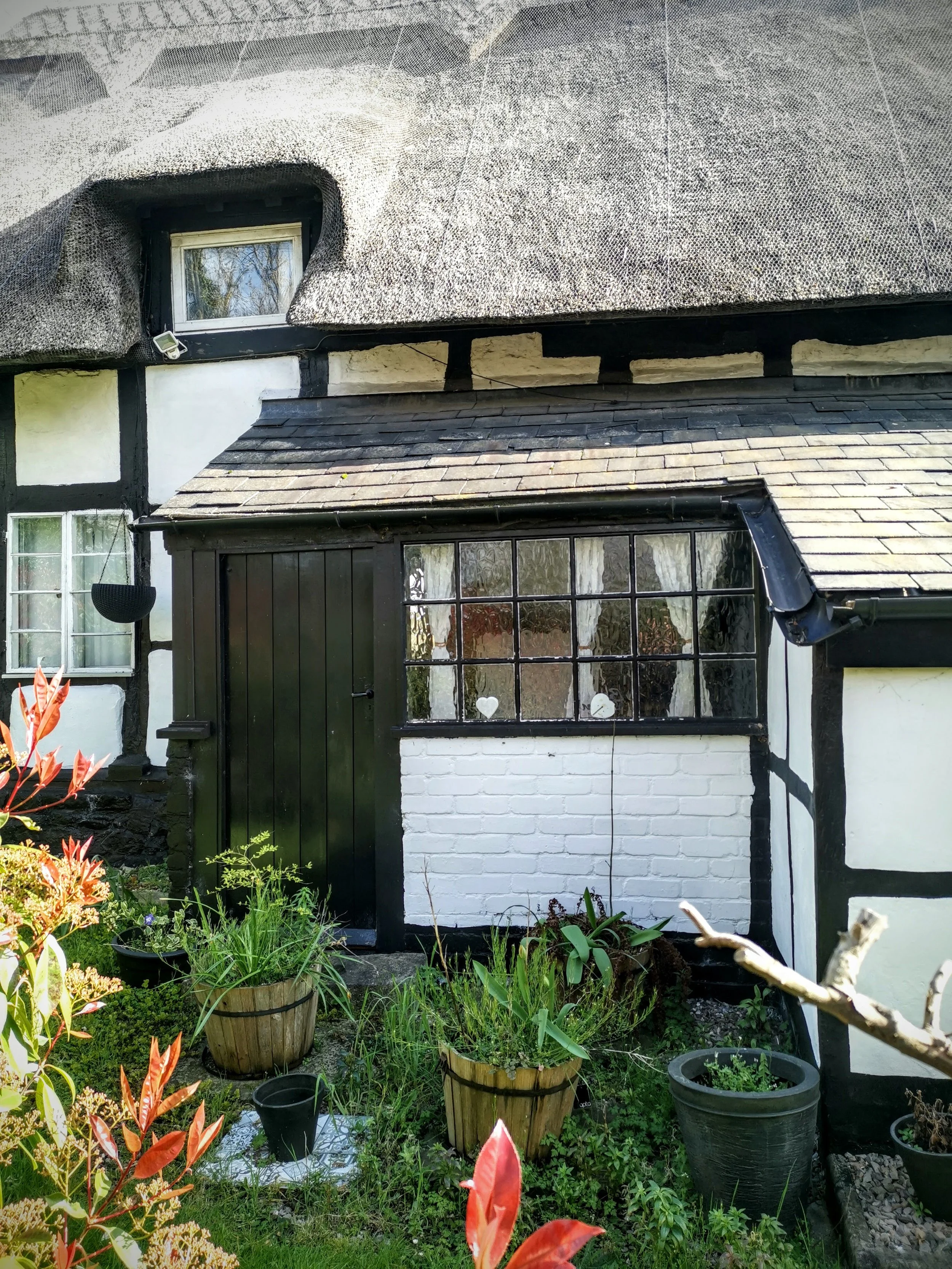
Found wandering around fields in Stoke-Orchard near Cheltenham
The pot just says 'thou shall not enter here'. Temple Guiting near Winchcombe in the Cotswolds
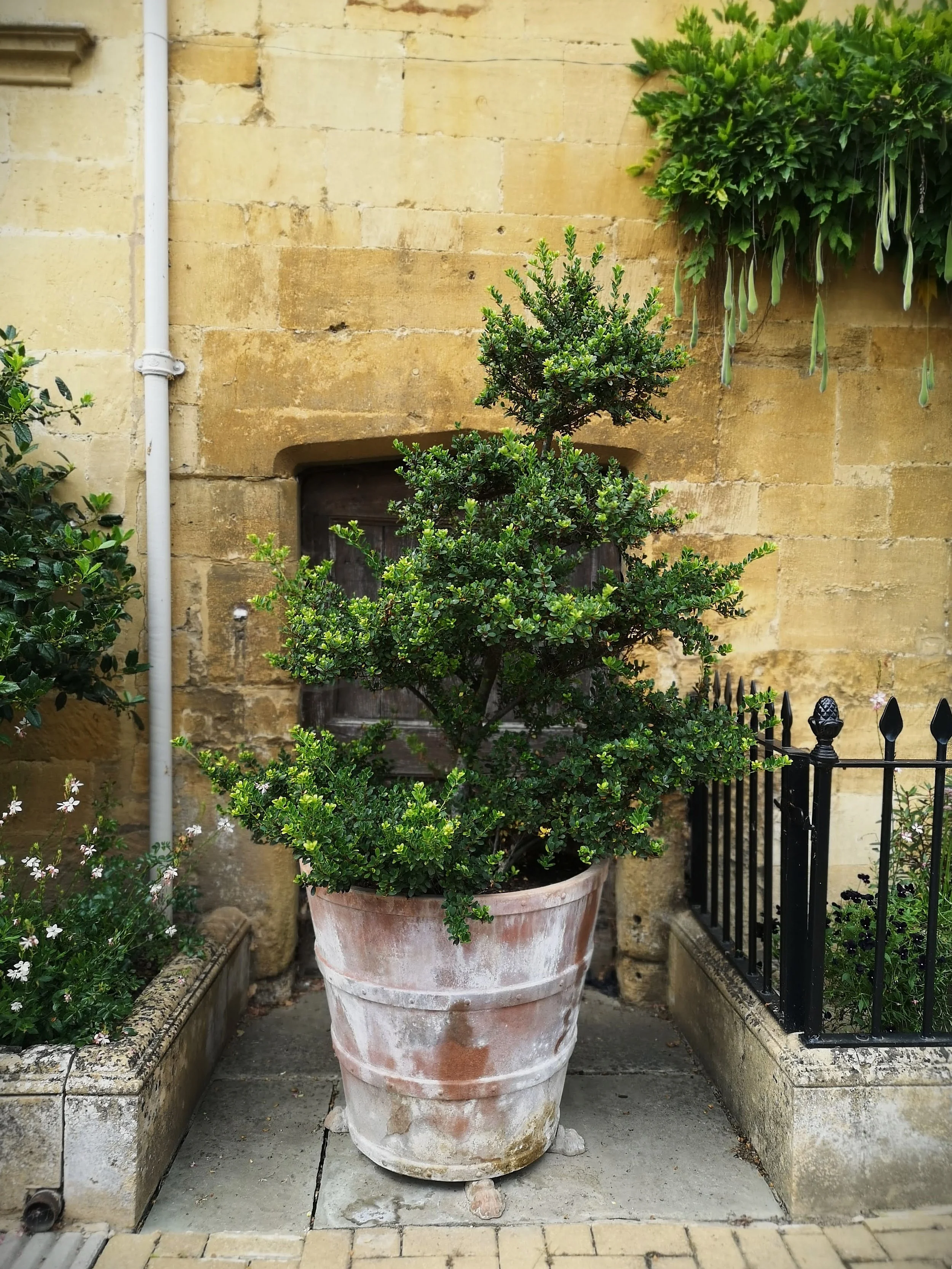
A favourite, this imposing plant and pot in front of a door in Chipping-Campden
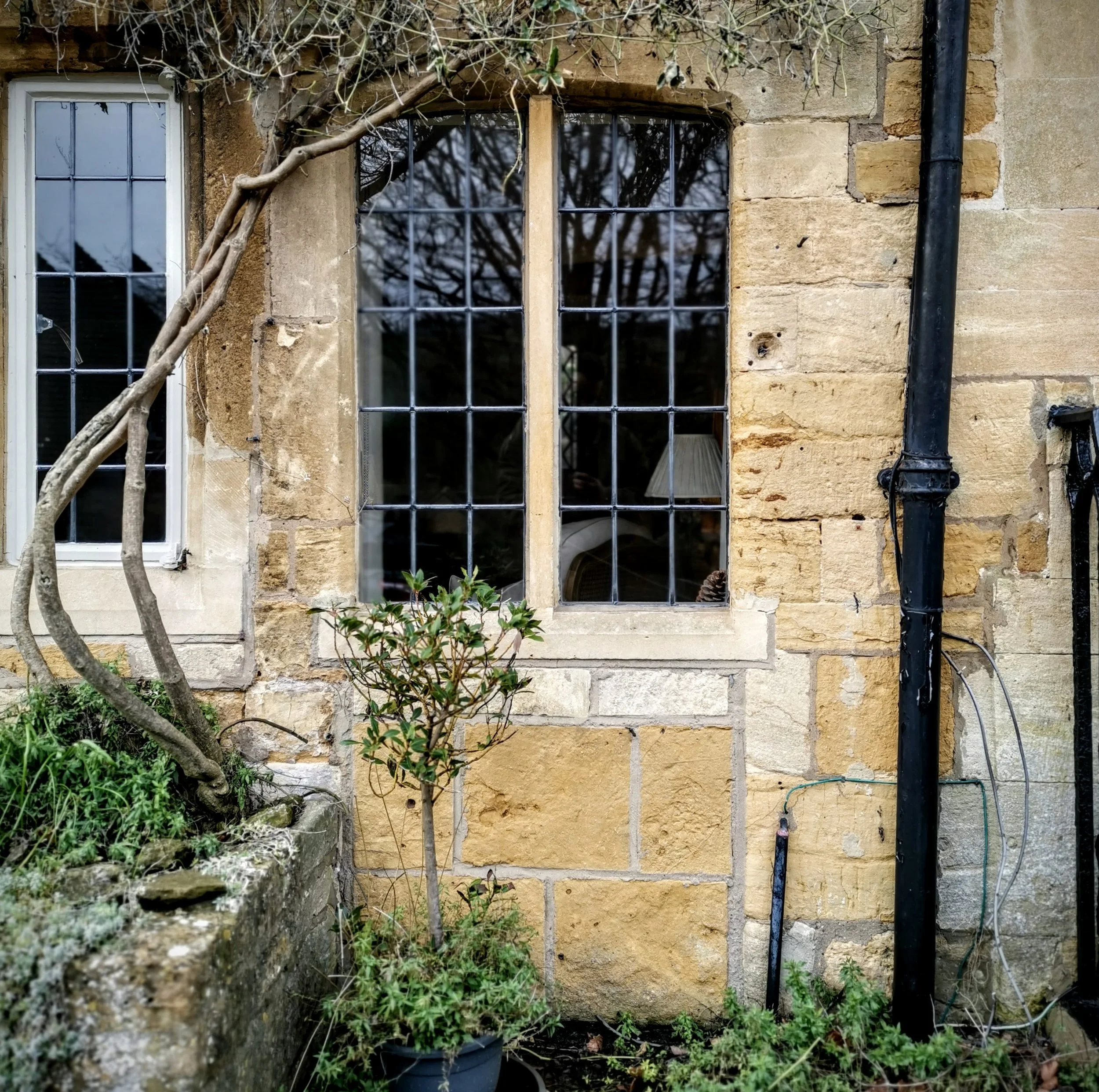
The ‘Windoors’
This one I will take no responsibility for, instead it was coined by a commentator on one of my posts a while ago. These are common and are simply an alternative to completely blocking a doorway with bricks, you put a window in as well. An elegant solution to a problem of removing a entrance to a building and replacing it with a portal for light and air.
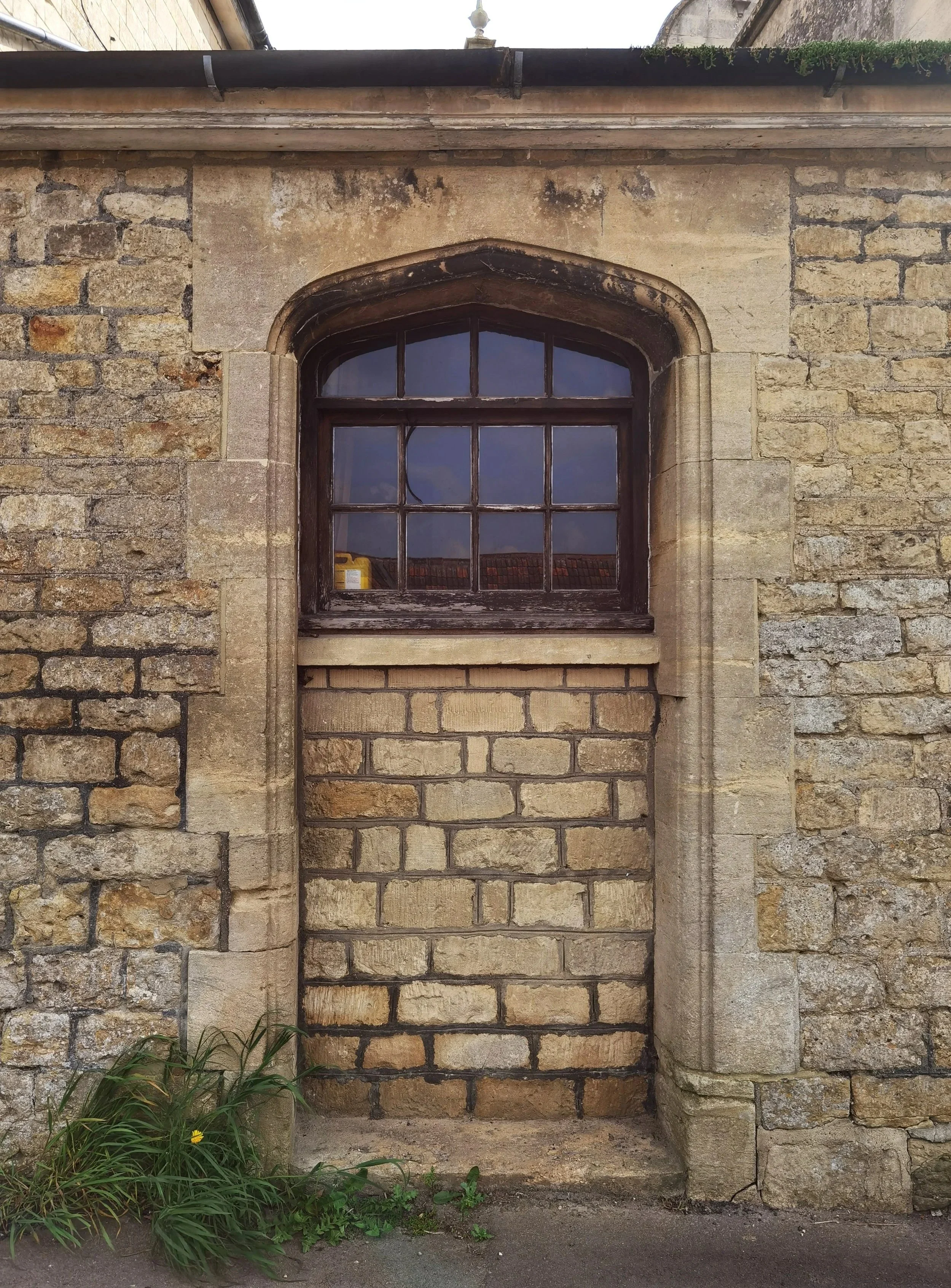
The definition of a windoor at Cleycourt Manor
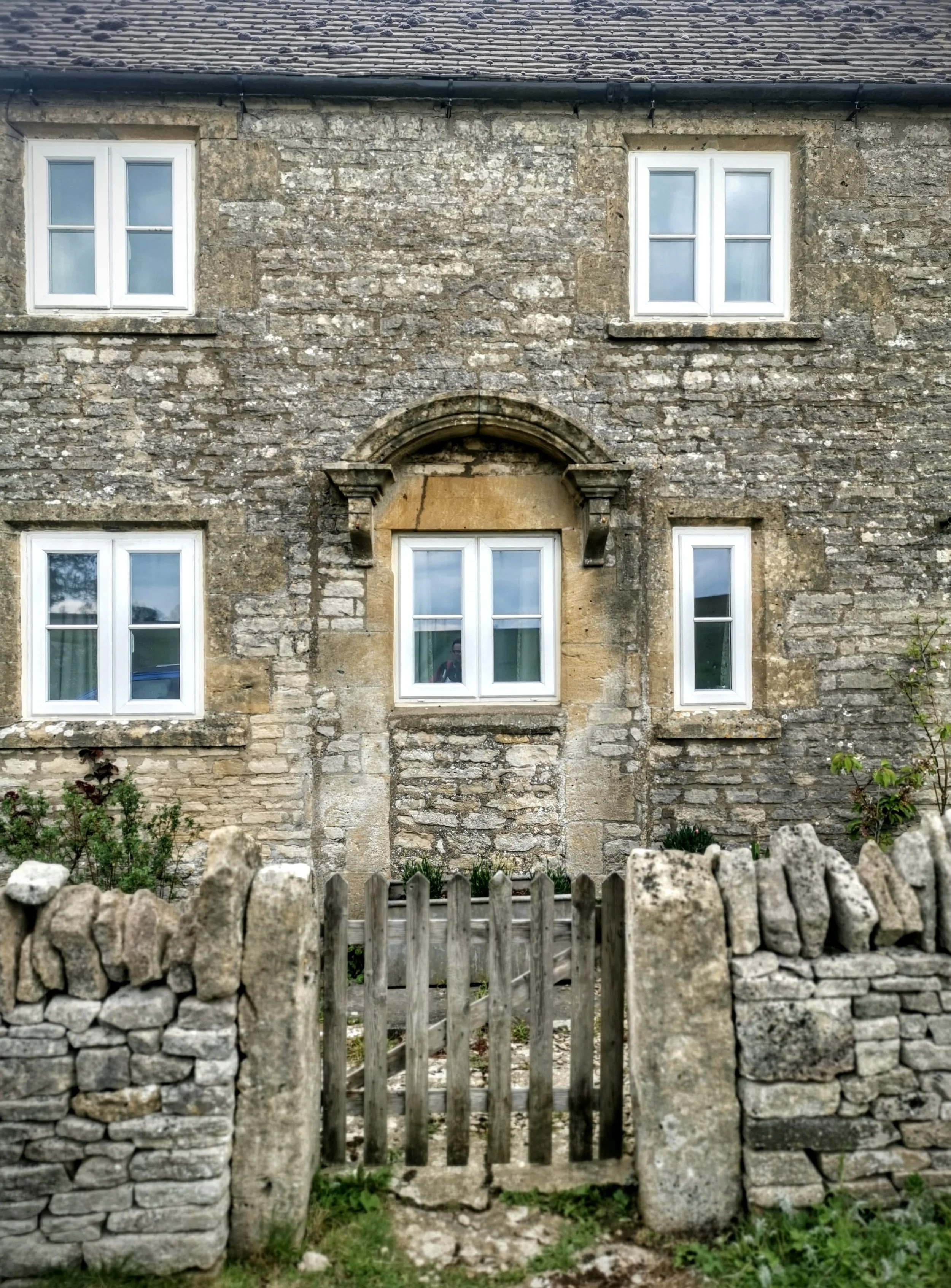
Lonely cottage above Charlton Abbots in the Cotswolds. Was two houses made into one
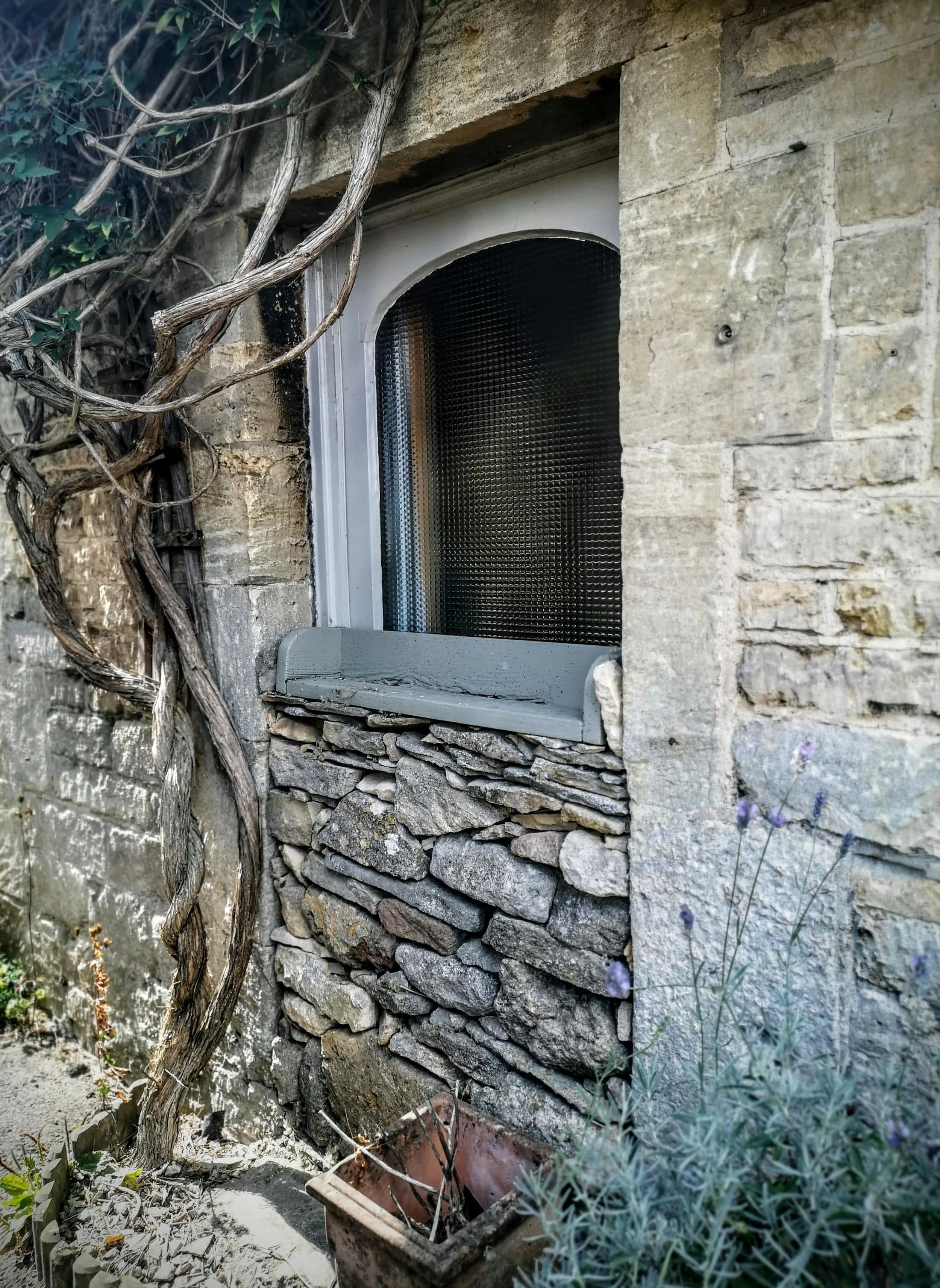
Found in a narrow passge between two buildings. The door is still there its top half uncovered, the bottom blocked by some dry stone walling. So very Cotswolds. Guiting Power
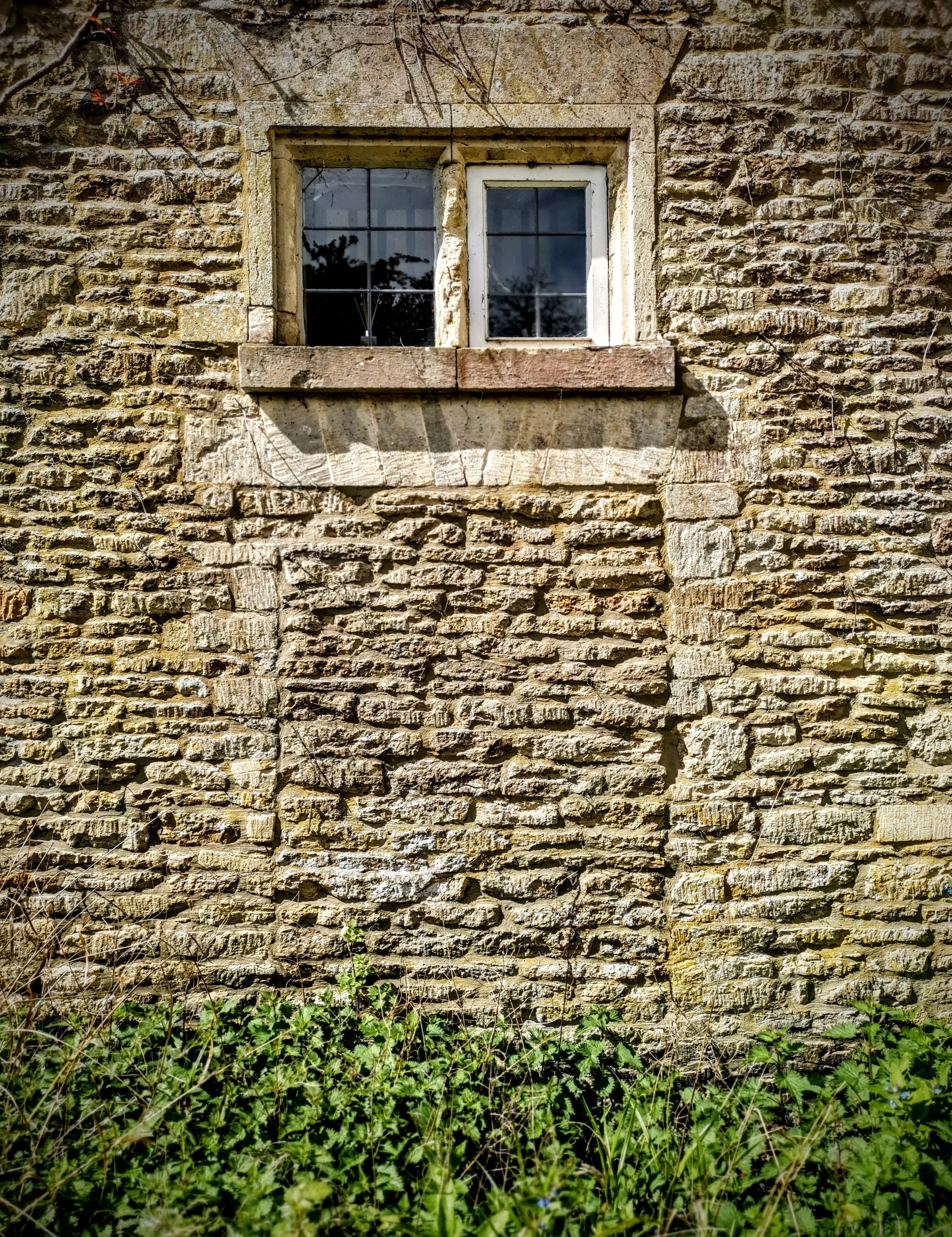
Once a door from the main house into the church yard at the Holy Rood Church in Ampney Crucis
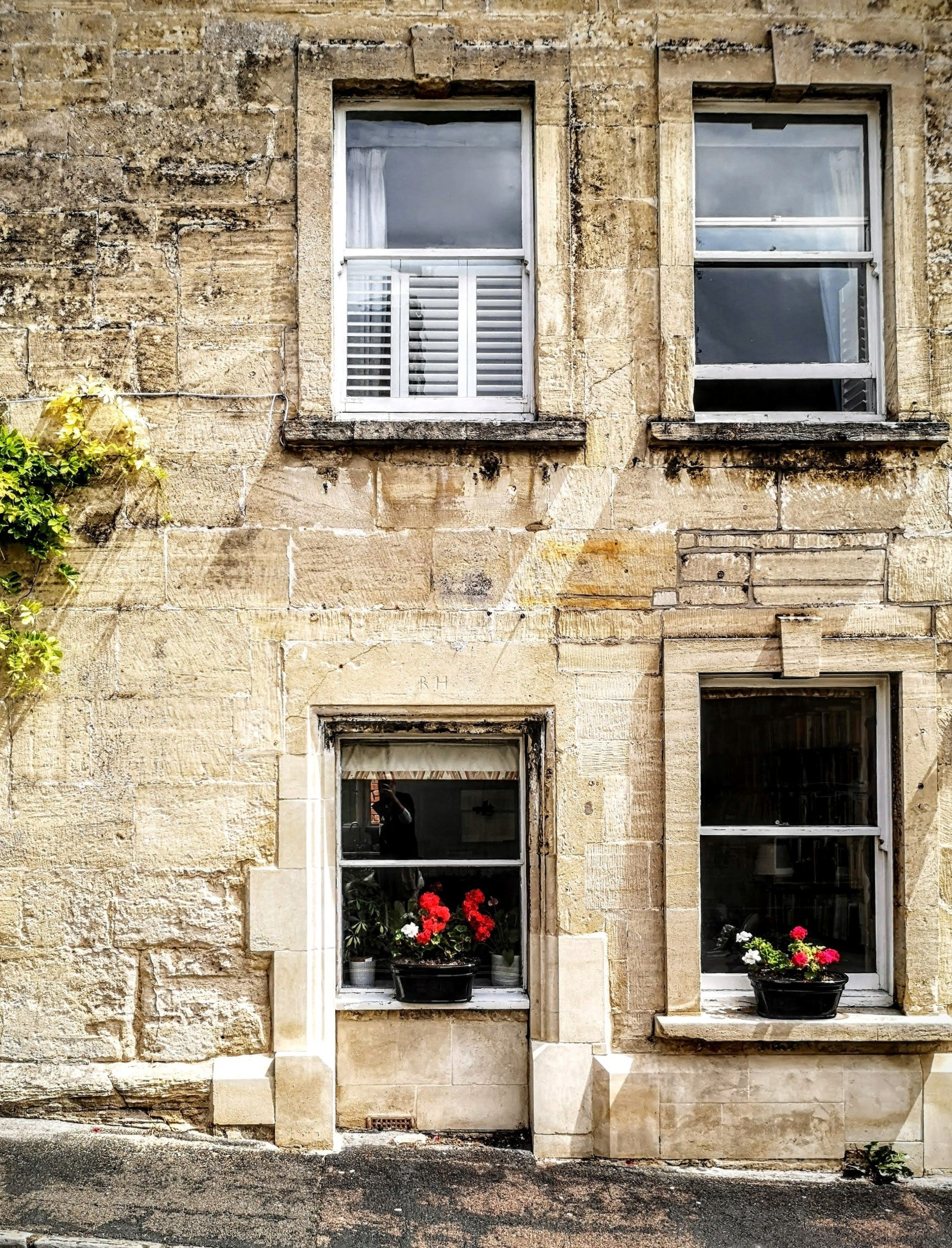
Elegantly done in Painswick
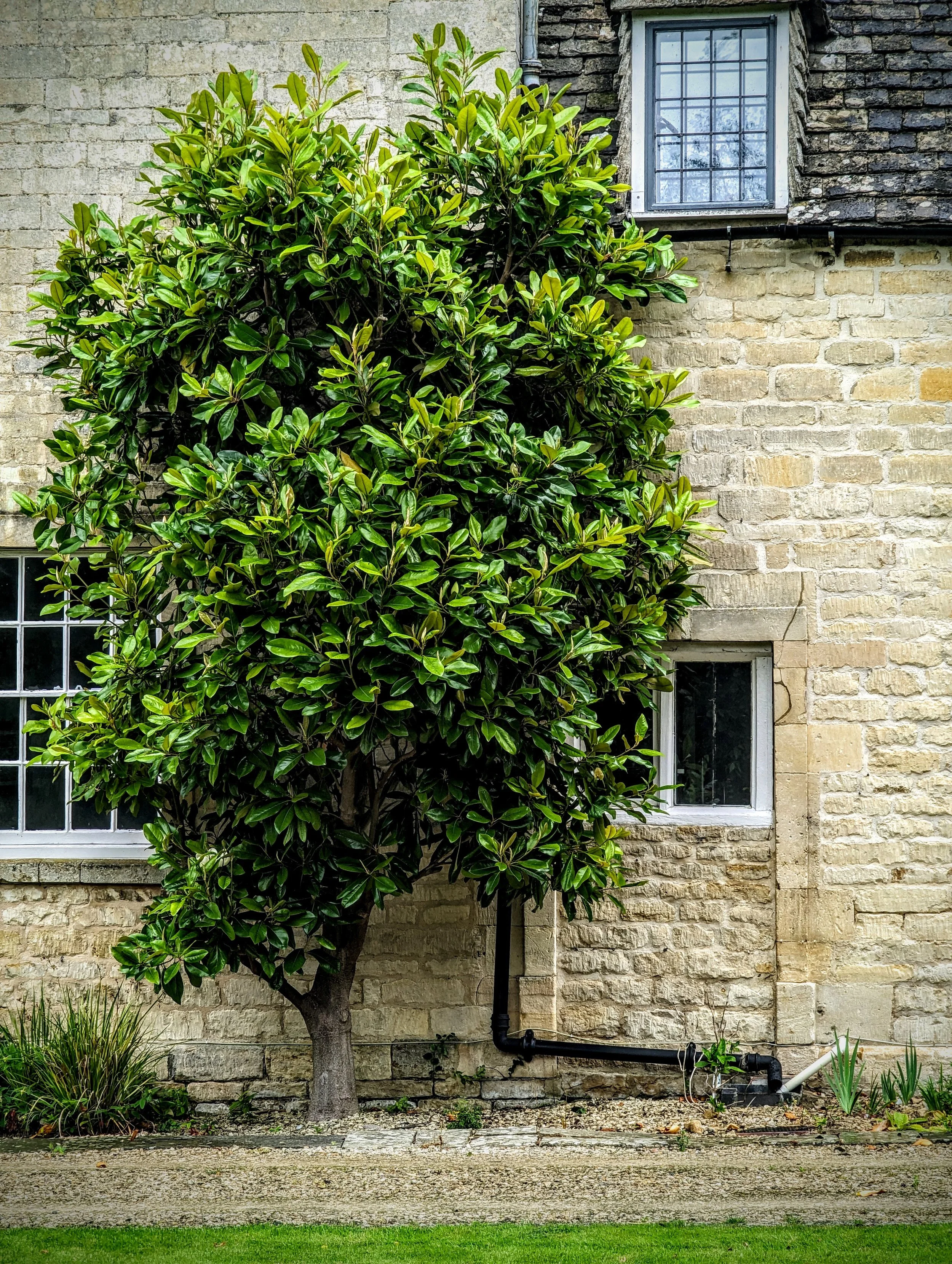
Peekaboo windoor in Gotherington, Gloucestershire
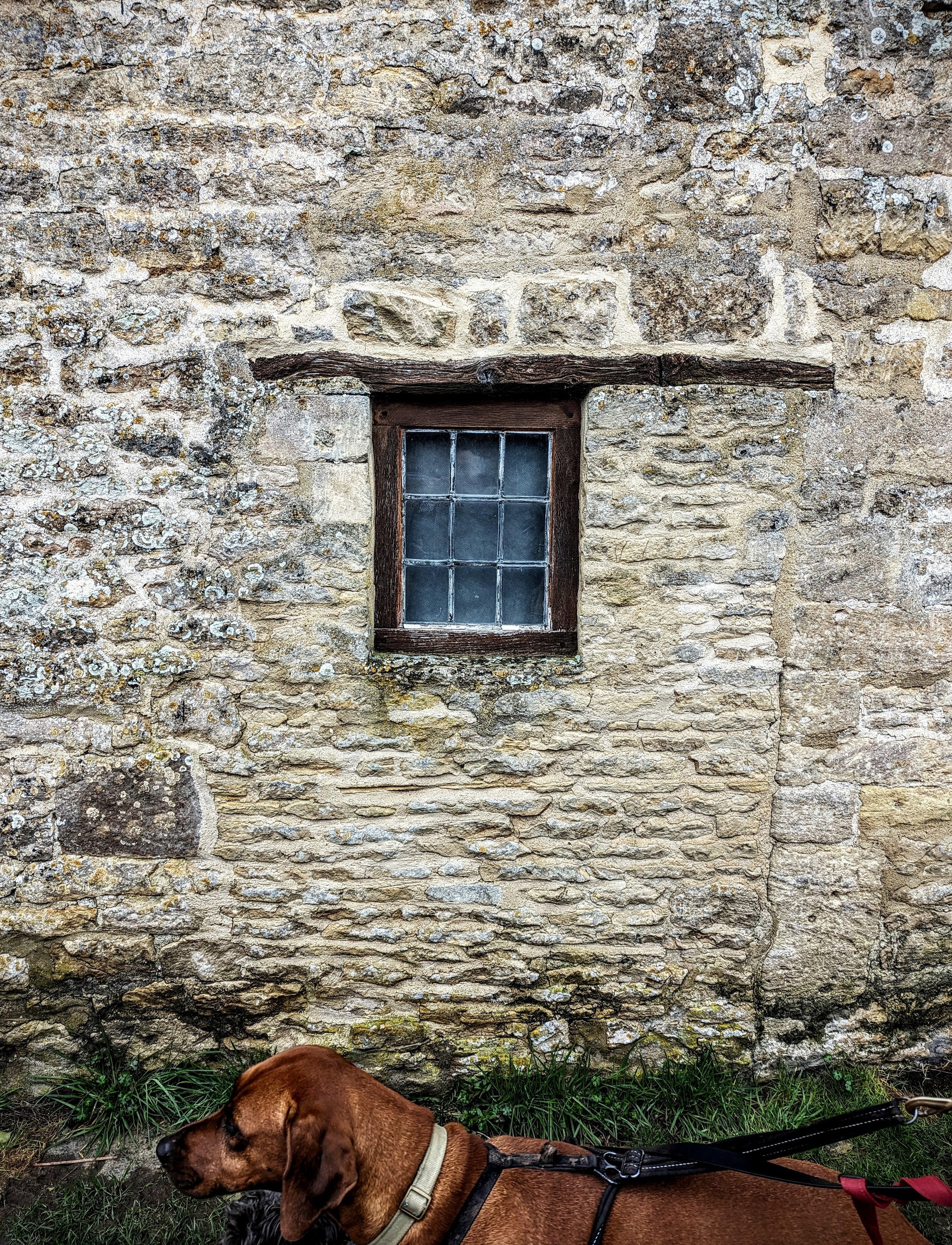
Bricked up entrance with door and dog in Bibury
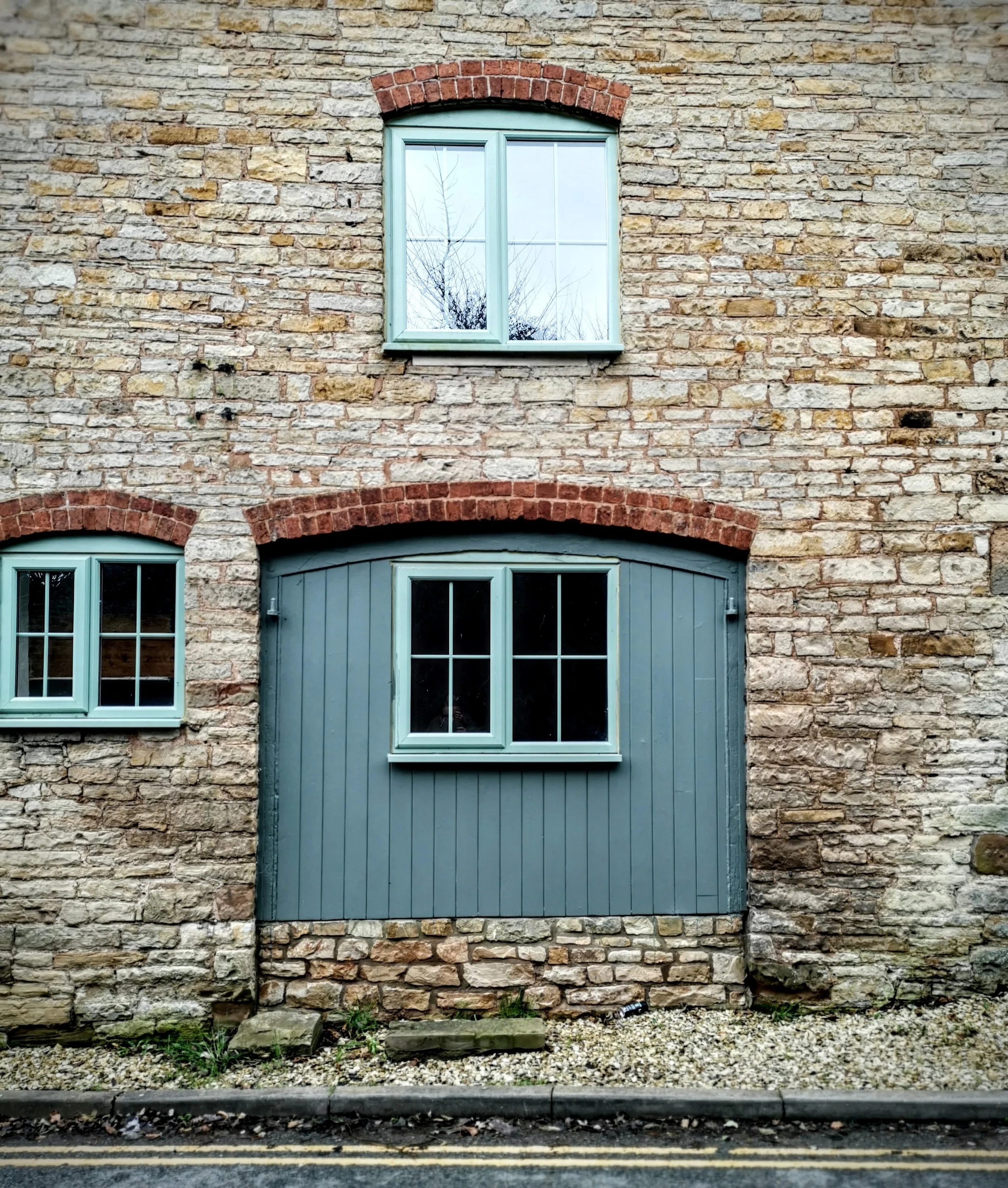
A different take: on coach house door converted to this. You can see the old hinges
Paint-Over and Doors Deleted
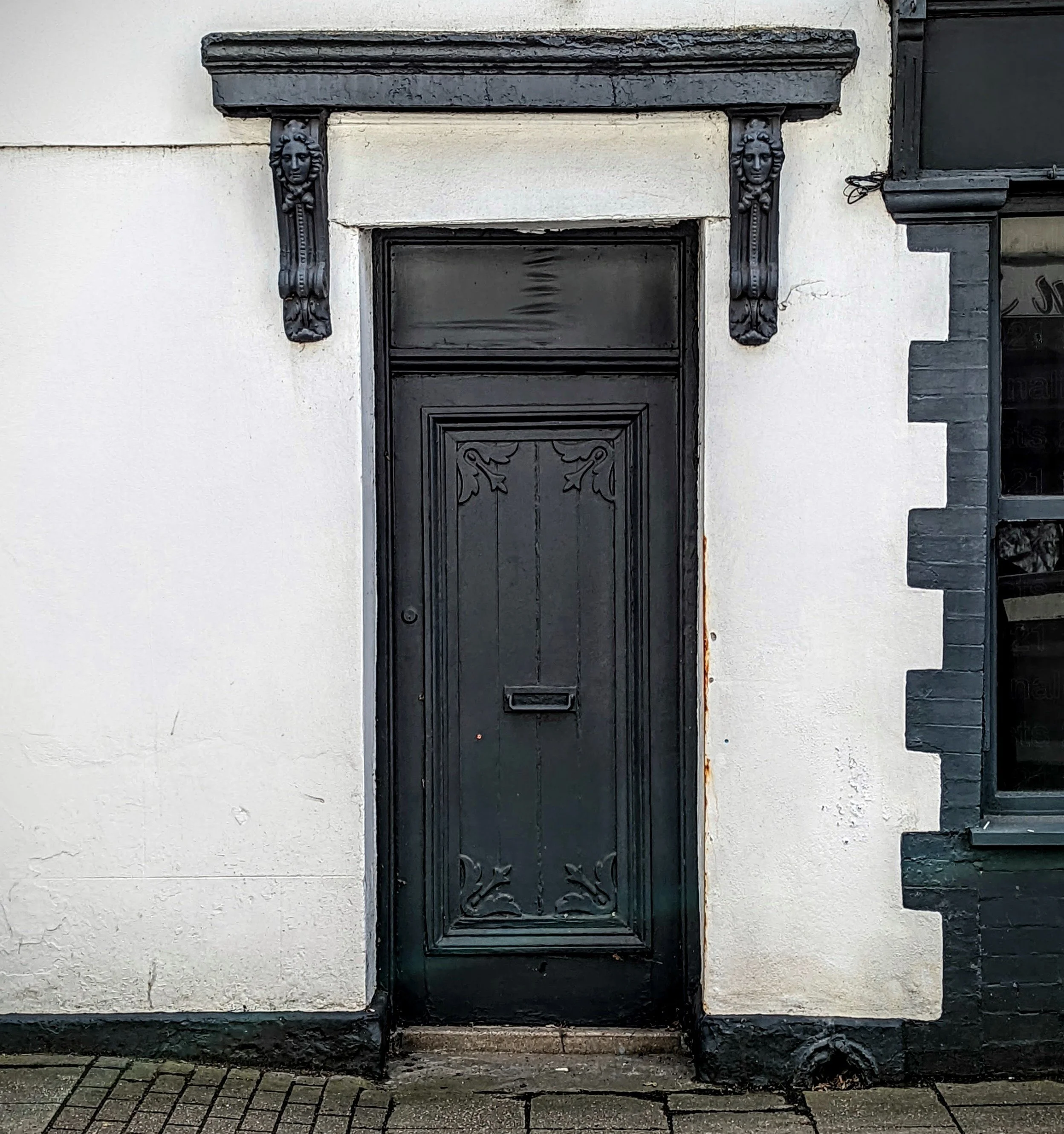
A more straight-forward and common manner to end a door’s function is to simply paint over the existing door: locks, handles, letterbox, everything, and use the paint’s properties to seal the door entirely: once dry nothing is opening it. It also must be one of the cheapest methods to block a door.
A deleted door is one where the door is left in situ but everything that makes it door is removed, so no handles or keyholes, let alone a letterbox. Or the door may be removed entirely and just replaced by a door-shaped piece of timber. You can see there was a door there once but its function has fundamentally changed.
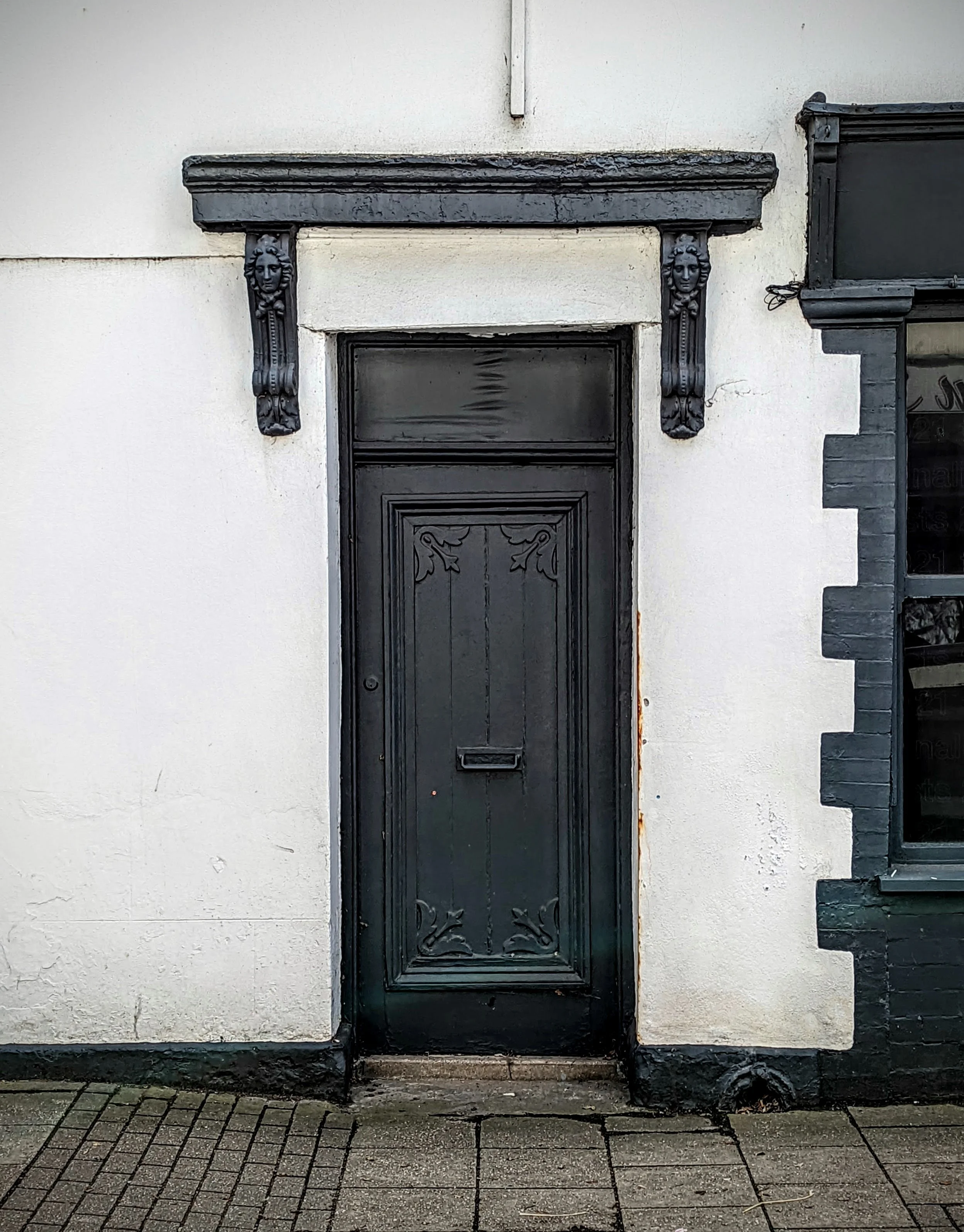
Lovely example of a paint-over, door features visible but everything covered in thick black paint. Caroleon, Wales
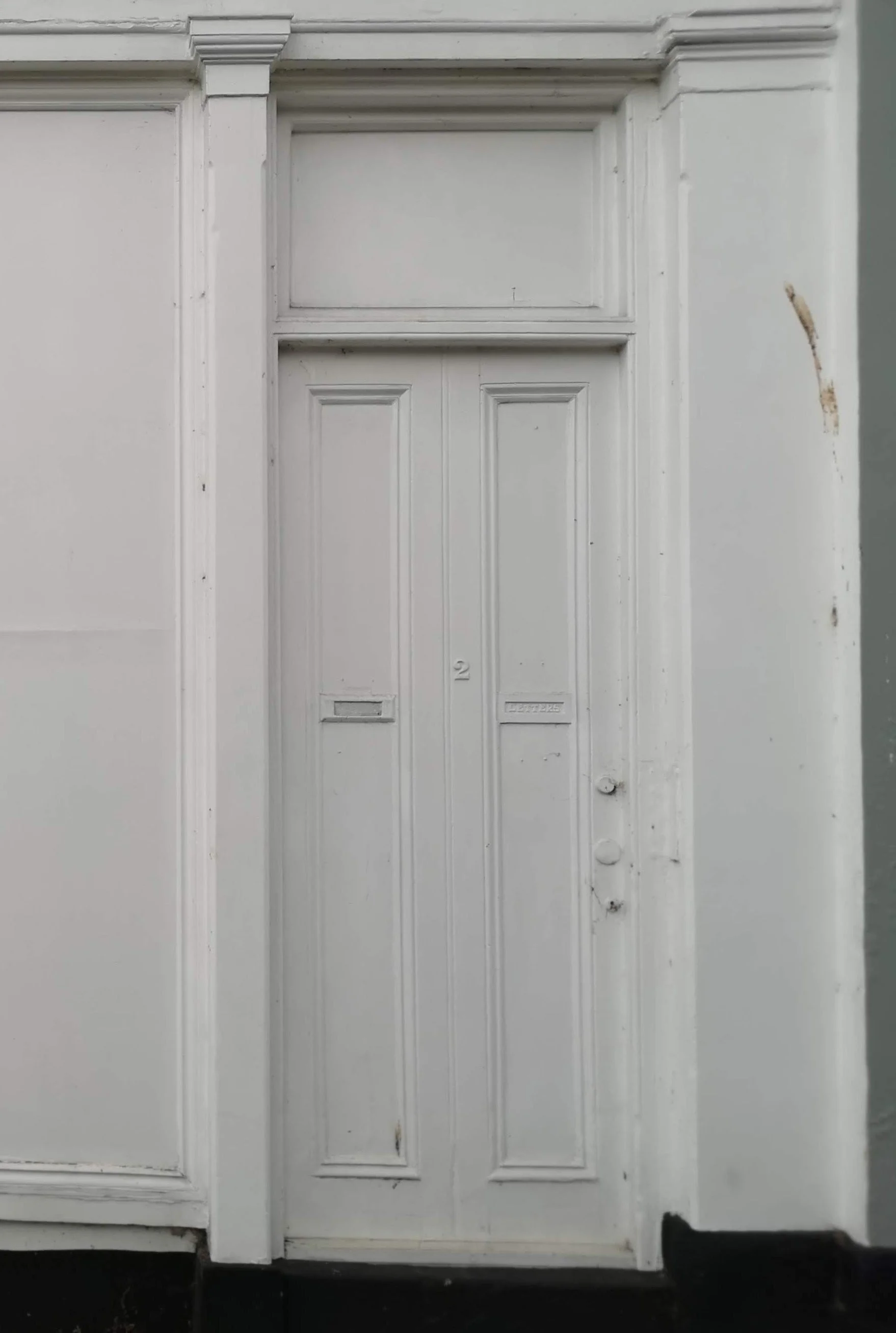
A really classic paint over, you can still even see the house number. Cheltenham
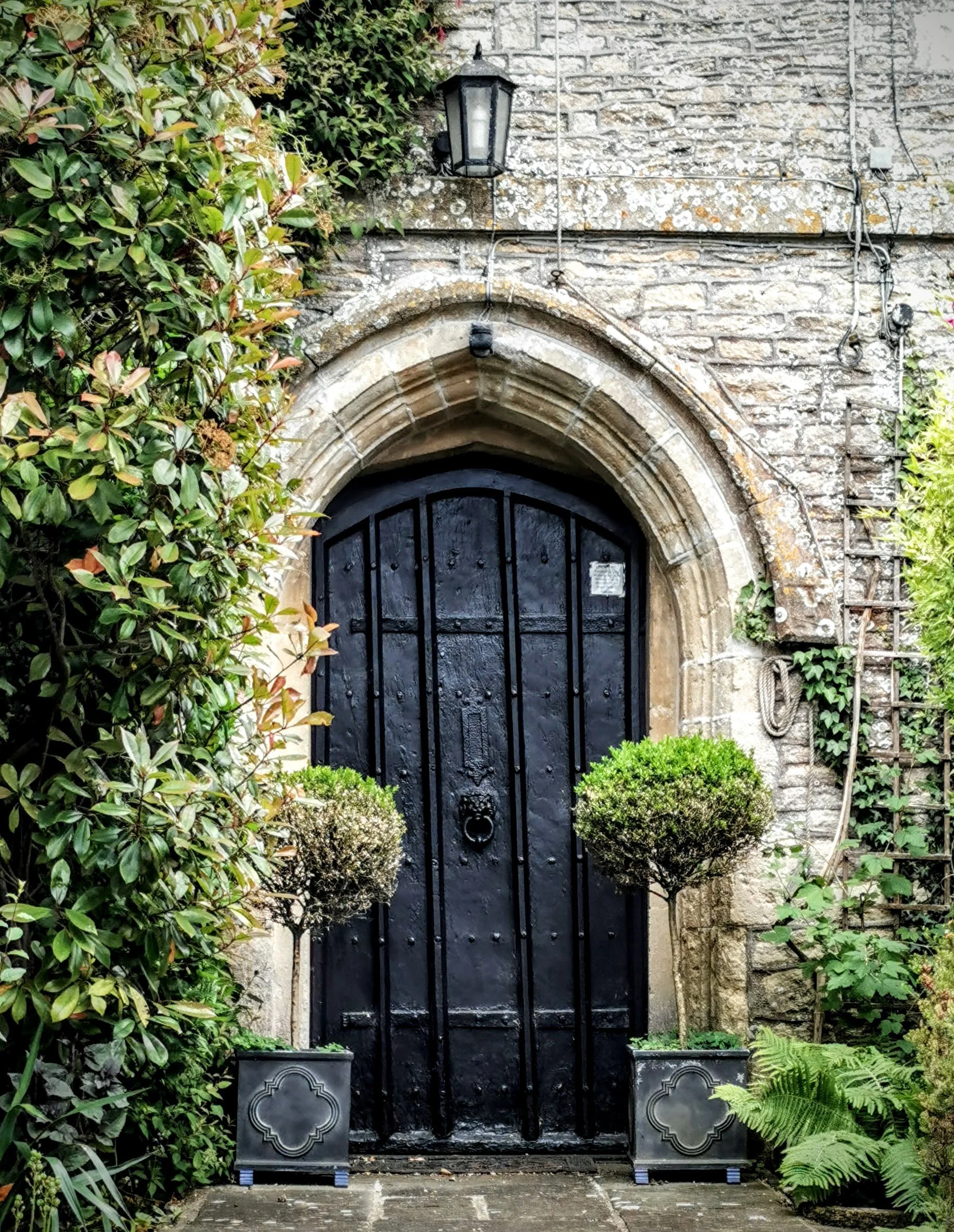
The old school house in Alderton. This is actually a bell tower: you can still see the rope to pull to ring the bell to summon the kids to school.
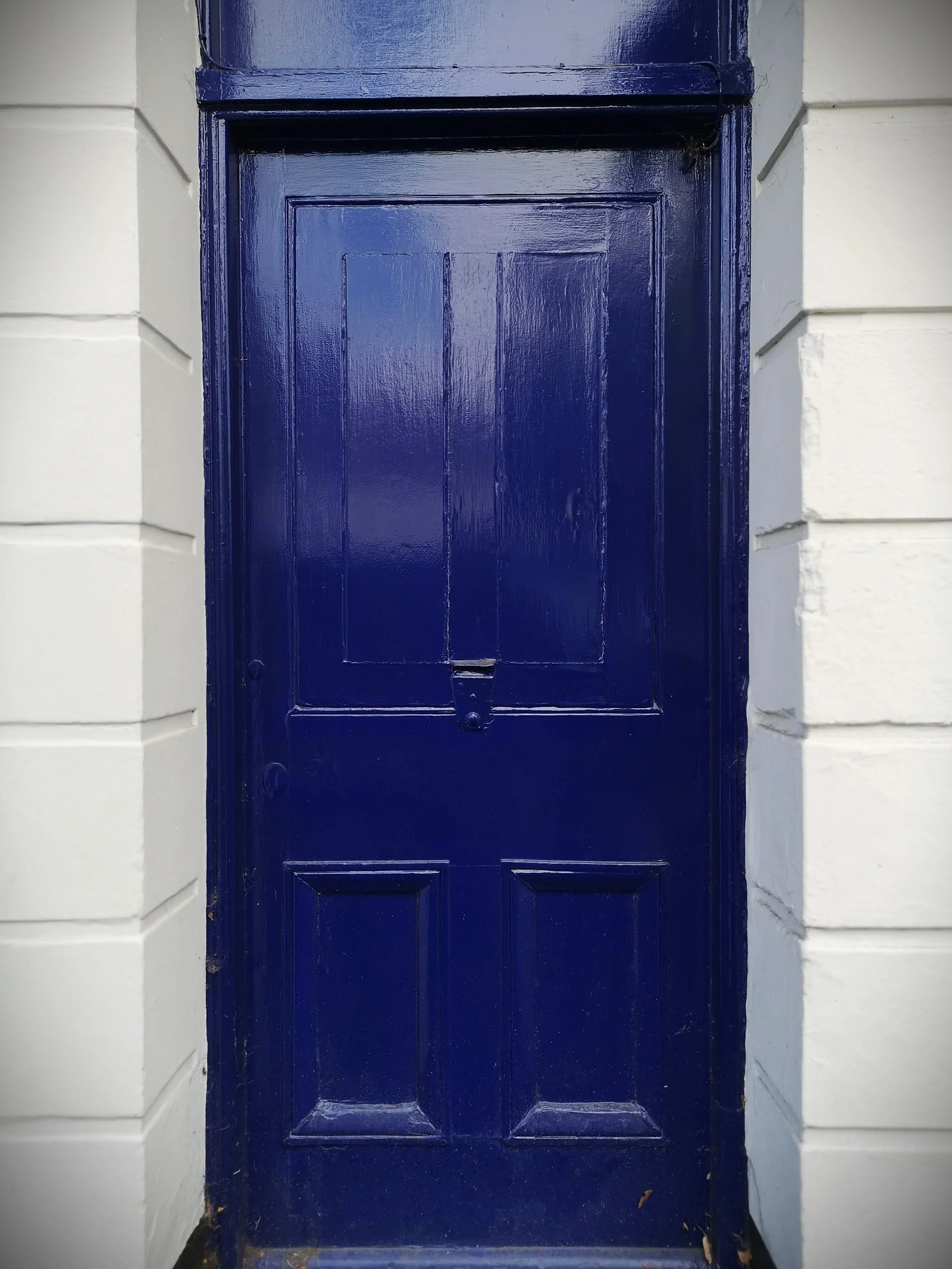
Once a door into the building that is now The Tivoli public house in Cheltenham
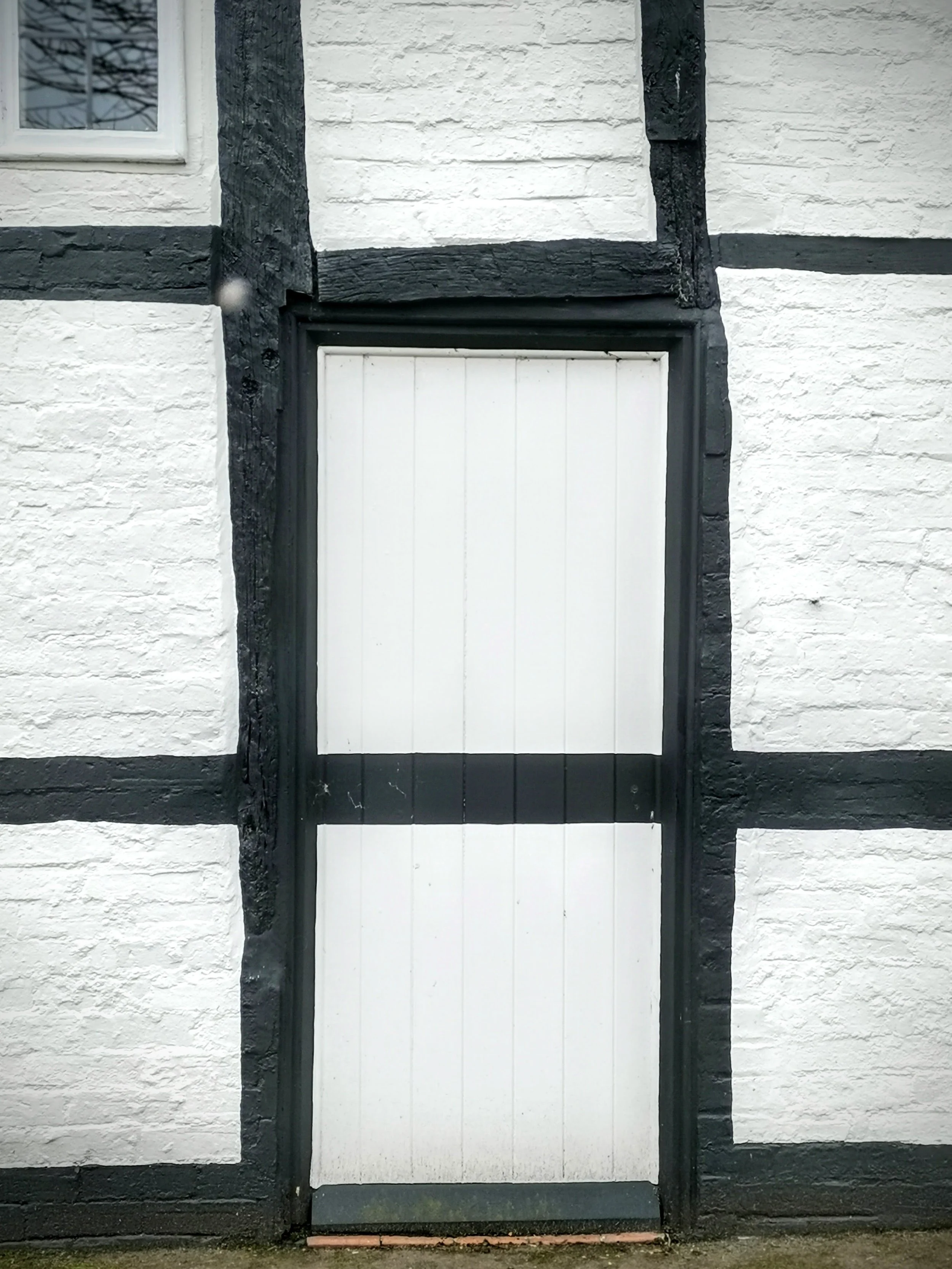
Featureless ex-door into a old Tudor building in Much Wenlock in Shropshire
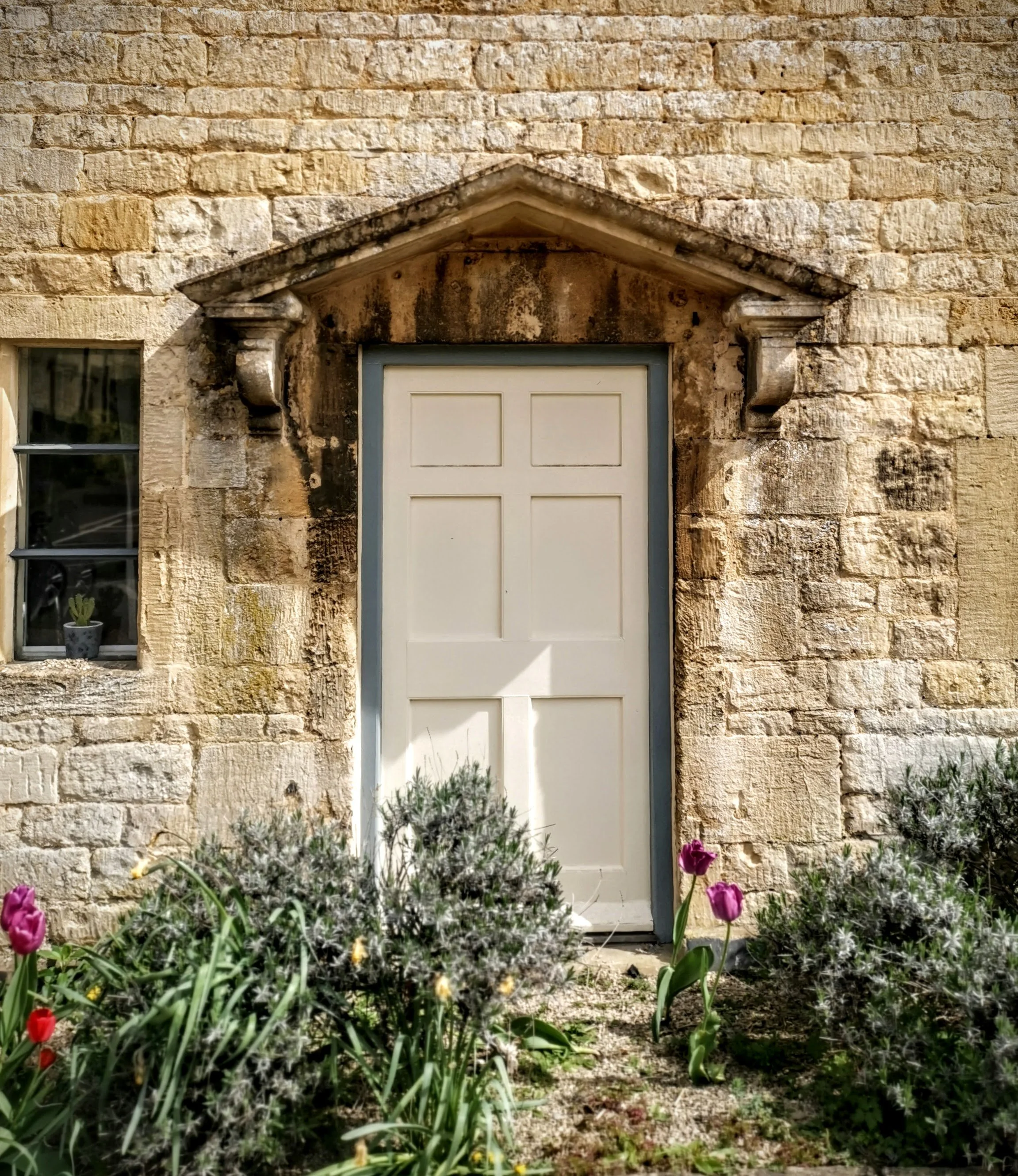
Very elegant deleted door found in Guiting Power in the Cotswolds
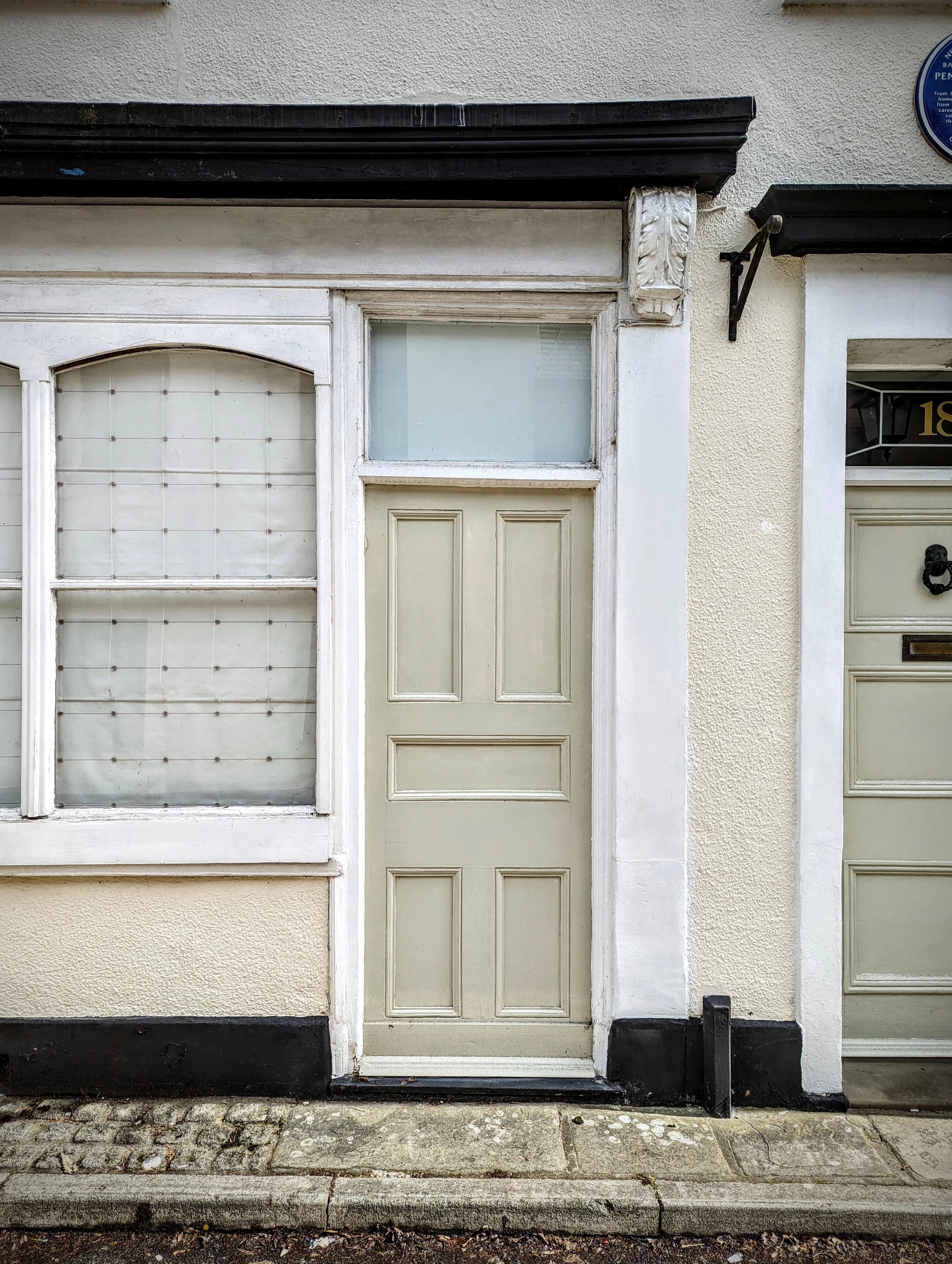
Looks like an old shop front. Carleon, Wales
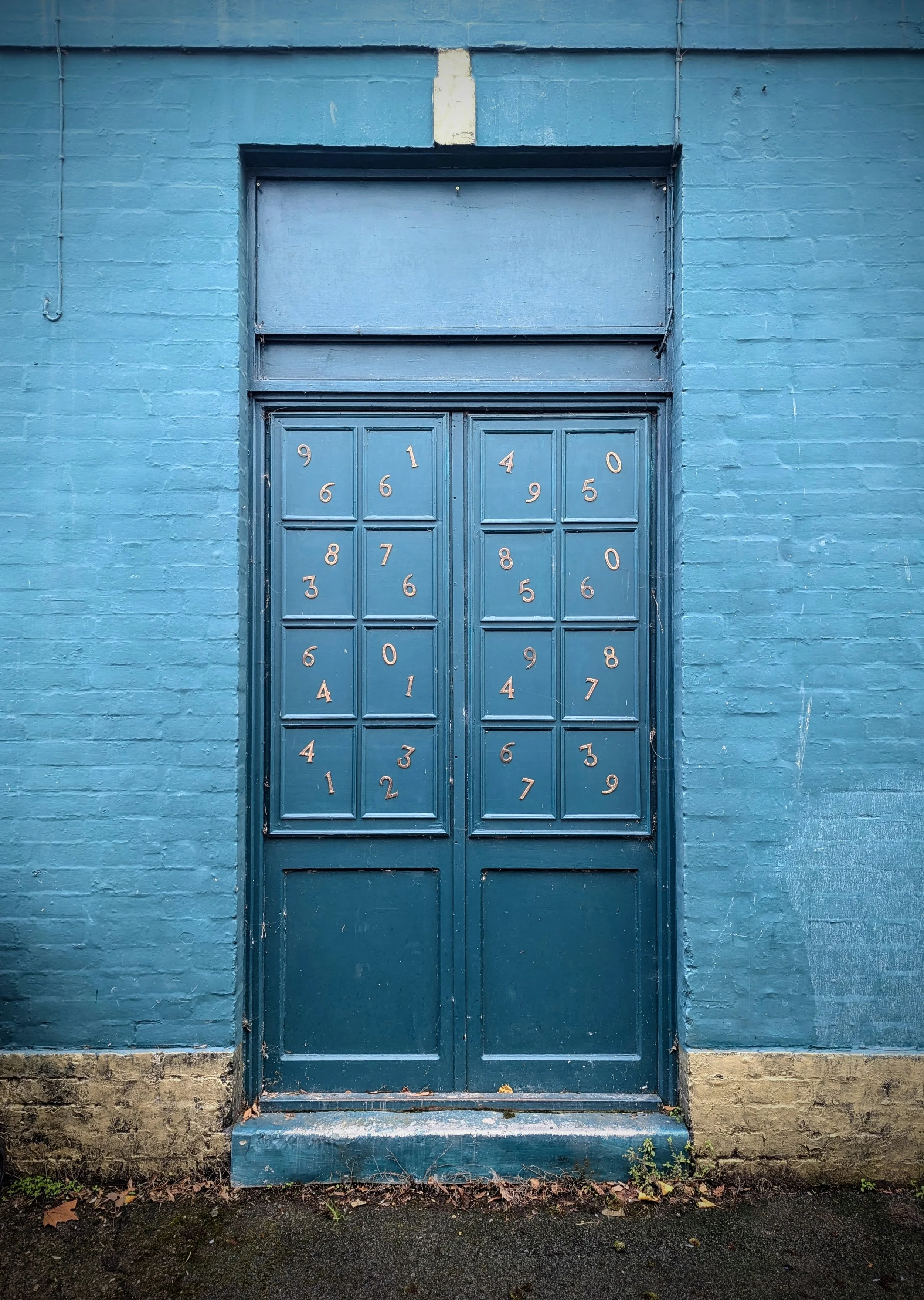
This was a back door to a nightclub in Cheltenham
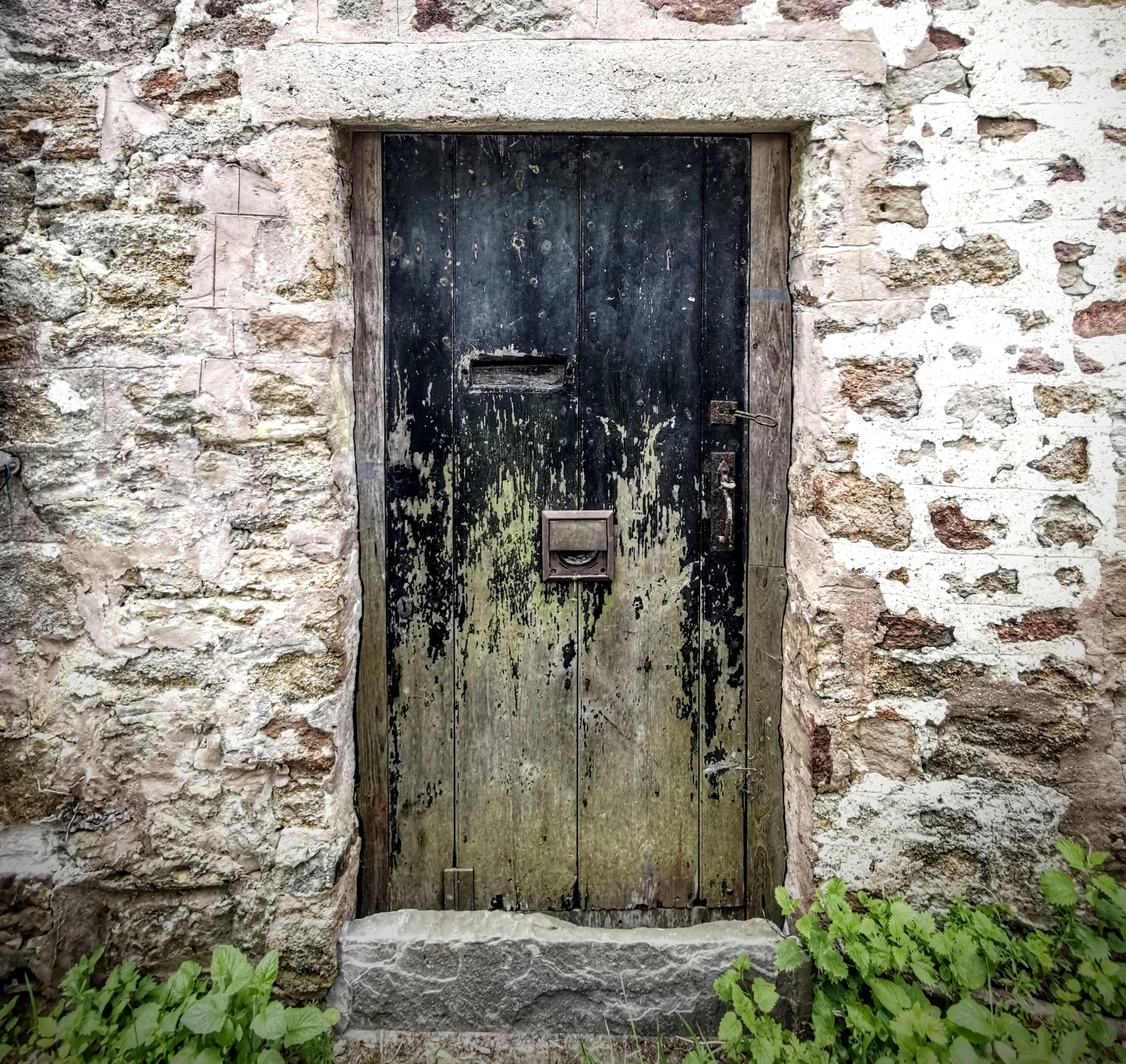
Forgotten Doors
Of course the easiest way to unuse a door is to simply lock it up and leave, just walk away. It is not as a secure as to brick it up but they still will make an effective barrier, at least until they rot and fall apart. These are some of the most atmospheric of doors, charting abandonment and slow decay.
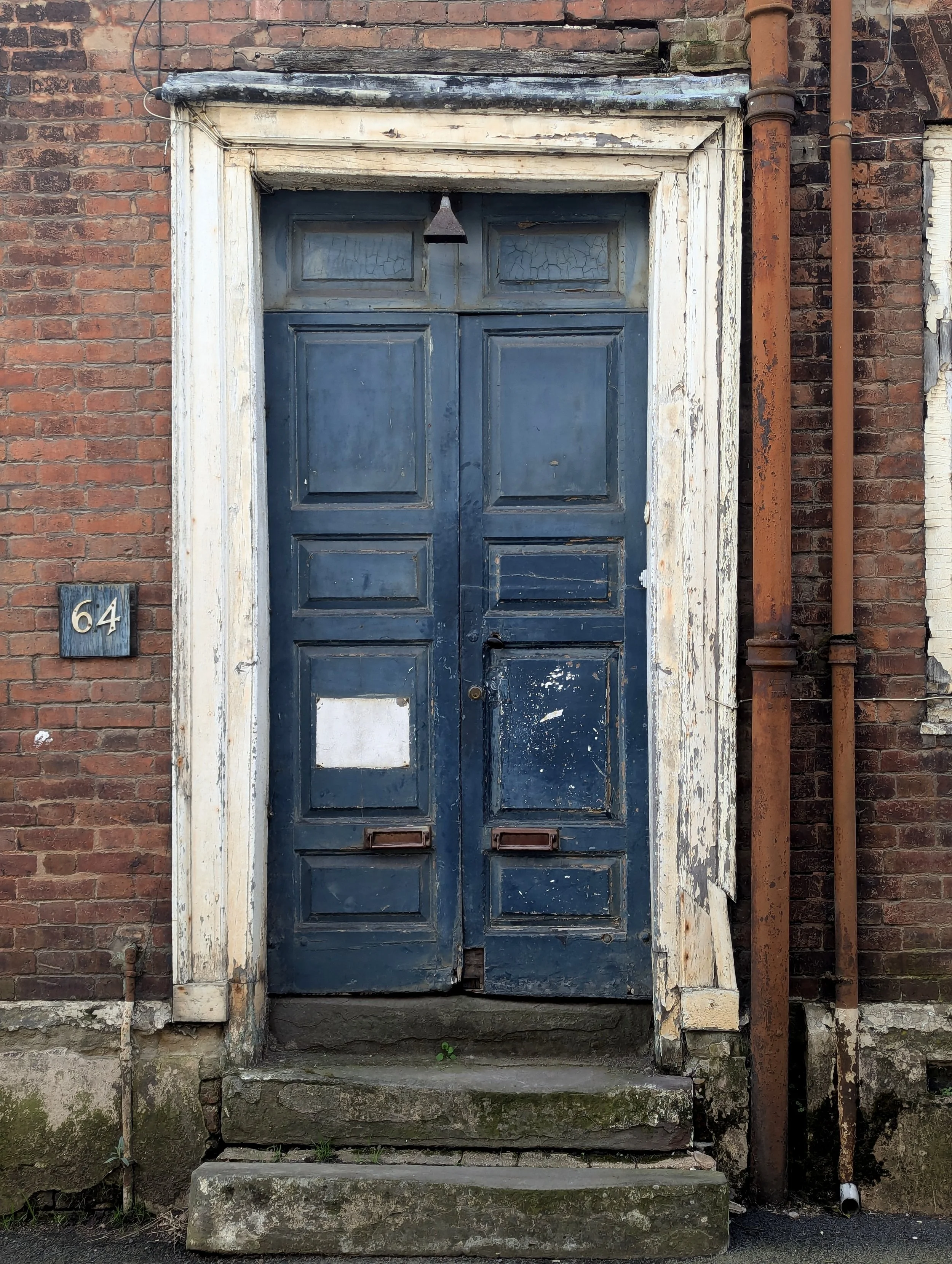
This door is still standing and carries a quiet elegance with it. Bewdley
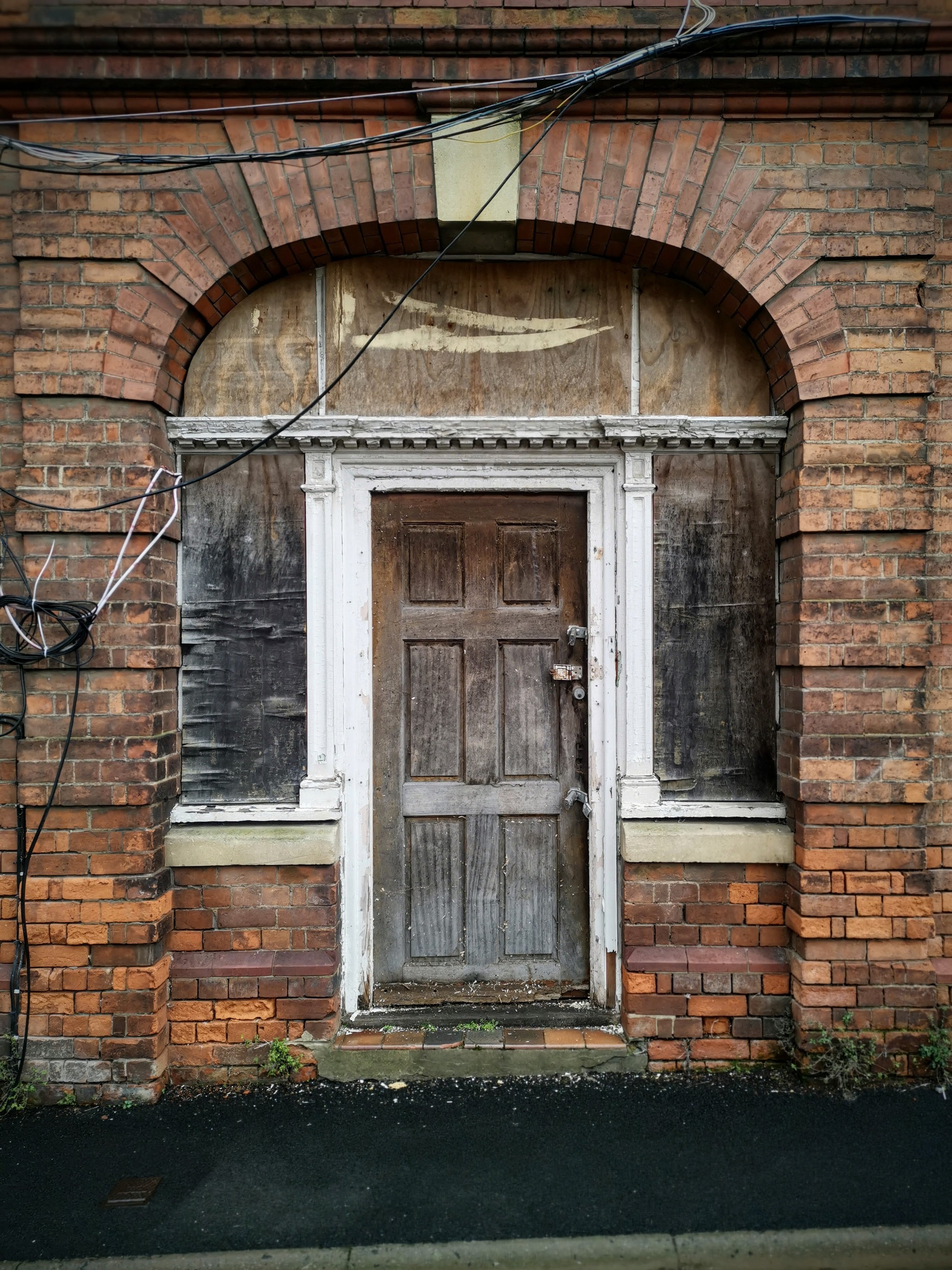
A portal to a forgotten world, Tewkesbury
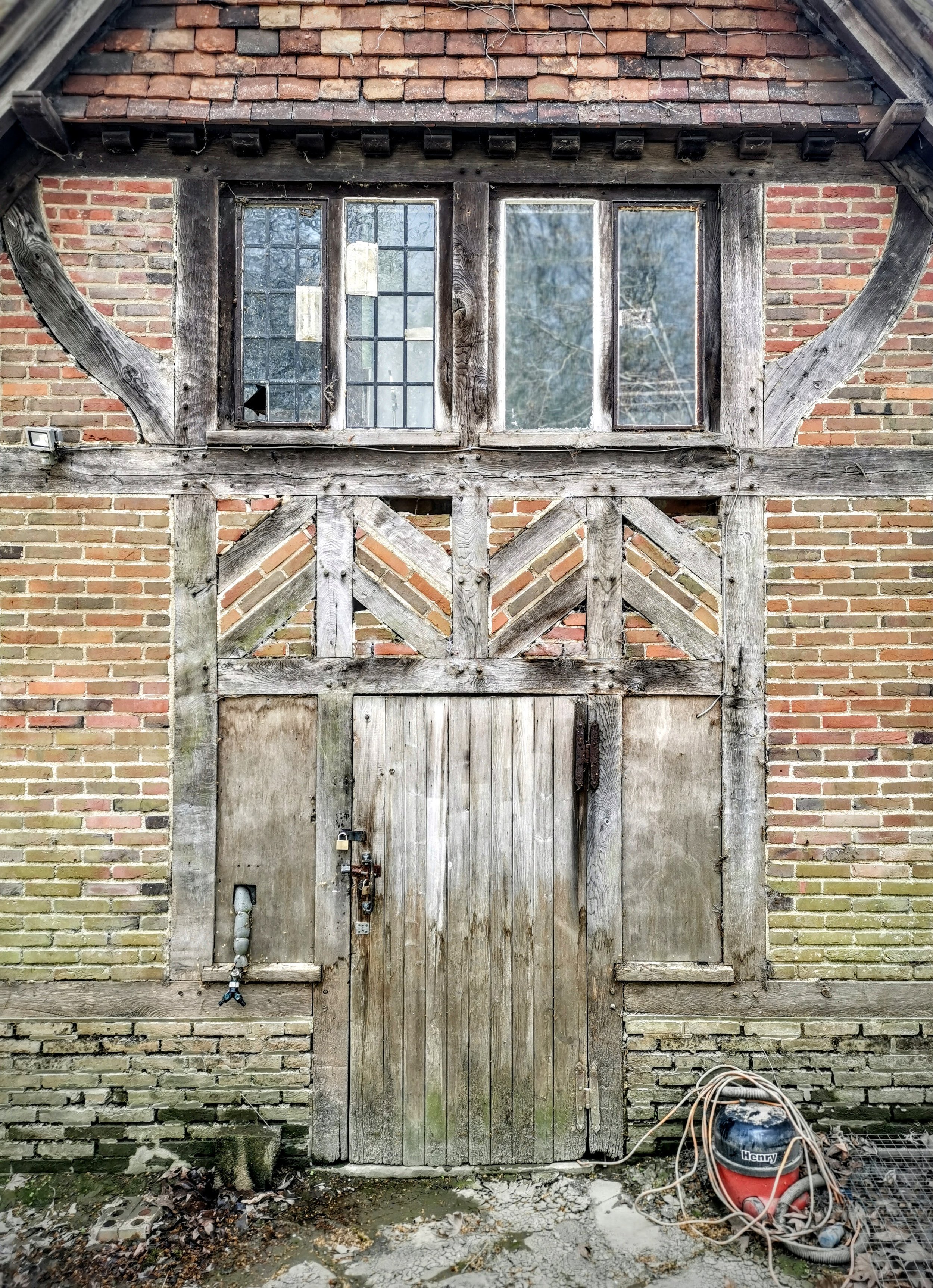
Door to the old boathouse of Carmel College, called the 'Jewish Eton', which closed in the 1990s
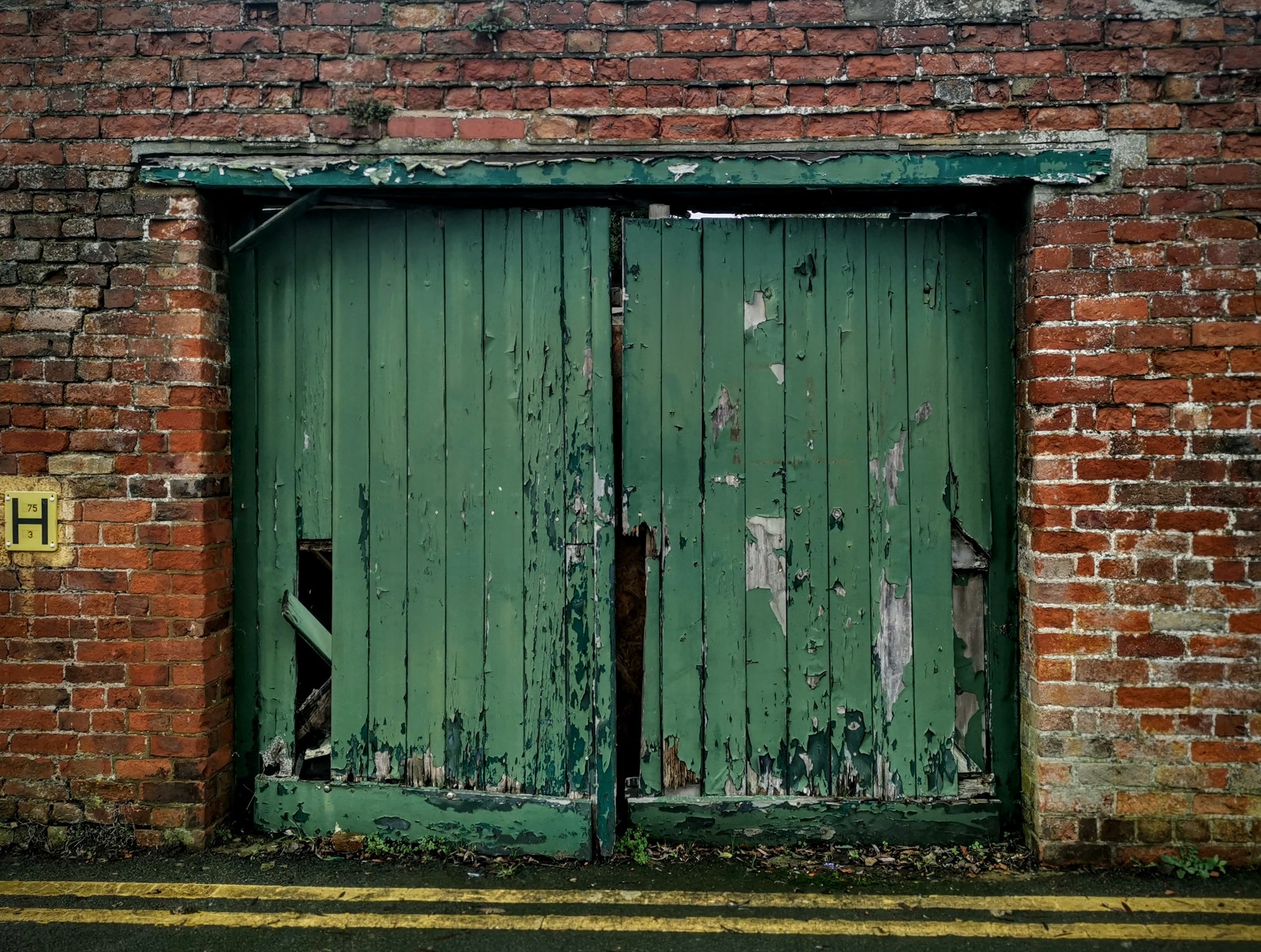
Old garage doors in Tewkesbury, near the rivers
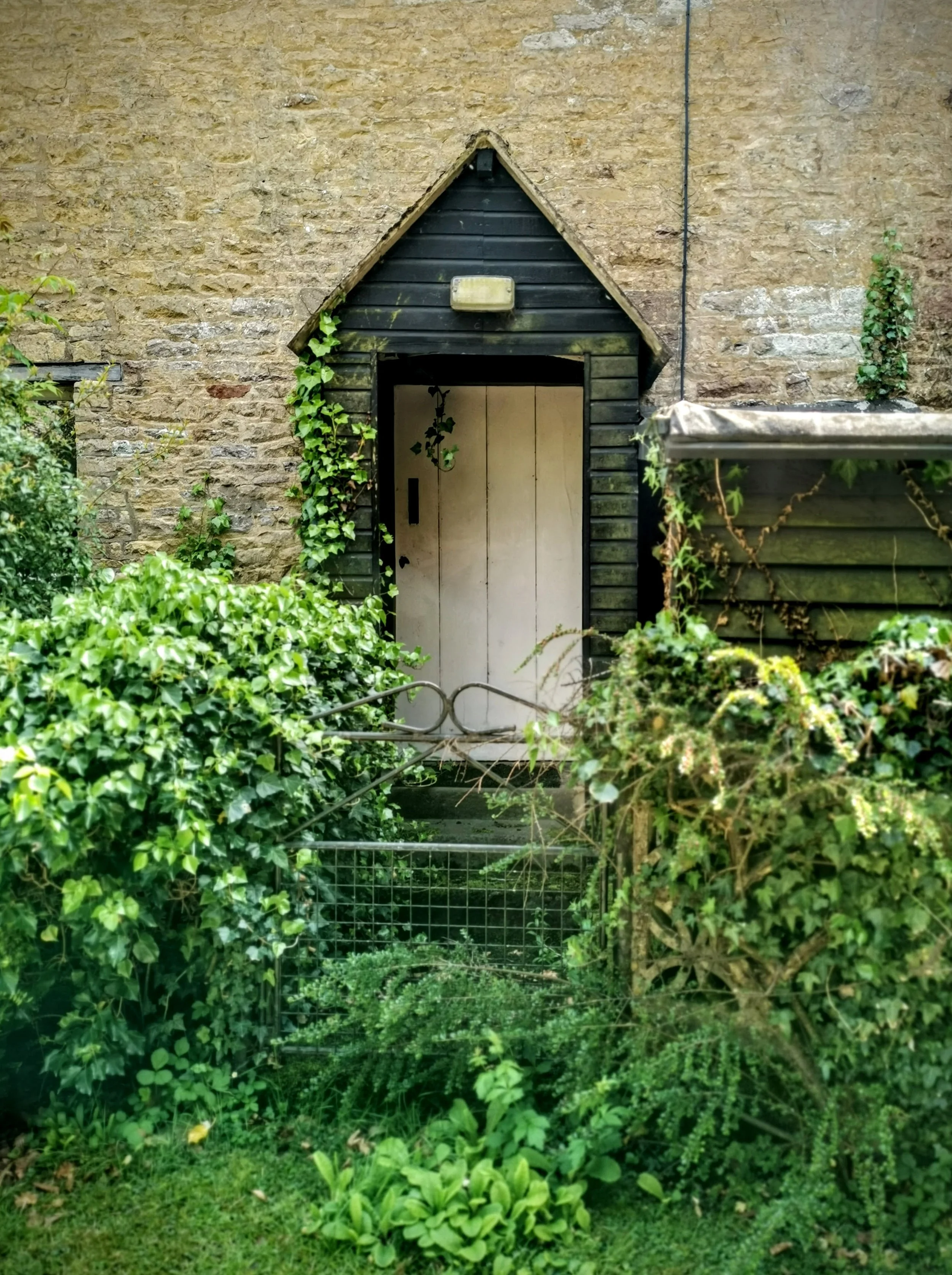
Front door allowed to be reclaimed by nature, Clapton-on-theHill, Cotswolds
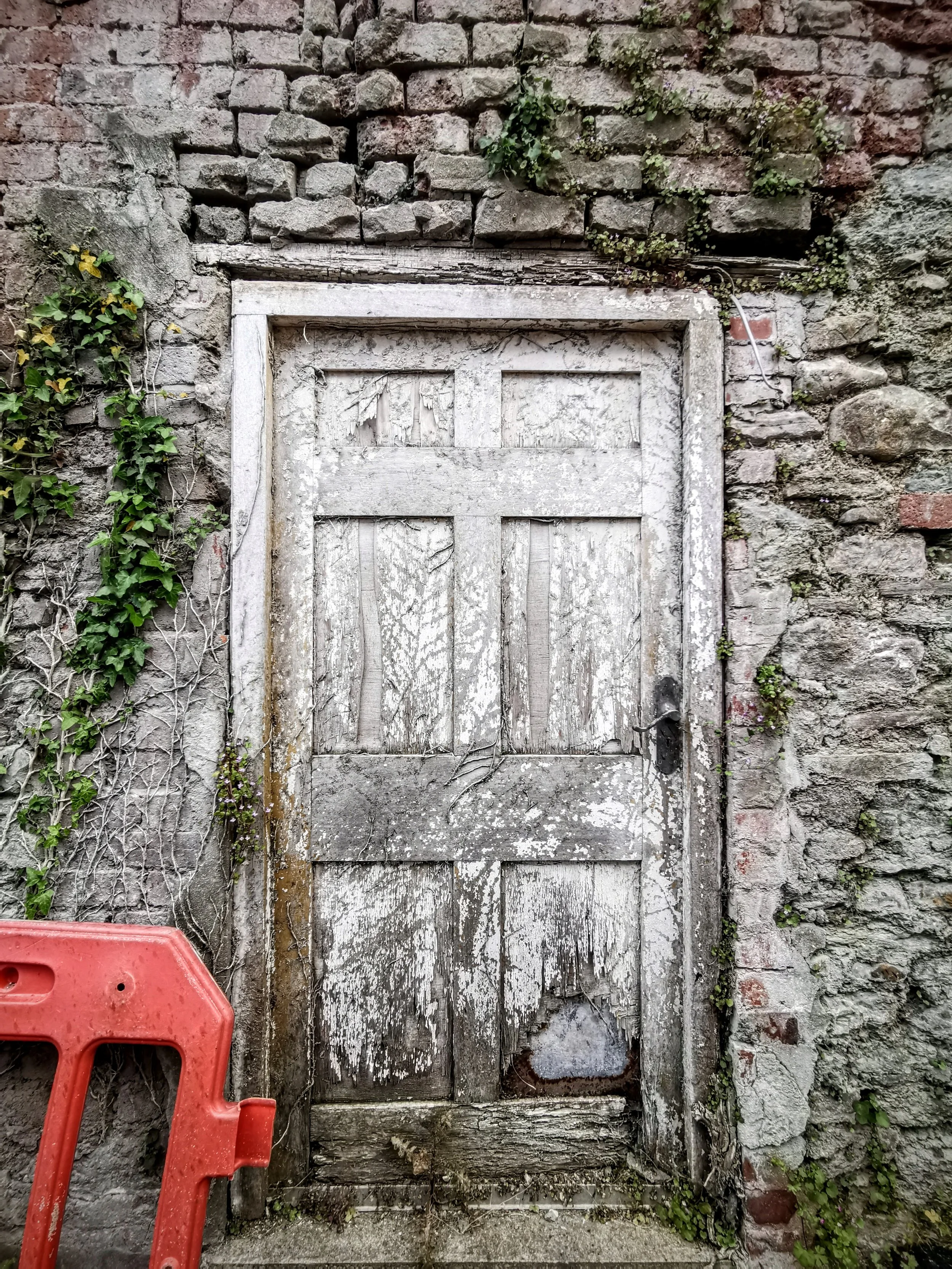
Abandoned door in Usk, Monmouthshire
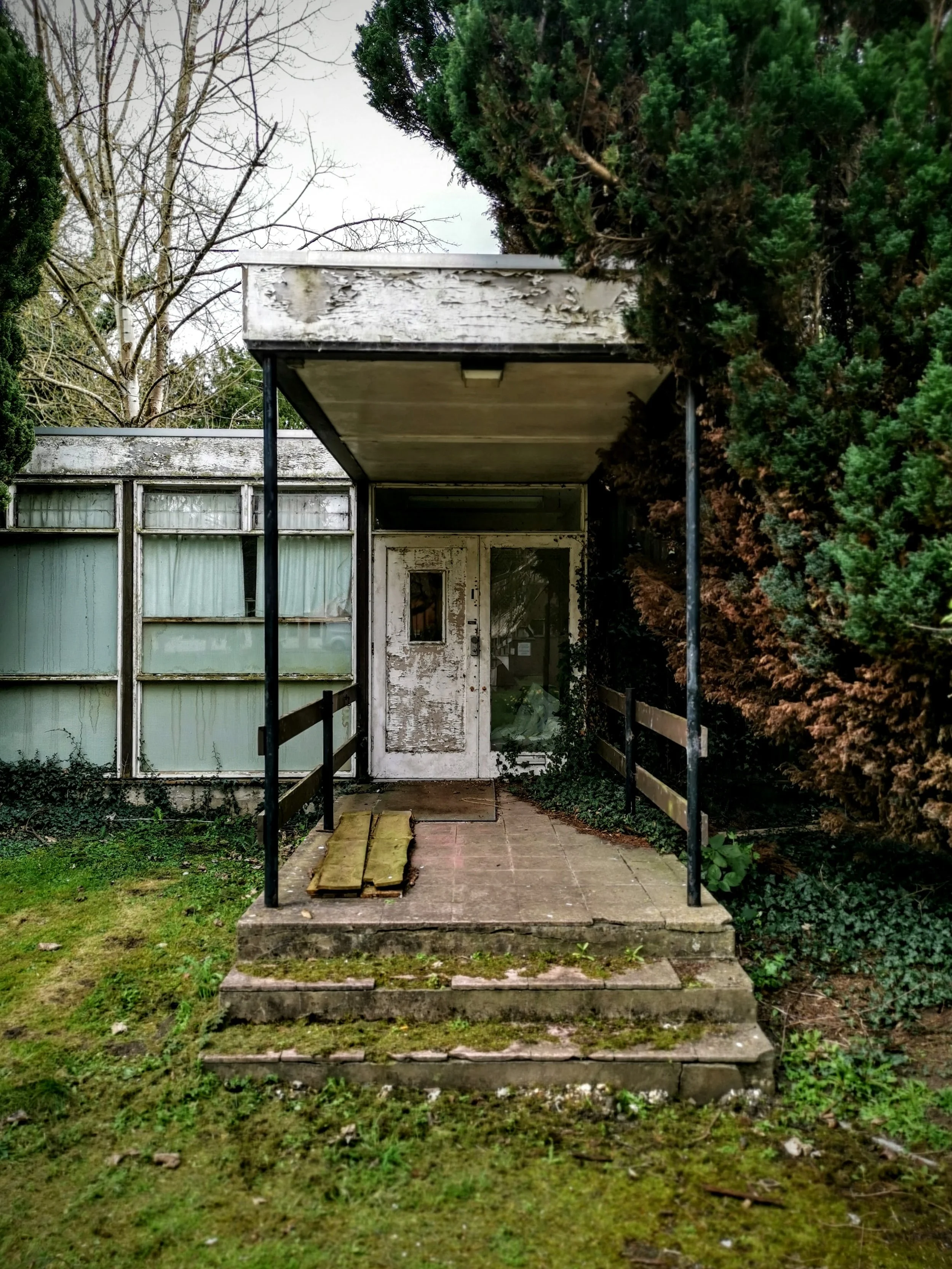
Another door from Carmel College. Door into an old school block.
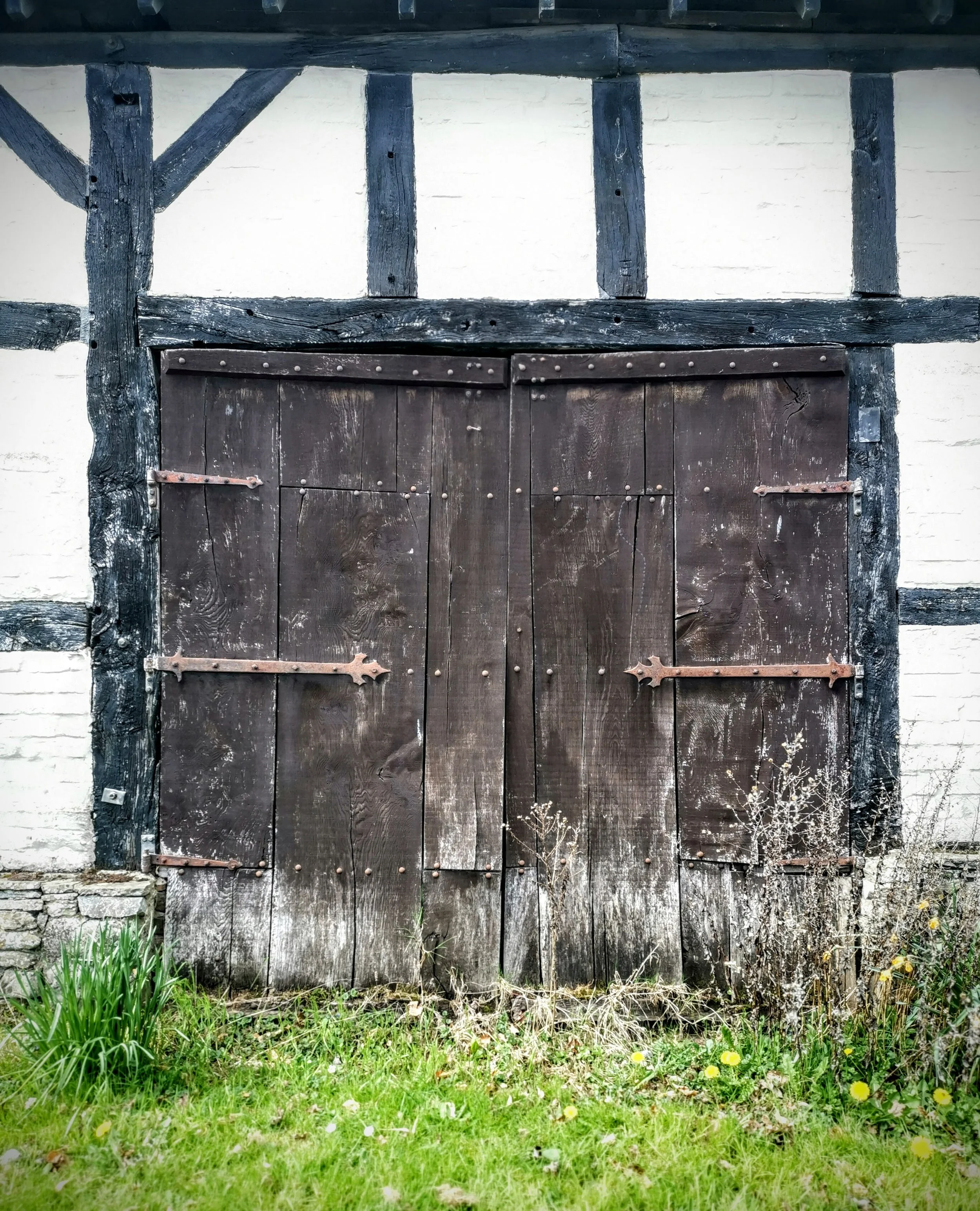
Old barn door in Apperley, Gloucestershire
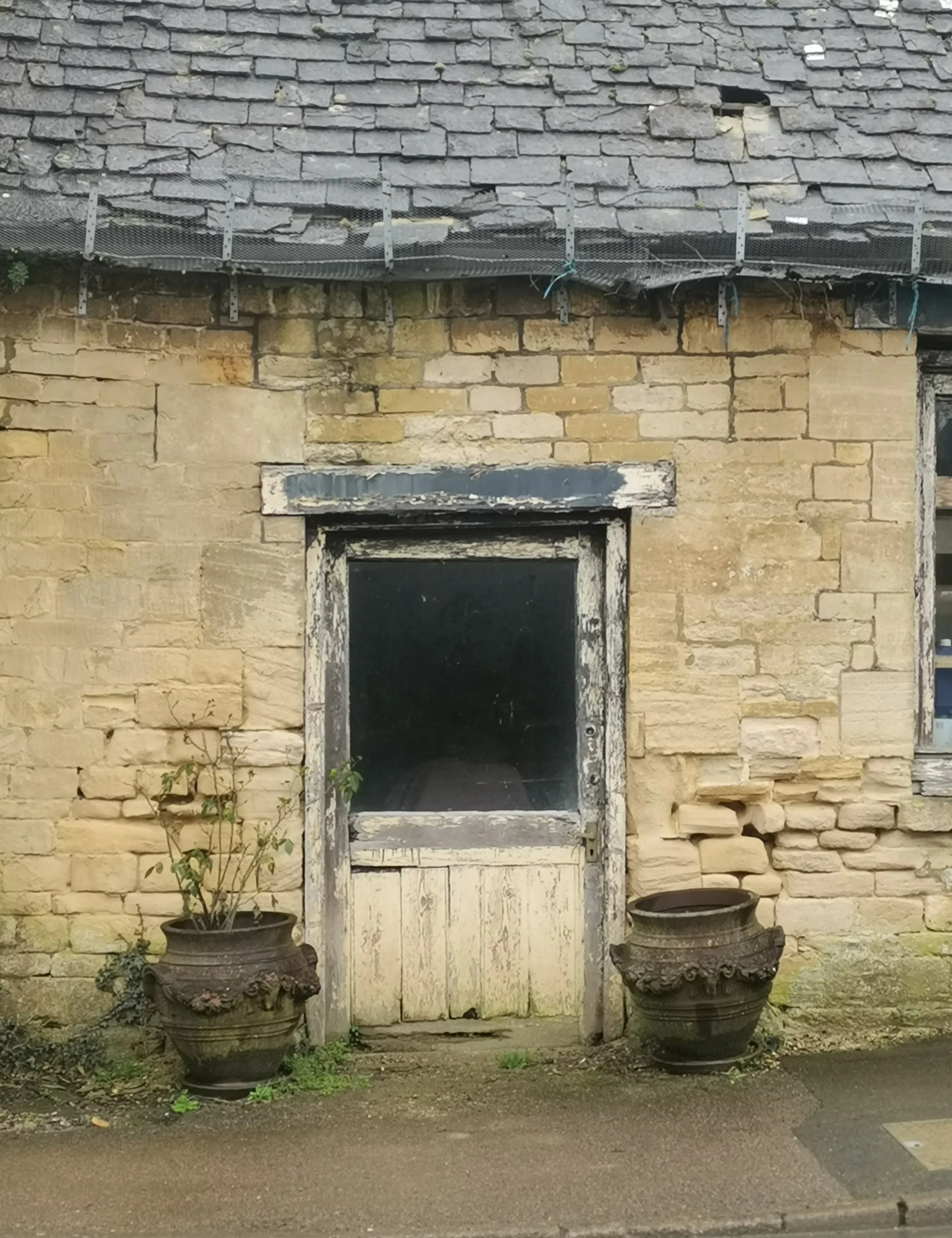
Neglected door in Northleach
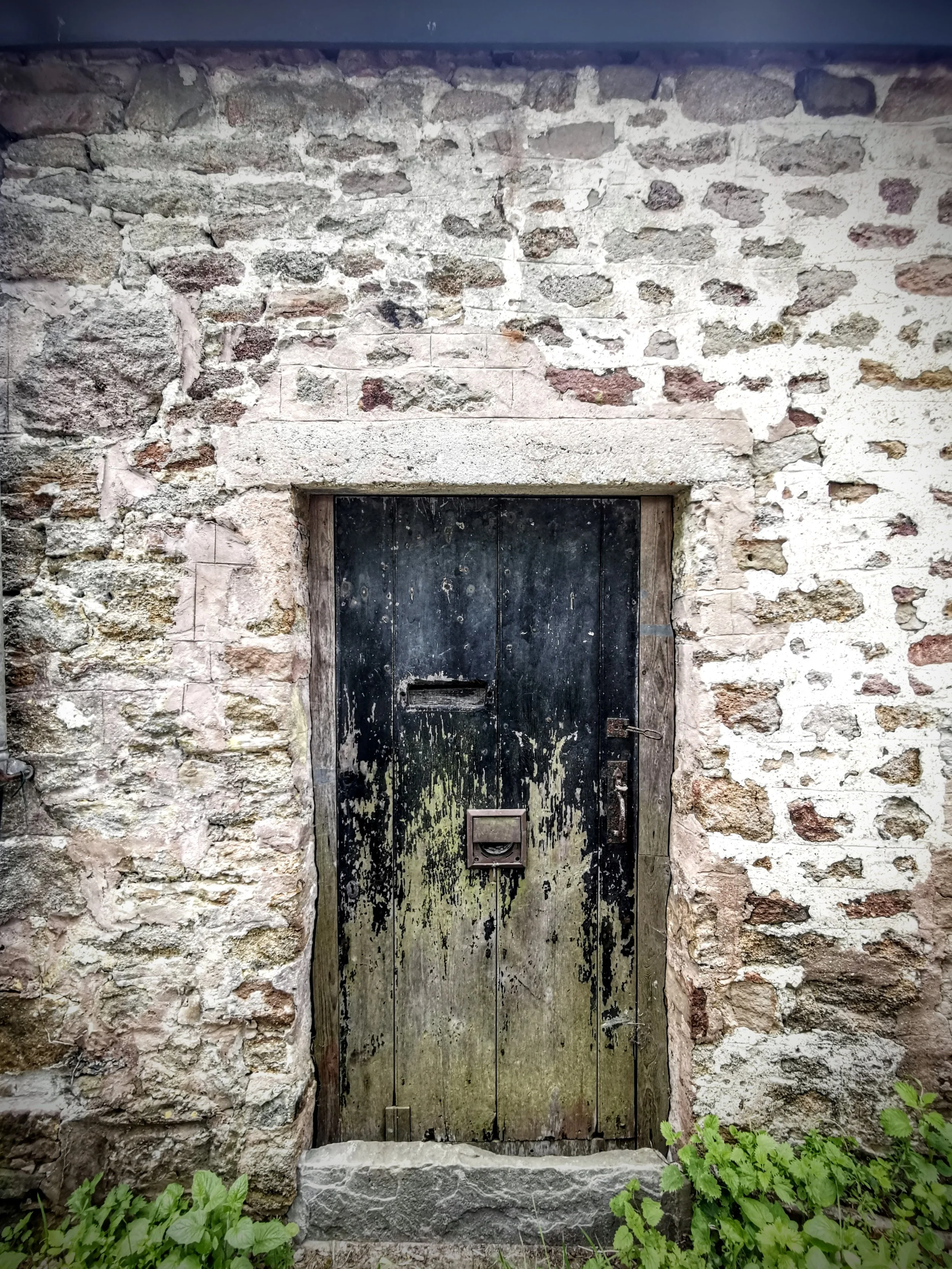
The faded grandeur of this door found near May Hill, Gloucestershire
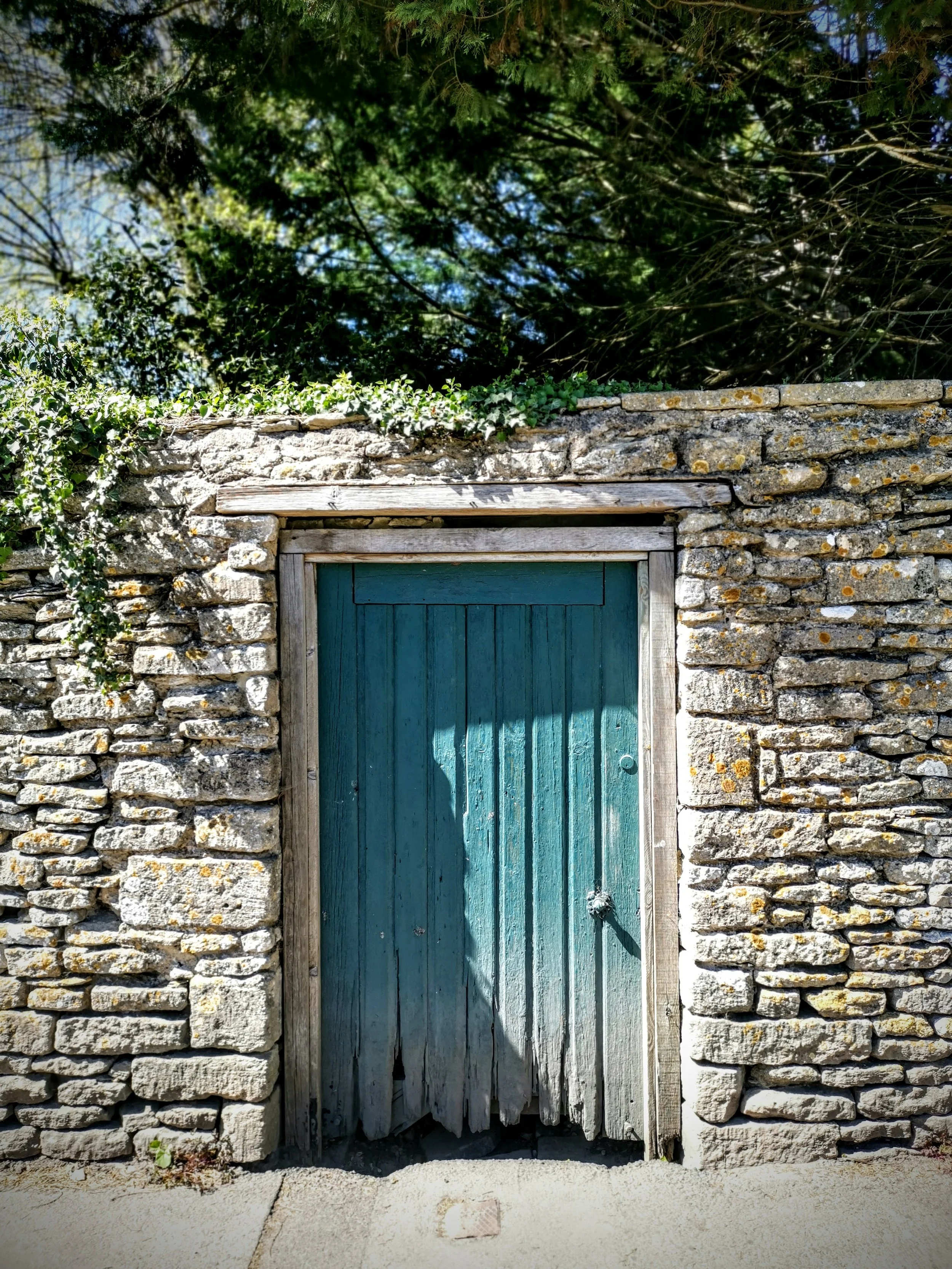
Love the glacial blue of this door. Avening, South Gloucestershire
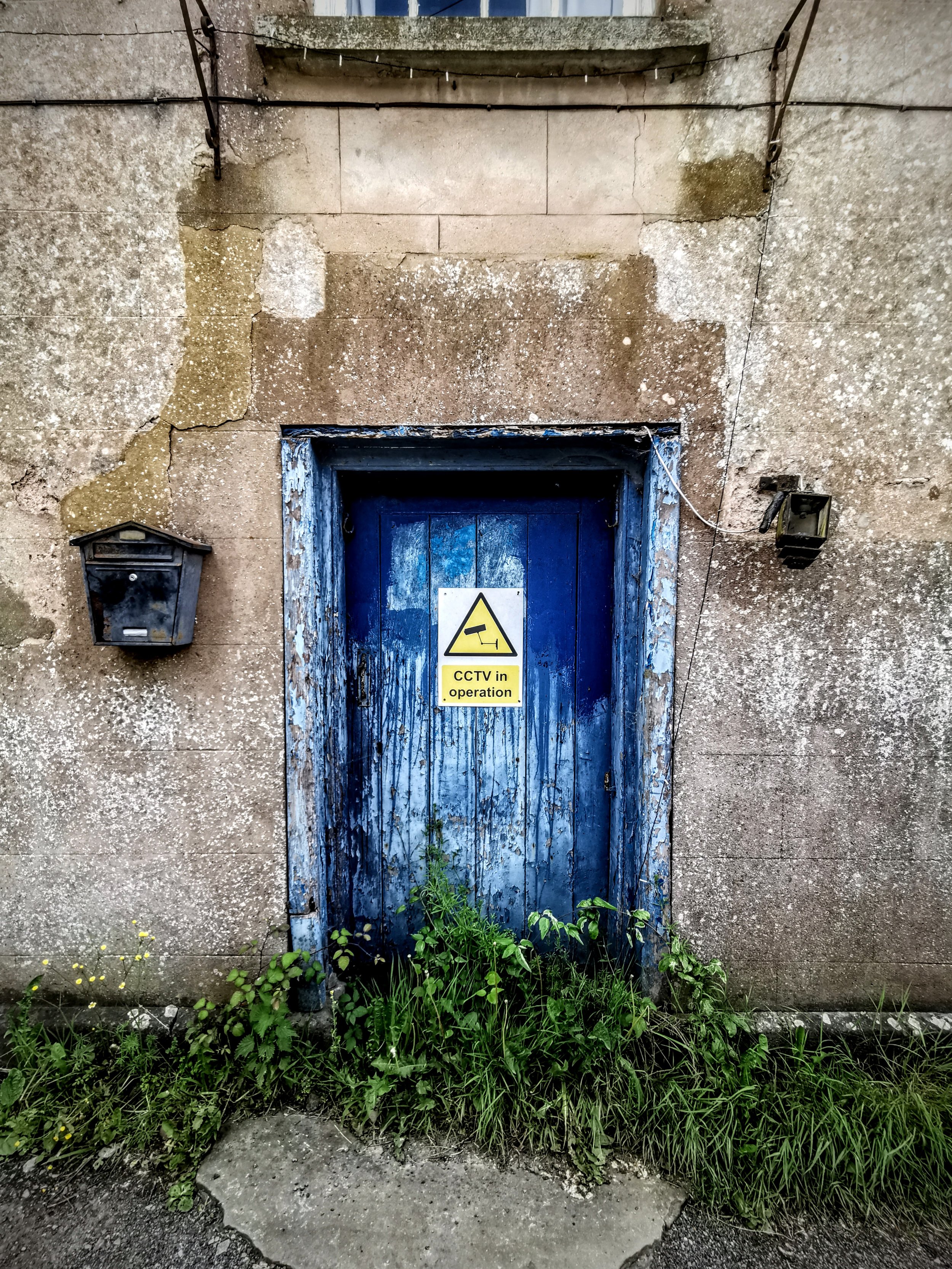
Door to an abandoned world. May Hill
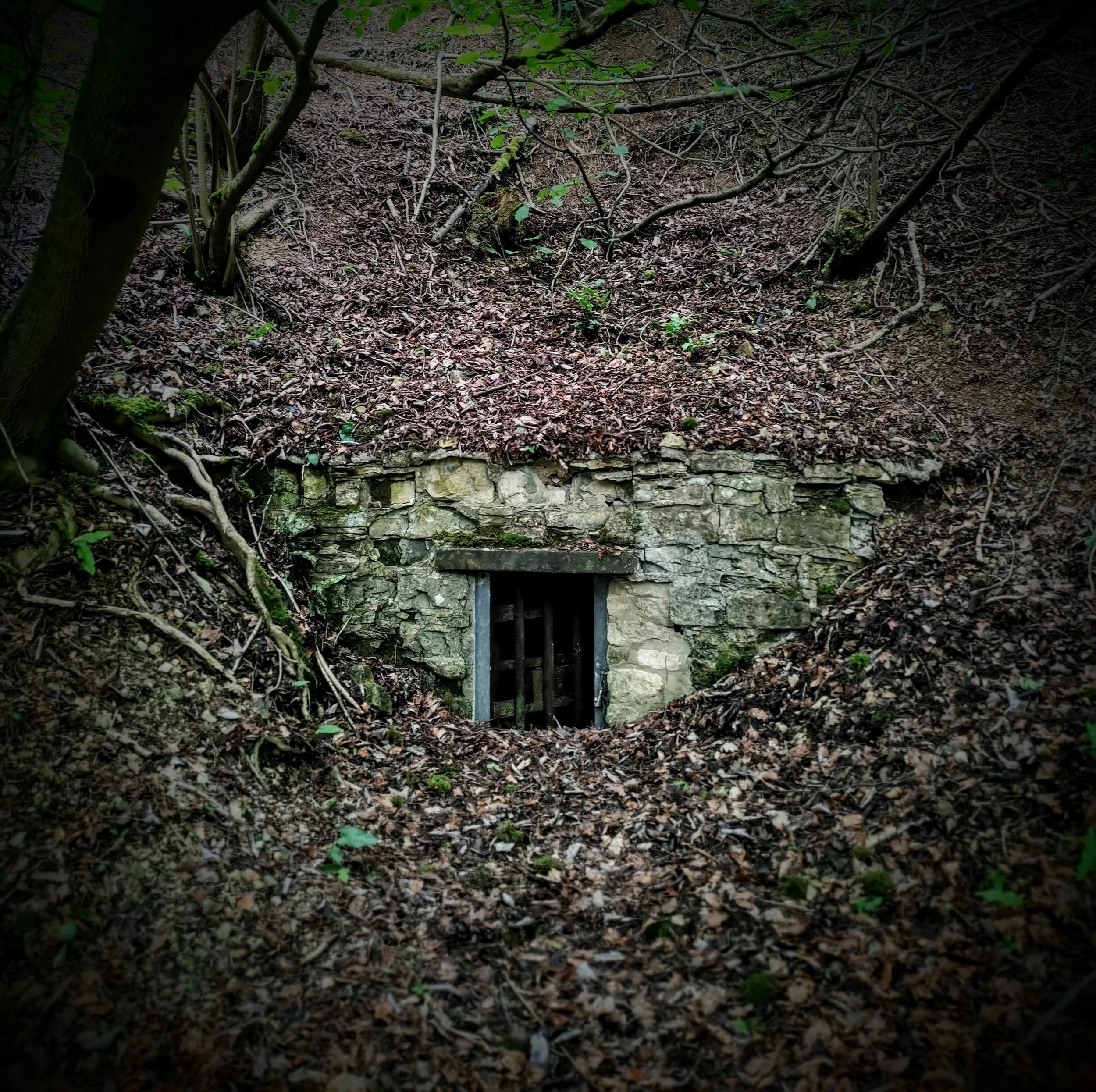
Accidental History
I have walked past this curious entrance a few times but it wasn’t until I posted on my subreddit that I found out the unexpected truth about it
It immediately sparked debate as to its use. It is a good mile from the village of Whittington along a bumpy bridleway, just off to the side of the path. Conjecture was rife with suggestions like ice house, spring head and old root cellar alongside more fanciful suggestions like goblin or hobbit door: ‘speak friend and enter’.
Referencing the charm required to open the doors to the Mines of Moria was actually one of the closest to the truth. Another commentator told us that it was one of the 14 or so entrances to the old Dodwell Hill Quarries, a underground complex of passageways that stretched for nearly 3km beneath the hill. The oolithic limestone quarried there was used to build the majority of Cheltenham’s famous Regency architecture. The mine operated from 1800 to 1864 when cheaper and easier-to-work stone from Bath quarries could be brought in by rail. These days the only way to get in is by invitation with a caving club, so I am unlikely to see the inside anytime soon. But next time I walk by I am going to bring a torch, just in case.
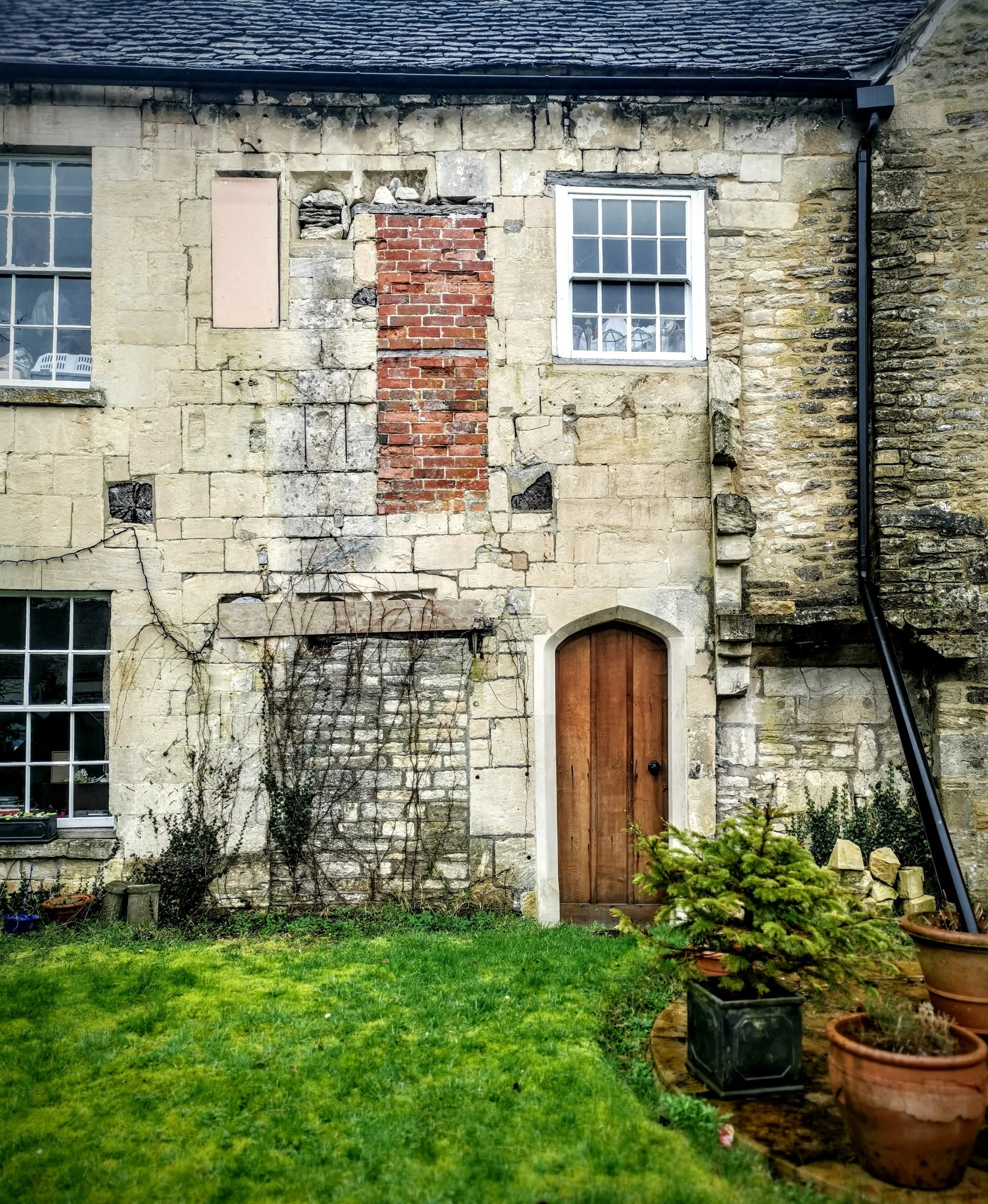
This is what remains of Dover House in Northleach. The rest of it is in America. Or is it? The answer involves American industrialist Henry Ford.
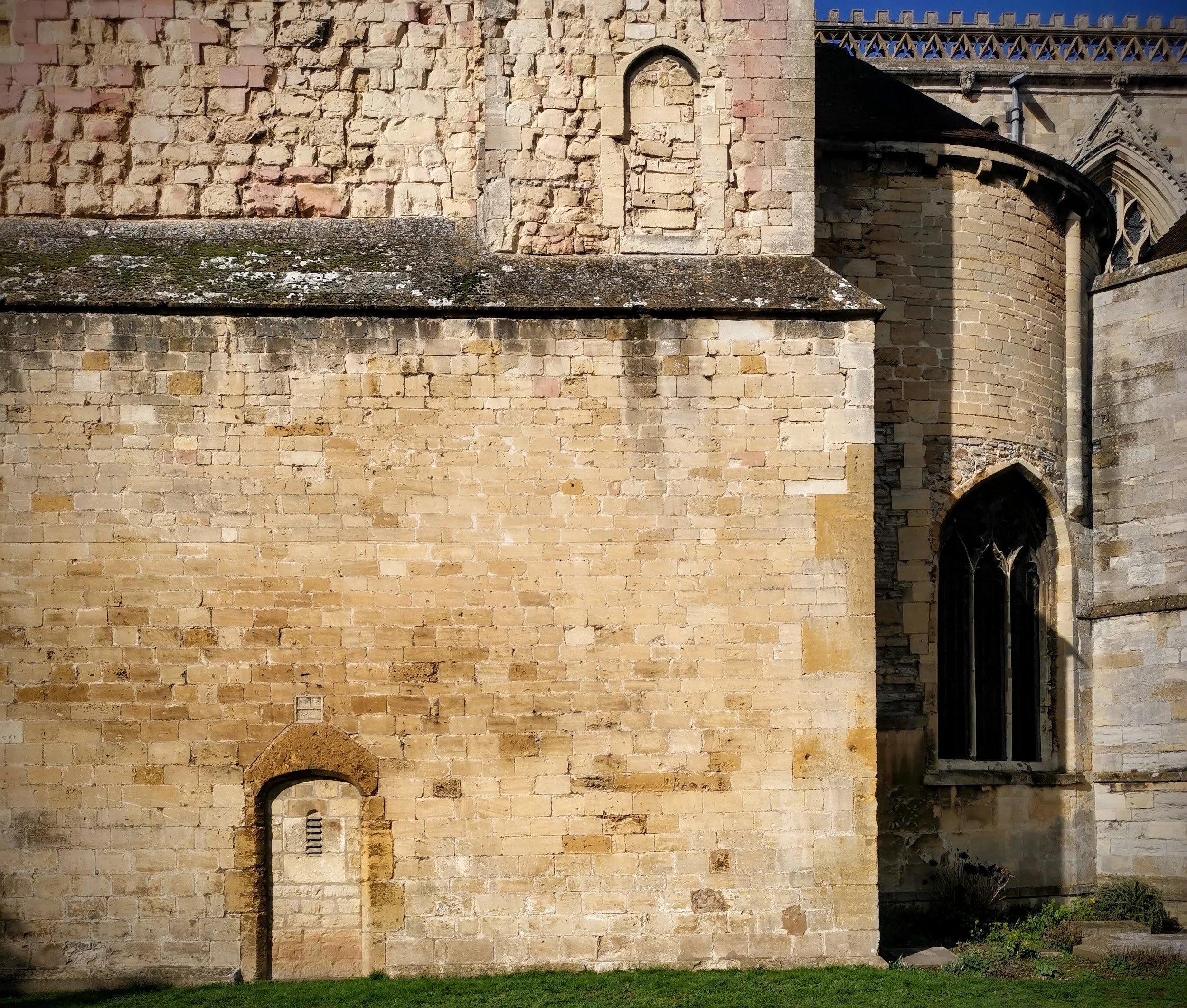
Tewkesbury Abbey is testament to how much churches change over the millenia some of them have stood. Click on the picture to see more
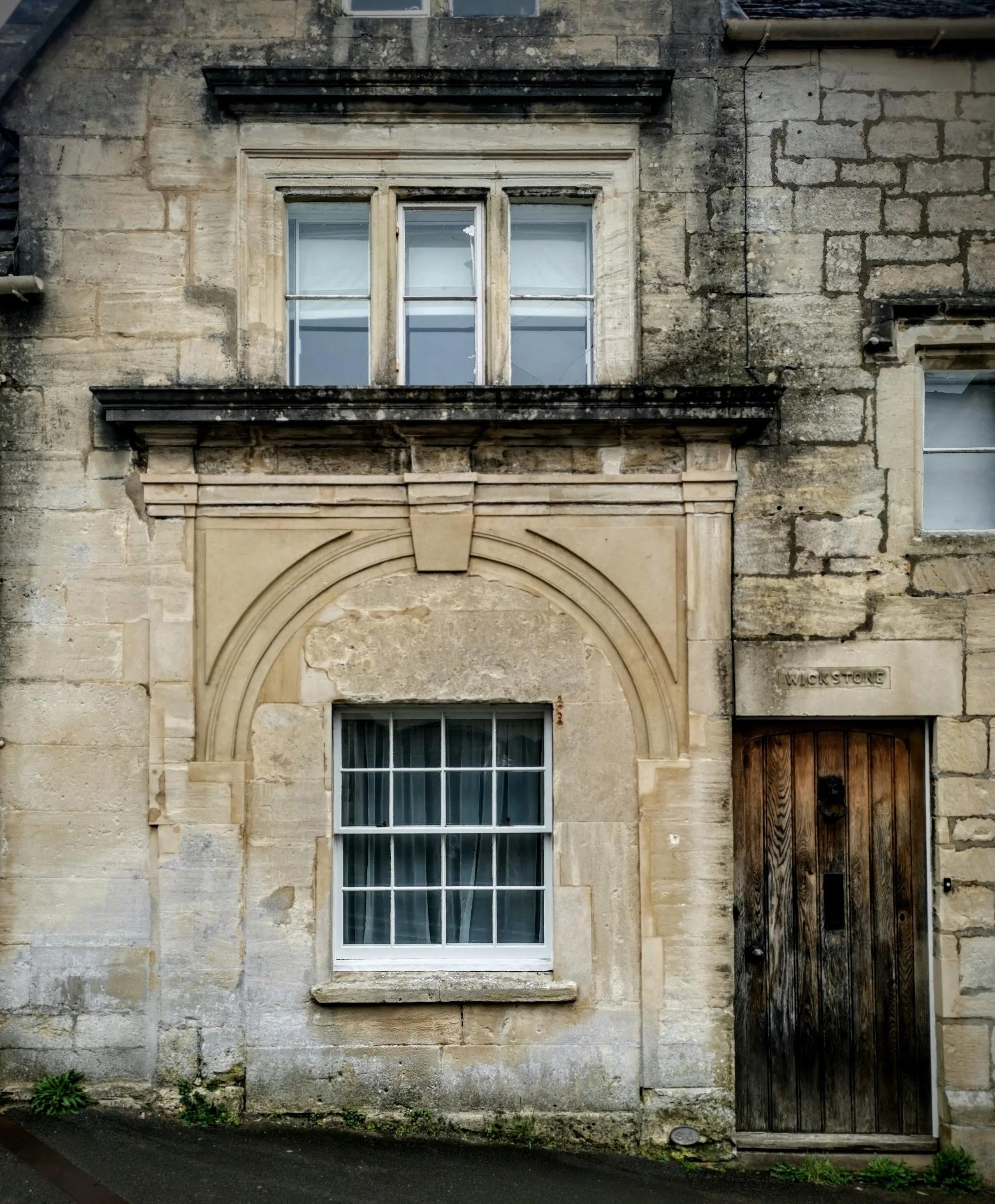
The filling in of this old entrance has been masterfully done to the point it took several passes before I decided to photograph it. I am glad I did: it lead me to a fascinating tale of Cotswold history and the medieval wool trade. Click on the picture to read more.
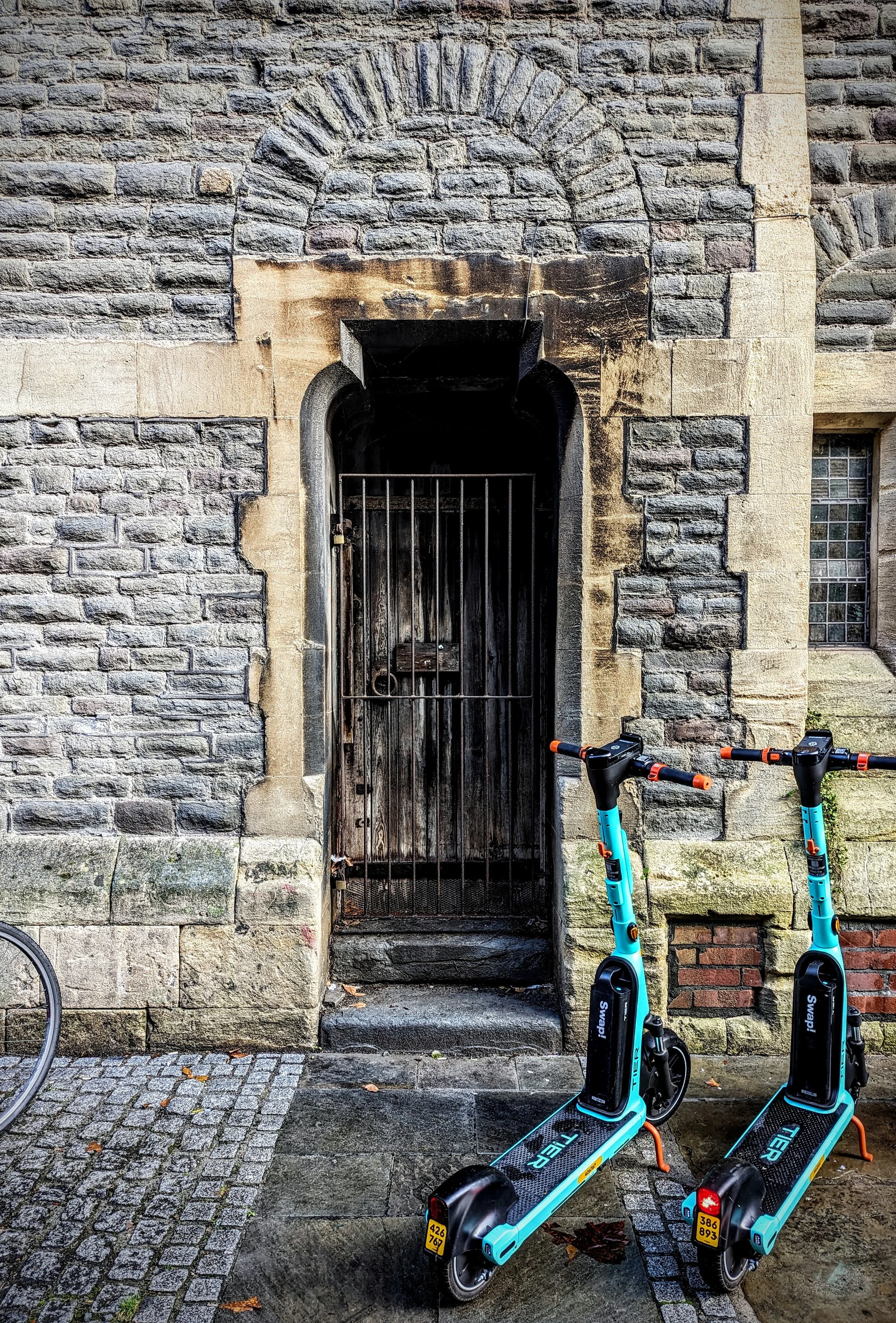
This was once one of the doors to the Old Seaman's Mission Church on Price Street in Bristol, a stone's throw from Queen's Square. Story coming soon.
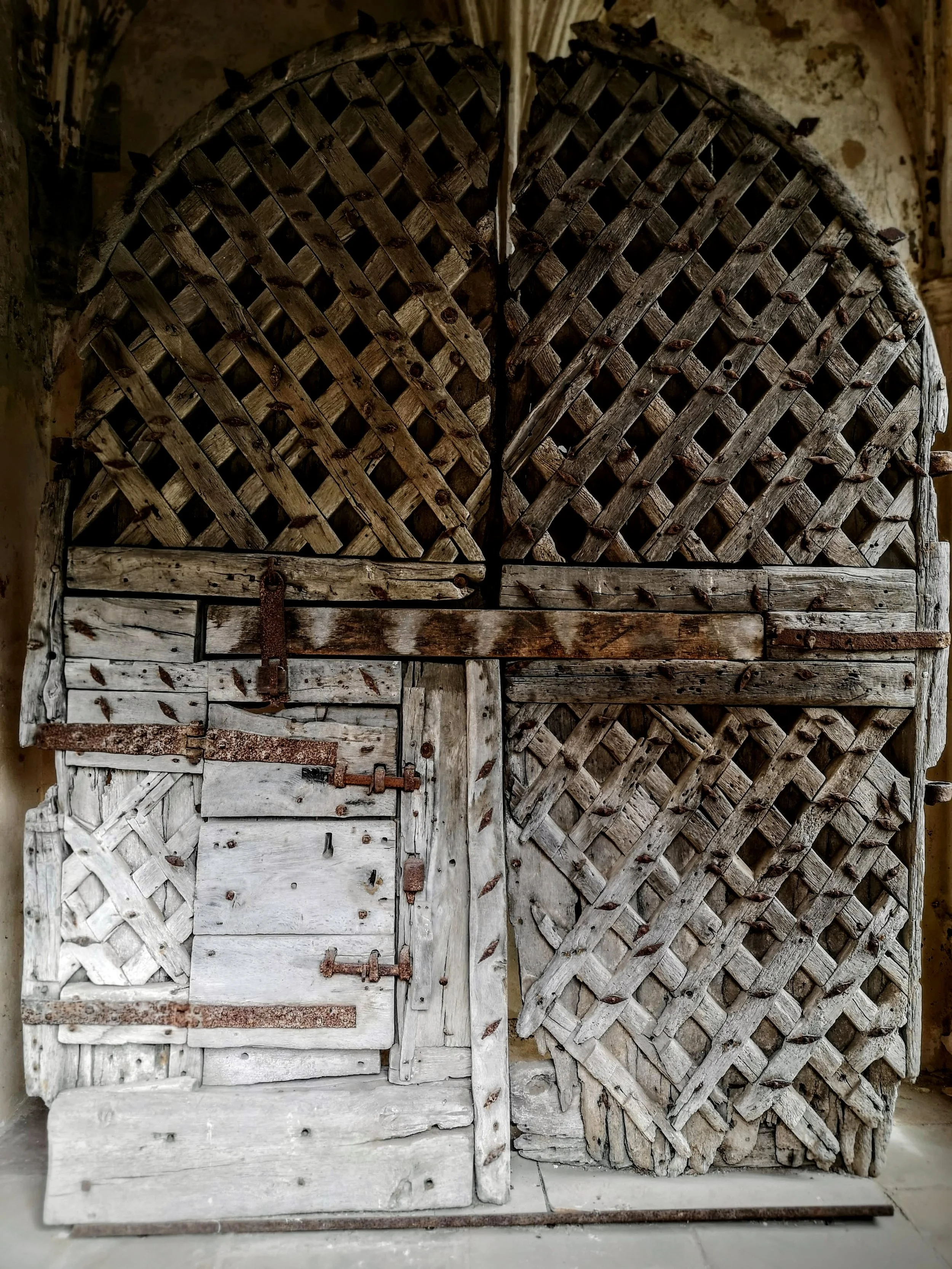
The Ancient Doors of Chepstow
These were once the old wooden doors that defended the main gate of Chepstow Castle for hundred of years. Once thought to come from the 13th century but dendrochronology, or tree-ring dating, discovered that they were built around 1190AD making them the oldest castle doors in Europe. They were originally sheathed in iron plates to defy any rams or fire the castle’s enemies threw at them. Now they are enjoying well-deserved retirement inside the castle itself. It features elaborate lattice framework with the earliest mortice-and-tenon joints known in Britain.
Doors have always been rich with symbolism. There is a natural dichotomy to them, at once an entrance when open and a barrier when shut. They are a liminal threshold, the embodiment of betwixt and between: moving from one reality to another, one state of being to a different one. They are an unoccupiable space in between, a portal that exists only for people to pass through.
A door not used anymore is a door that has changed its function, space and form from what it was originally intended. Now sealed, blocked, bricked up, locked up, painted over, overgrown and forgotten, rather than a passageway it is itself part of the wall.
A door-no-more. An un-door.
And yet they retain a peculiar magic, holding stories frozen in time. What were they used for? Why were they sealed? What lies beyond them? It is those secrets hold my fascination and compel me to take these photographs.
Written by A James Cole. Accidental Historian and Urban Archeologist
You can join in on my subreddit here