Investigation into the Unused Doors of Ashleworth
Ashleworth is a small village sat close to the River Severn. Settlements have been there since Roman times and historically it was an important crossing point for the river as the meadows are narrower here than many miles upstream, and the next best is Tewkesbury 8 miles away. A ferry operated from the Ashleworth Quay until the 1950s.
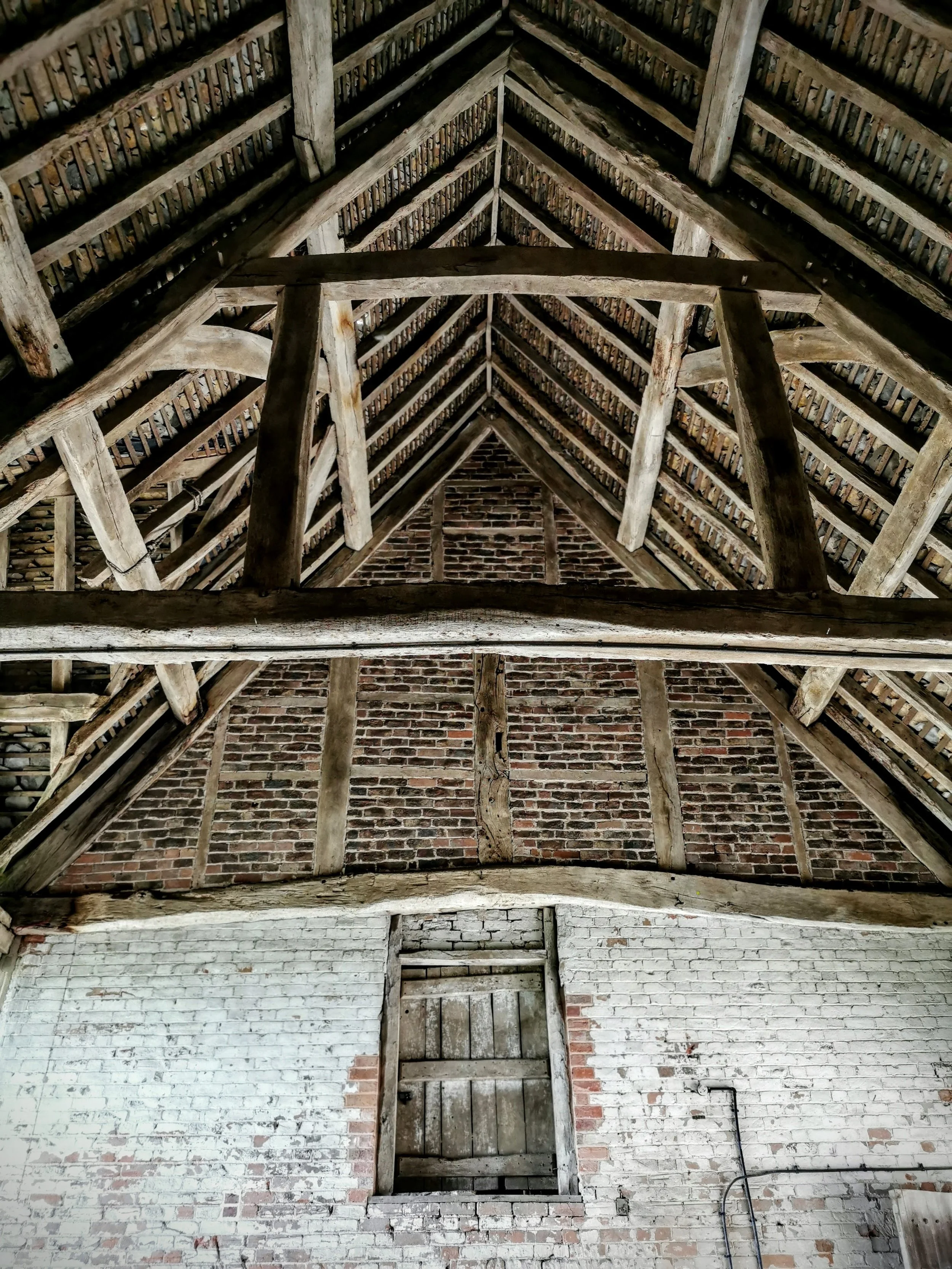
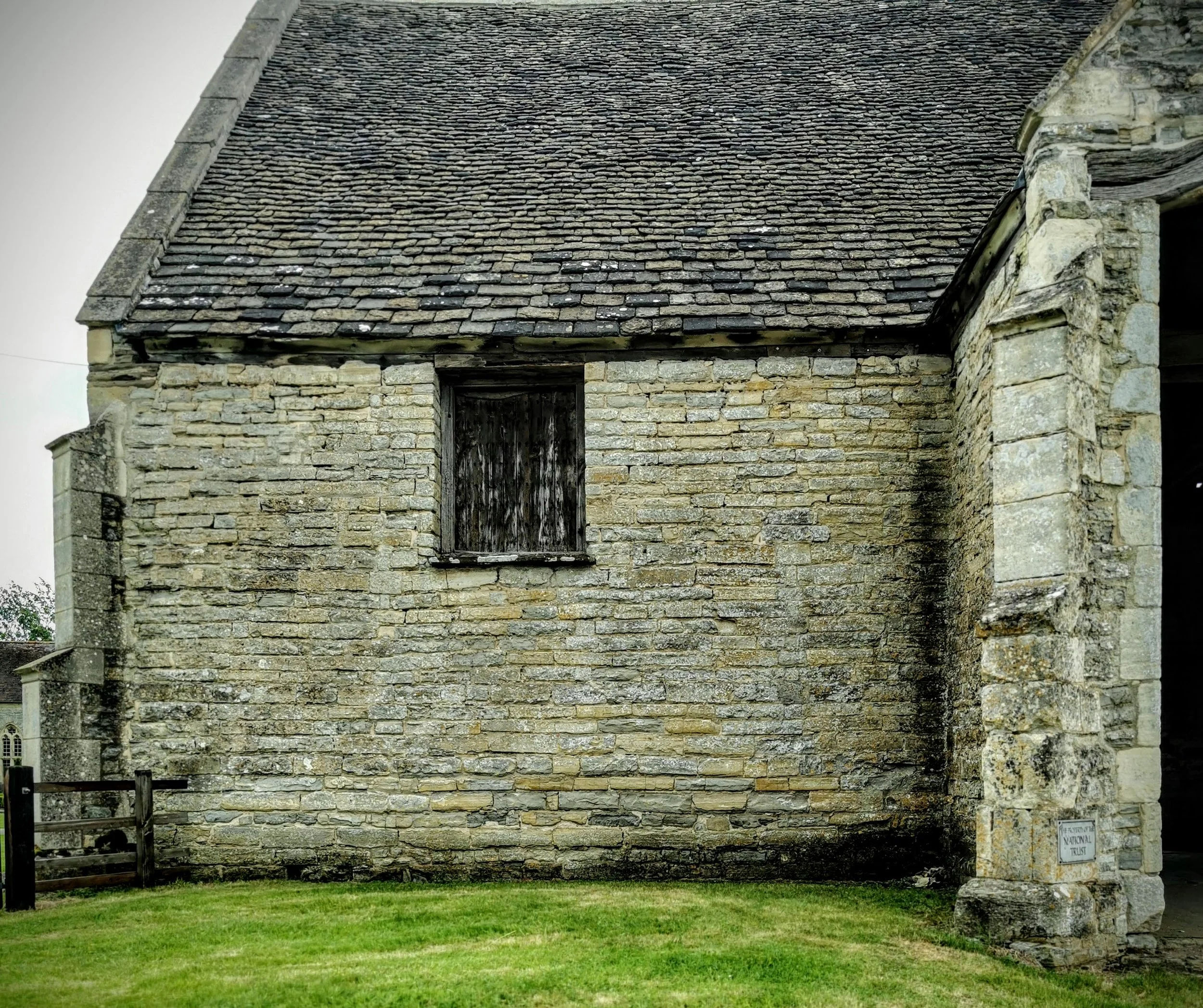
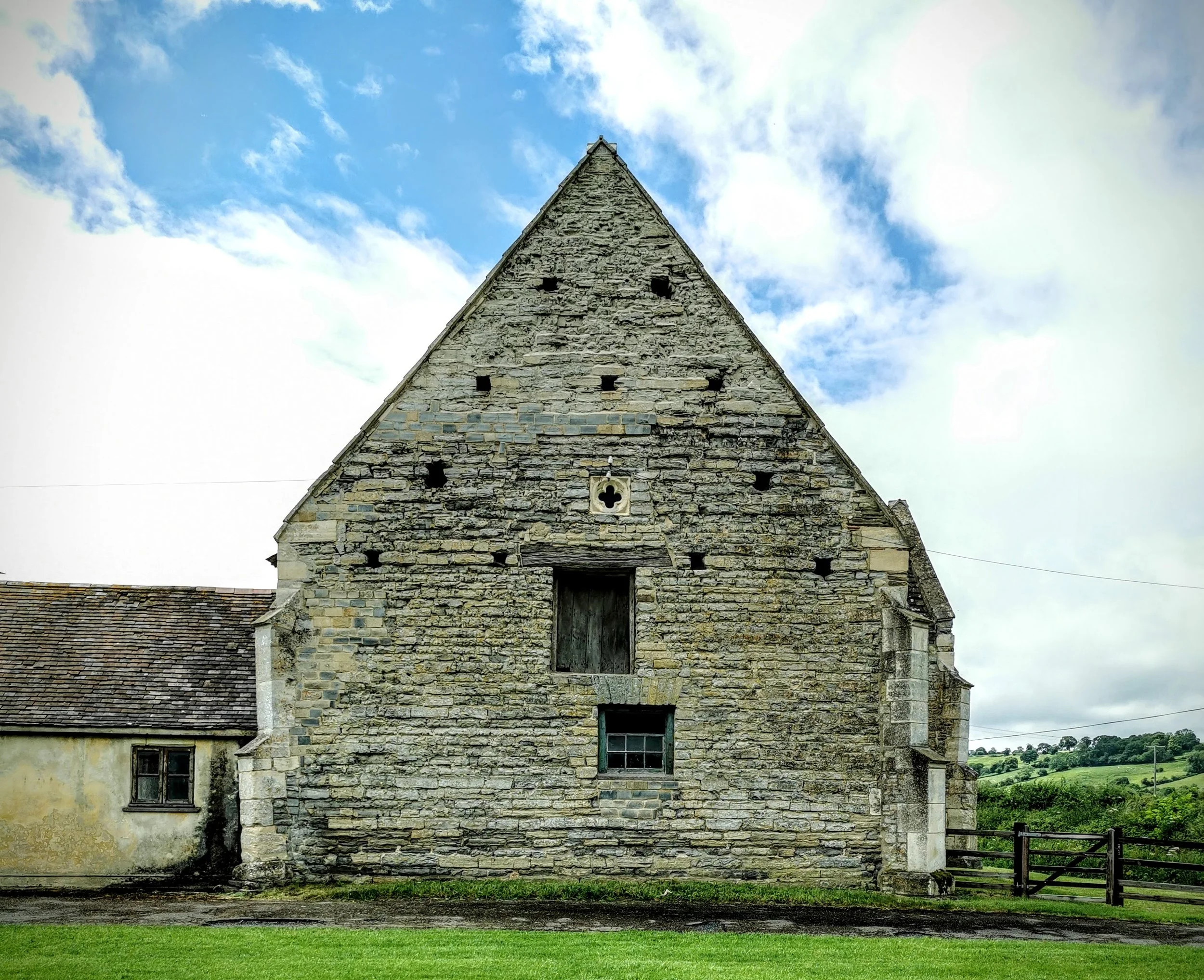
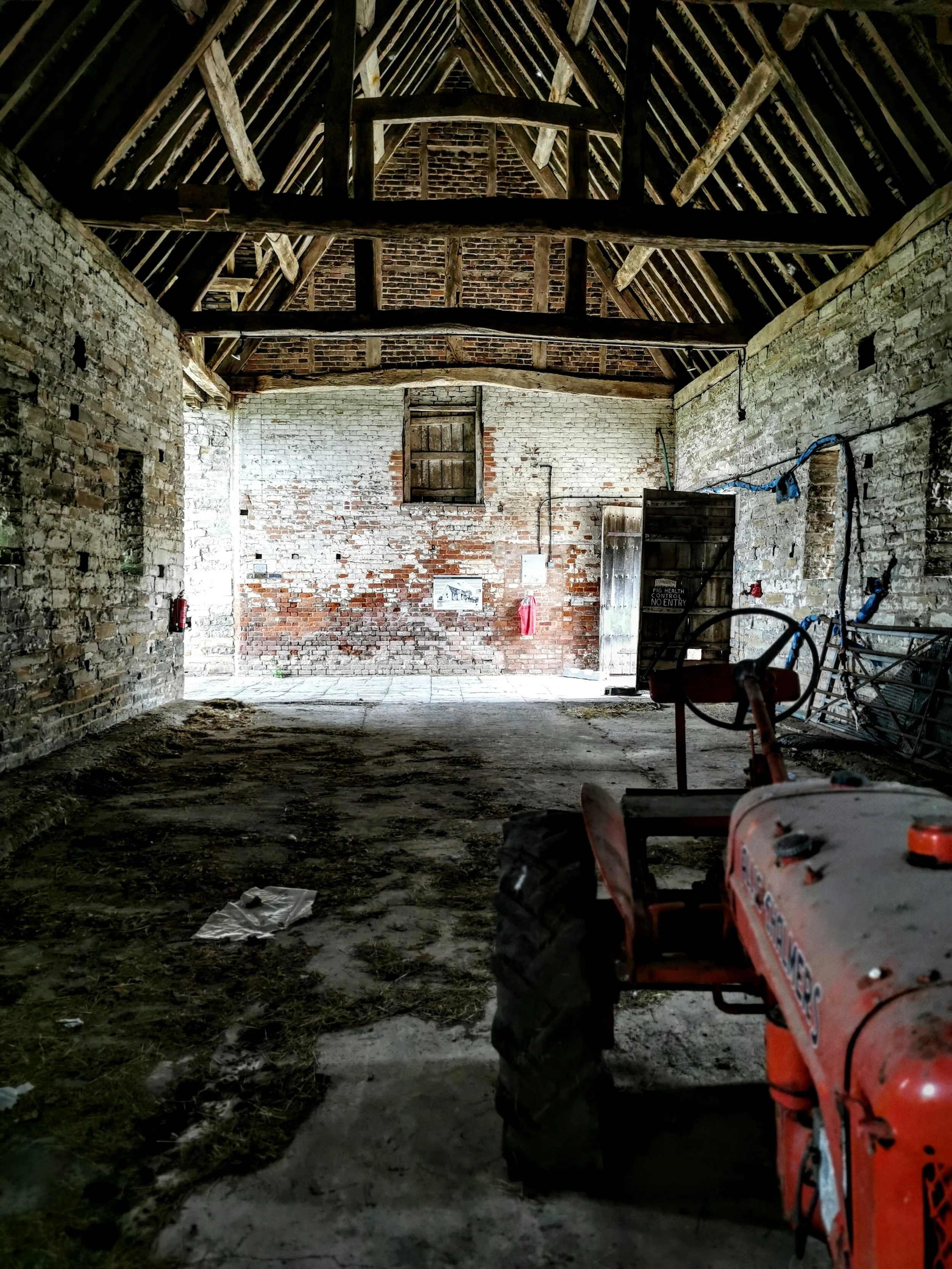
Its importance as a crossing no doubt accounts for the existence of Ashleworth Tithe Barn, a mighty edifice that collected tithes for the Canons of St Augustine until the Dissolution of the Monastries, when it was converted to secular use eventually becoming a cow barn in the 1800s. In 1956 it was acquired by the National Trust and was carefully restored and maintained to ensure the bats that live in its roof are not disturbed. It is a Grade II Listed Building and a scheduled ancient monument.
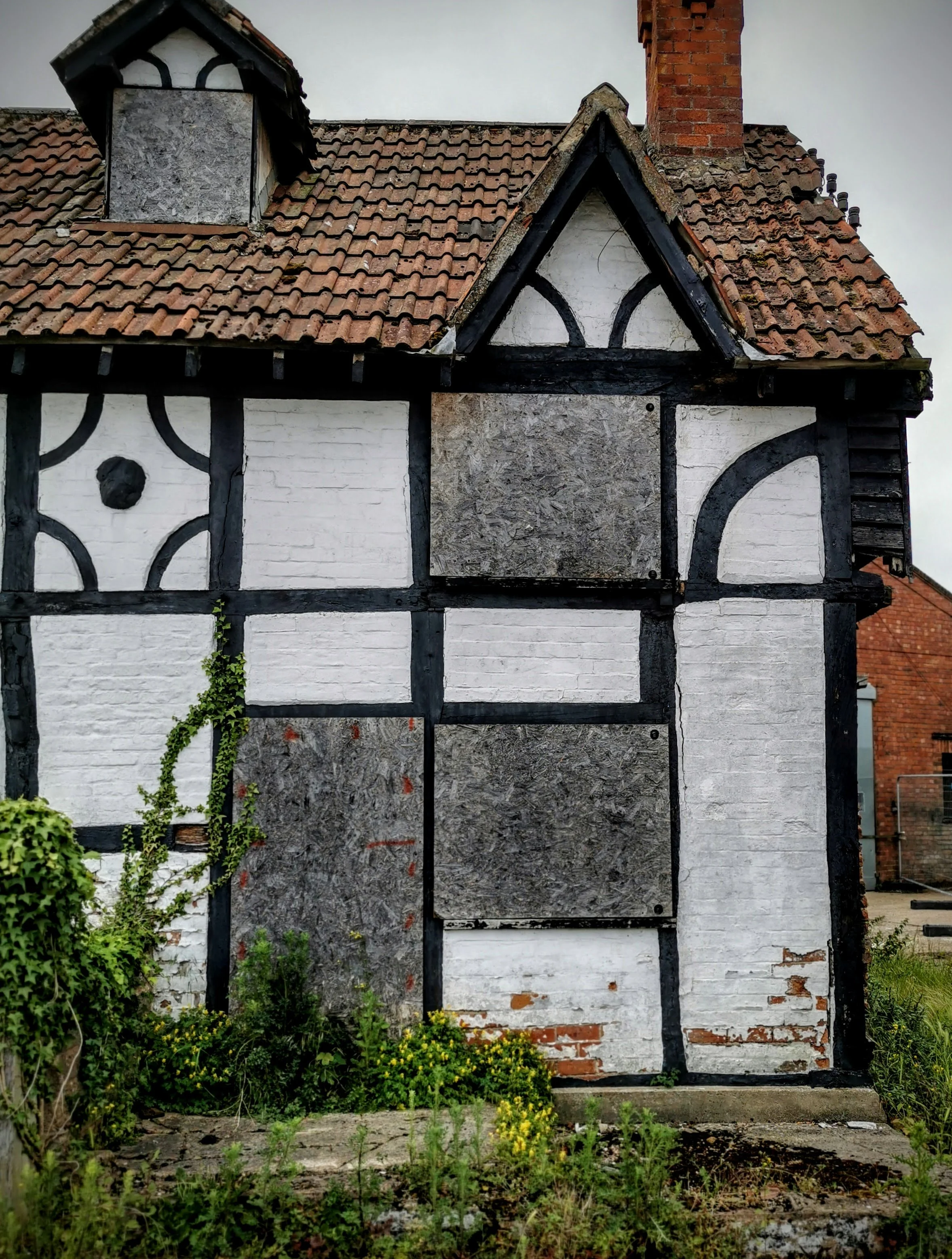
There is a beautifully owned Medieval private house next to it as well as the Church of St Andrew and St Bartholomew. The centre of the village, which is a short walk across fields from the barn, has the rather sad sight of an old Tudor building surrounded by a sea of concrete and framed by large red brick industrial warehouses. The house is abandoned and boarded up and after taking pictures of it a local told me the owner had said there is nothing he can do with it: it has no gas, electricity or plumbing, so it is slowly decaying instead.
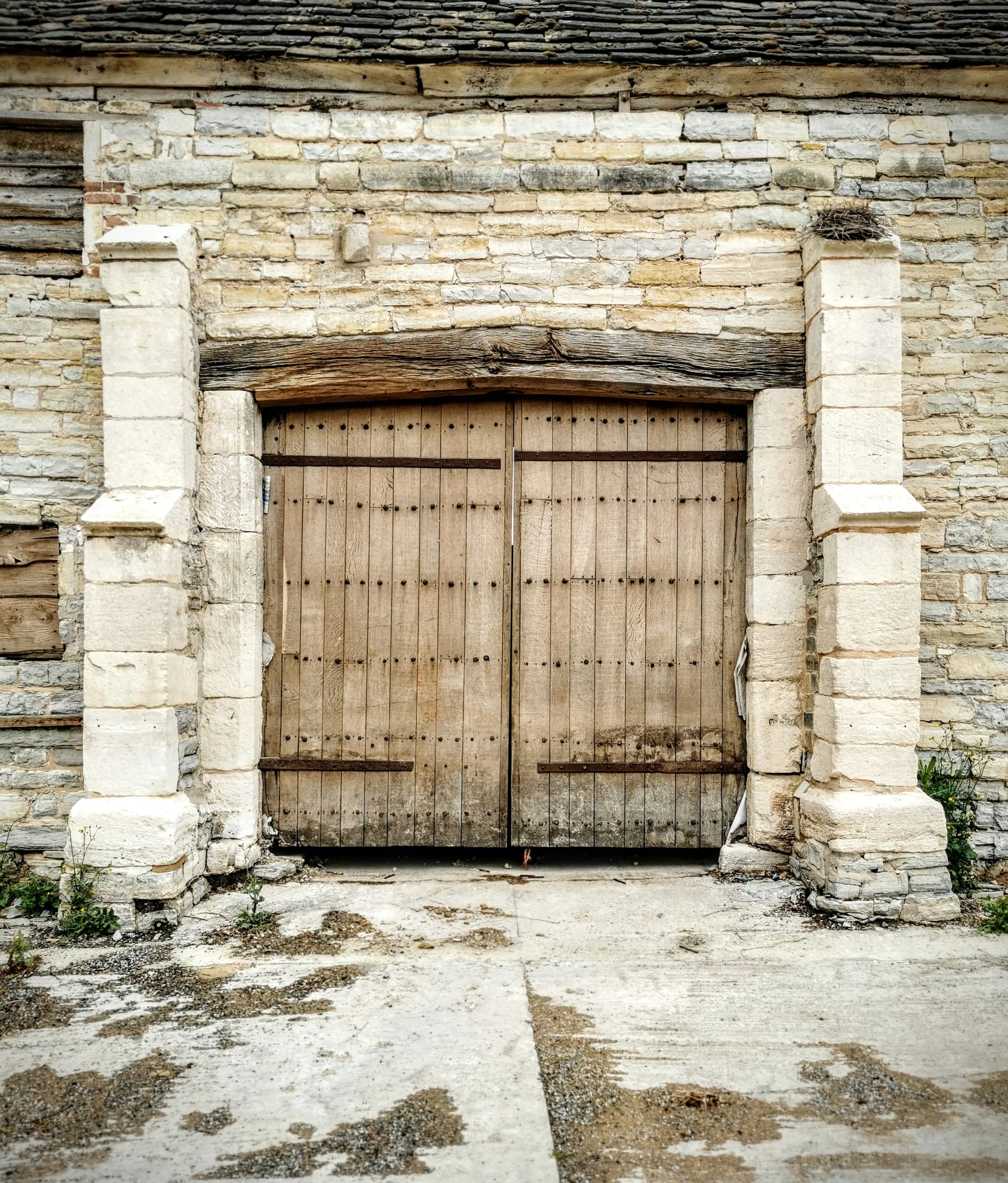
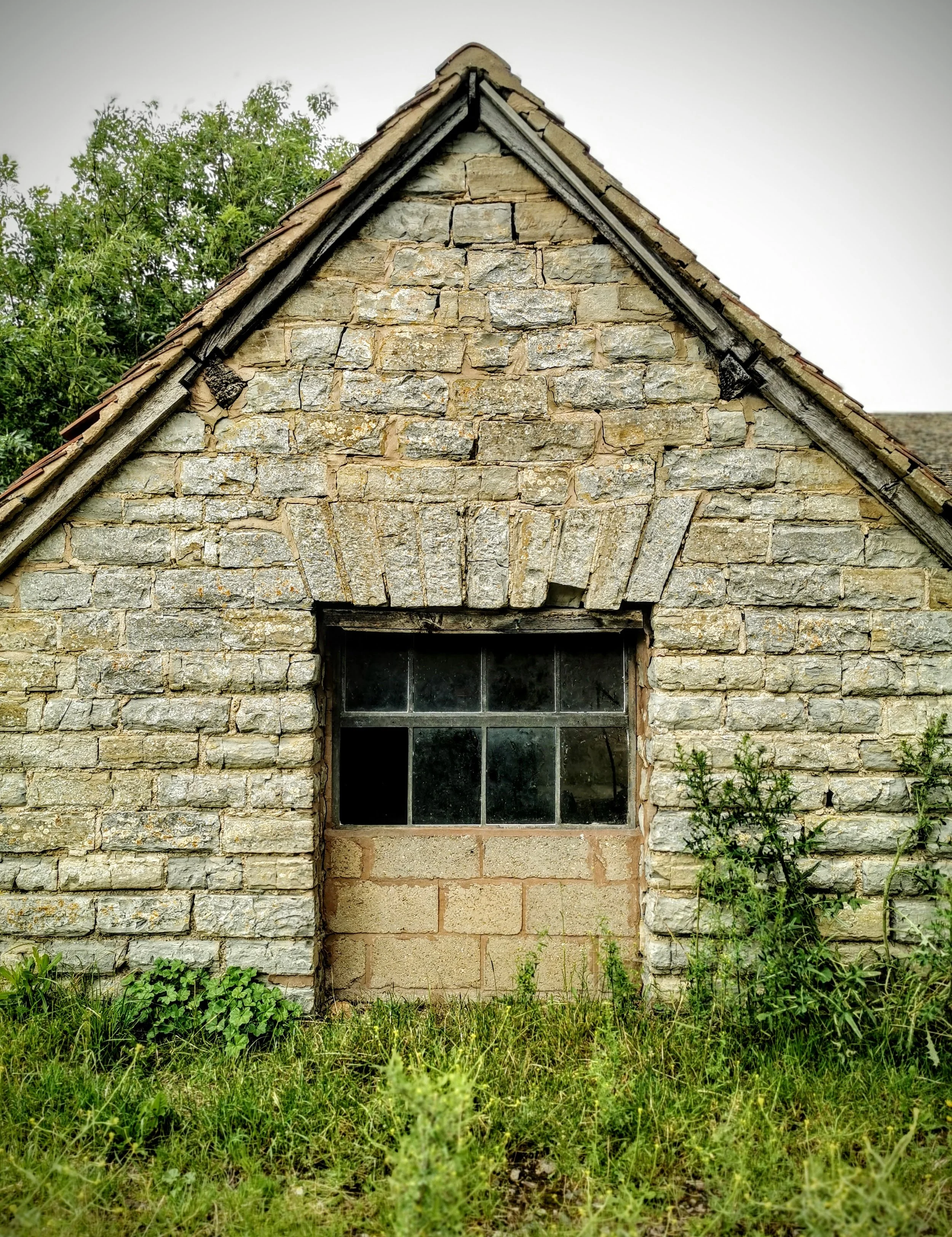
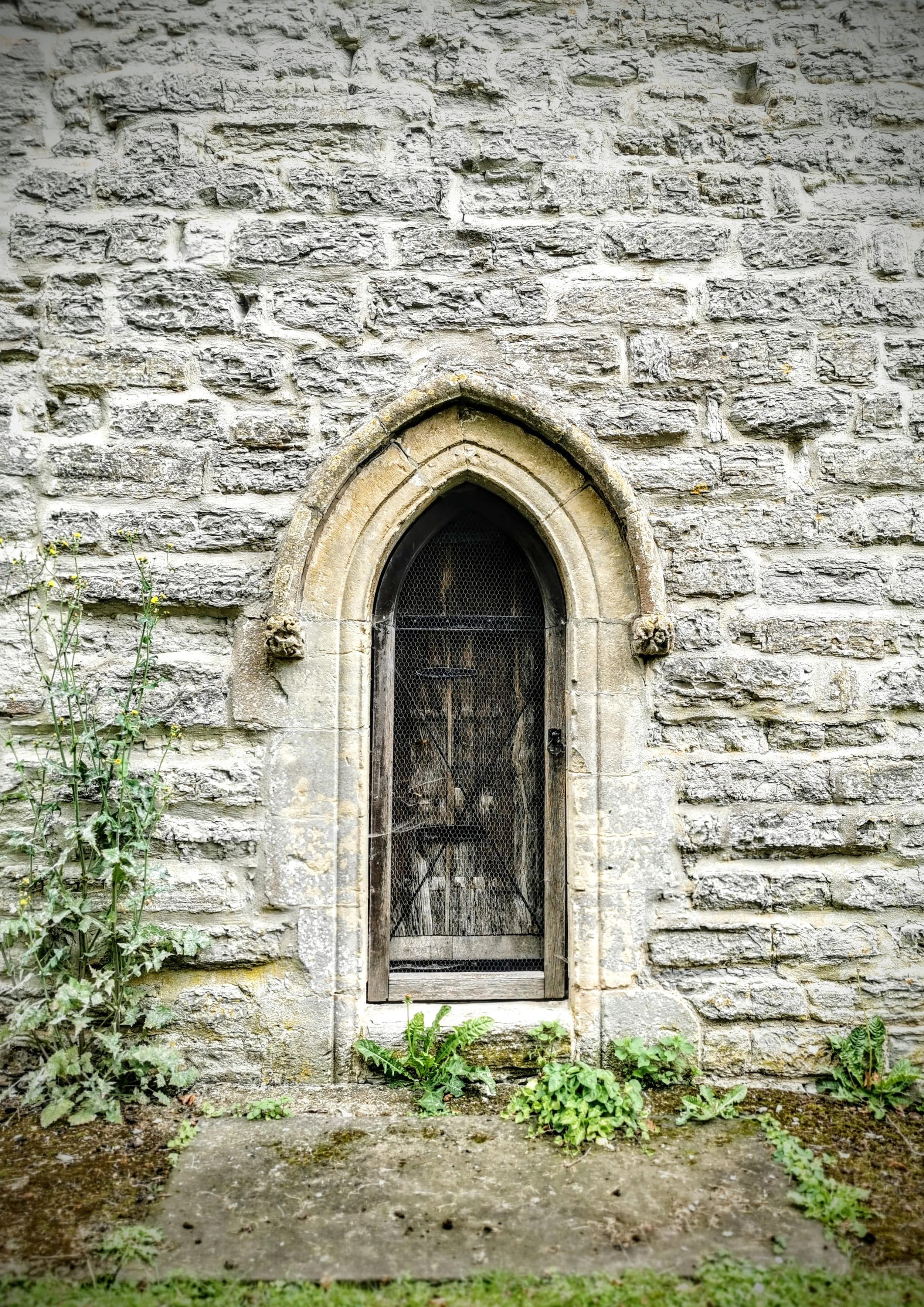
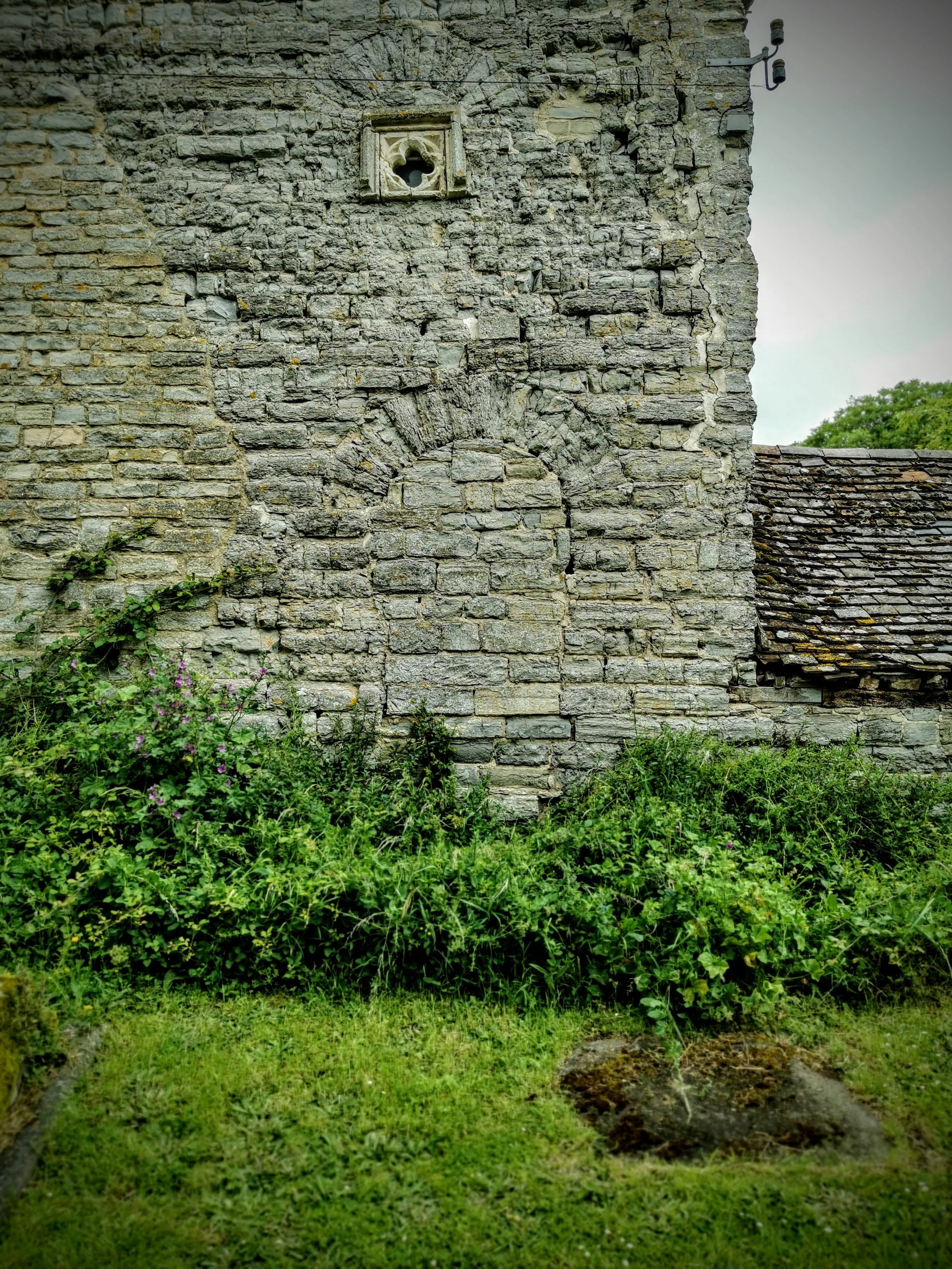
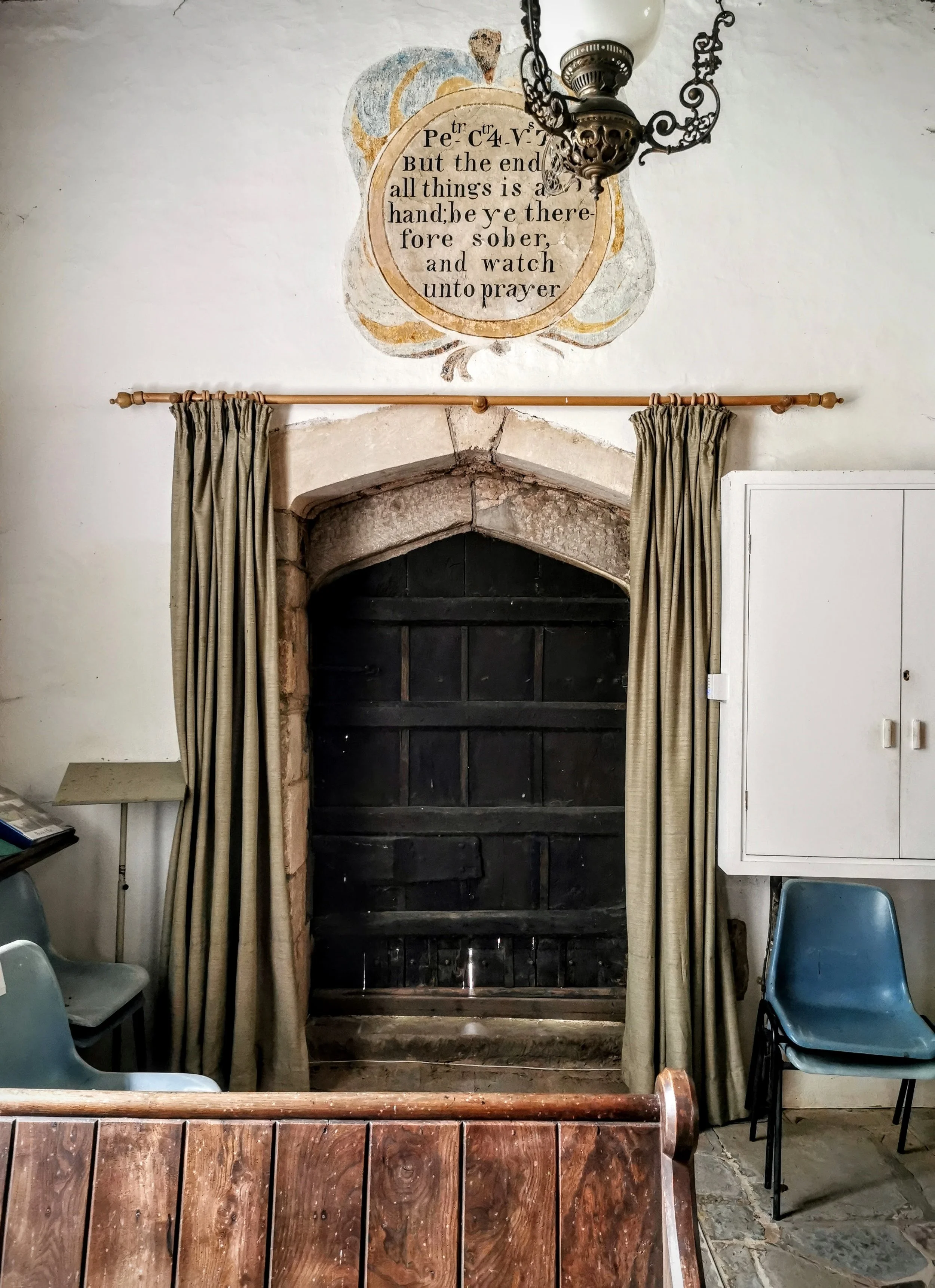
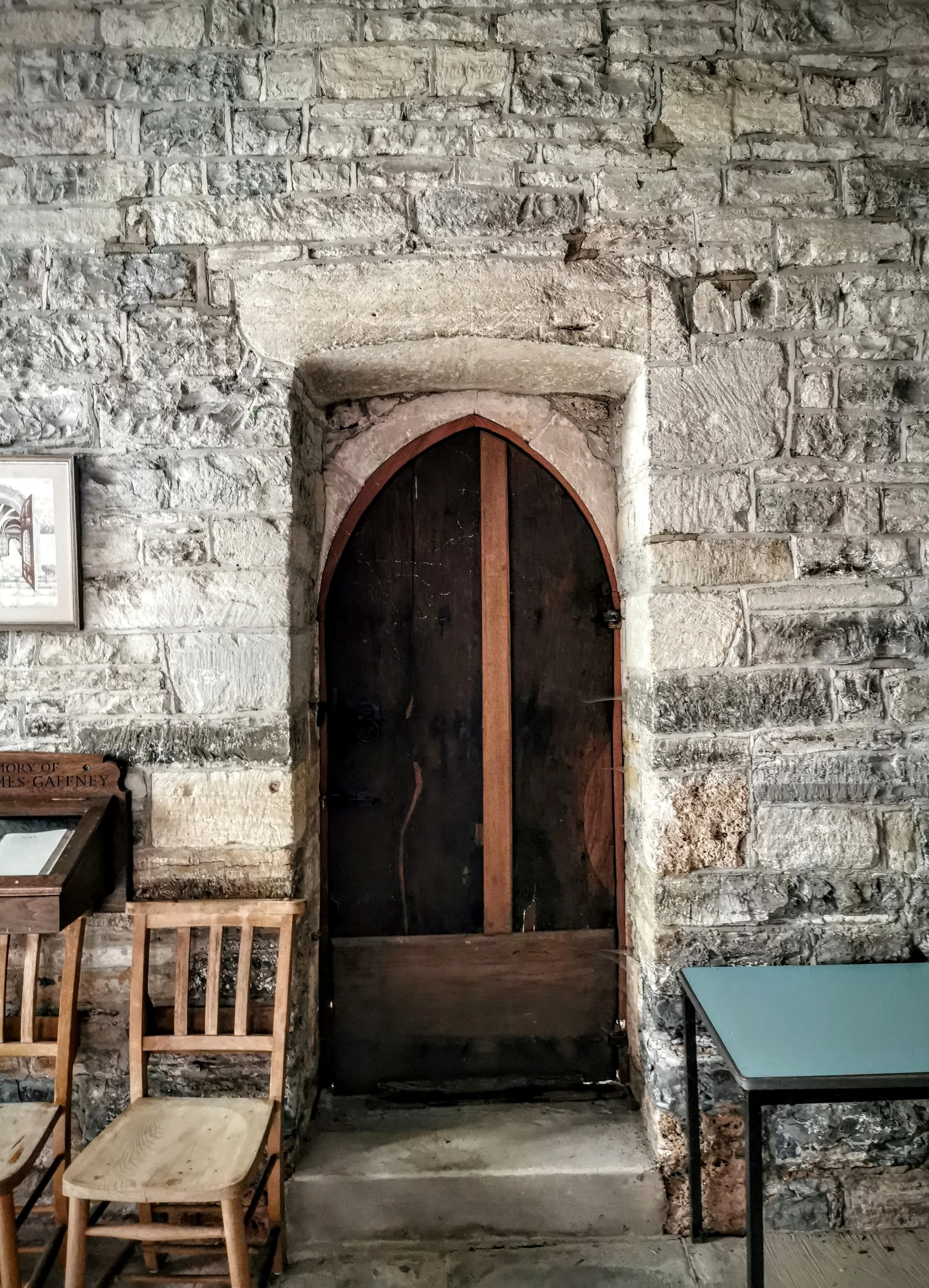
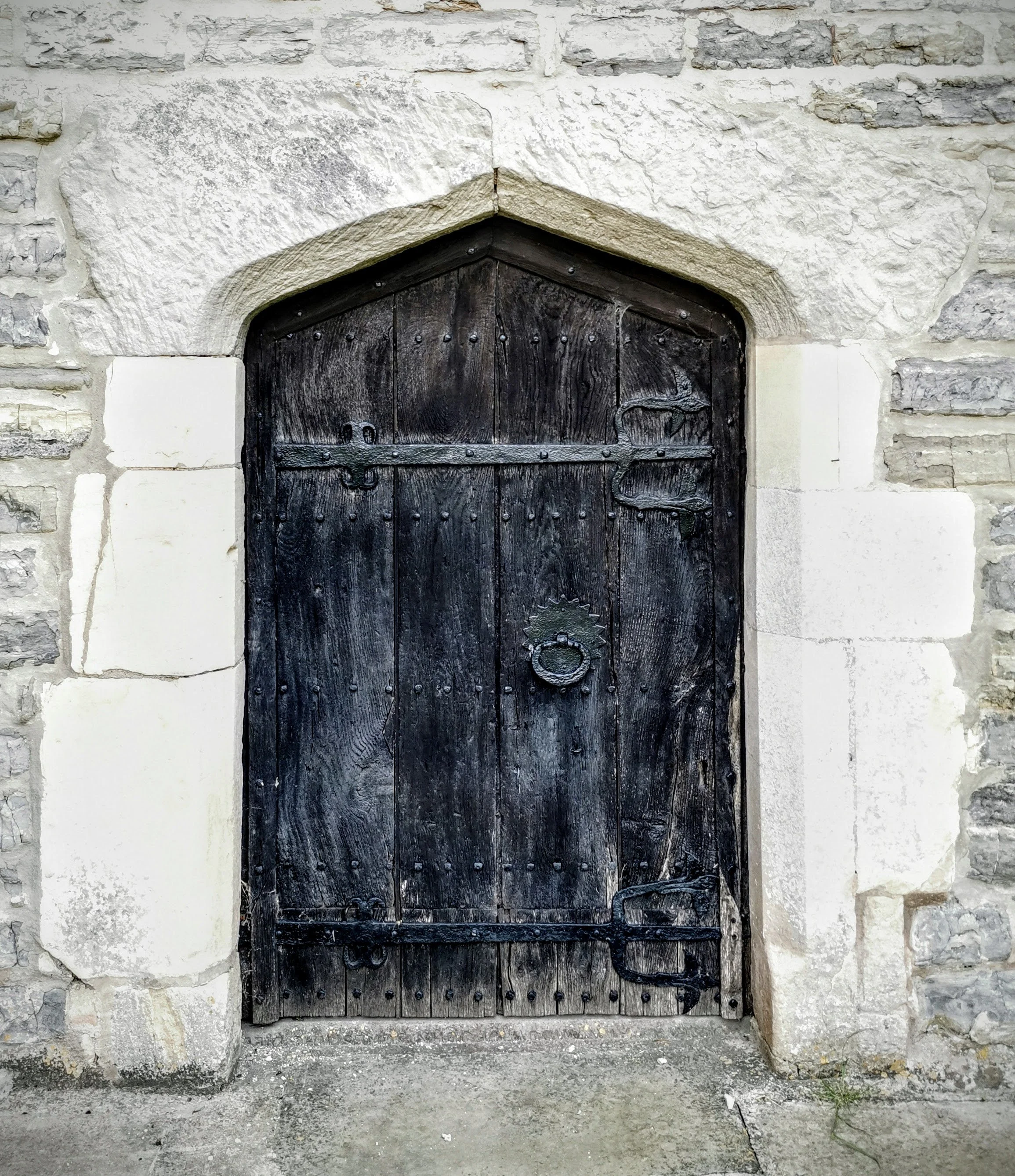
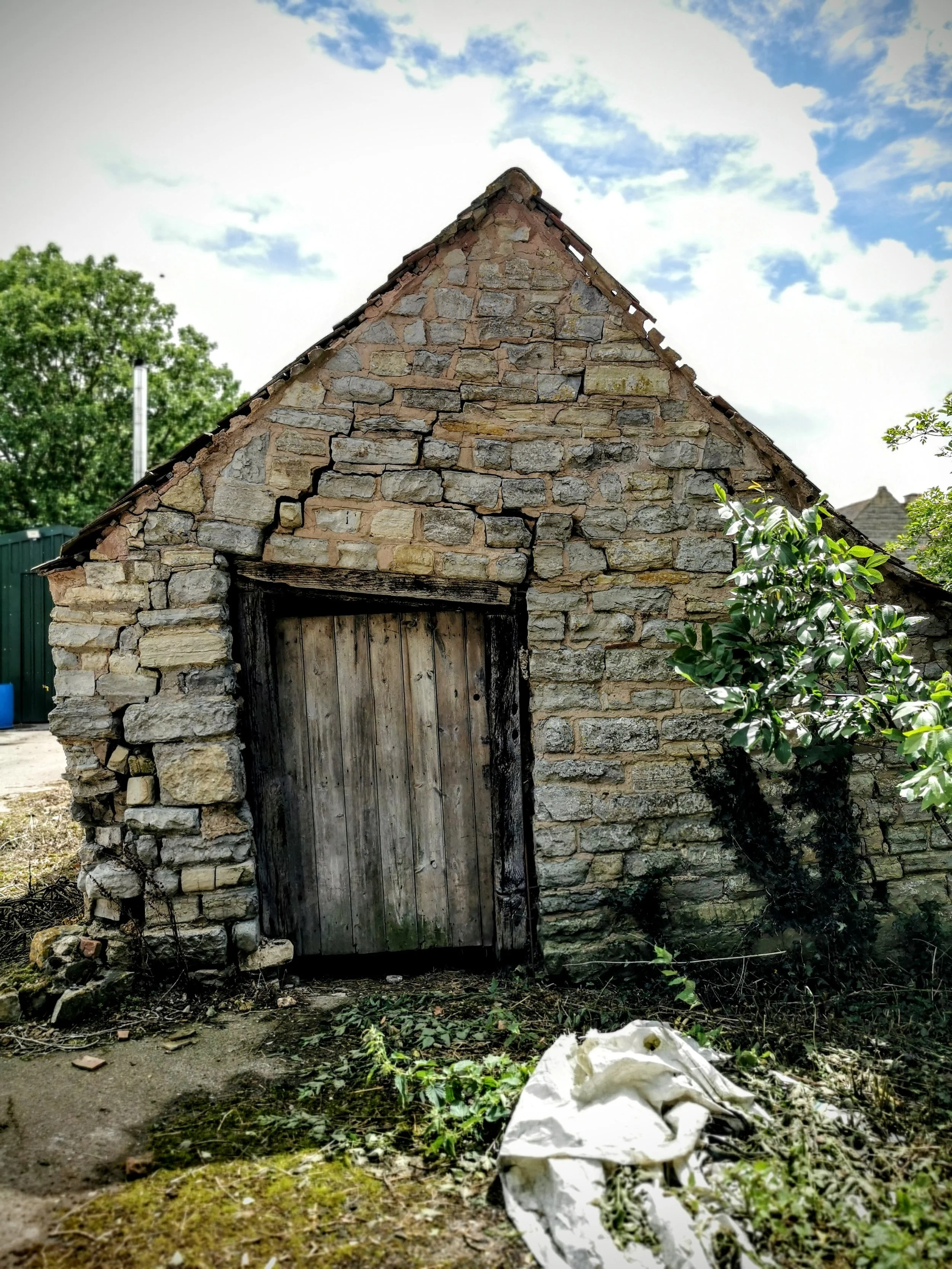
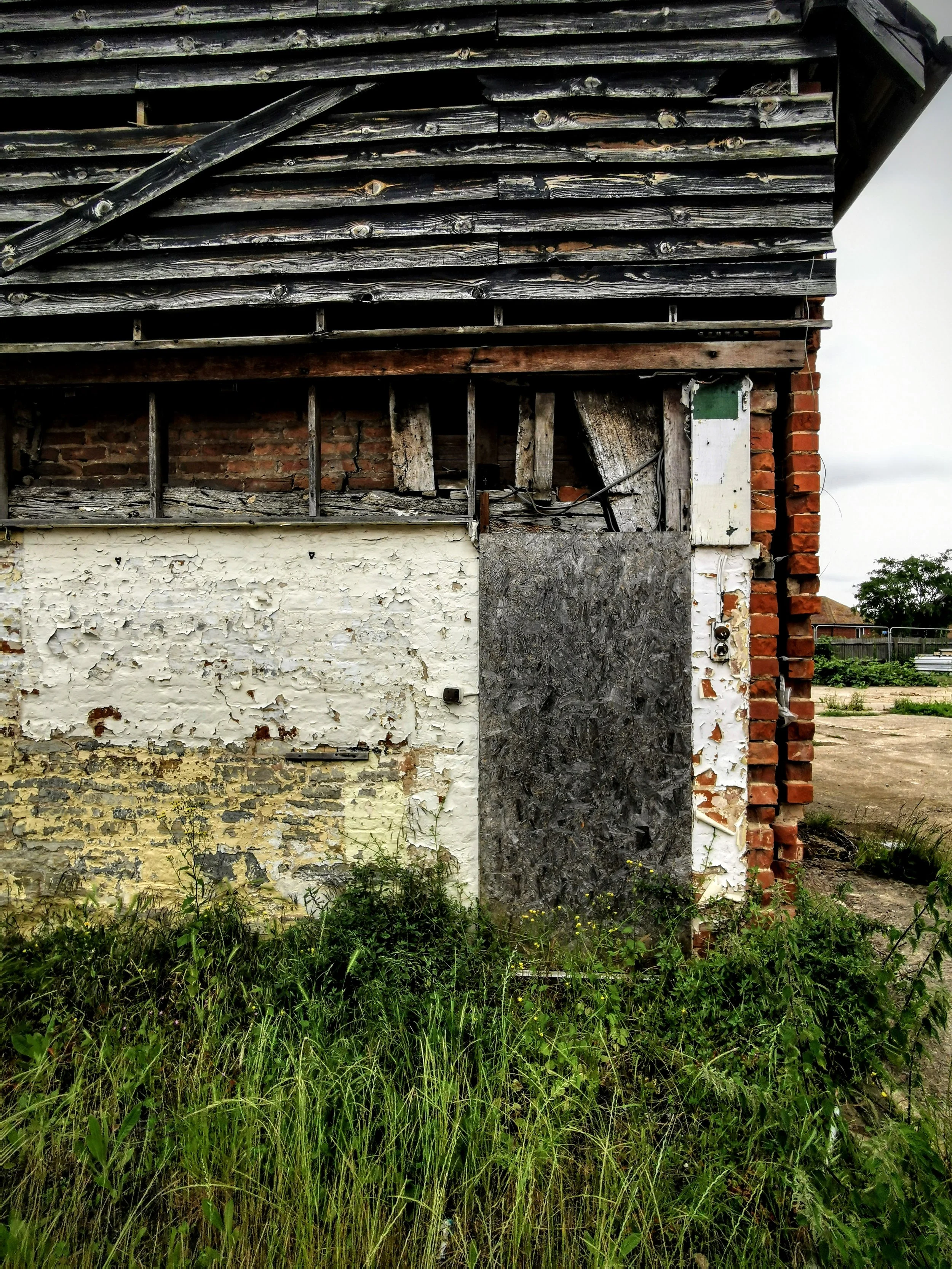
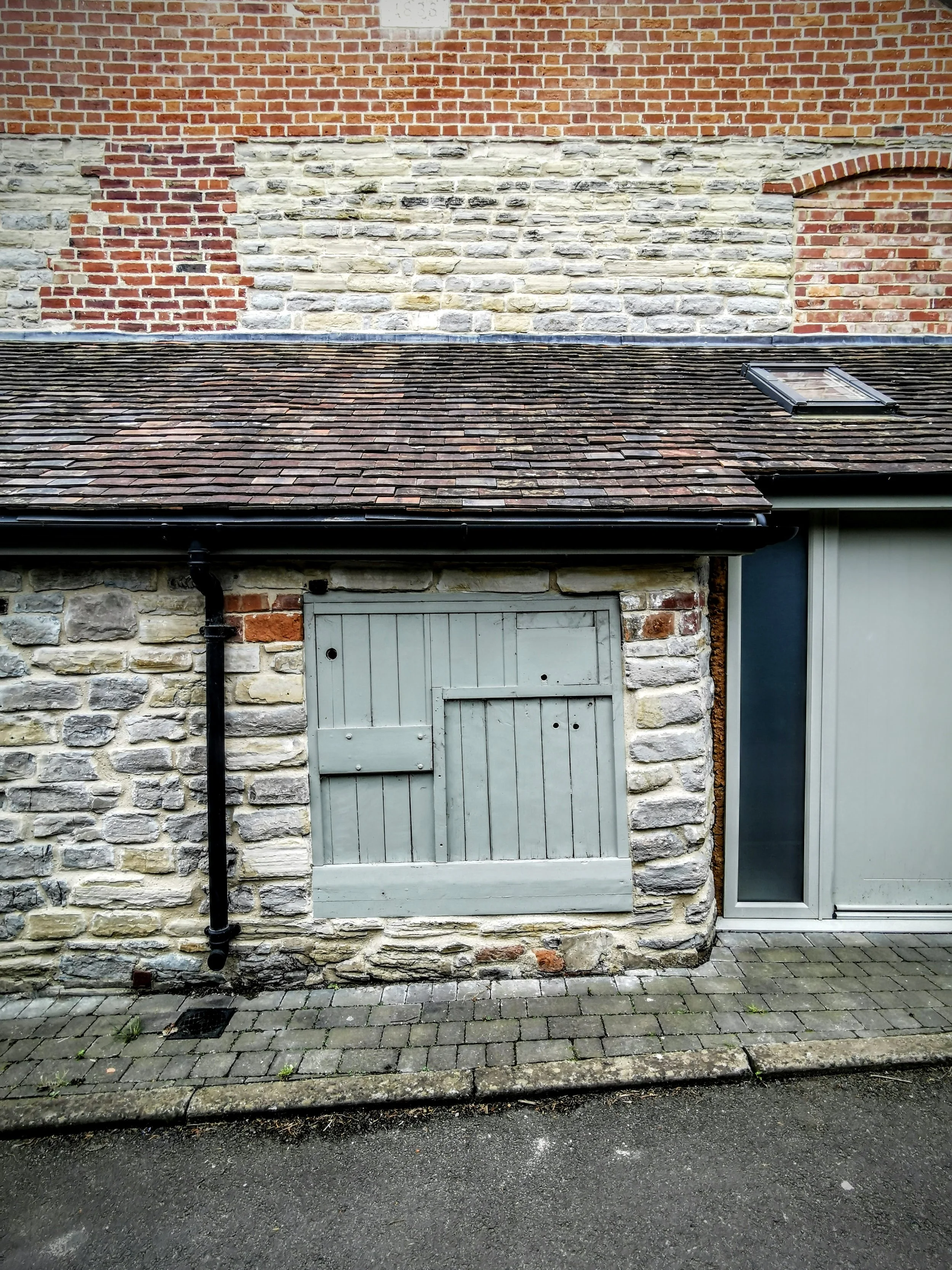
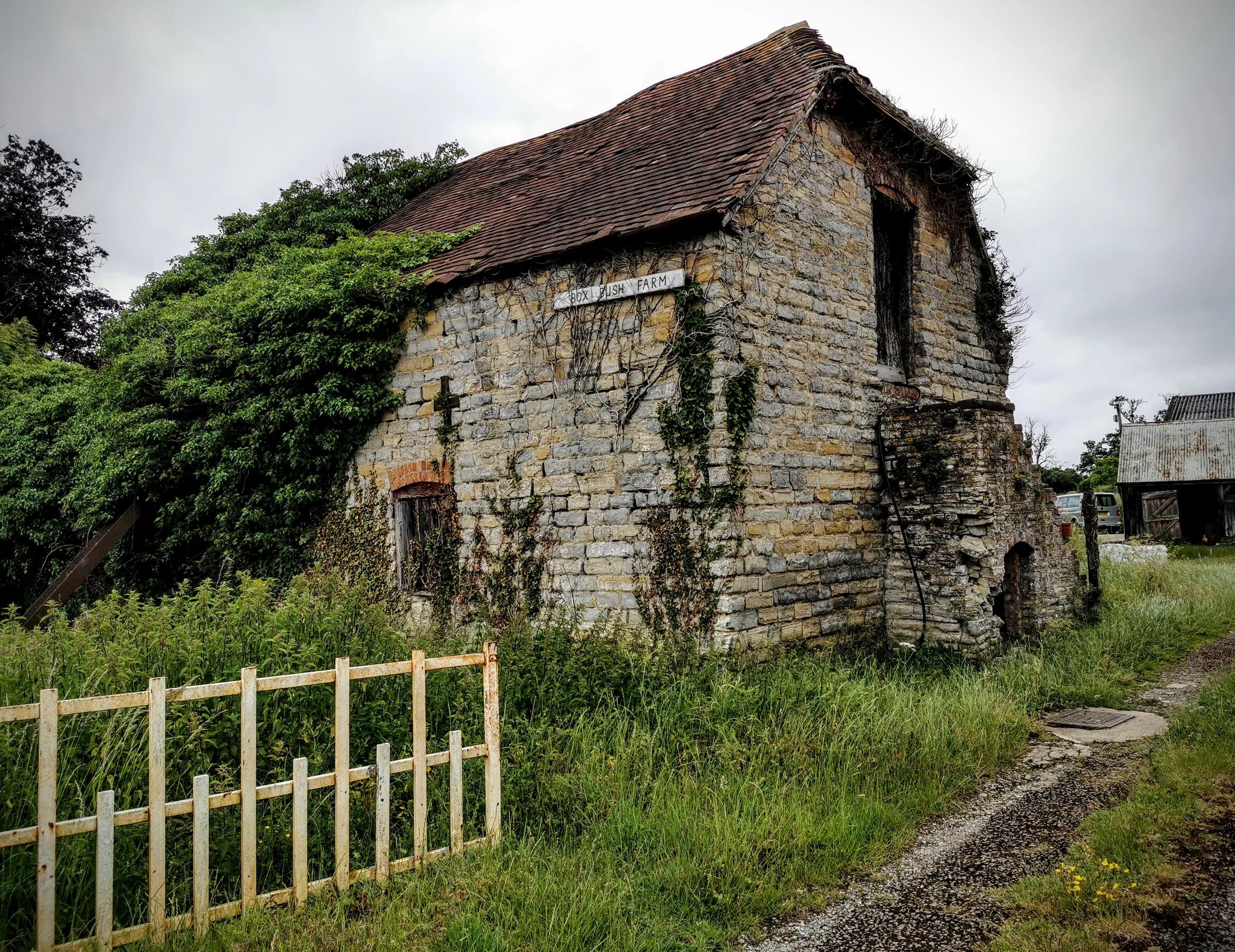
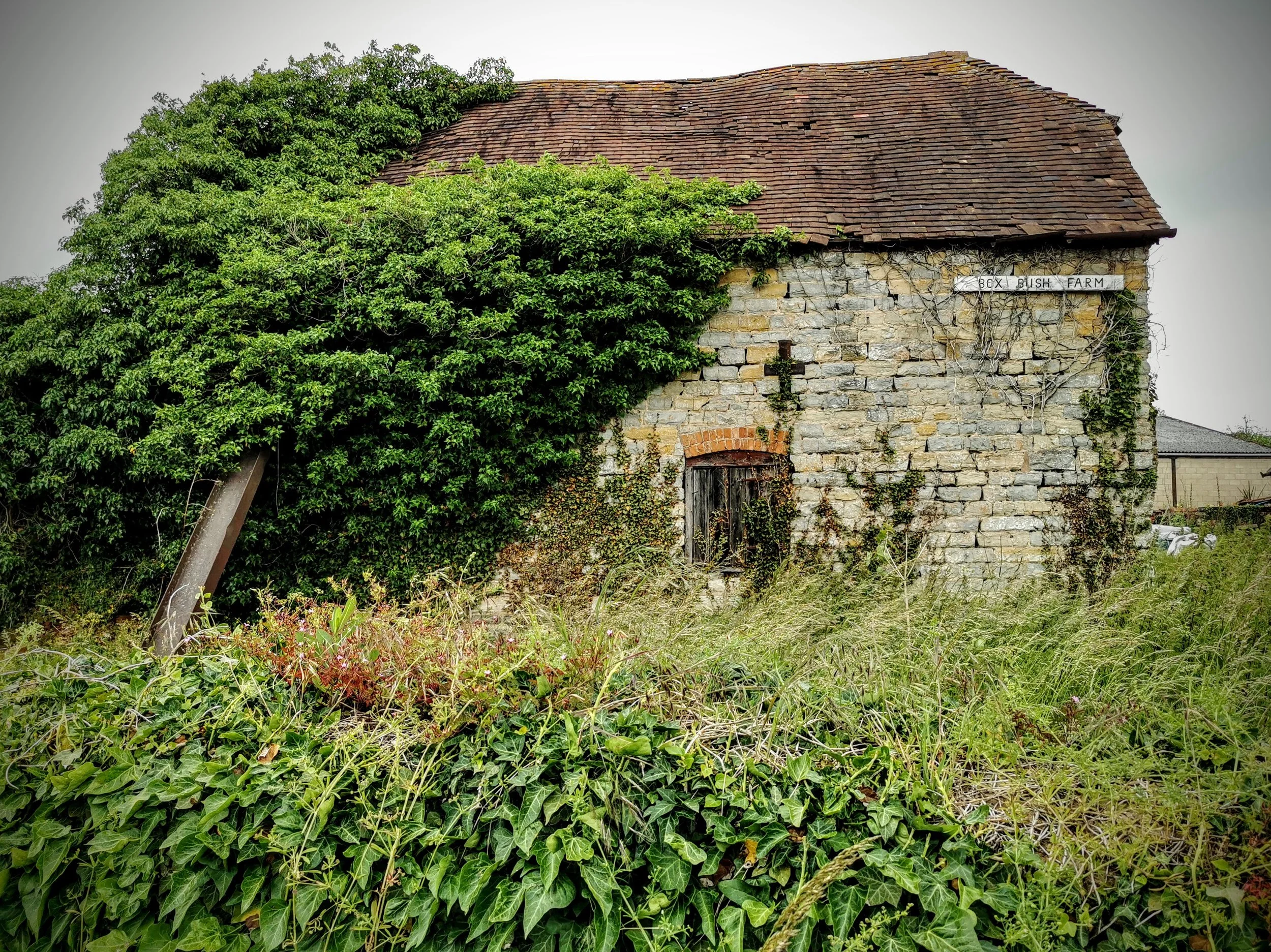
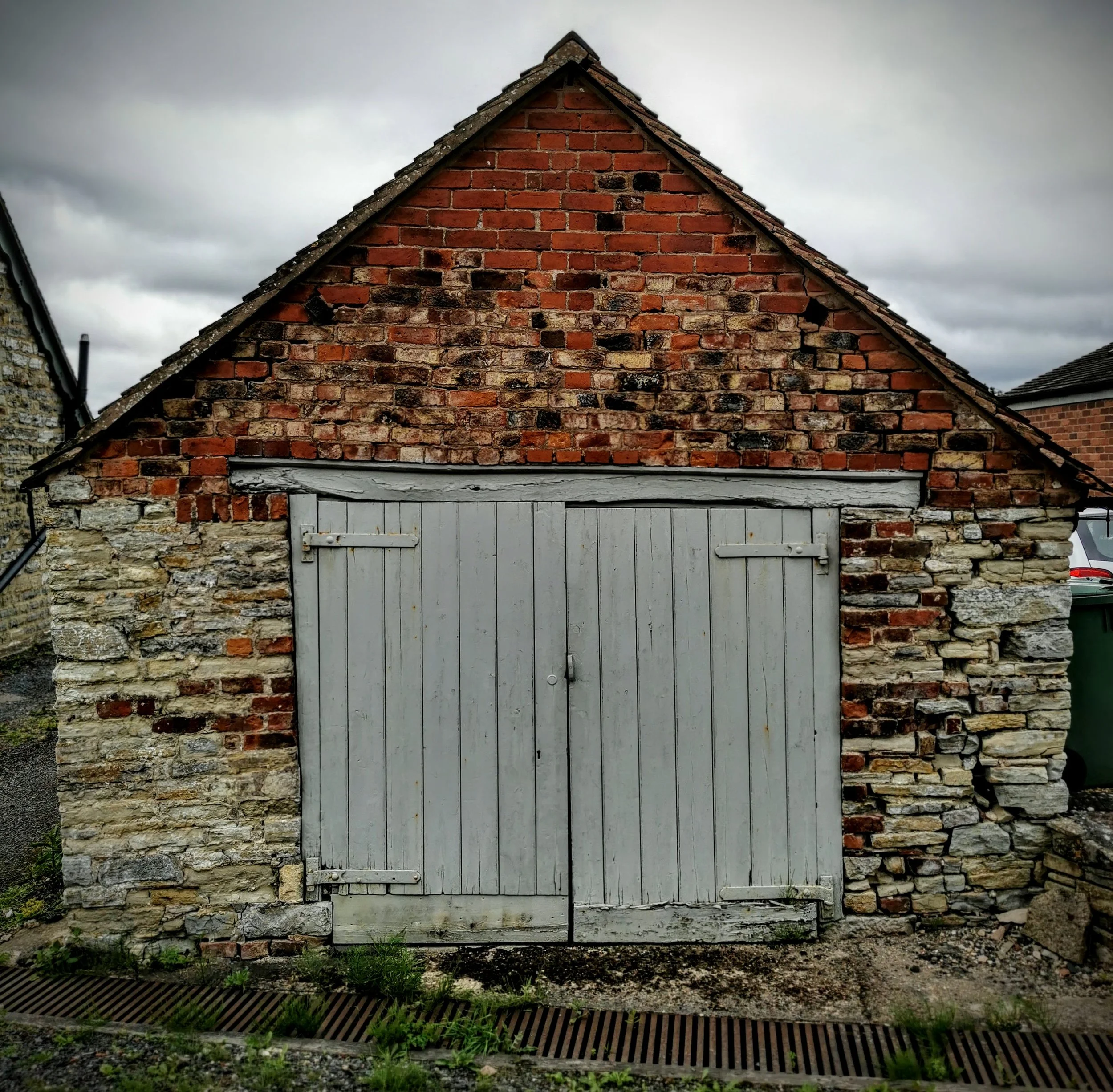
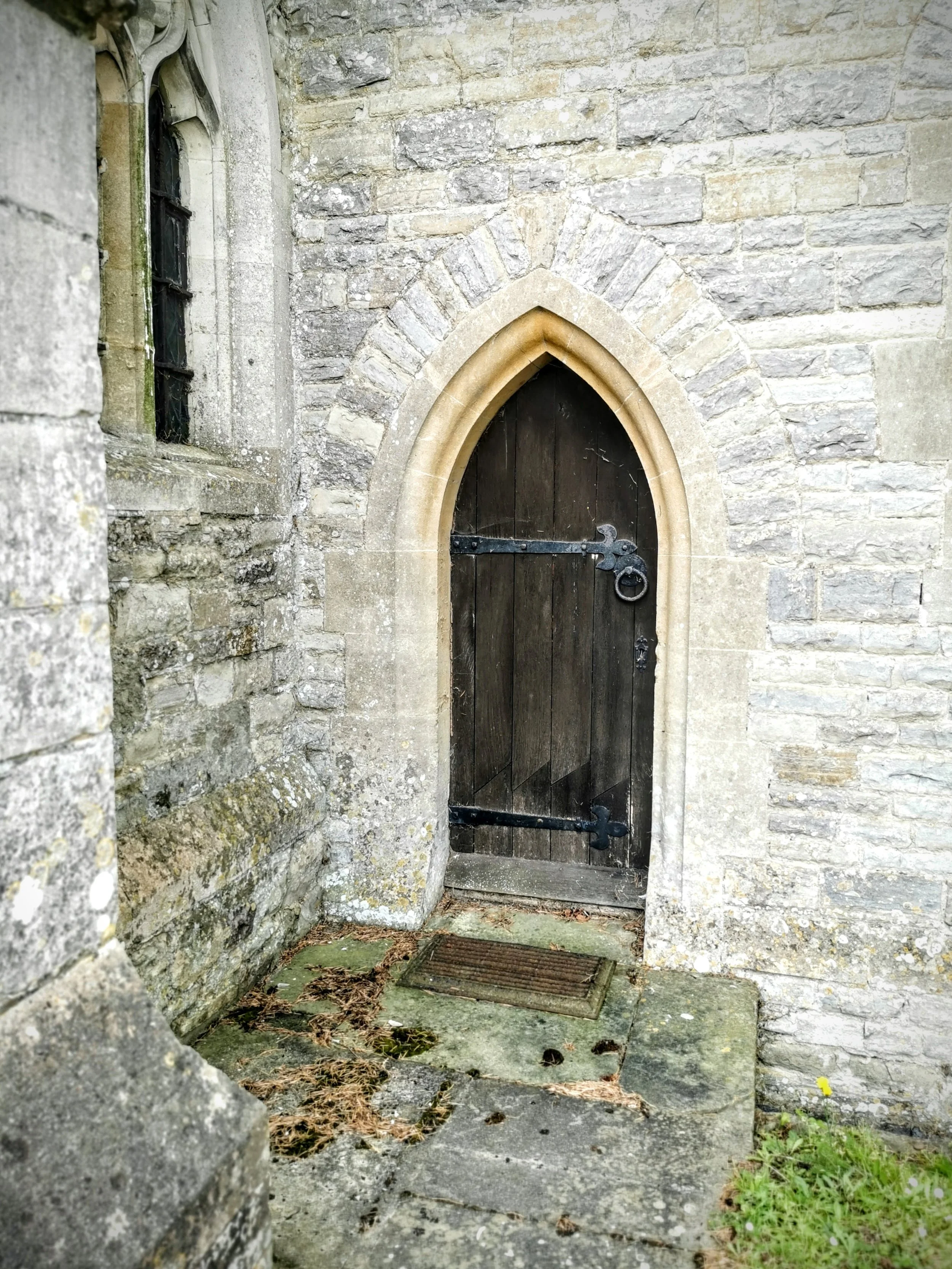
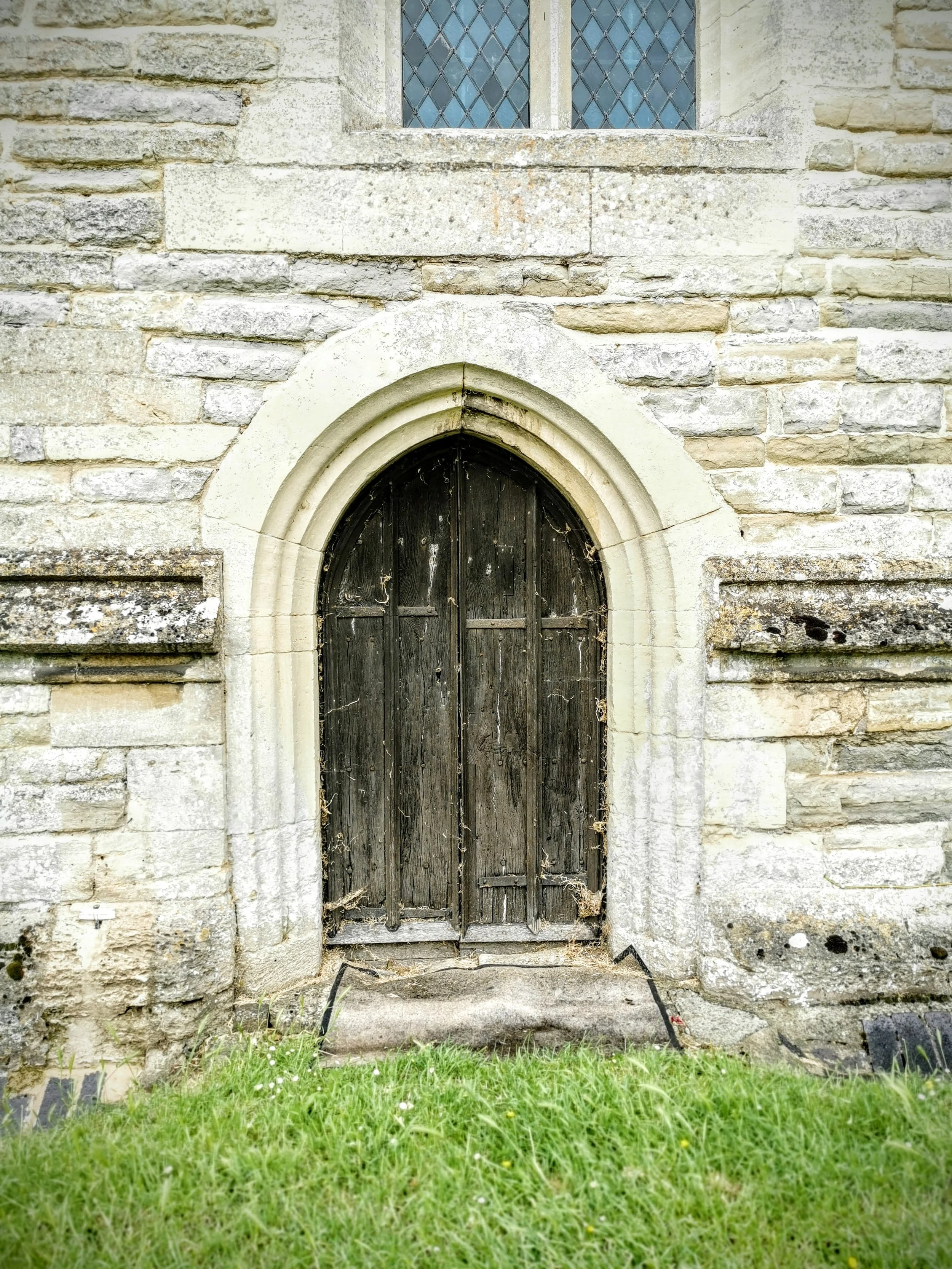
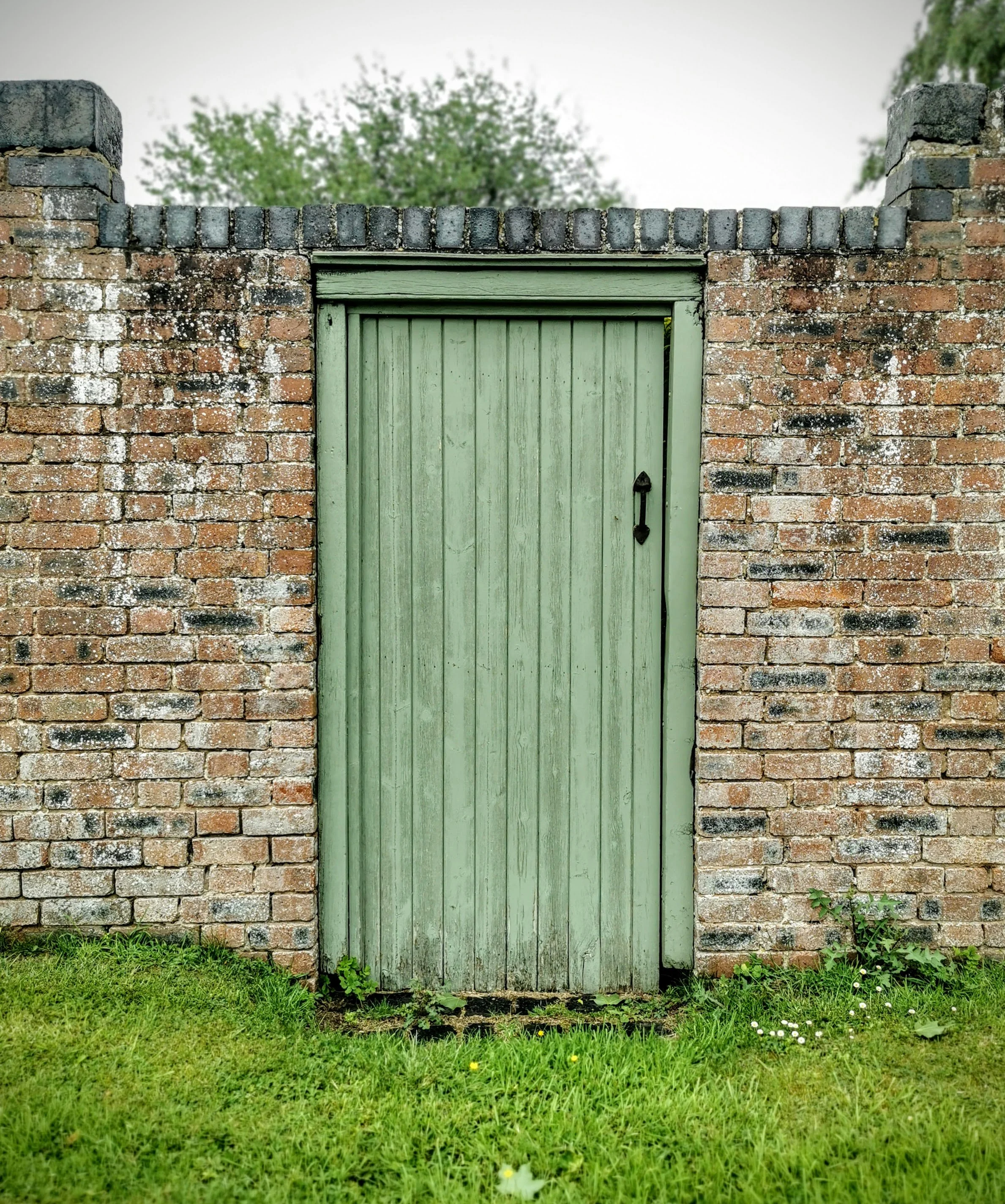
But on a lighter note there are many doors not used anymore.