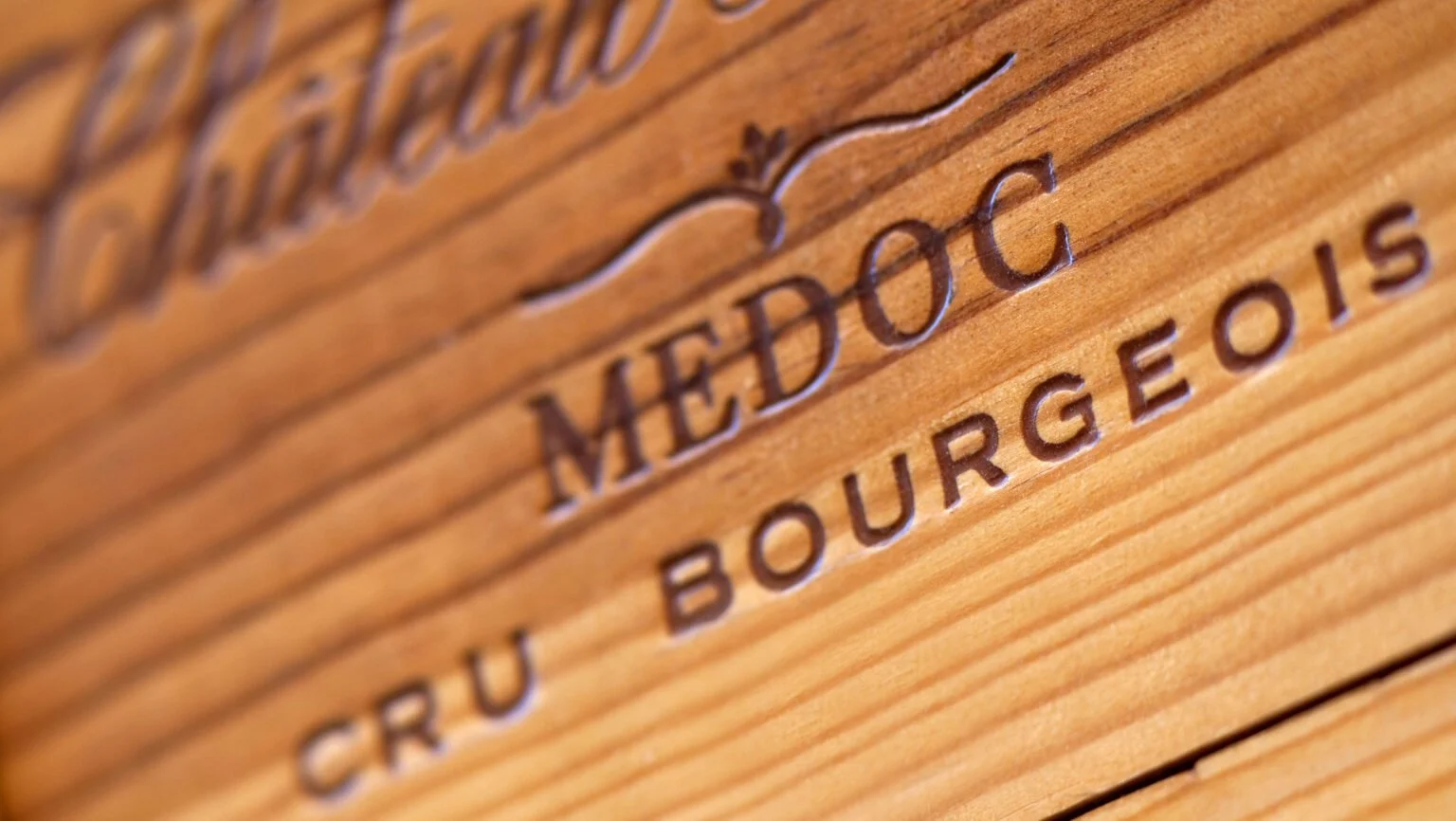
The Other Medoc: Cru Bourgeois
Cru Bourgeois as an informal term has been in use for centuries in the region, it was only when the Bordelais attempted to formalise it did it become by degrees problematic, then disastrous. Today the term has real meaning, with a rigourous selection progress that makes it a true hallmark of quality within the Médoc. But is it too little, too late with the classification simultaneously defined and undermined by the estates that eschew its processes and instead rely on reputations forged through historical excellence? And with the spectre of the Michelin Guide introducing their own hierarchy to the region, is the future of classification brighter than its troublesome past?
Cru Bourgeois is a secondary, supplementary classification to the classed growths that has been in casual use since the 15th century, a nod to the un-aristocratic ownership of the hundreds of lesser Châteaux that crowd the plateaux beyond the Route des Châteaux. There are no Barons or Marquis here: these were the more humble estates run by the merchant class and the townsfolk (‘bourg’ being French for town).
So when the 1855 Classification elevated 60 estates to Cru Classé status it simultaneously left a huge proportion of Médoc producers without one. Its static nature ever since meant those neglected estates had no hope of promotion, no matter how ambitious or quality-conscious they were. Something needed to be done, and finally in 1932 the Bordeaux Chamber of Commerce and the Gironde Chamber of Agriculture came together to draw up a list of properties to be enshrined as bearers of the ‘new-old’ classification of Cru Bourgeois.
In the end 444 estates were offered the new status but in a move that might not surprise you it was never made fully into law, so remained a quasi-classification implemented and utilised in a rather haphazard fashion. At the time the Médoc was in rude health but fate had challenges in wait, with a combination of the Great Depression, World War 2 and a sequence of poor vintages seeing the region suffer. By the time the concept was re-visited in 1966 many of those 444 properties had ceased to exist and the area under vine had shrunk dramatically from 25,000 hectares to a mere 6500.
The region and its struggling vignerons needed a shot in the arm. The Syndicat des Crus Bourgeois decided that would come by revising the classification, introducing a new three-tiered hierarchy (Cru Grands Bourgeois Exceptionnel, Cru Grand Bourgeois and Cru Bourgeois) but the list was significantly smaller, at just 101 Châteaux. But again the ruling was not fully made into law and and only included Châteaux who were members of the syndicat, crucially omitting several high-profile estates like Siran, Sociando-Mallet, Gloria and Angludet.
It was further tweaked in 1978 with the now familiar terms Cru Bourgeois Exceptionnel, Supérior and straight Cru Bourgeois debuted but old flaws remained: the terms still lacked legal standing and some of the region’s best were still not included. This lack of control meant that by the turn of the century around 400 Châteaux were using the term anyway and the Bordelais were facing mounting pressure from the E.U. to clean house.
That process was begun in 2000 and finally completed in 2003. It was thorough: every applicant has to submit a history of the estate as well as details of its vineyards, varieties planted, vinification and ageing methods, market price, awards, mentions in the press and wine guides as well as submitting samples of every vintage between 1994 and 1999.
The new list used the tiers from 1978 and of the 490 Châteaux that applied 247 were awarded Cru Bourgeois status including 9 Exceptionnel and 87 Supérior. But this is Bordeaux: 77 estates from 1932 had lost their Cru Bourgeois designate and were thoroughly unimpressed and promptly took their chagrin to the courts.
And the French courts took their side. The judgement had been made by a committee that included the leading brokers of the day, oenologists and négociants, and included the president of the Union of Crus Bourgeois of the Médoc. Vested interests were cited and after limping on for four years the much-heralded 2003 revision was annulled in 2007, and the use of the term Cru Bourgeois was outlawed altogether by France’s Fraud Office. They had tried for the sublime, but ended up with the ridiculous.
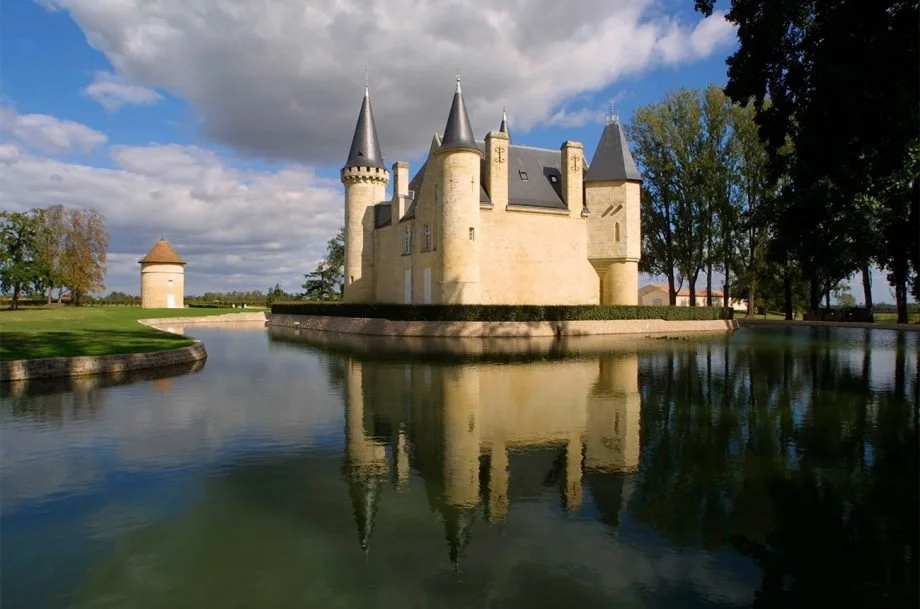
A good proportion of the better Châteaux owners were of the same opinion and by 2010 when the classification was re-instated as simply Cru Bourgeois they had lost patience with it entirely. Defectors included a breakaway group of 6 who had been awarded the top tier in 2003 now calling themselves “Les Exceptionnels”. These were the crown jewels of the Cru Bourgeois, names that in another timeline might have been classed growths: Ormes-de-Pez, Chasse-Spleen, Château de Pez, Potensac, Poujeux and Siran.
Losing them compounded the existing problem that the classification had, a veritable who’s who of the Médoc outside of the classed growths: Gloria, Glana, Phélan-Ségur, Labégorce, Lalande-Borie, Sociando-Mallet, Meyney, Angludet and Monbrison to name but a few. These estates took the measured and justified viewpoint they are able to sell their wine without the need for an official designation, and in particular one that had originally ignored them then subsequently fumbled the classification so badly it was ruled illegal. For those proud Châteaux it also meant independance from authority in both vineyards and winery, and the need to submit bottles for evaluation every year.
That sorry state of affairs continued coughing and spluttering until 2020 when the Bordelais had another go. The three tiers were re-introduced to the relief of the more aspirational Châteaux who were struggling to achieve the market price their wines deserved (finding that consumers in the interim were relunctant to pay extra when there were wines for less with the same classification). With it Cru Bourgeois had finally achieved a semblance of equilibrium, with a rigorous selection process that included sustainability and environmental factors that is revised every five years, and crucially one that is enshrined in law and not simply convention.
But it begs the question did it all come too late? It is a hard conclusion to escape that the names outside define the Cru Bourgeois classification more than the names within. If you want a credible hierarchy that can challenge the classed growths it needs the best producers included, historically consistent estates with famous names and a strong following in the market. These brands are able to leverage their reputation to transcend classification but by doing so they leave a void behind.
But today at least the name Cru Bourgeois carries weight, a gravitas with a genuine assurance of quality. 249 were awarded the classification in 2020 and with even more strict criteria in 2025 that number was reduced to 170. A Cru Bourgeois Exceptionnel in the modern setting provides the consumer with a wine that is made with the same sort of kid-glove treatment afforded to their more aristocratic neighbours, at a considerable discount to those cru classés.
It also provides ambitious estates with a upwards mobility that will reward investment, vision, environmental awareness and talent which is crucial for the lesser-known estates that cannot rest on past laurels. It is finally a way to knock on the door of the old boy’s club, if not one that will blow it fully open but at least forge a fresh reality for themselves in one of the most tradition wine markets on the planet.
Cru Bourgeois’ modern form is a mere five years old so it needs to put the miss-steps and uncertainties behind it and build its market presence through clever promotion, consistency and quality. For those unfamiliar with the region looking to navigate the sea of estate names it must be an invaluable tool, and even for the veteran claret-drinker it should have relevance.
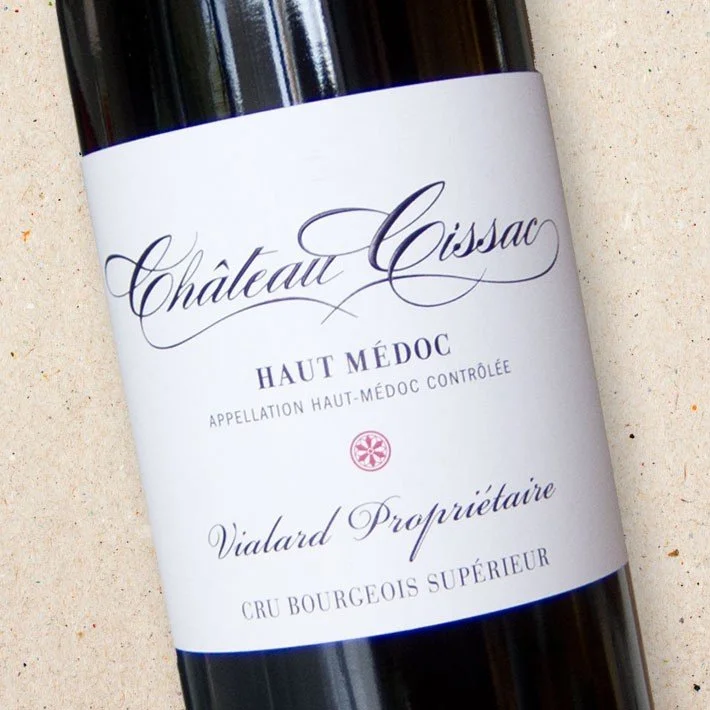
It would be spurious to blame today’s Bordelais for the errors of the past, but one of Cru Bourgeois’ greatest obstacles to credibility lies squarely in its historical misuse. The repeated failure to enshrine the ruling into law until 2003 left the term open to exploitation, and leaves large volumes from older vintages out there carrying the designation despite not qualifying under today’s criteria — and in some cases not even at the time. The inevitable result is consumer confusion.
The annulment of the 2003 classification just four years later was a hammer blow. Even within the trade, assumptions persist: I recently found myself checking Château Lanessan’s status, assuming it to be Cru Bourgeois. It is not, despite having been Cru Bourgeois Supérieur until 2007 and remaining one of the Médoc’s most consistently high-performing estates — one that has since chosen to opt out altogether..
This points to an inherent structural weakness. Some of the Médoc’s finest estates were never brought into the fold, while others were subsequently lost. Either the delicate politicking required to woo those Châteaux was never attempted, or it proved insufficient. A hierarchy must function as a reliable route map for consumers, informing them how to spend their money wisely in a crowded and convoluted market. While Cru Bourgeois does broadly accomplish this in its modern form, its authority should be derived from a comprehensive roll-call of estates within its classification. Instead, those remaining outside are its greatest weakness, conspicious by their absence.
They remain absent because Cru Bourgeois has failed to make a compelling case that they need it. Through historical performance and brand equity, these estates already command market positions that even a Cru Bourgeois Exceptionnel designation would struggle to enhance. For these estates submitting to the classification would be akin to taking a knee to an unworthy king. Others were lost through fatigue at dealing with the turbulent nature of the classification between 2000 to 2010 and are left with little incentive to re-engage.
The result is a peculiarly stratified Médoc: a strange brew of the immovable Cru Classé of 1855; a powerful cohort of unclassified yet quasi-classed estates; the rehabilitated but incomplete Cru Bourgeois; and the smaller producers beyond. Into that mix in 2026 comes the shadow of the Michelin Guide, armed with century-old cultural capital of being a global zeitgeist of taste.
Whether Cru Bourgeois can coexist with this new arbiter remains to be seen. Cru Classés have long proven their resistance to reform, but Cru Bourgeois lacks the same inertia. Will the two systems overlap, diverge, or collide? What of those outsider estates like Sociando-Mallet, overlooked in 1855 and never offered Cru Bourgeois status, yet commanding high prices and the respect of the collective claret consciousness: will they welcome the chance to join Michelin and bite their thumbs at organisations that ignored them in the past?
Cru Bourgeois becomes another example of the challenges inherent in creating a robust, credible hierarchy of wine estates, a cautionary tale in navigating the delicate politics of proud châteaux and producers, avoiding accusations of vested interests and bias, and imposing structure on what remains an inherently subjective tasting experience. The modern classification has finally begun to fulfil its intended purpose — but one cannot escape the conclusion that it arrives some twenty years too late.
Written by A James Cole