Investigation into the Unused Doors of Temple Guiting
The village was recorded in the 1036 Domesday Book as simply ‘Guiting’, a derivative of a Saxon word that loosely translates as ‘rushing water’, a reference to the Windrush River it straddles.
In the middle of the 12th century the lands were gifted to the order of the Knights Templar by the then owner, Gilbert de Lacey. They established a preceptory there and administered their holdings throughout the region from it.
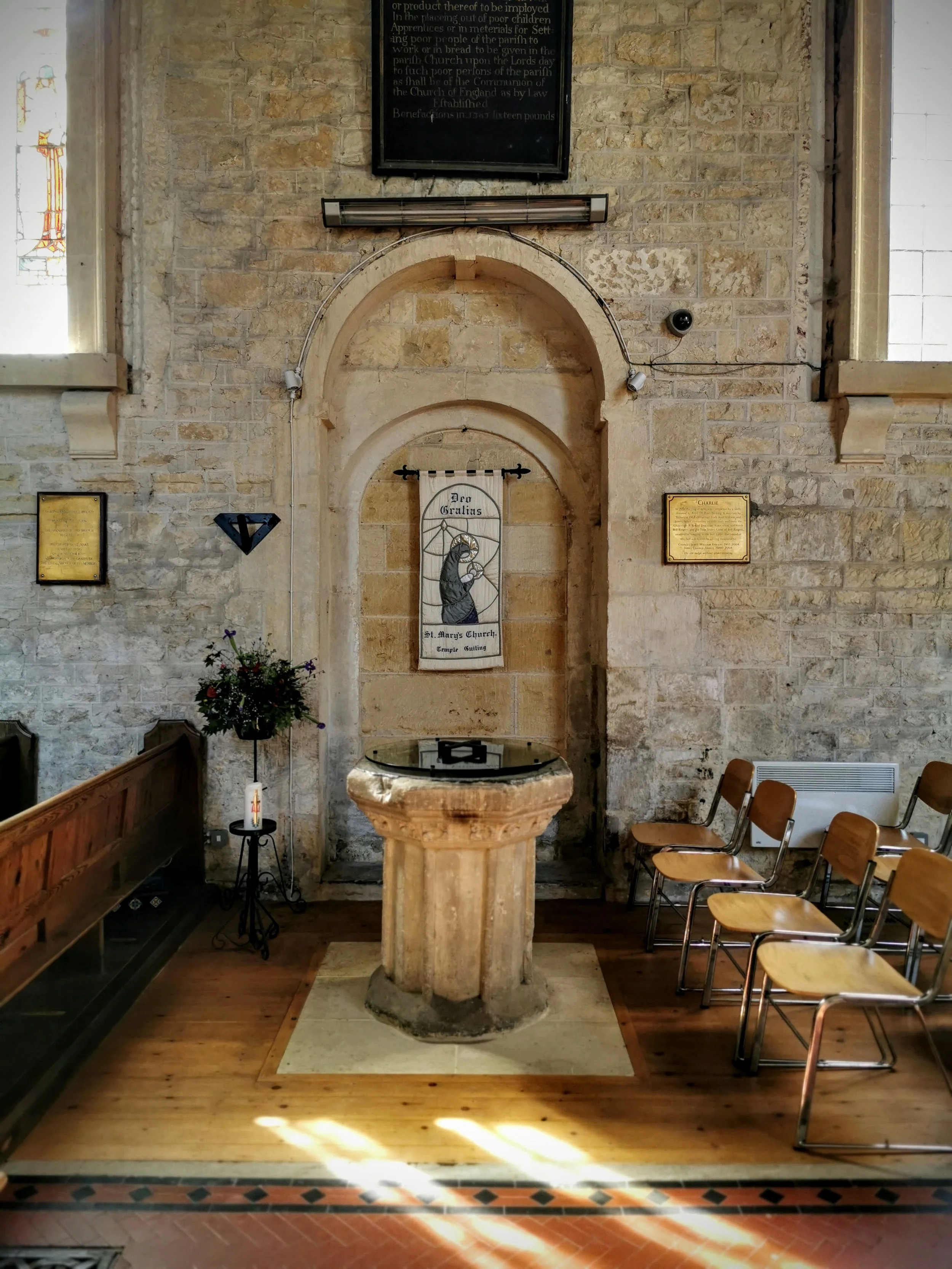
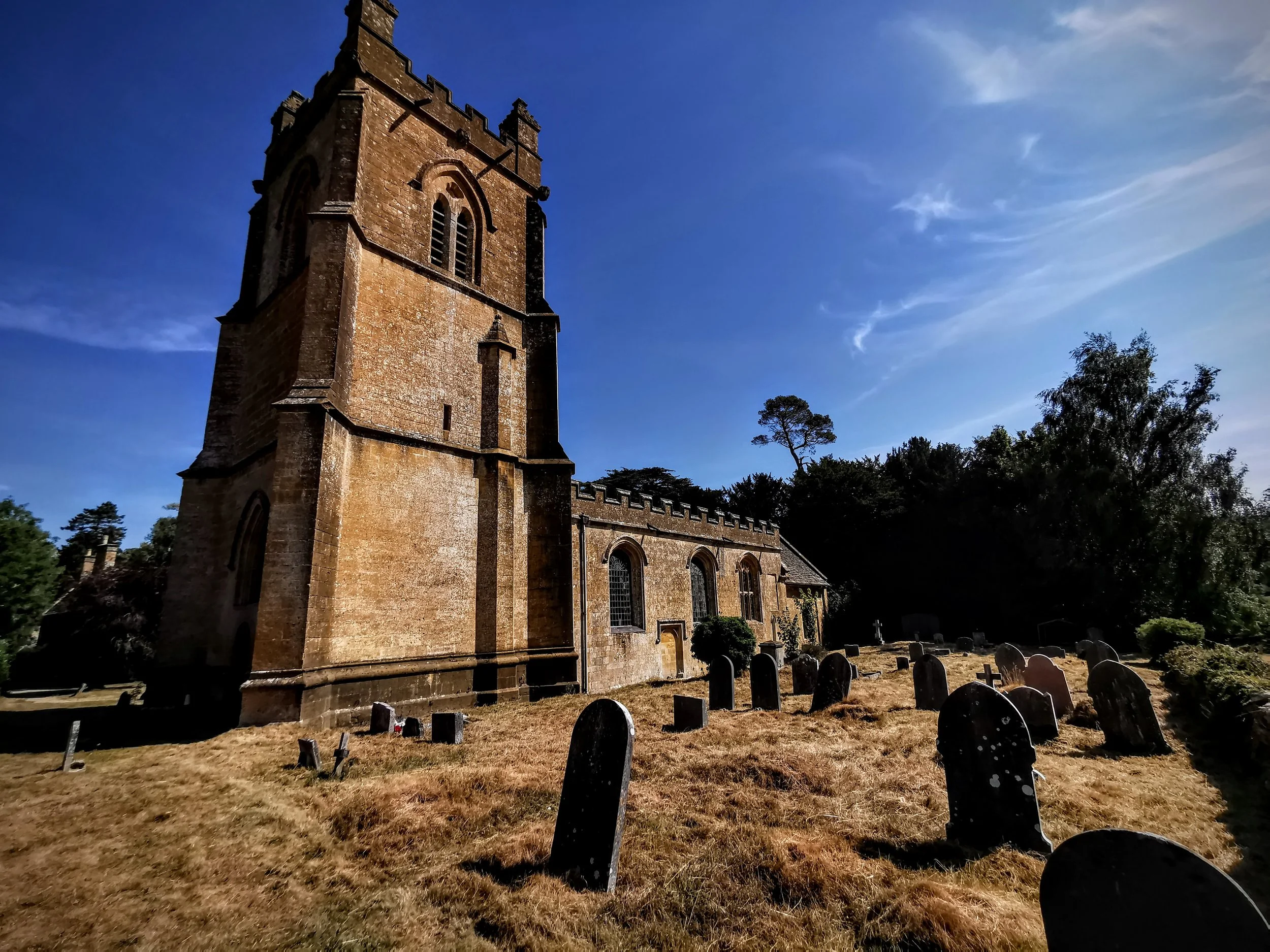
That building does not still stand, or at least not in its original form, but many of the medieival outbuildings and the knight’s church, St Mary’s (above), certainly still does. When the order was betrayed by King Phillip IV of France, who was heavily in debt to them, its leading members arrested, accused of heresy and many burnt at the stake, the lands passed the Knights Hospitaller who were based at nearby Quenington.
The persecution of the Knights Templar is now admitted to have been unjust by the Catholic Church, citing pressure from the French Crown and the public scandal born of propaganda against the order. Perhaps God took a hand in their vengeance: the Grand Master Jacques de Molay called out even as he burned "Dieu sait qui a tort et a péché. Il va bientôt arriver malheur à ceux qui nous ont condamnés à mort" ("God knows who is wrong and has sinned. Soon a calamity will occur to those who have condemned us to death"). Both King Phillip and Pope Clement were dead within the year.
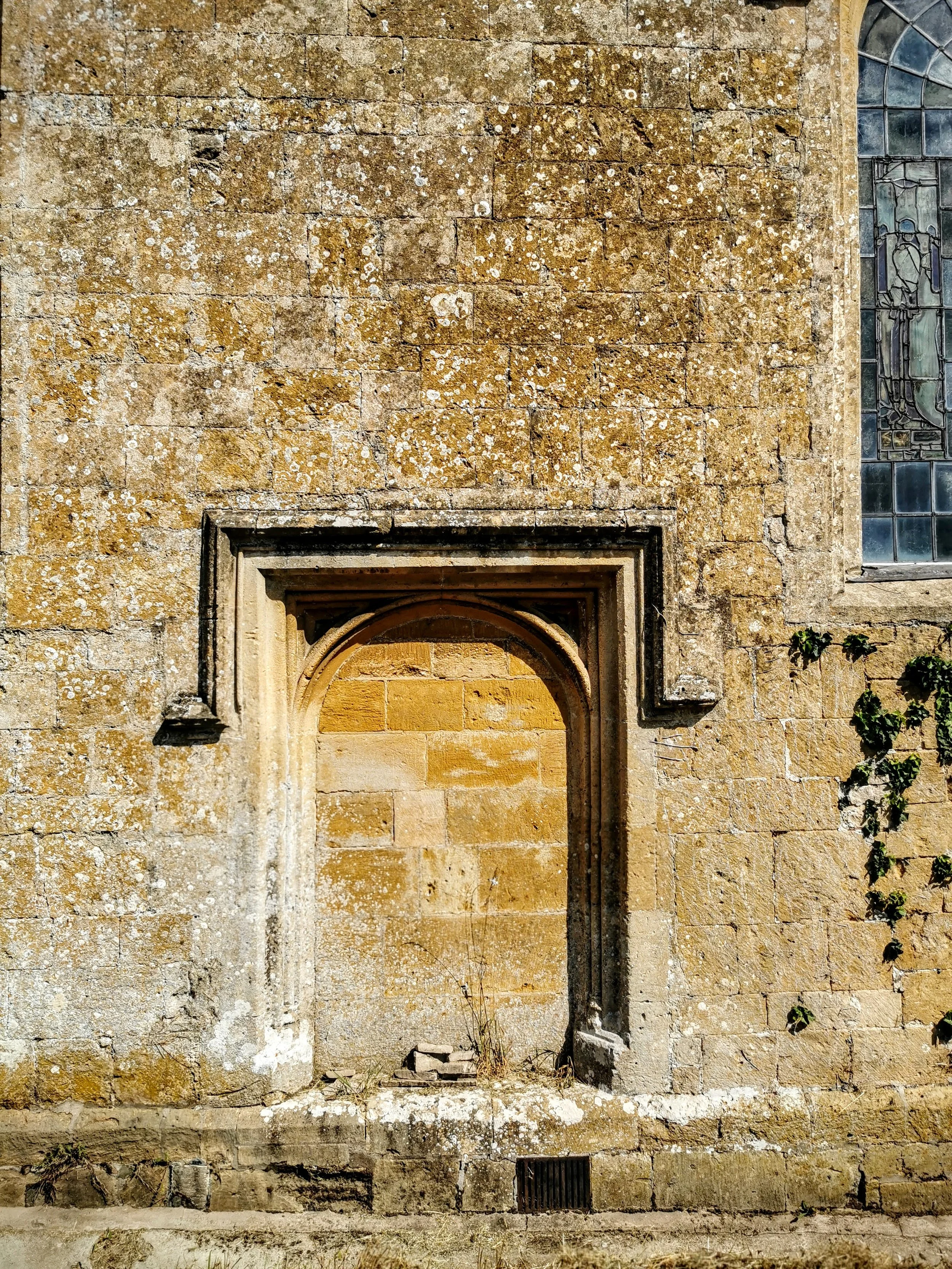
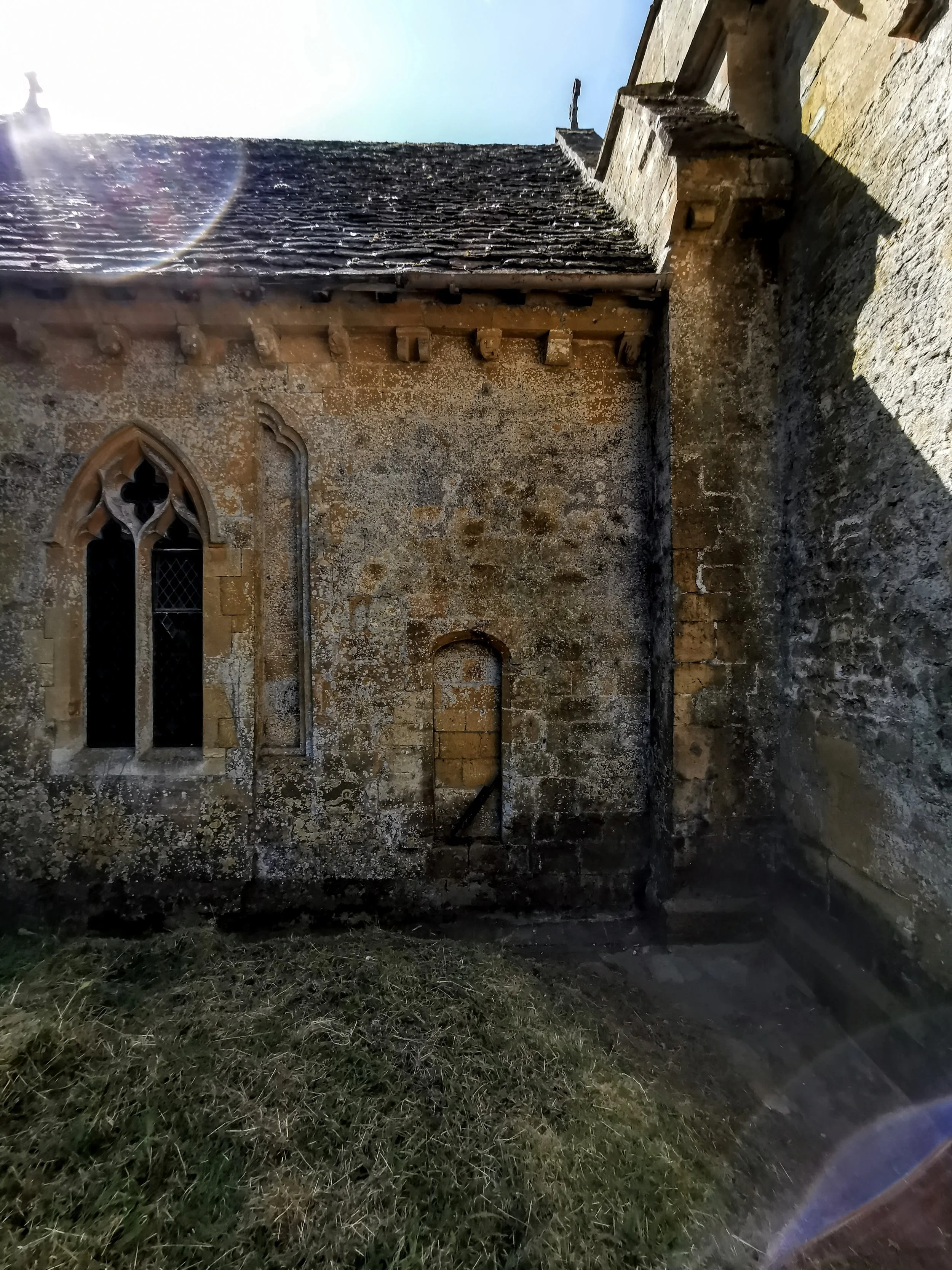
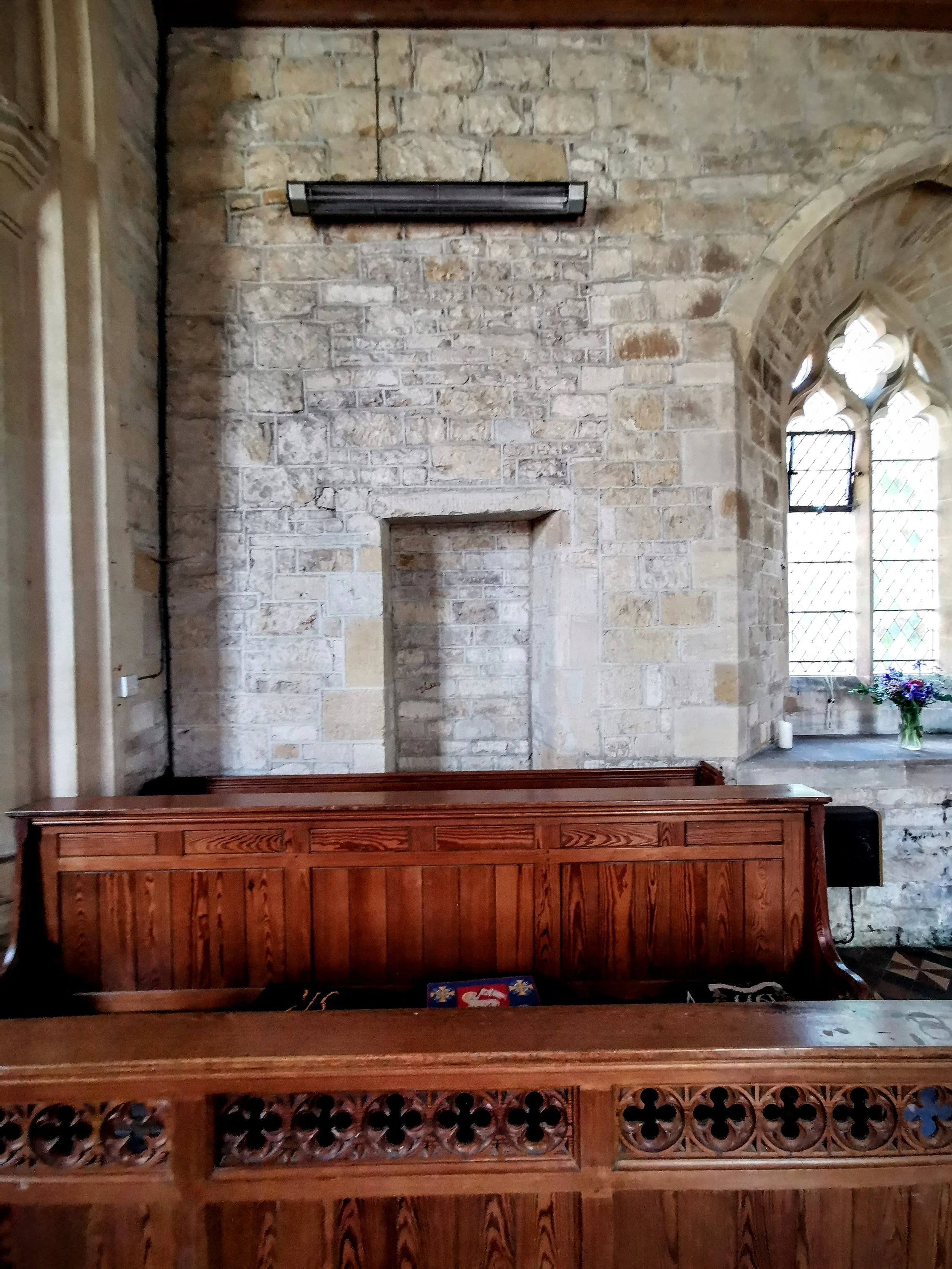
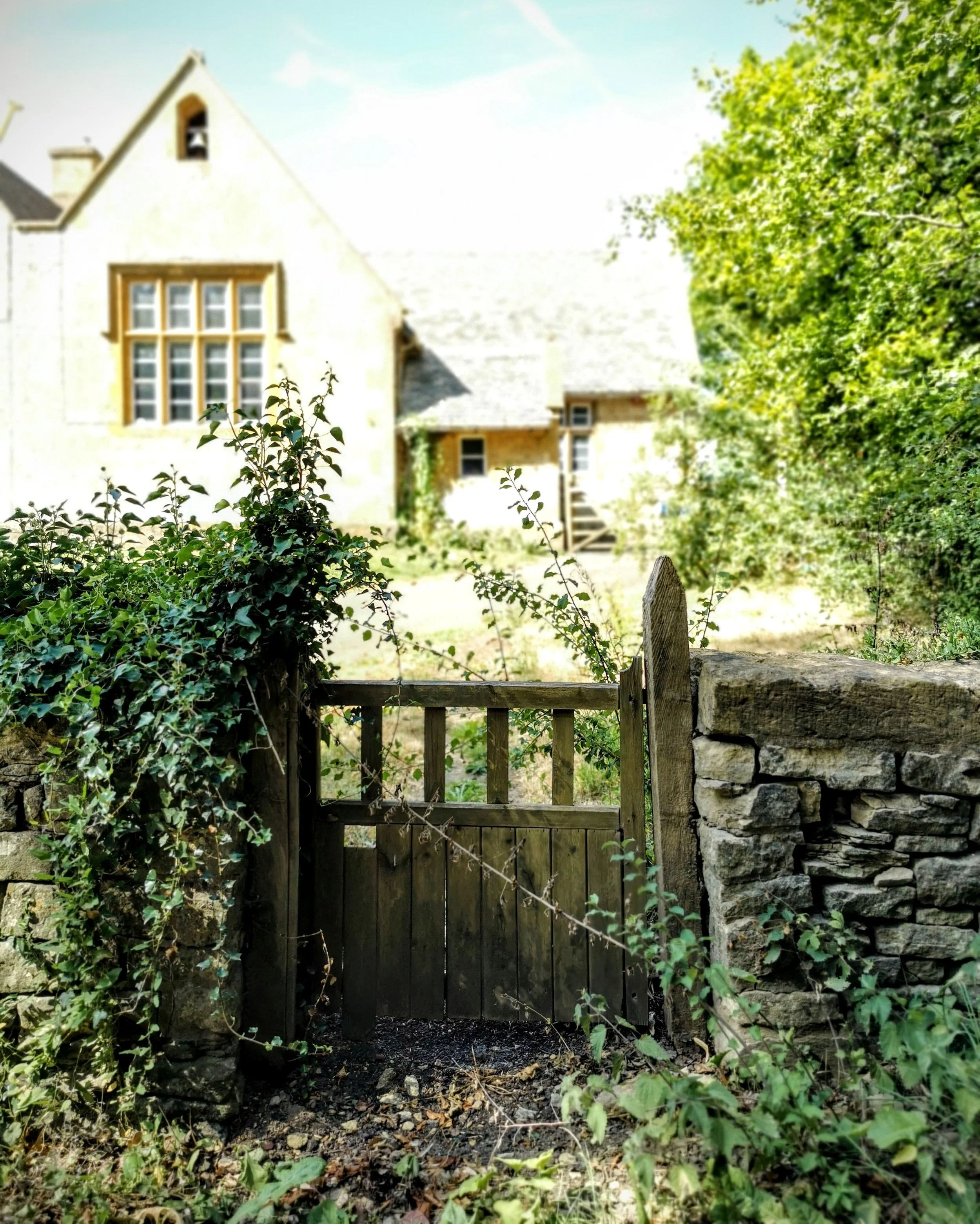
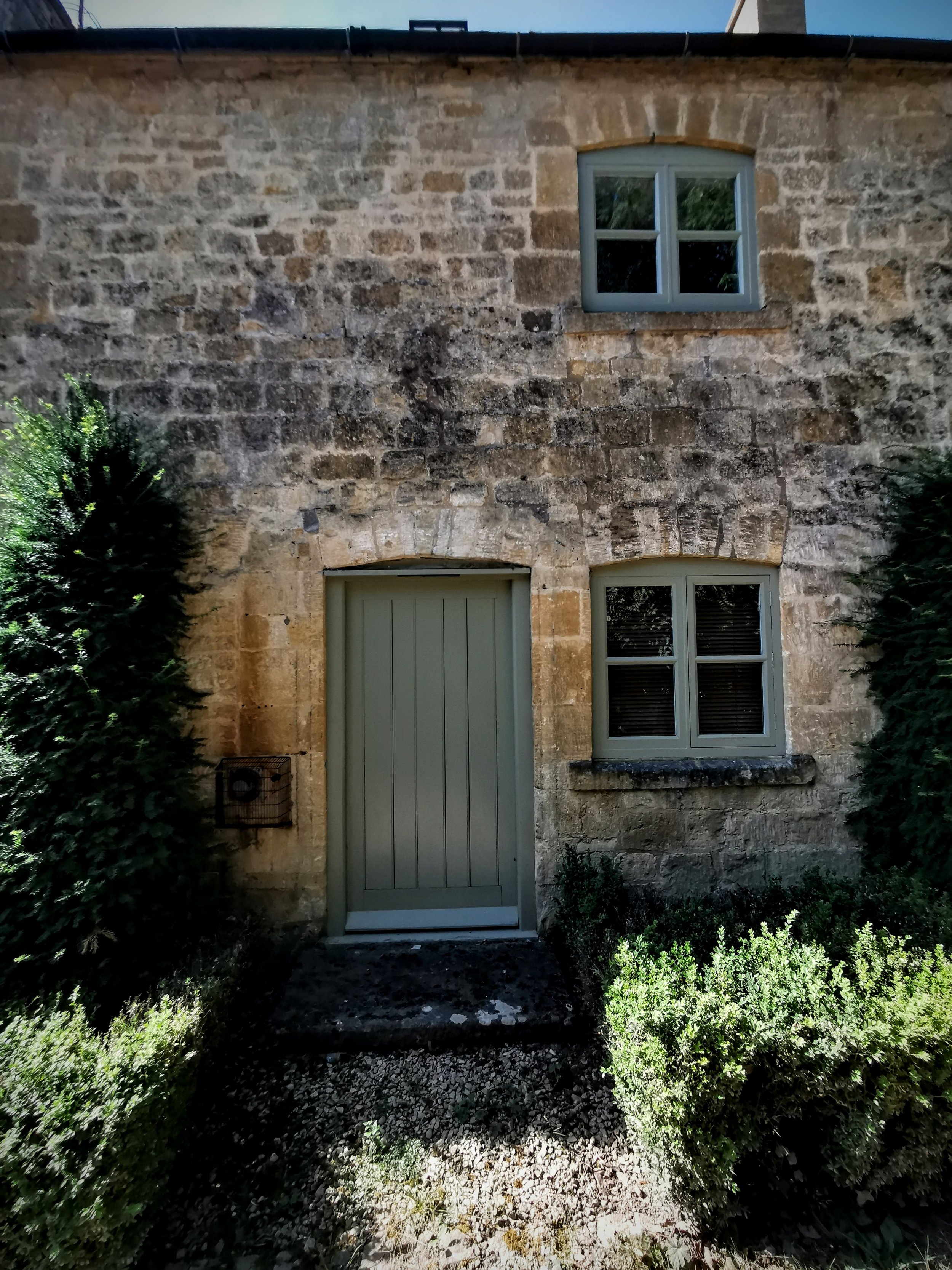
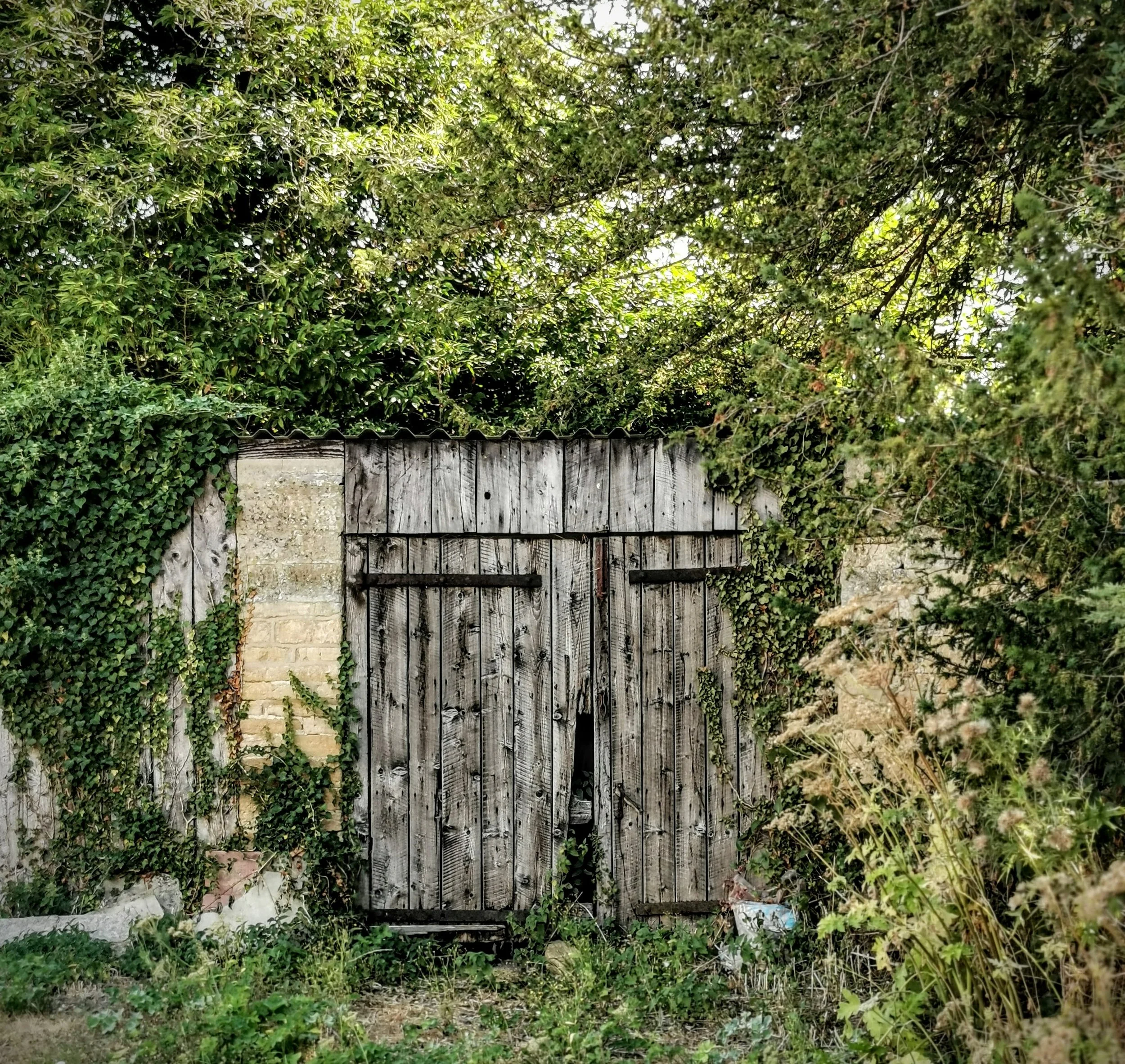
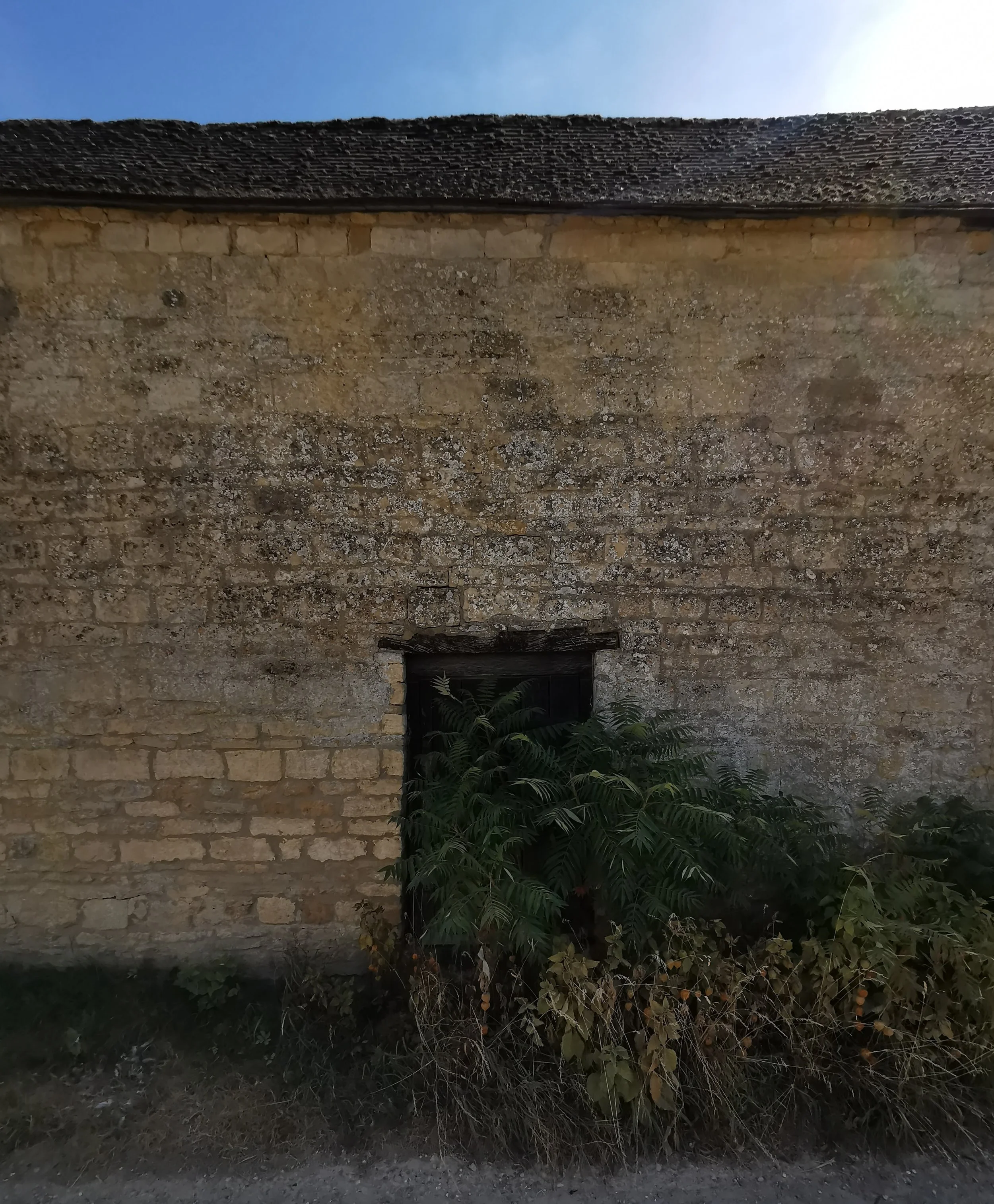
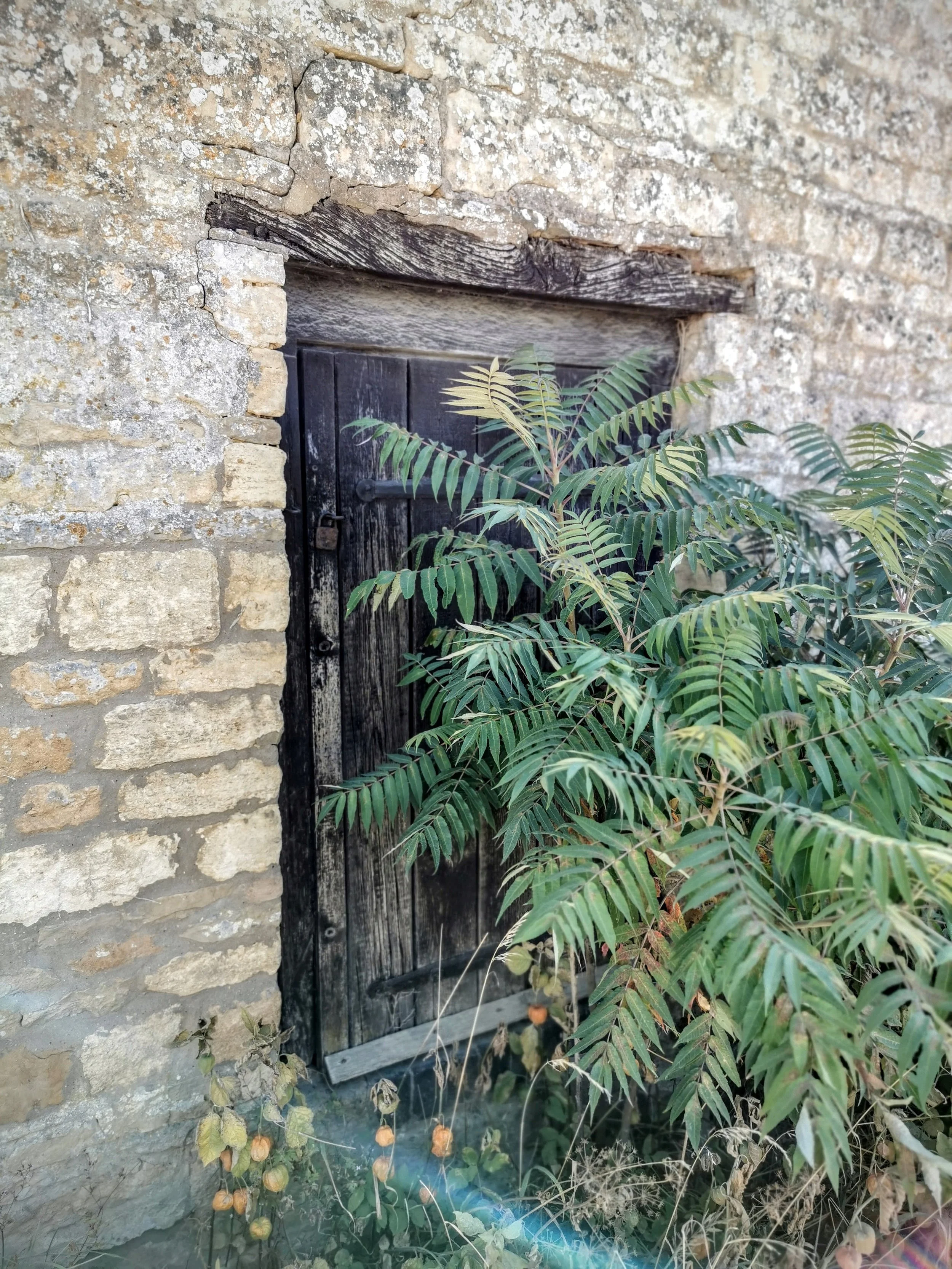
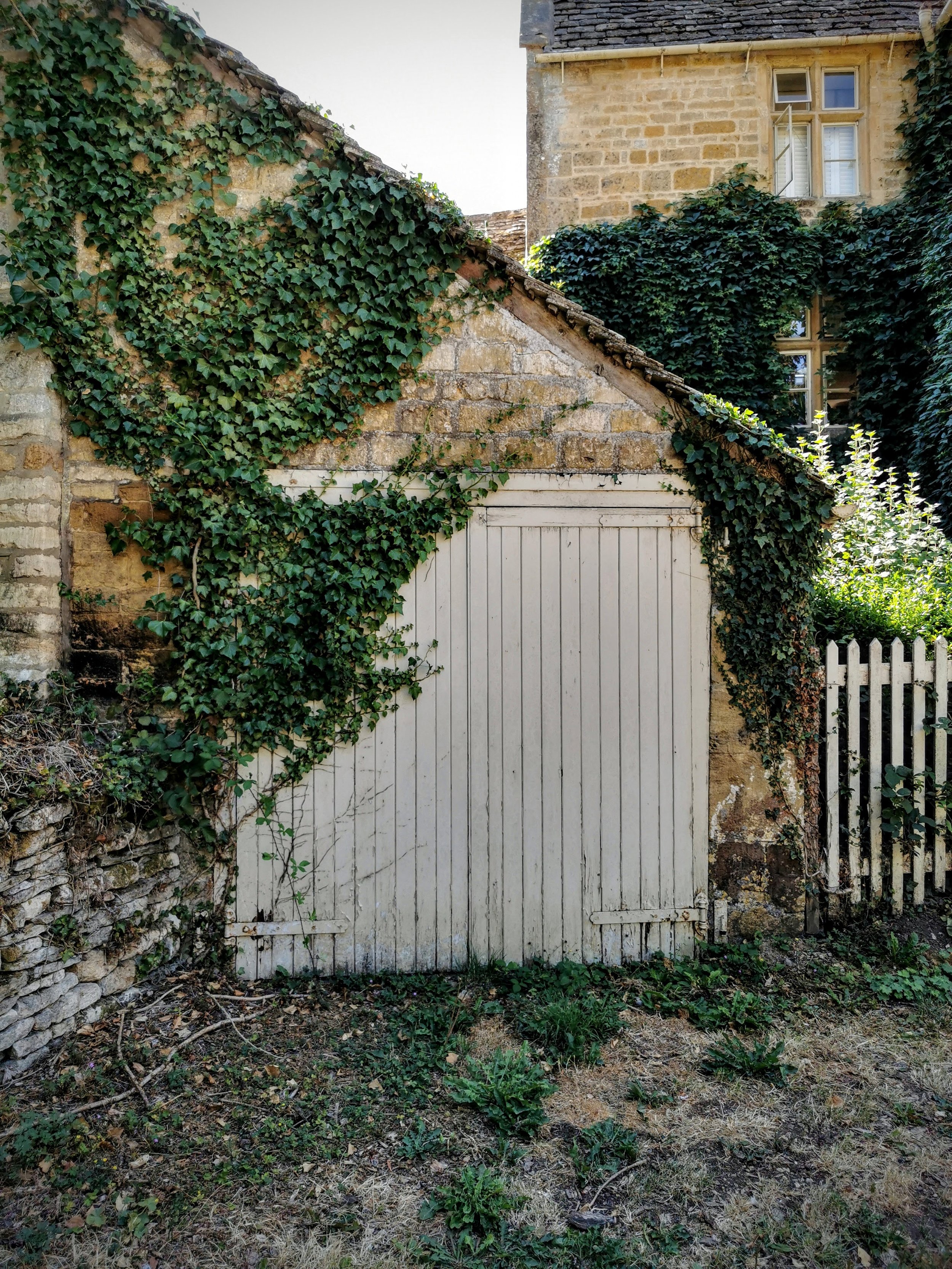
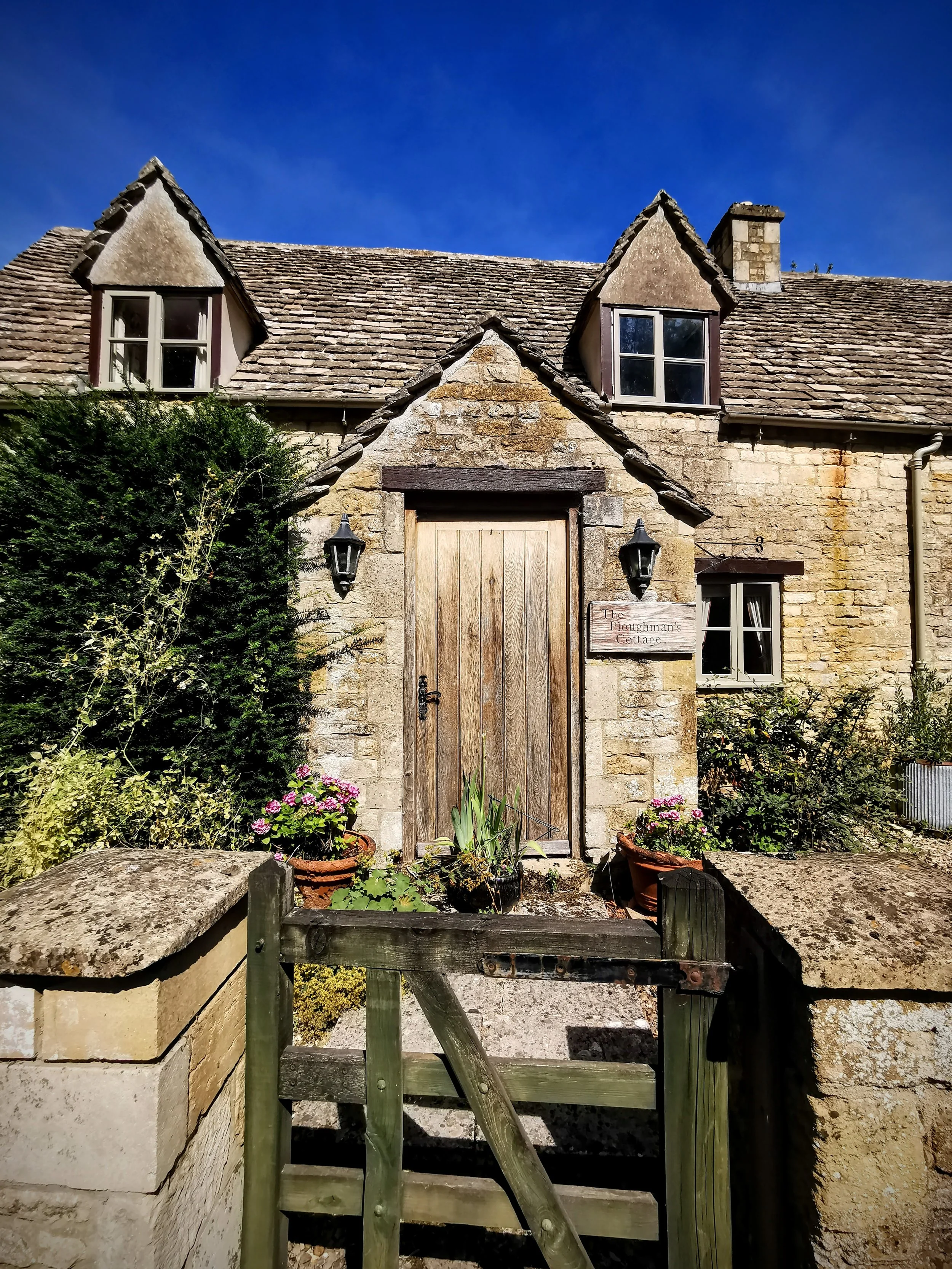
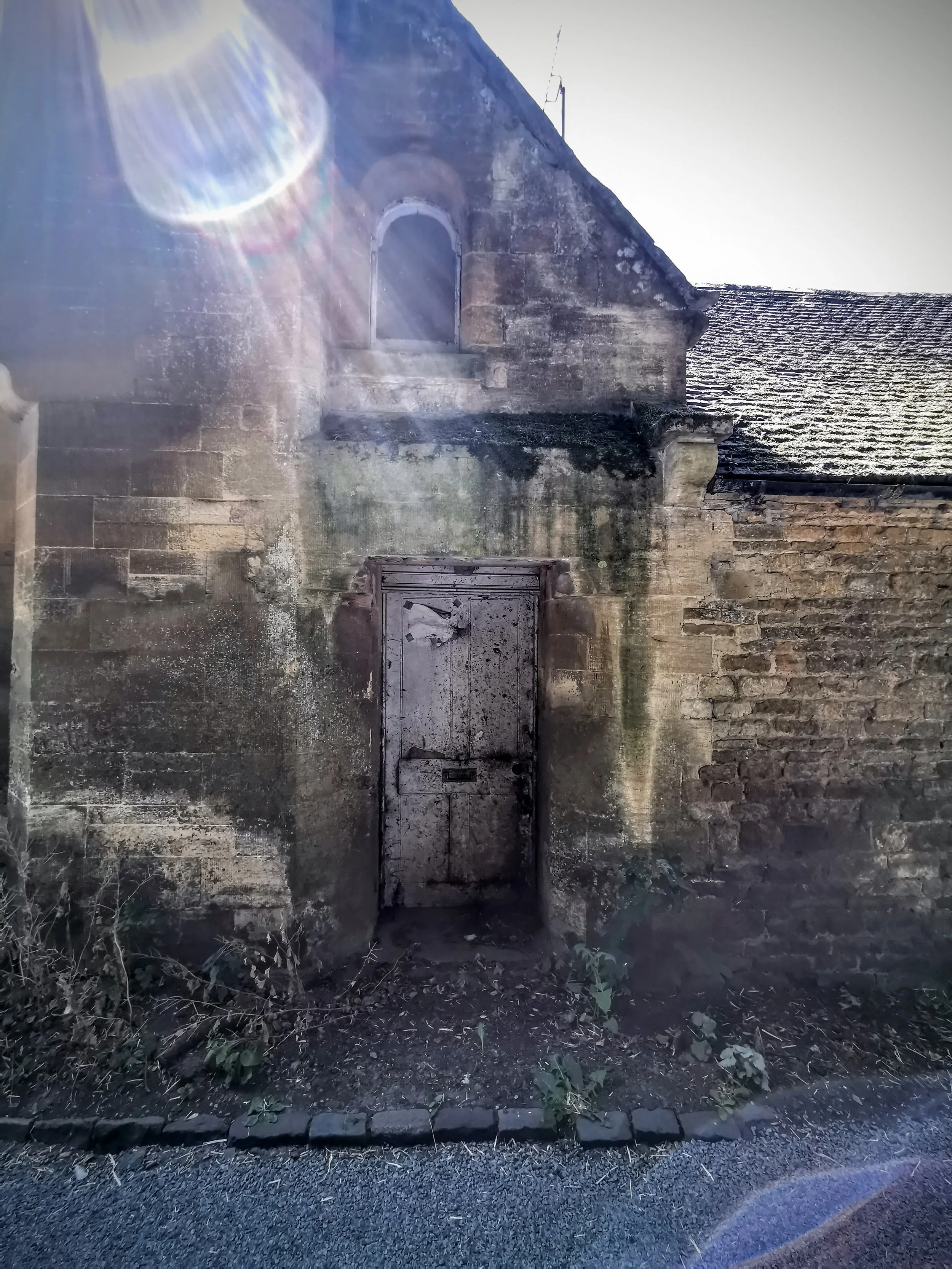
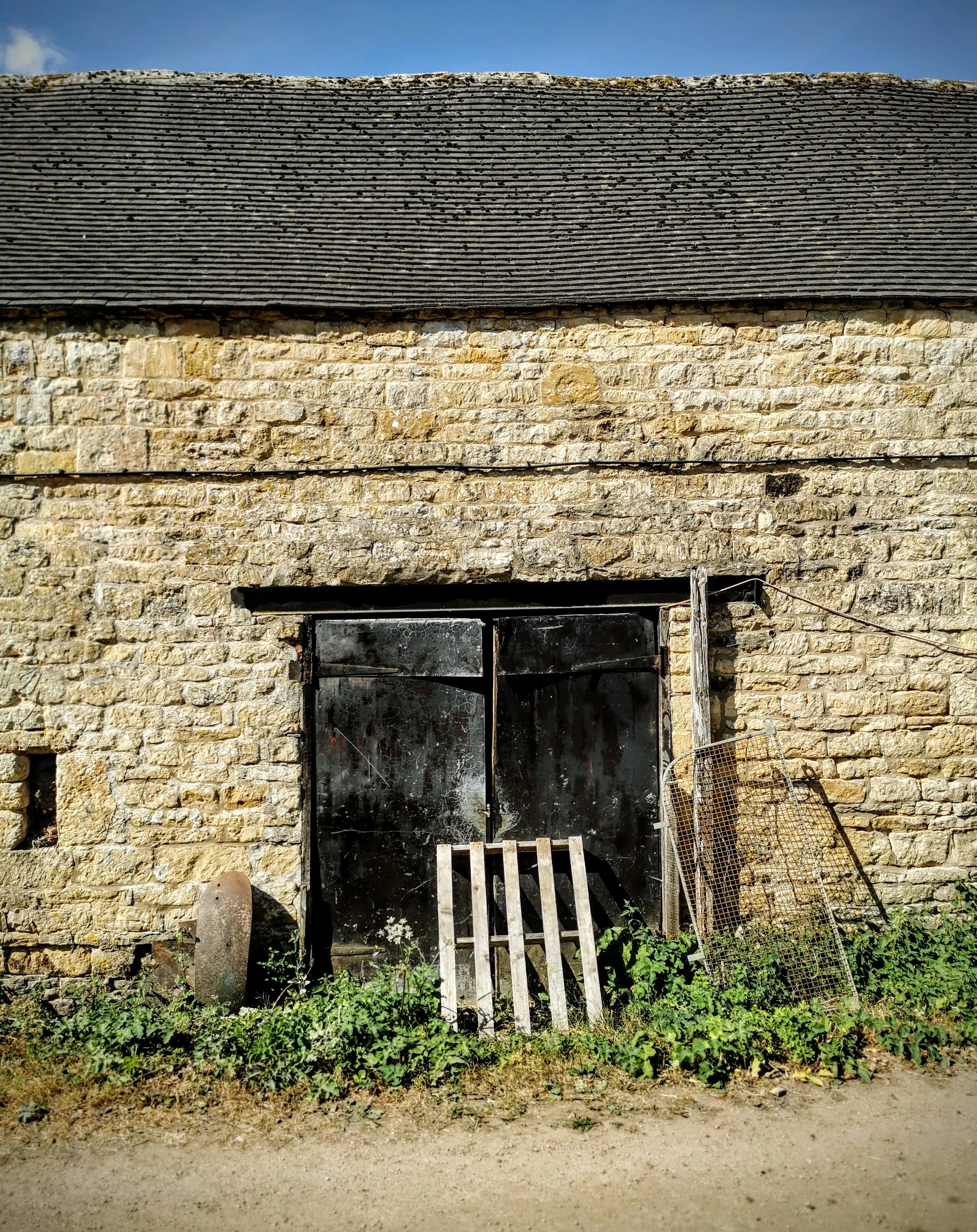
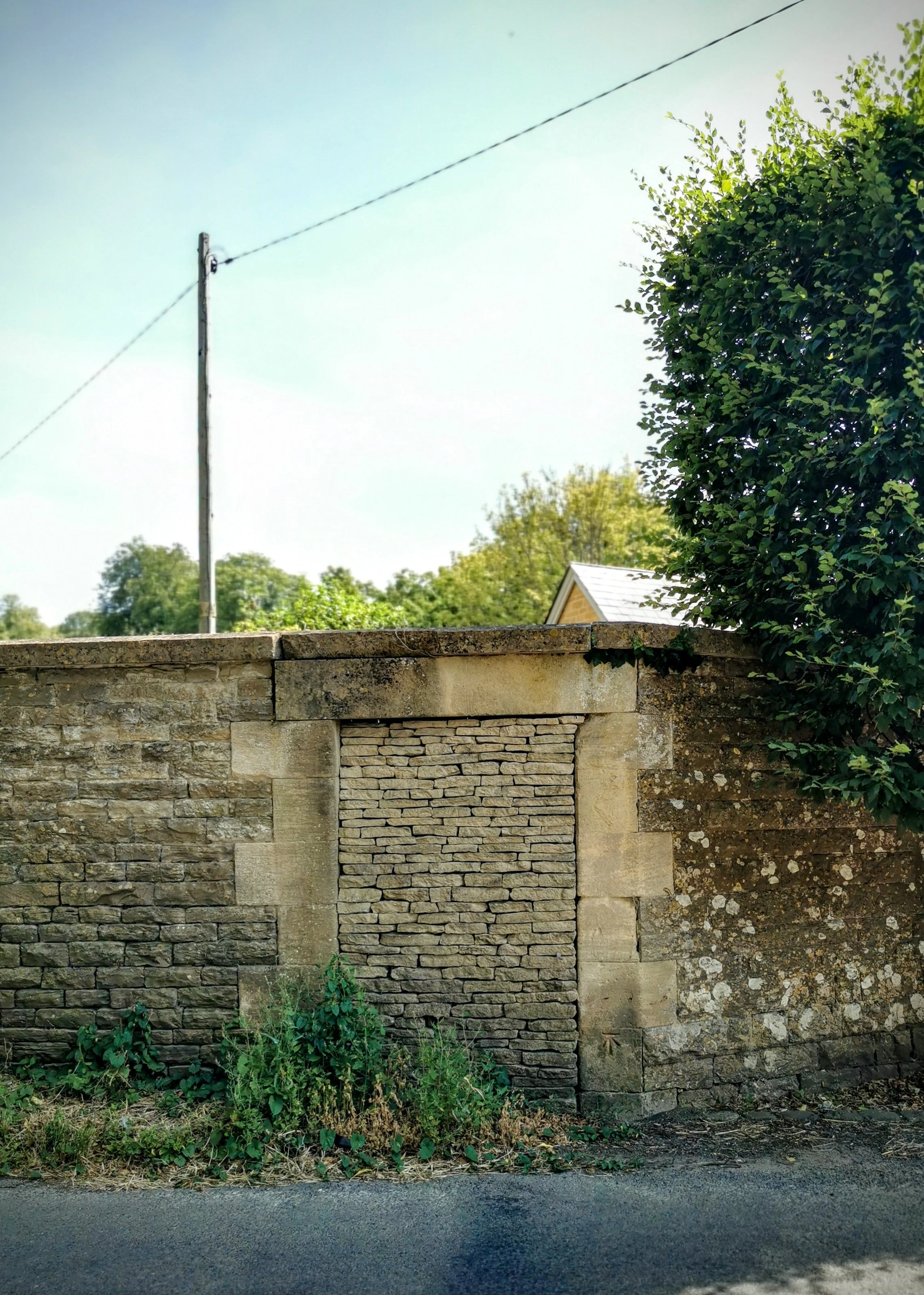
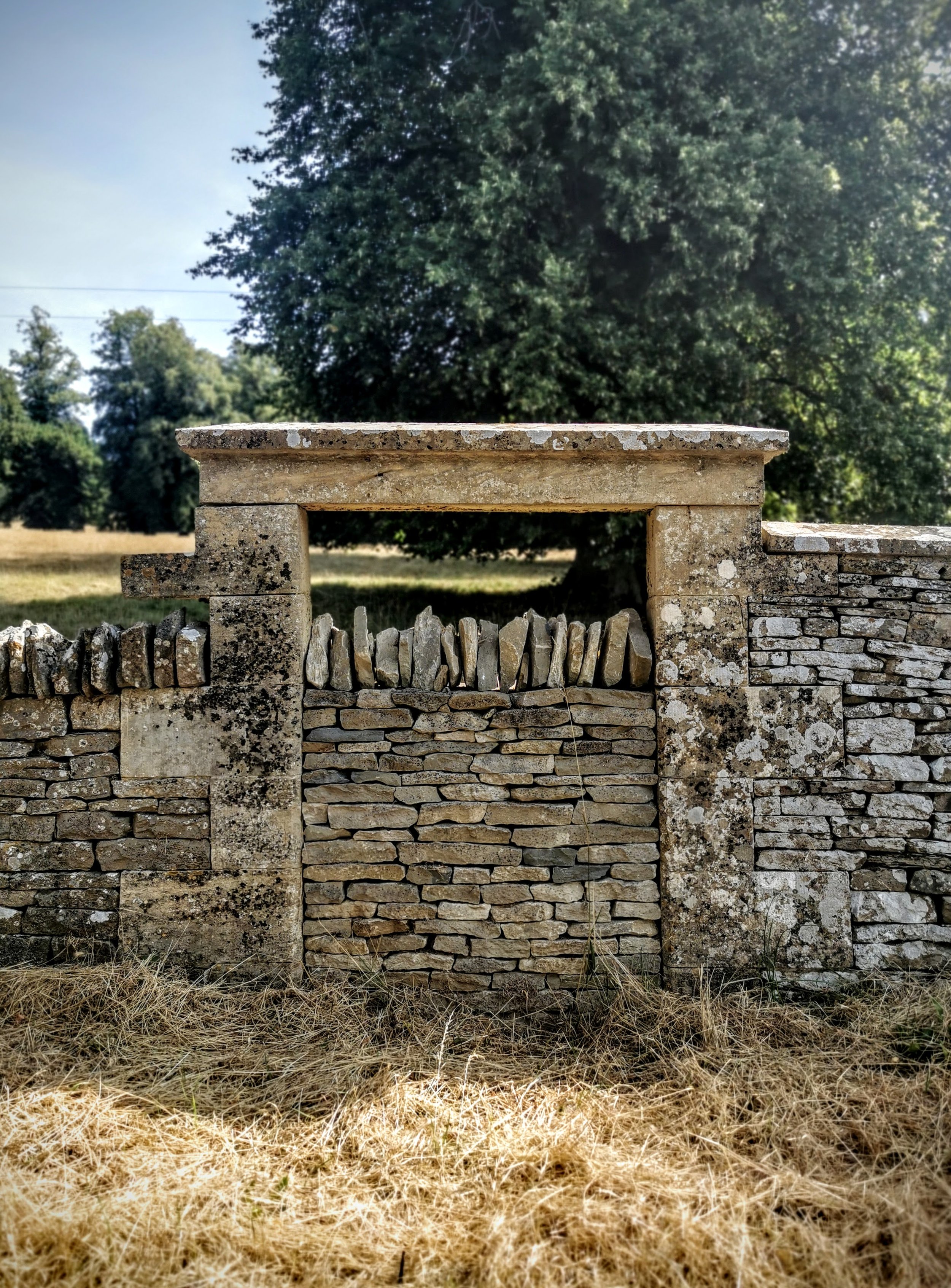
The village also has several doors that are not used anymore.