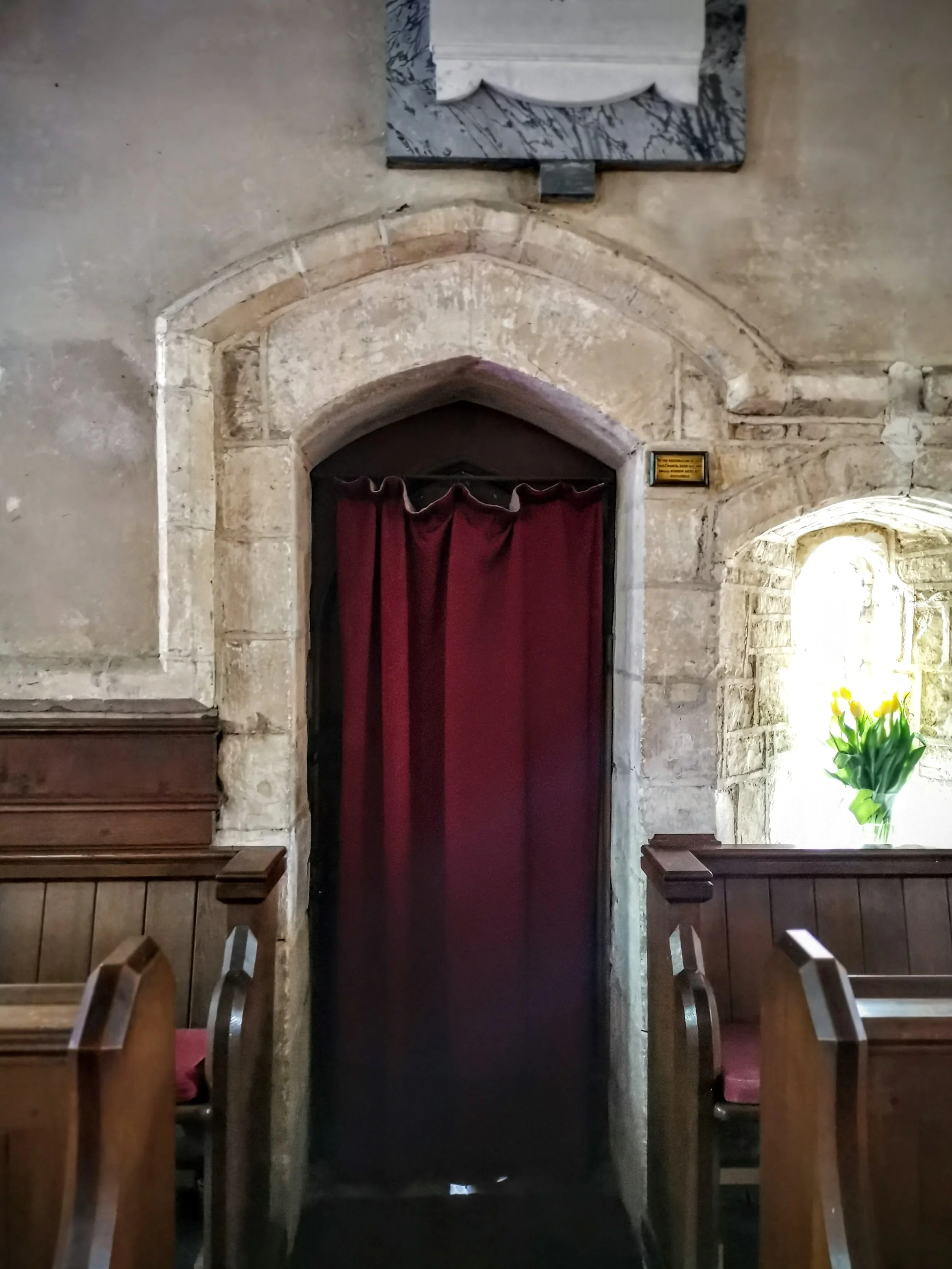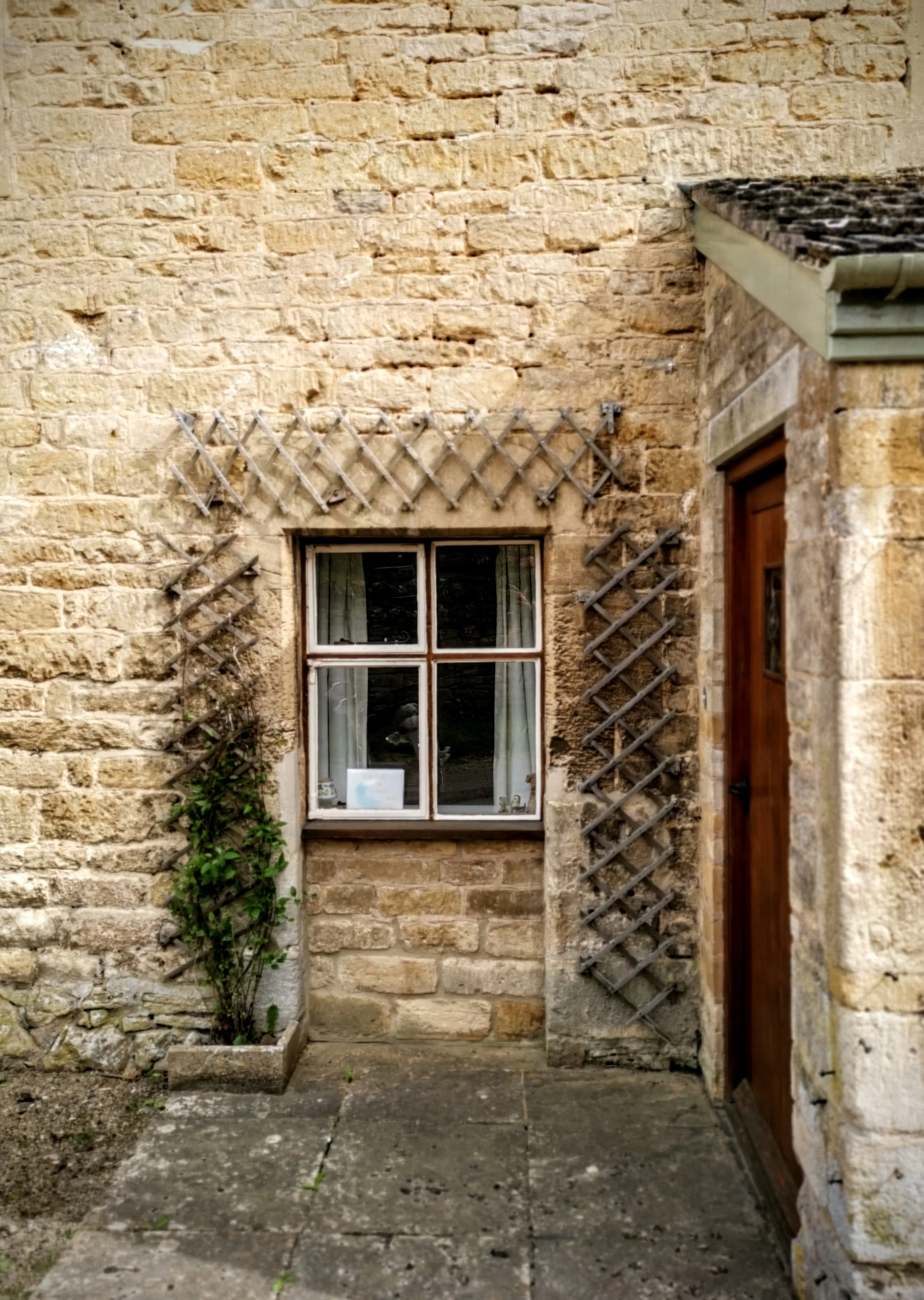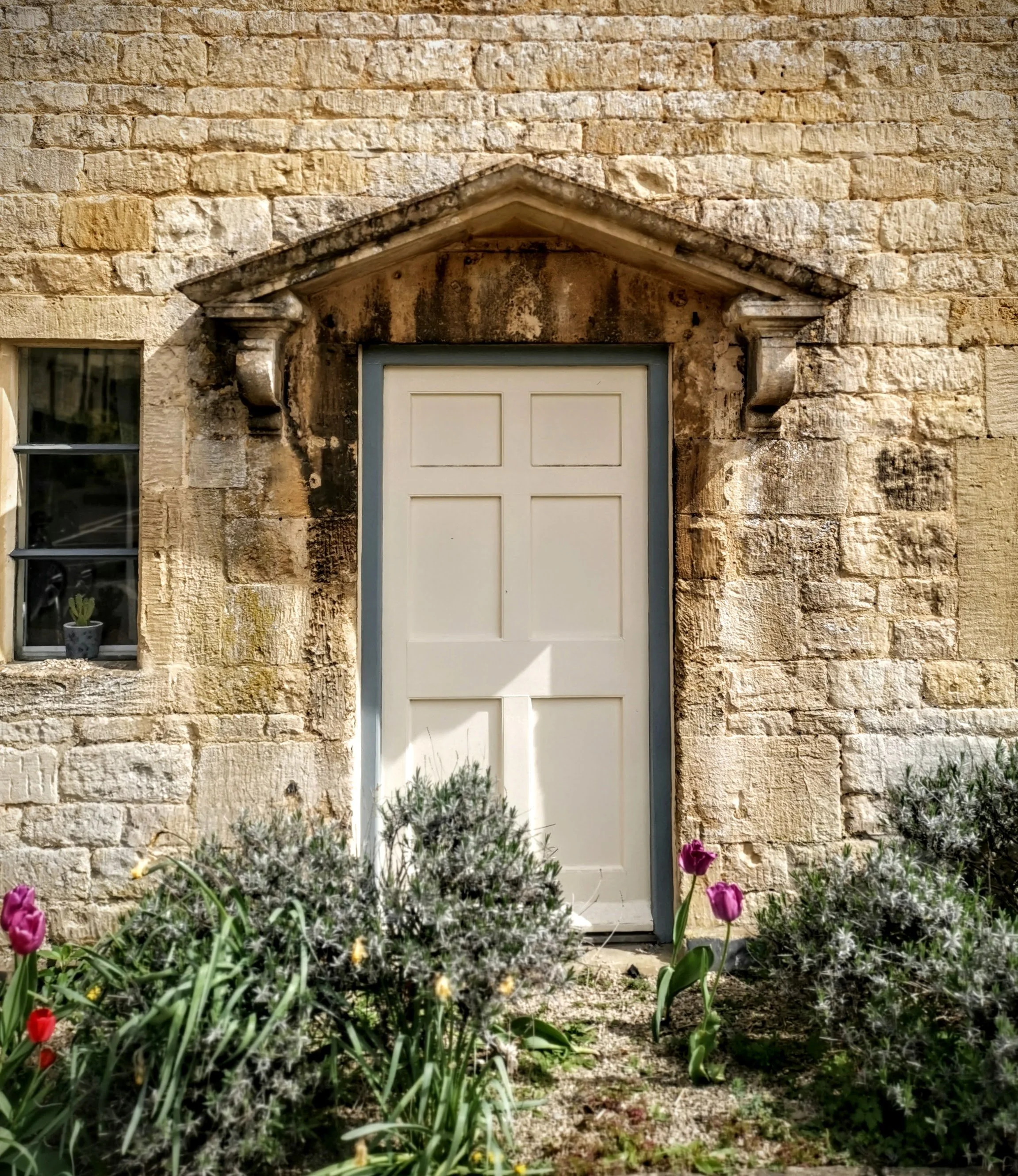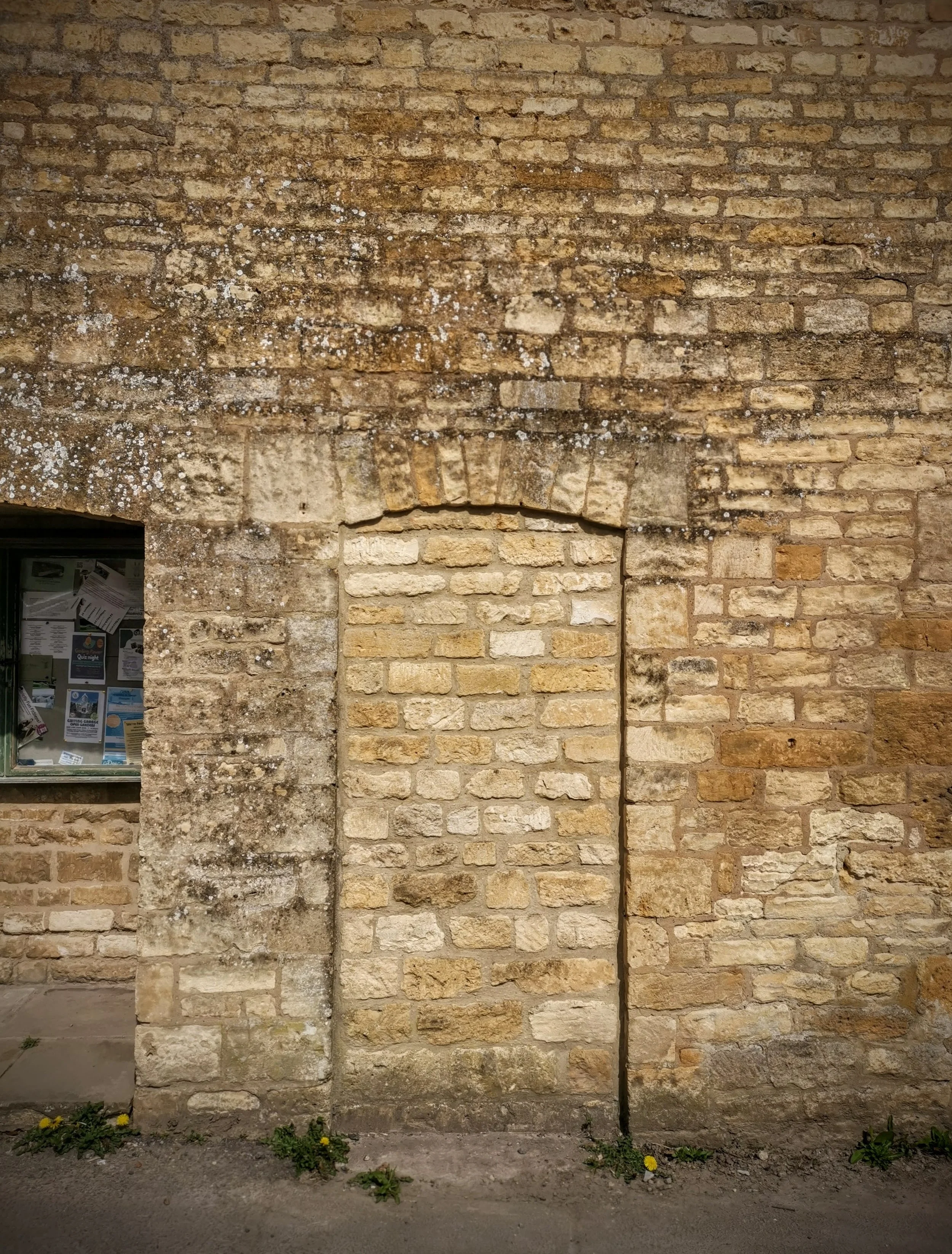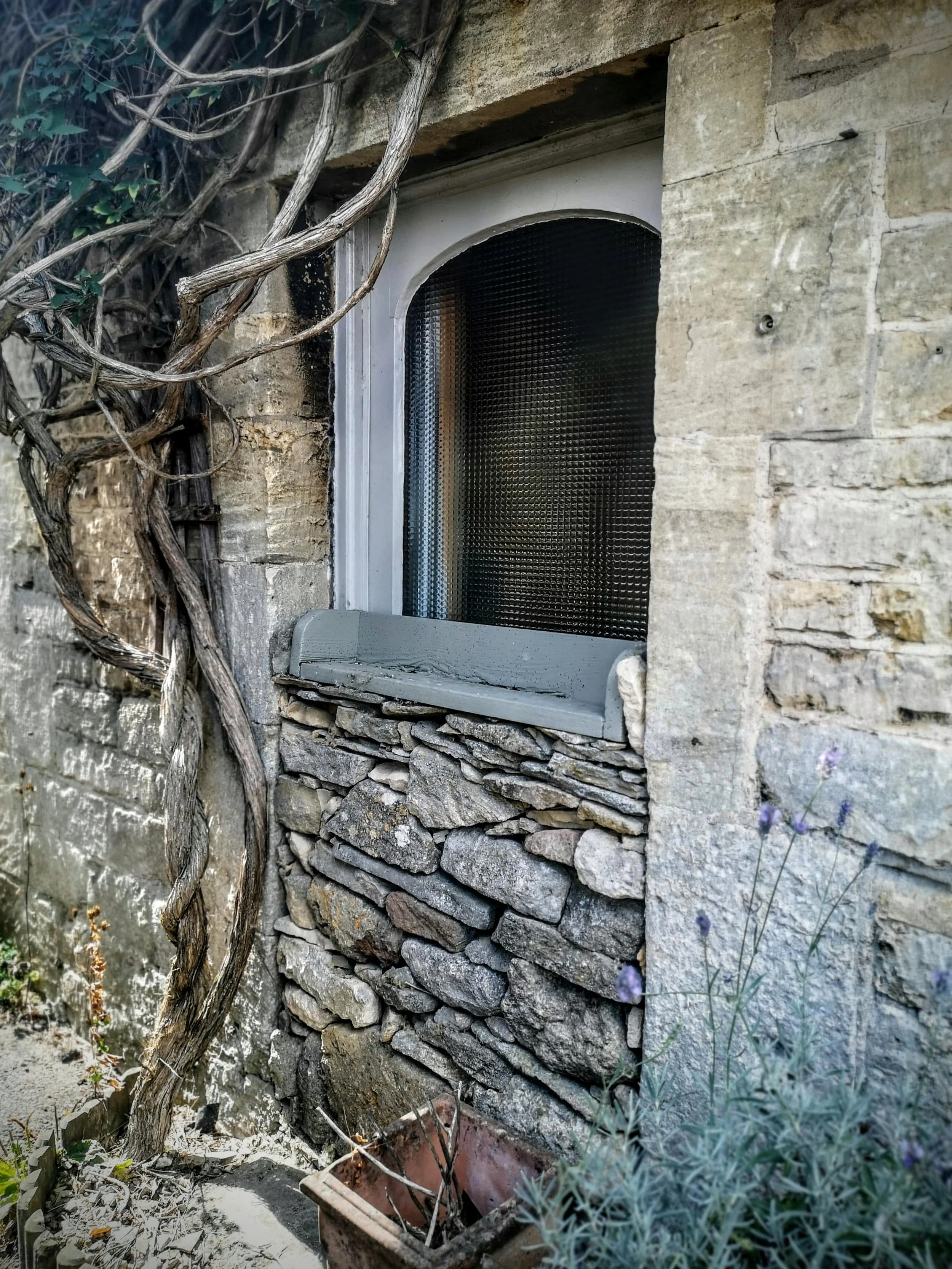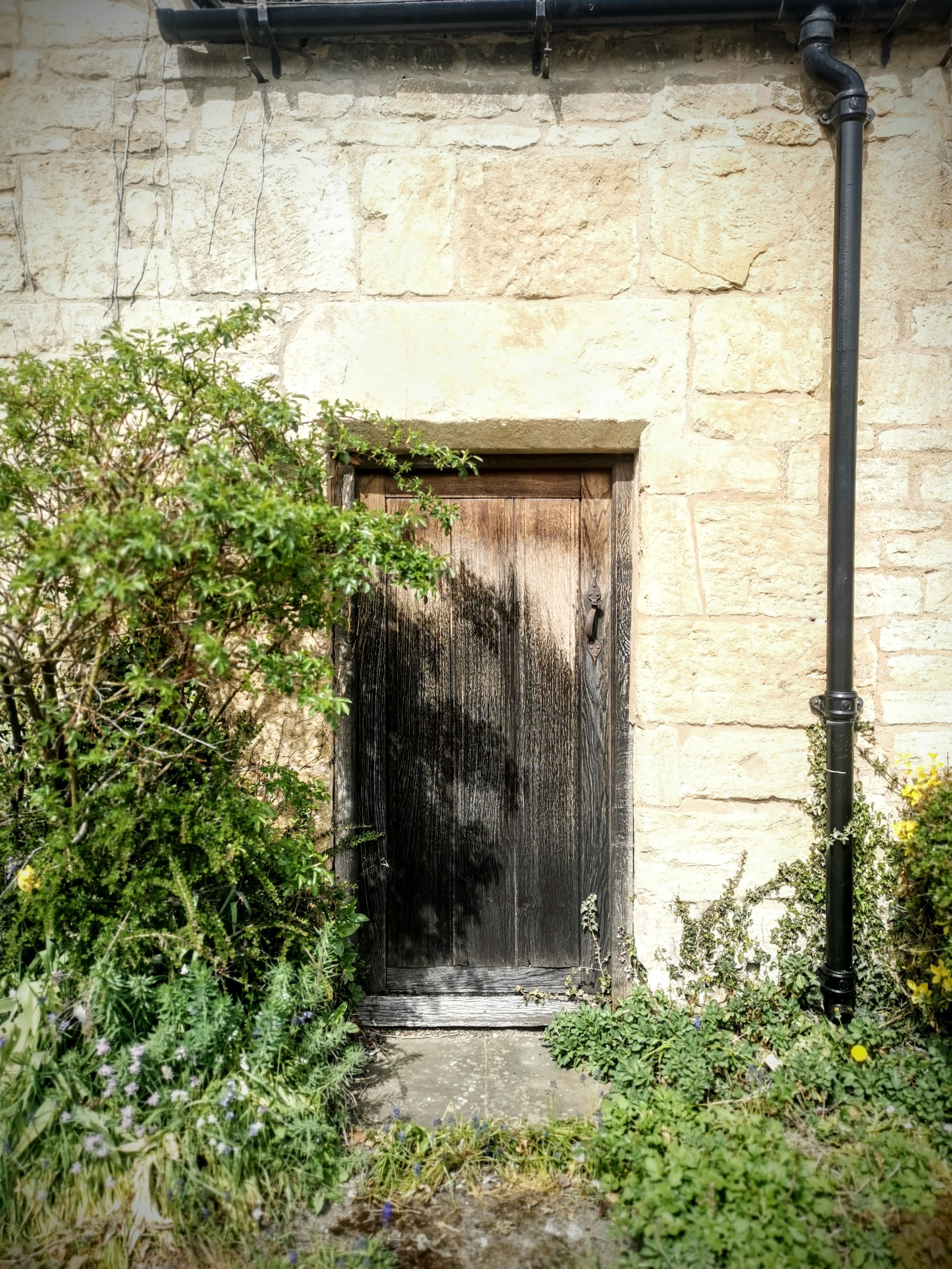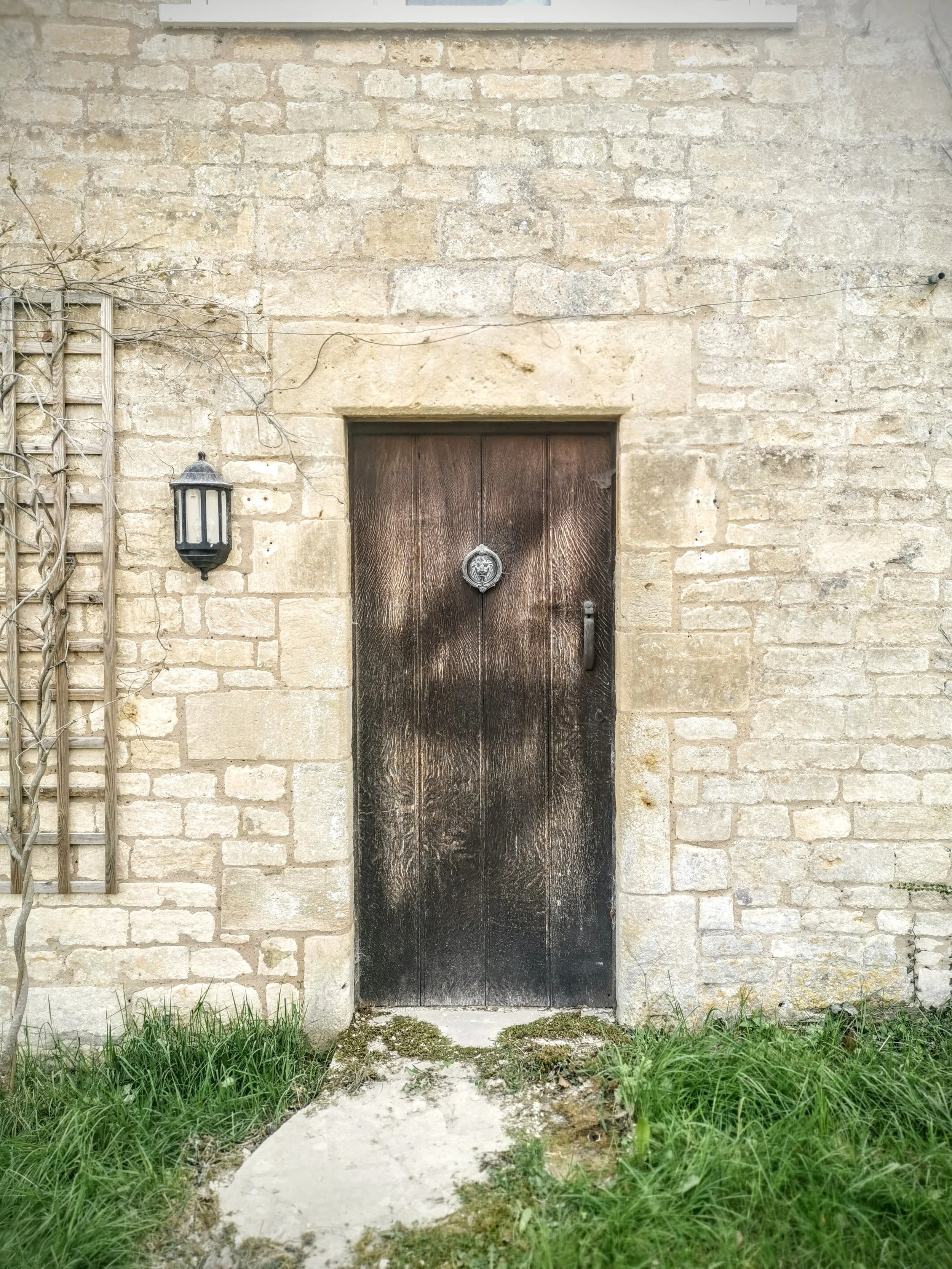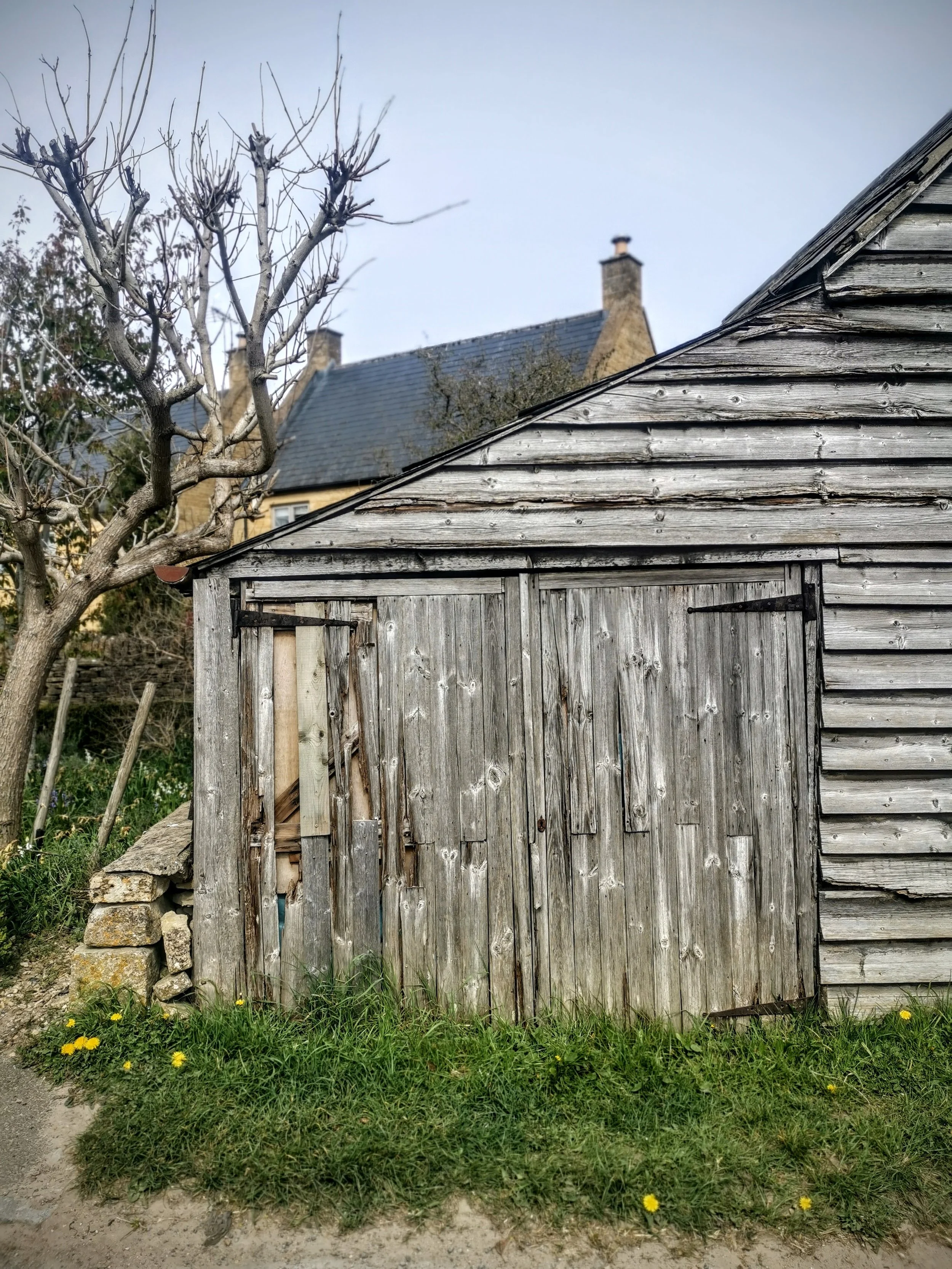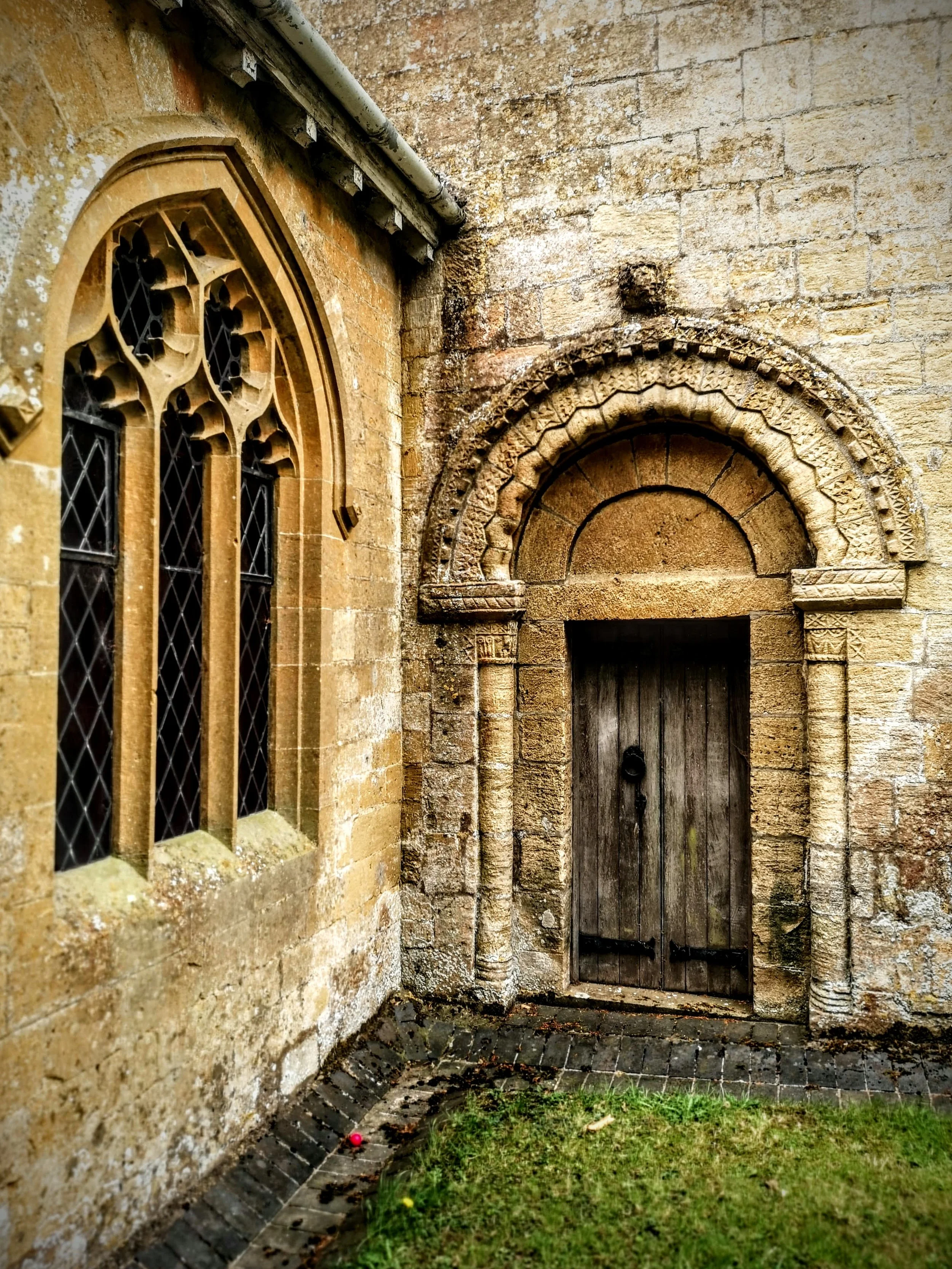
Investigation into the Unused Doors of Guiting Power
Guiting comes from the Anglo-Saxon word for ‘rushing’, a nod to the Windrush whose valley the village lies in. ‘Power’ is more straightforward, an approximation of le Poher, the Norman noble family who controlled the area in the medieval period. There was certainly a Saxon settlement here as early as the 8th century, but Roman remains have been found as well as a long barrow dated at around 2000BC.
Like many a Cotswold village, Guiting Power owes a huge debt to the medieval wool trade, where demand for the fleece of the local sheep breed, the Cotswold lion, meant money flooded into the region from all over Europe.
However that particular gravy train would not last forever and as the trade declined Guiting Power like so many other rural settlements suffered significant decline.
It was so bad that in 1934 Moyra Davidson, a local, set up the Guiting Manor charitable trust to help restore and preserve the historic character of the village, parts of which were dilapidated by the mid-20th century. Her tireless work and that of the trust aided the village’s rebuilding and the restoration of many of its cottages, inns and shops.
A more ignominious chapter of its history came in 1962 when the British National Socialist Party, aka nazis, held a summer camp to bring international fascists together to do whatever international fascists do: goose-stepping workshops and lectures on how to avoid tolerance and empathy presumably.
Well the stout-hearted villagers were having none of that nonsense, and led by the local publican about 100 of them stormed the camp and gave them a jolly good thrashing, 1945 all over again by Jove.
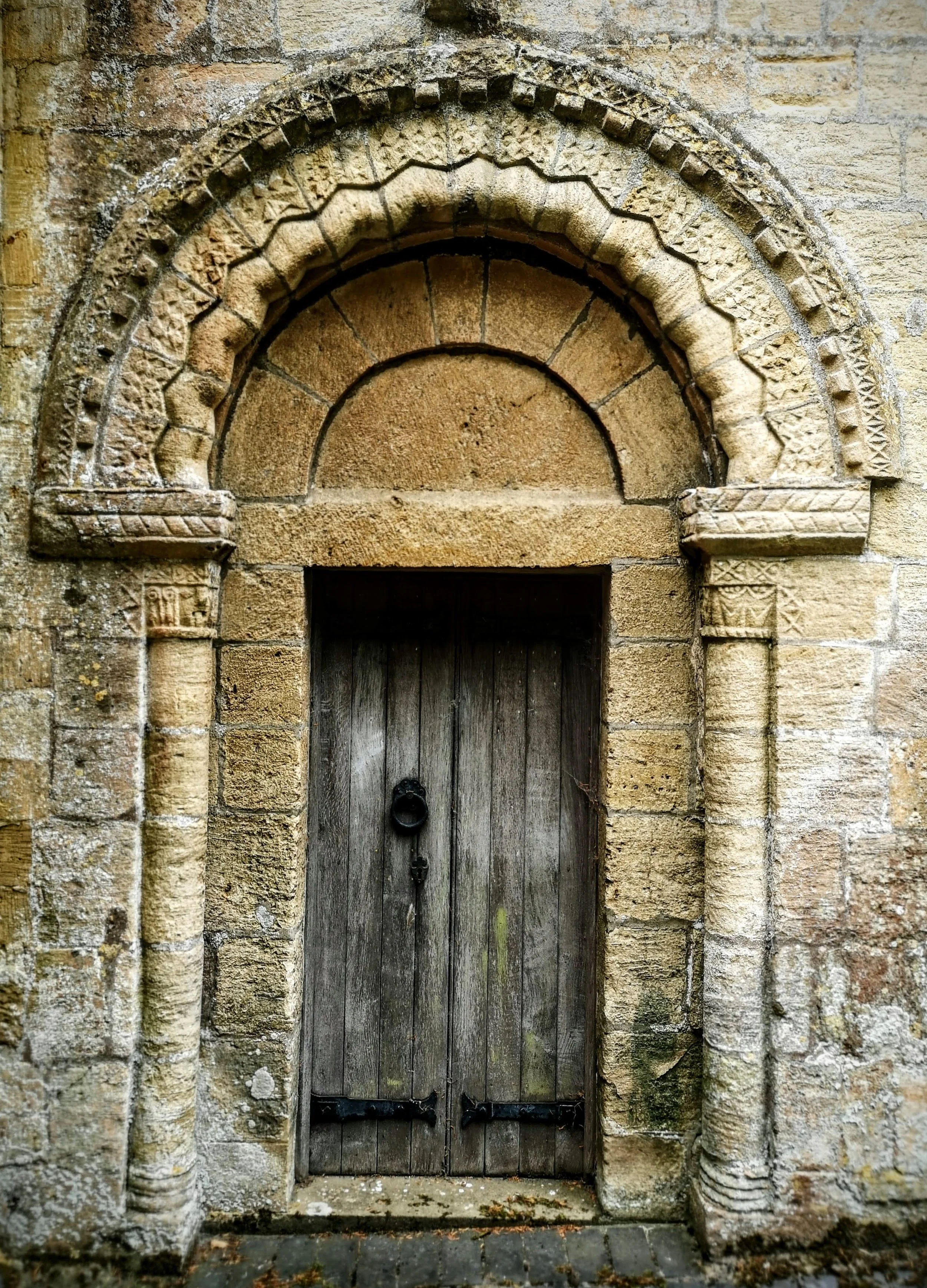
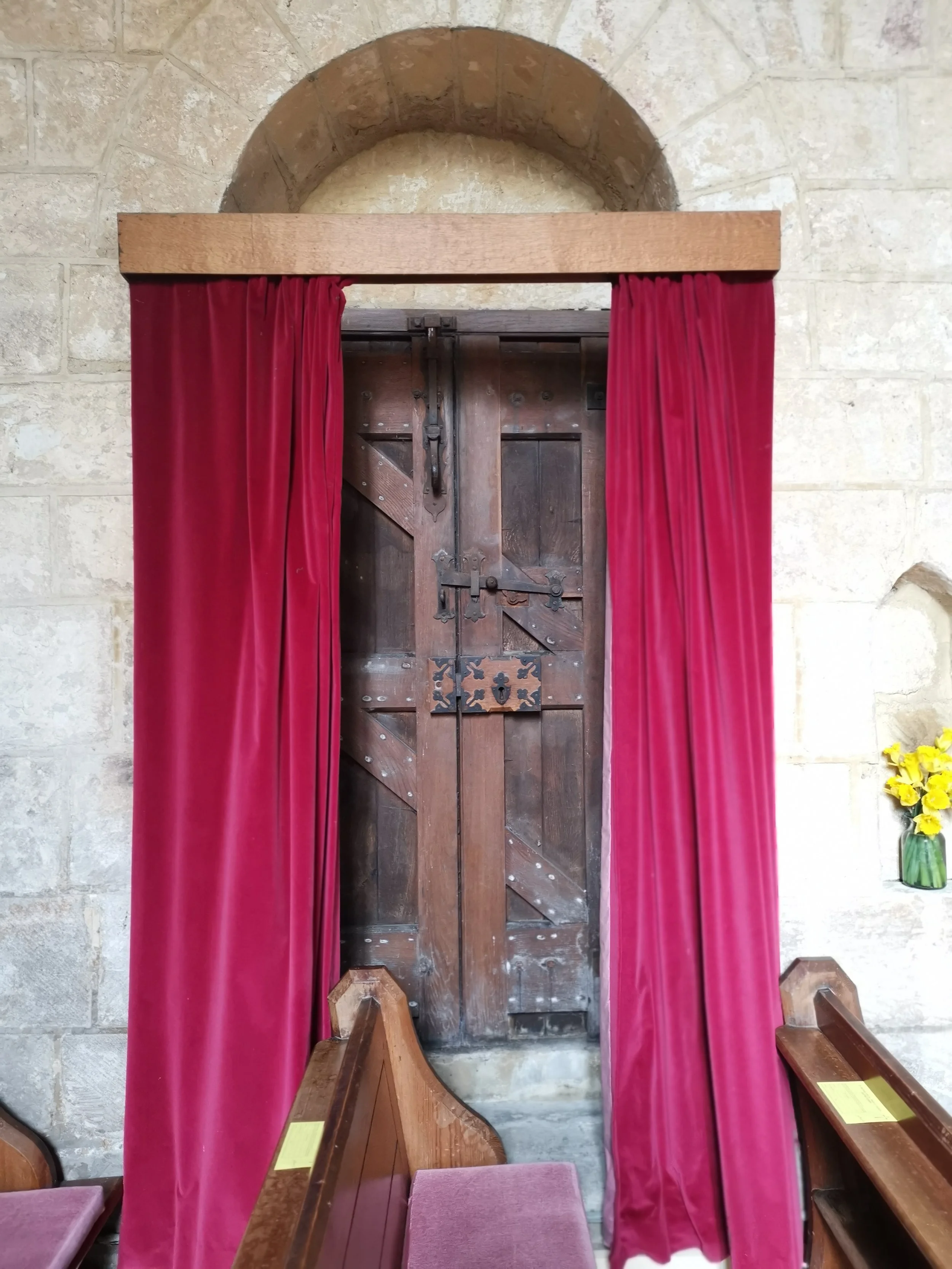
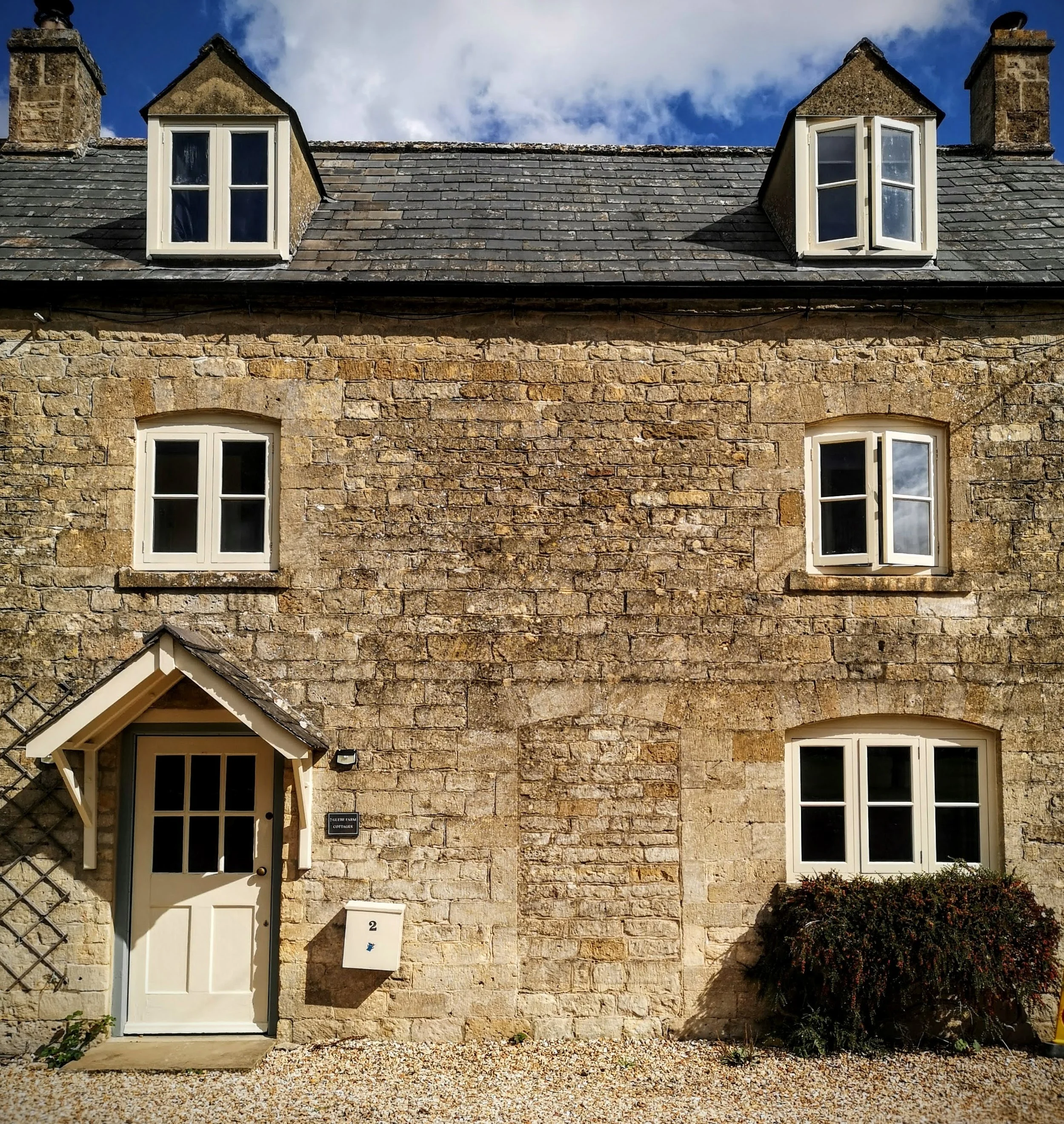
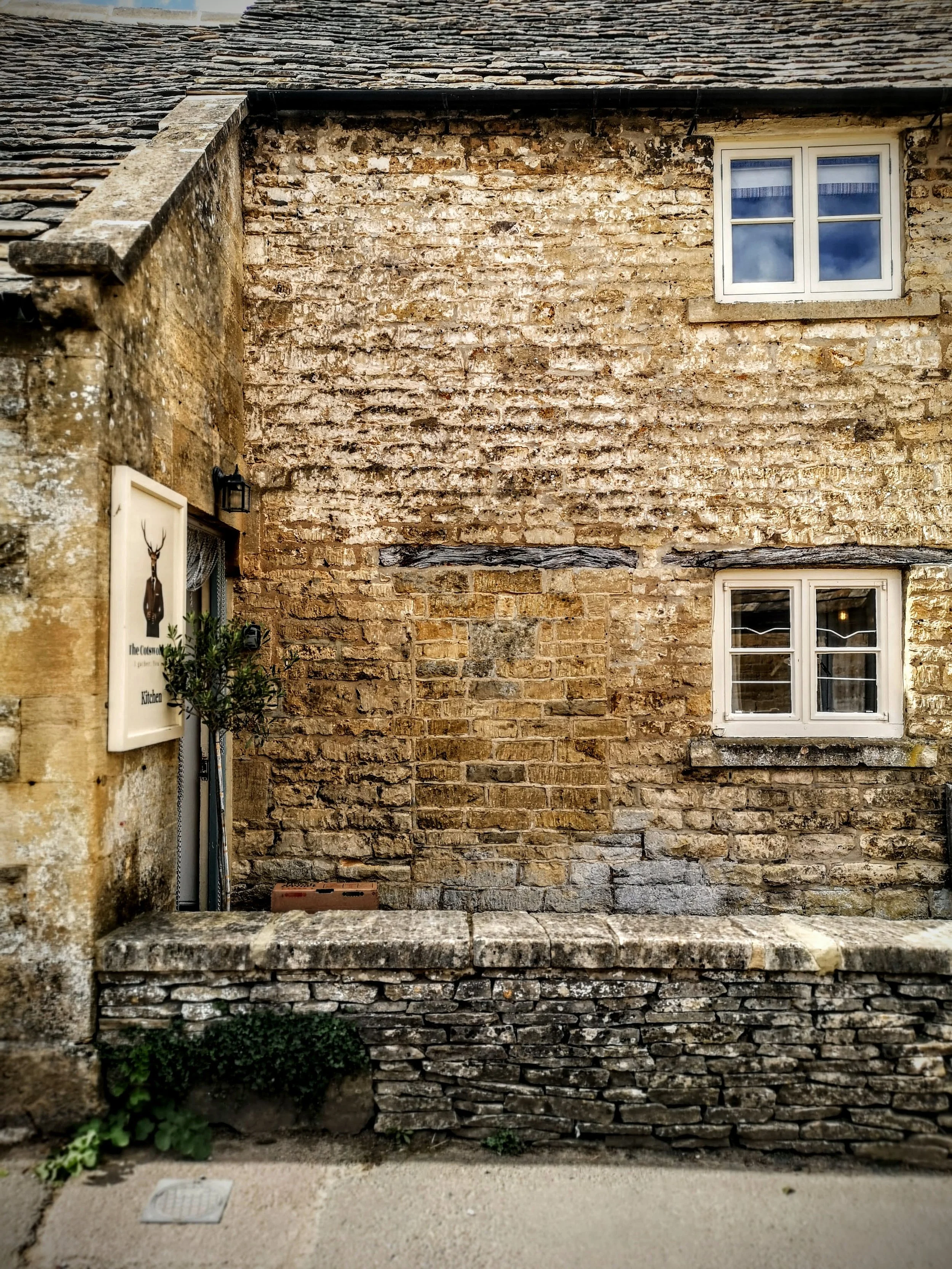
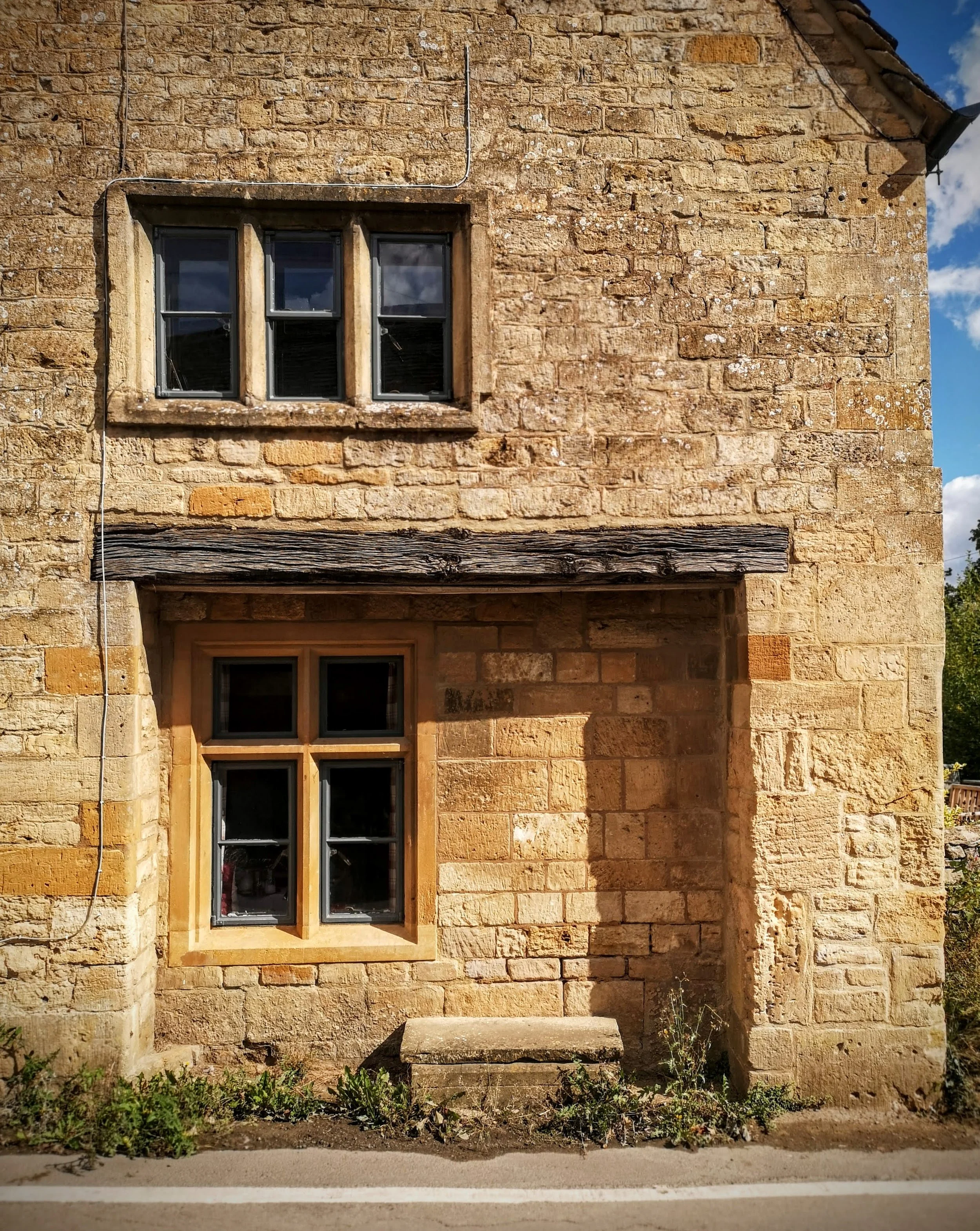
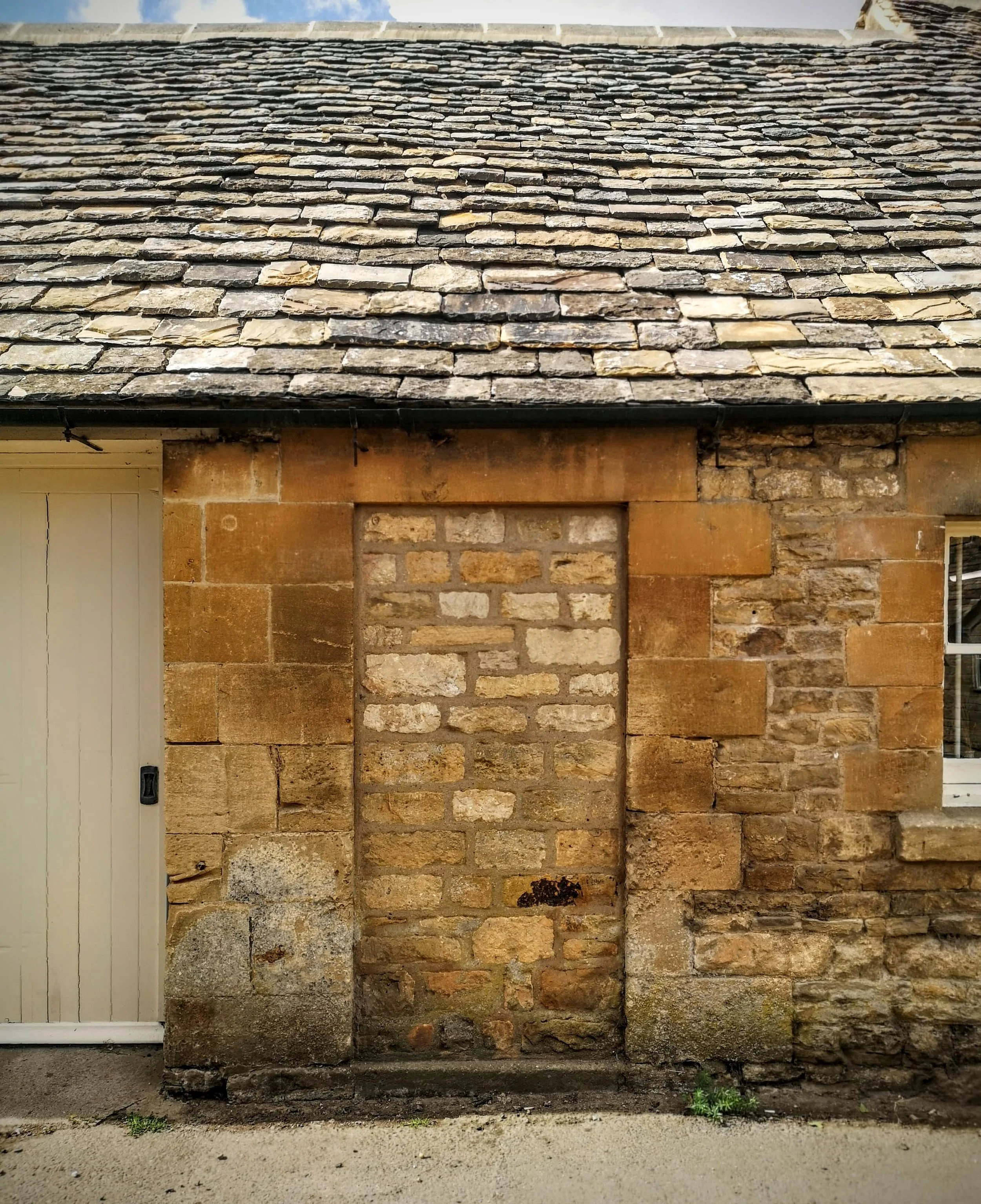
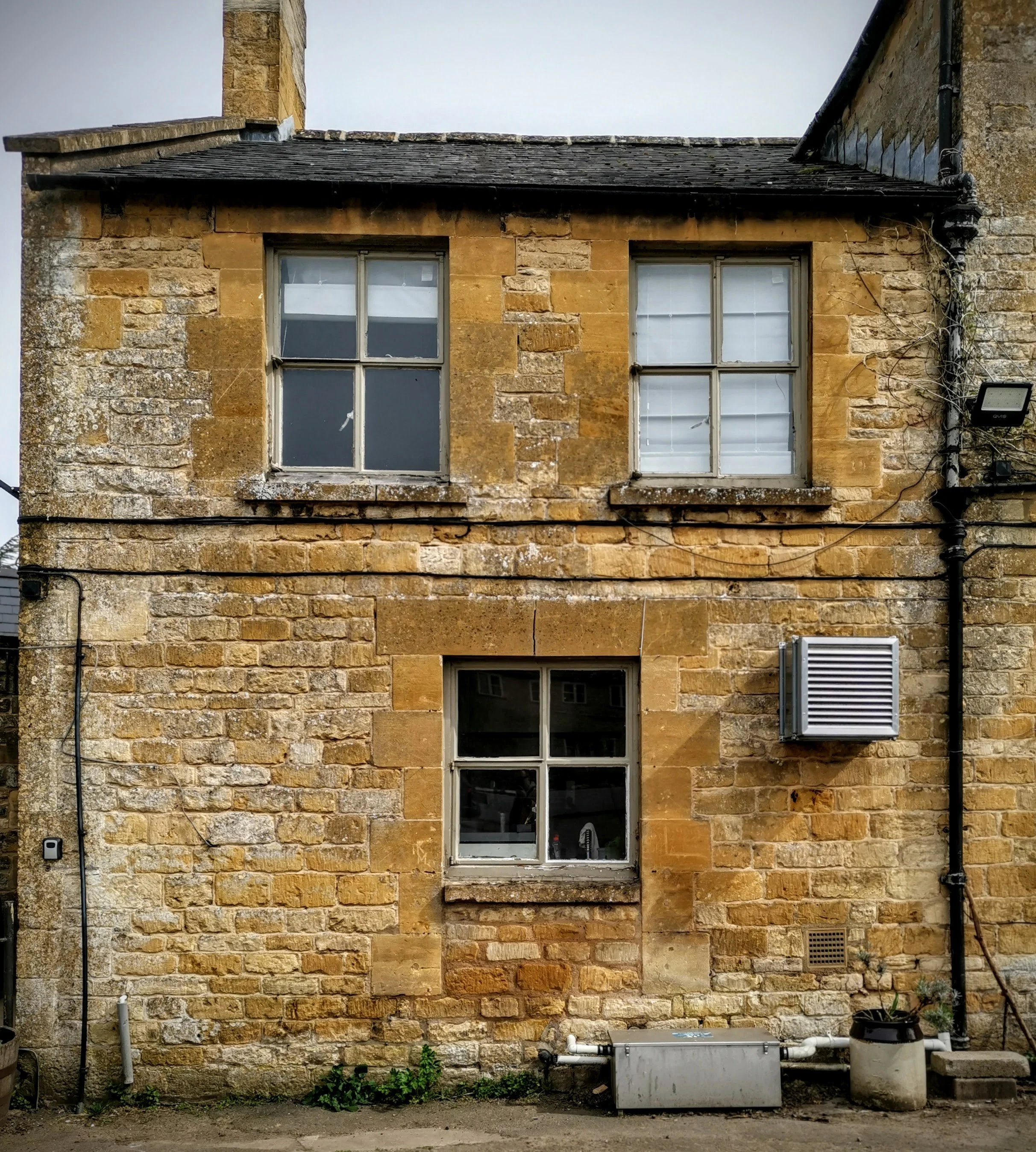
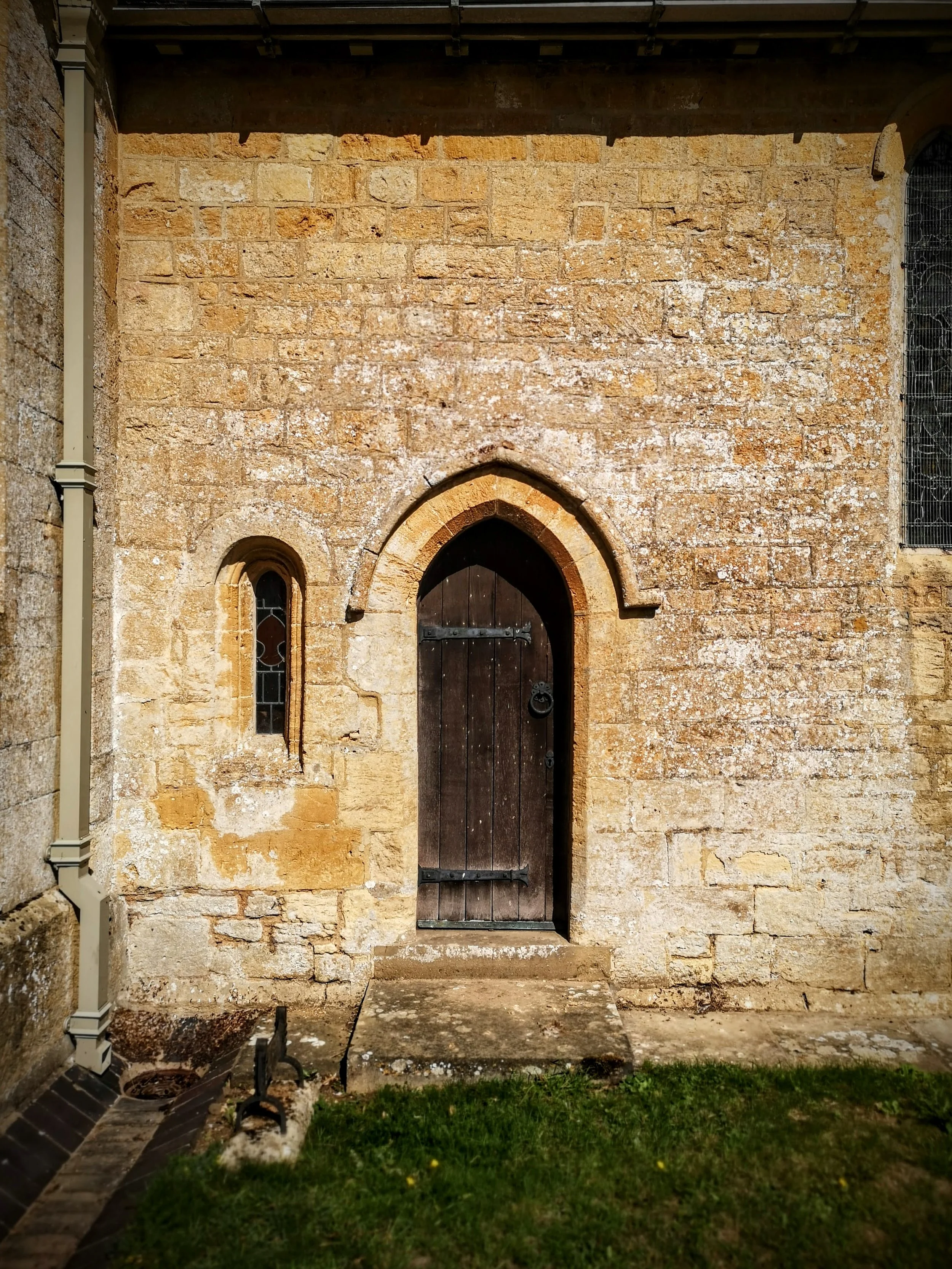
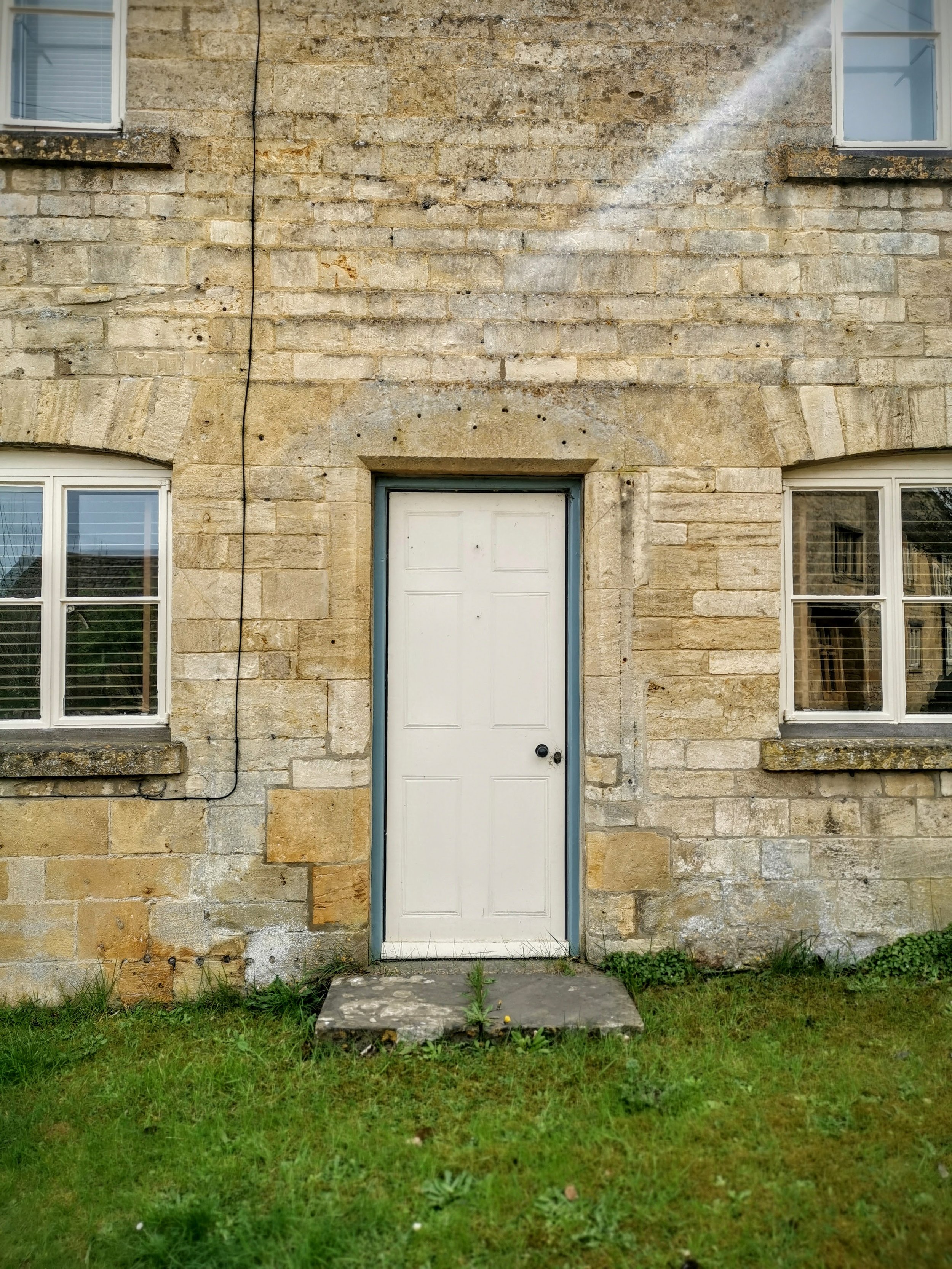
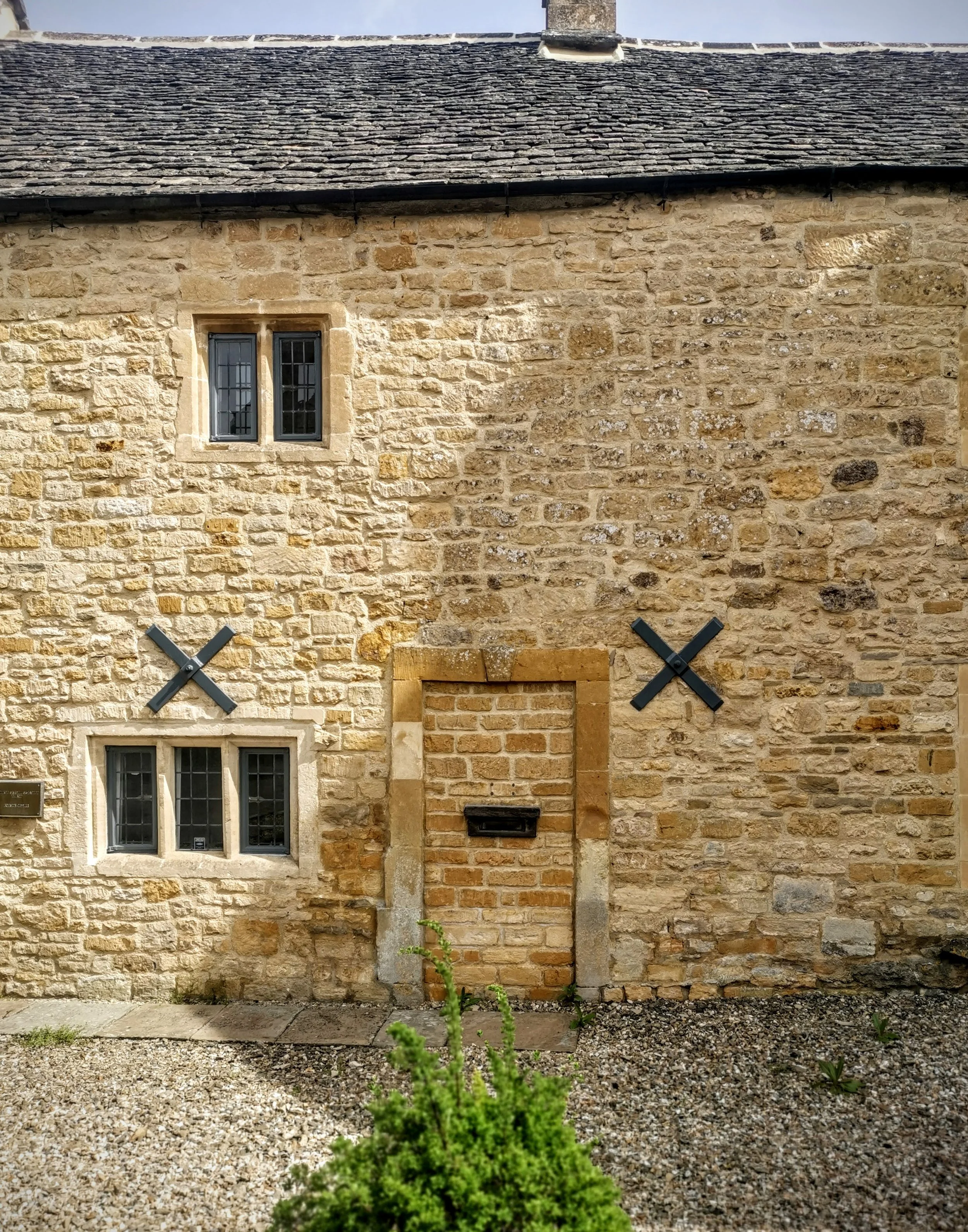
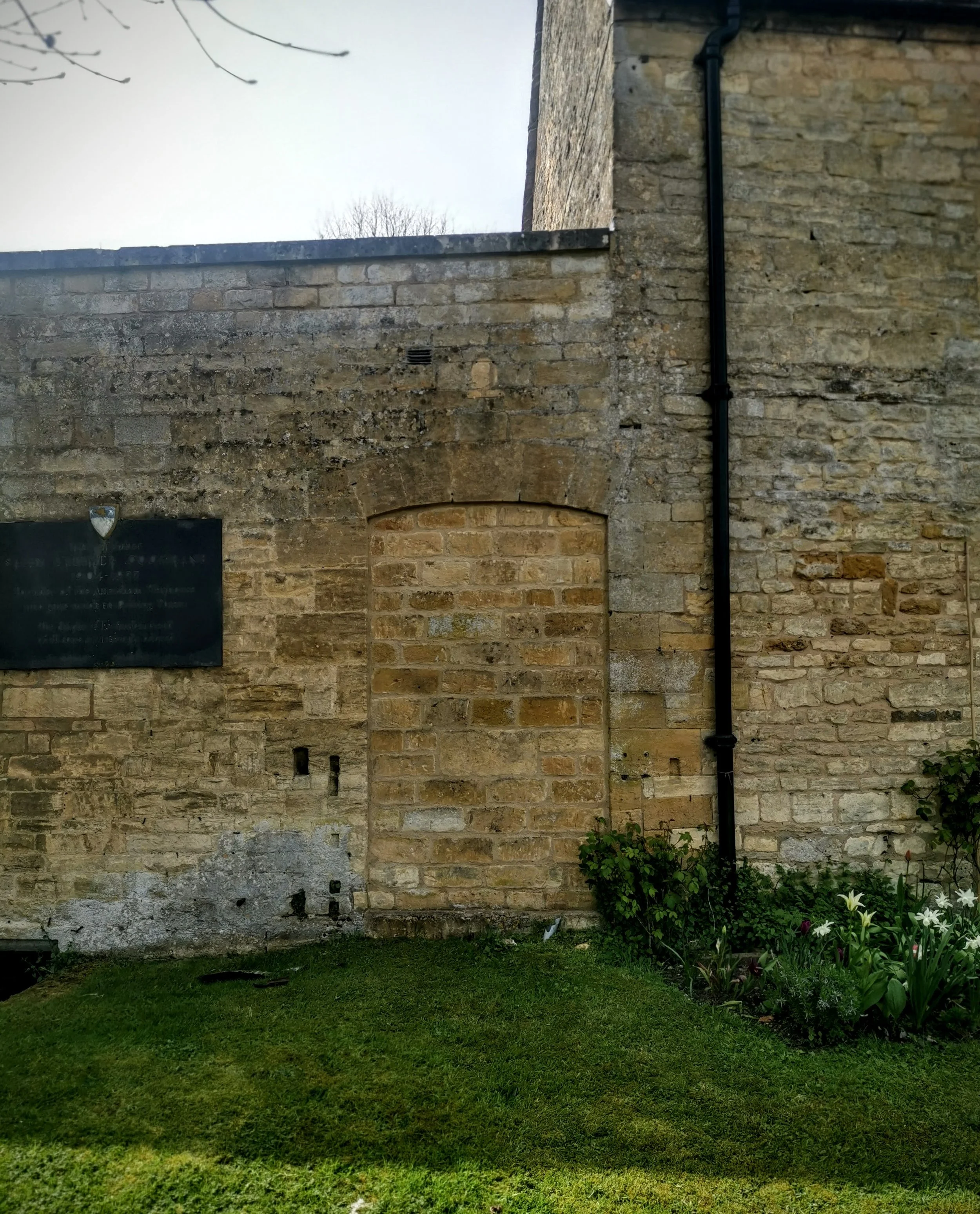
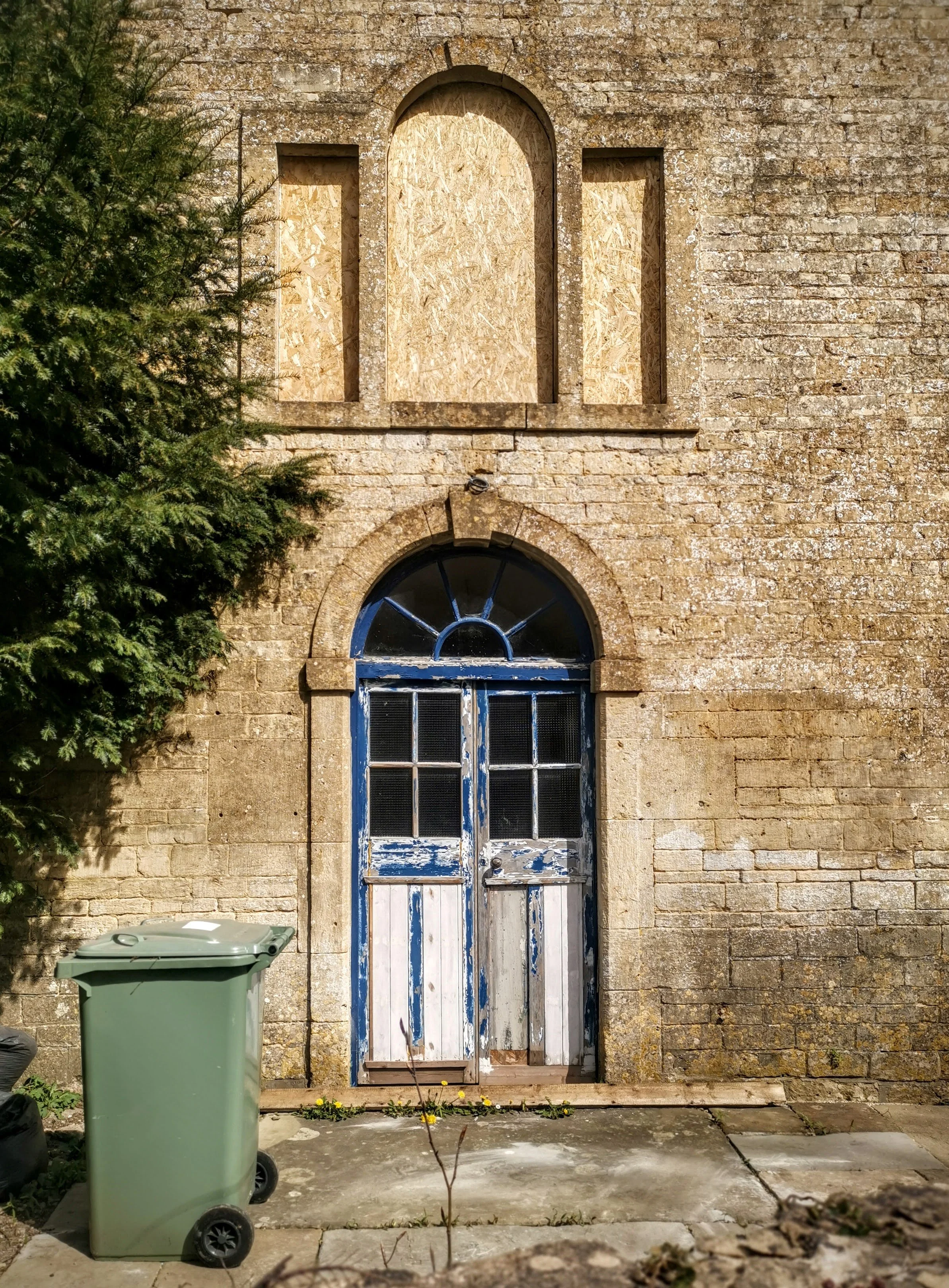
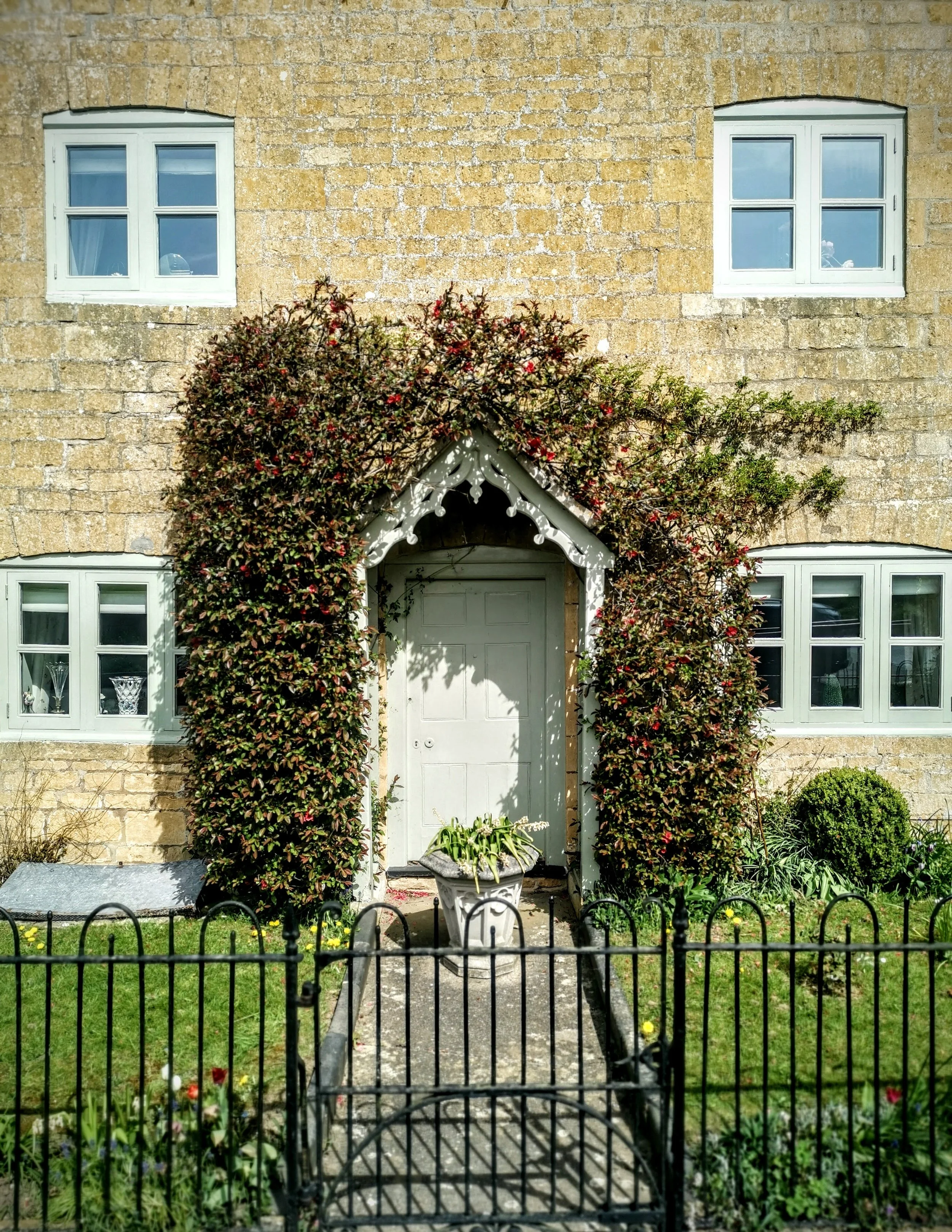
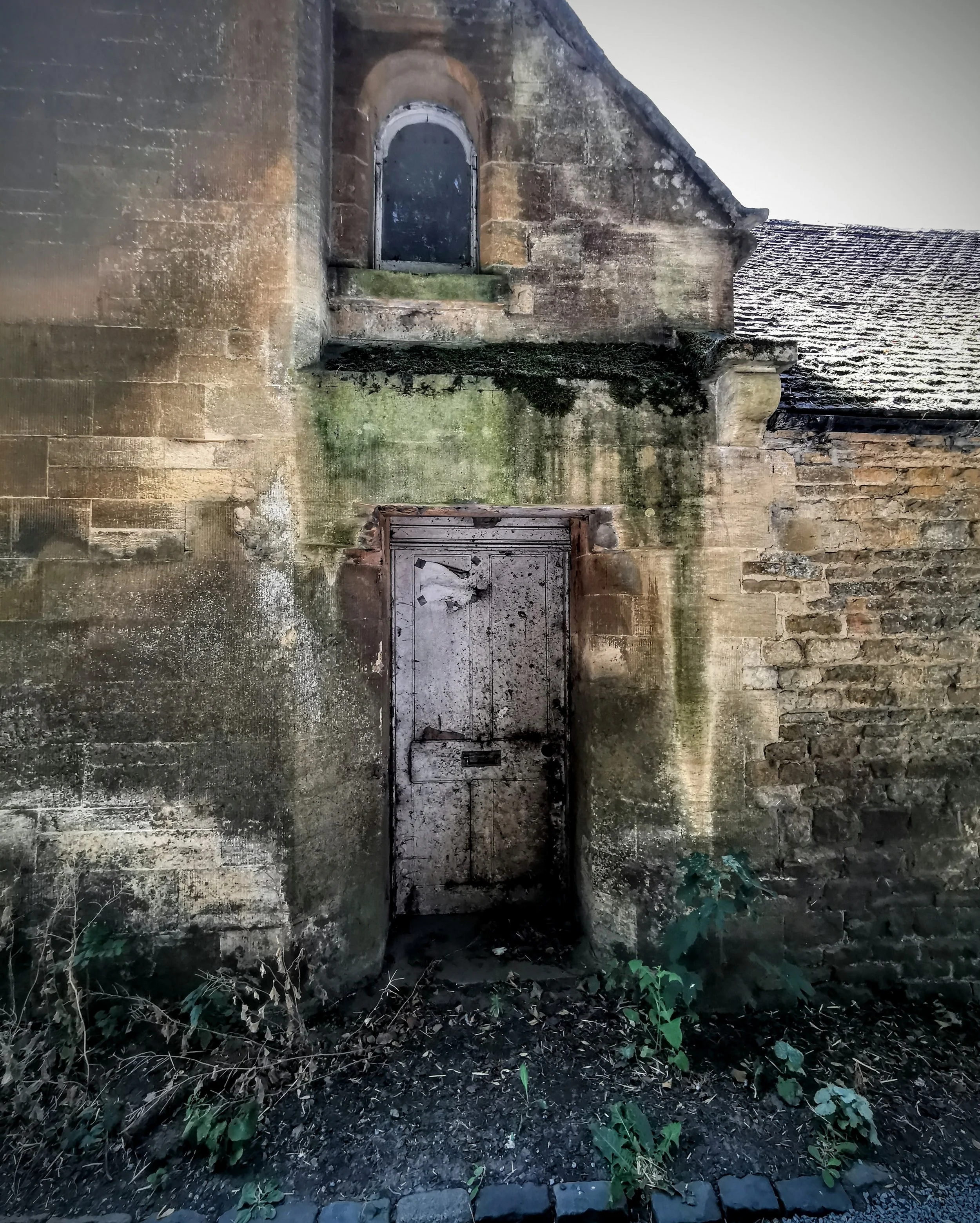
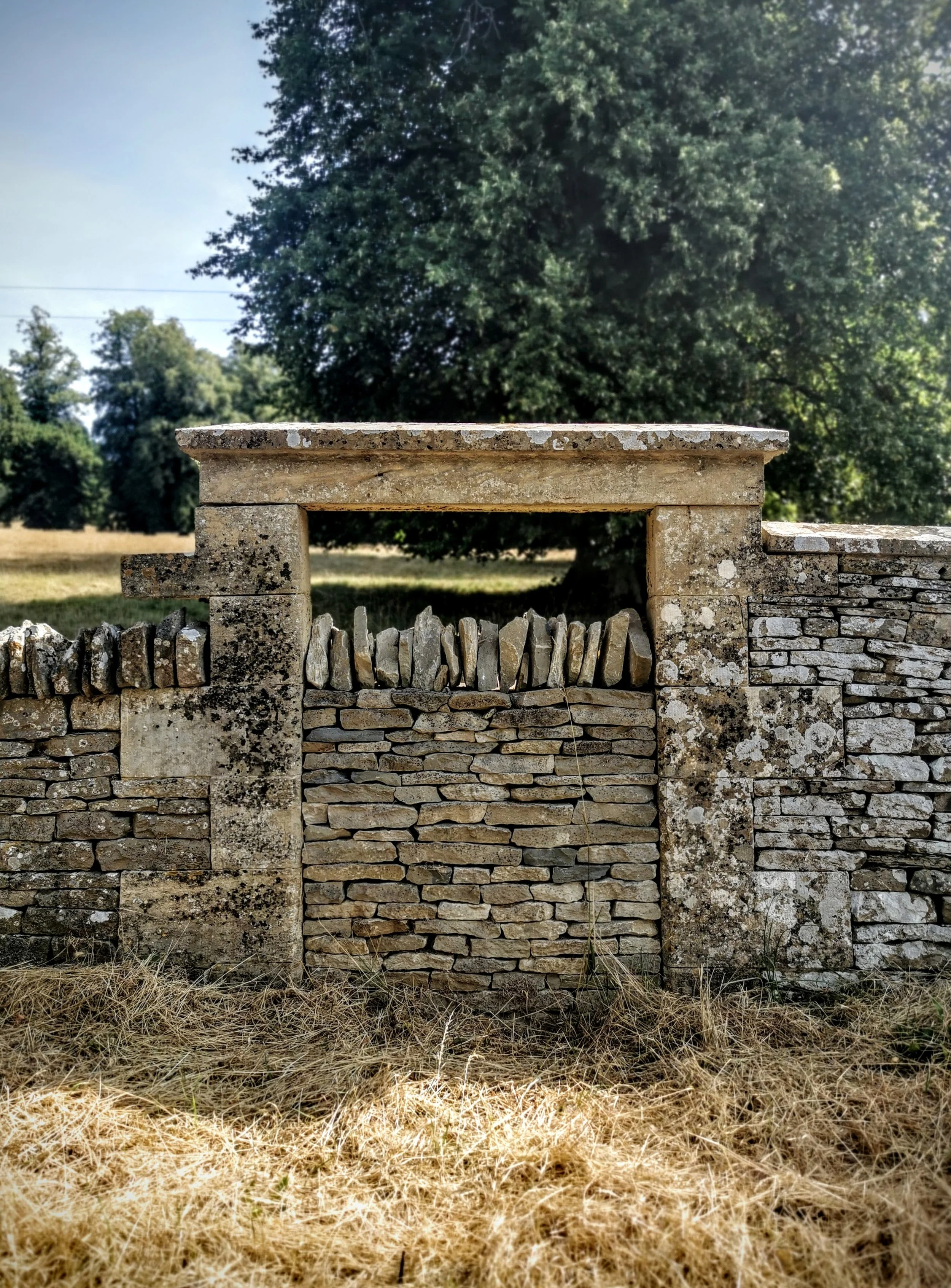
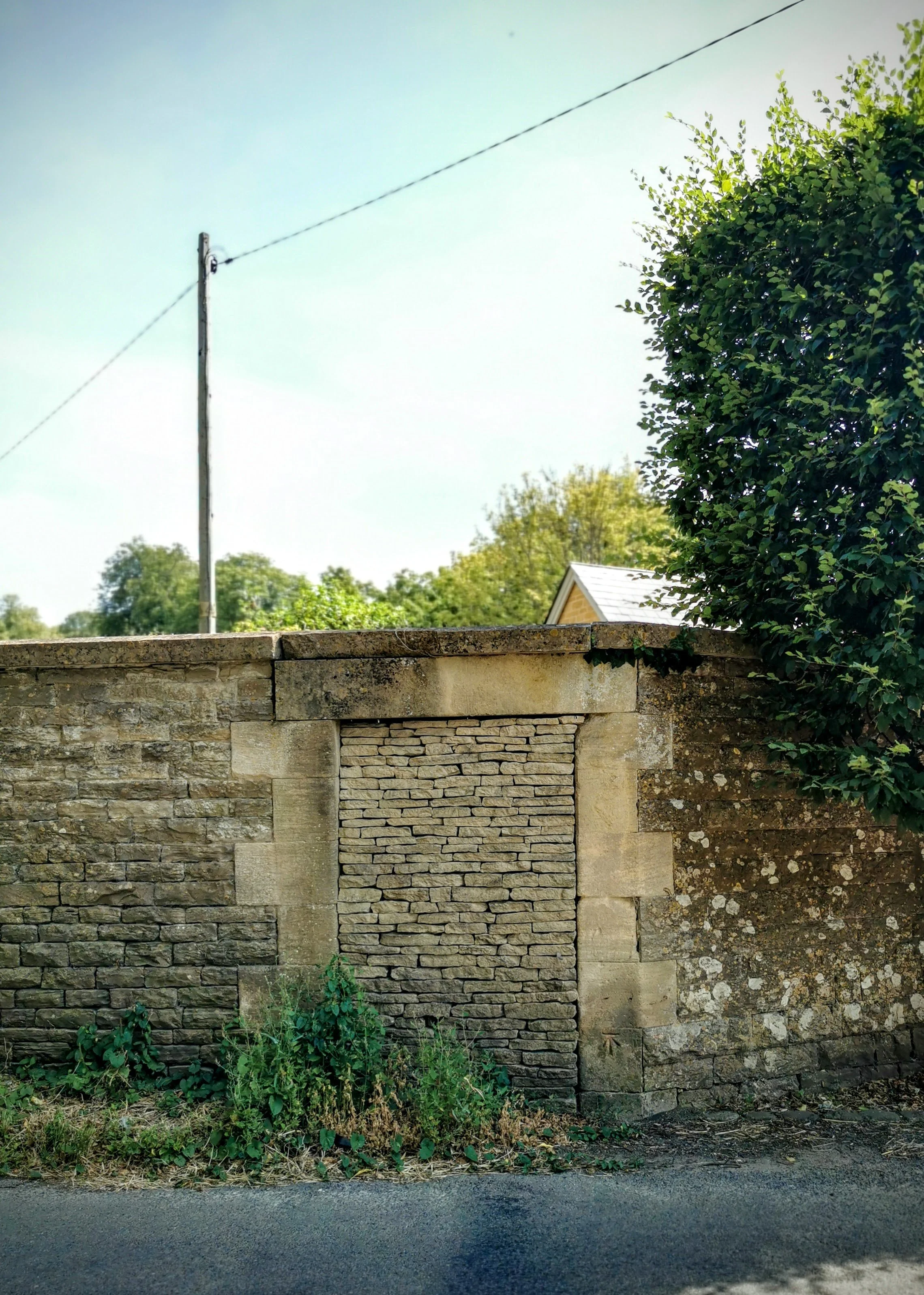
Today the village is an absolute gem, crowded with buildings made of some of the loveliest stone in the Cotswolds, called white and yellow Guiting stone extracted from the local quarries. It has a wonderful wool church with magnificent Norman arches and also many doors not used anymore.