Abandoned: St John the Baptist Church and Carmel College, Mongewell
I had just visited Wallingford with my brother and the hounds and after taking pictures of a ridiculous number of doors not used anymore we were headed for home.
But were we? My brother had read about this church nearby and wanted to visit. The GPS took us down a private road so at first we were not sure we weren’t trespassing, but the church did have public access. The road ended at some houses so we parked up and continued on foot, leaving the hounds behind.
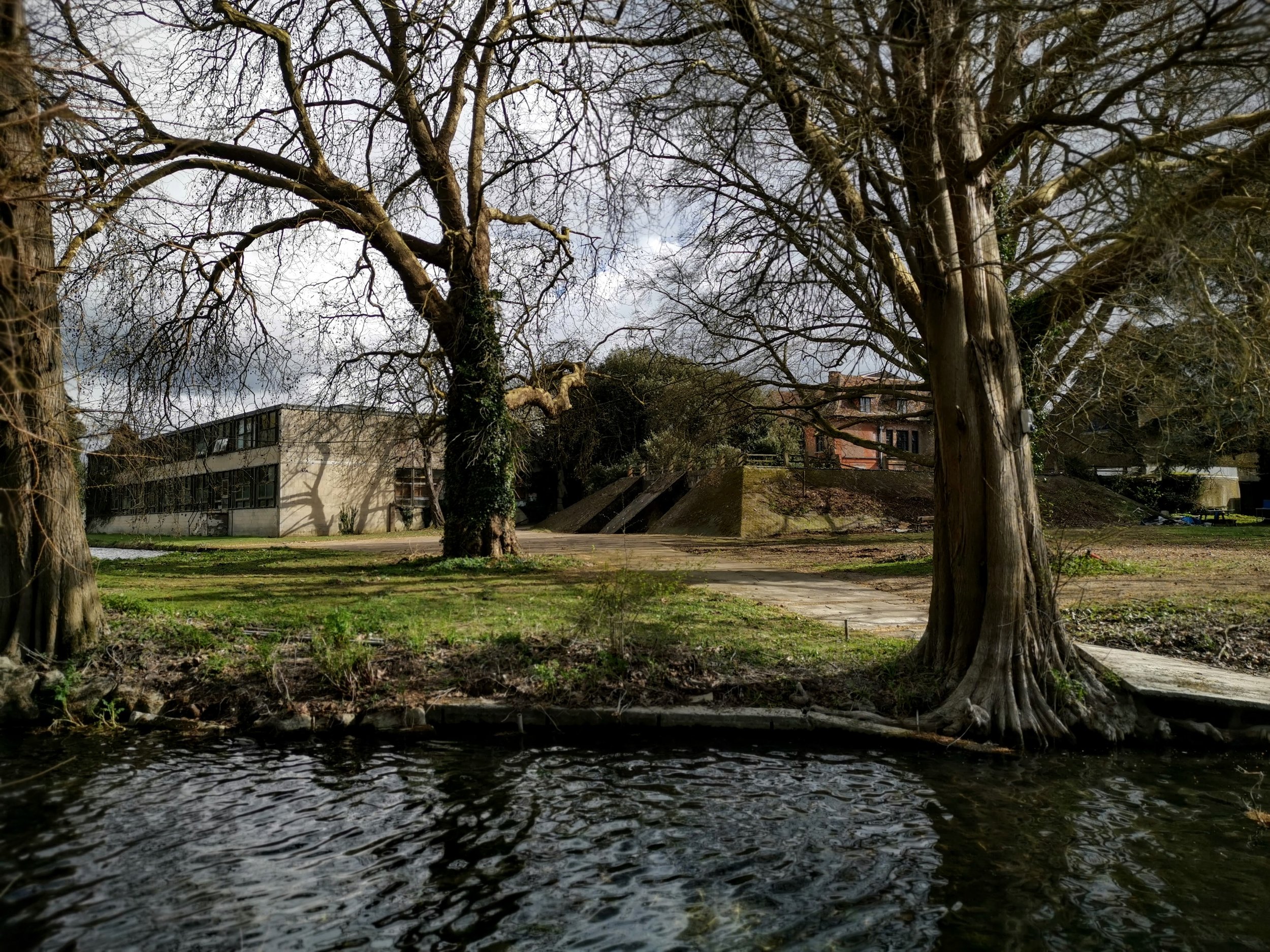
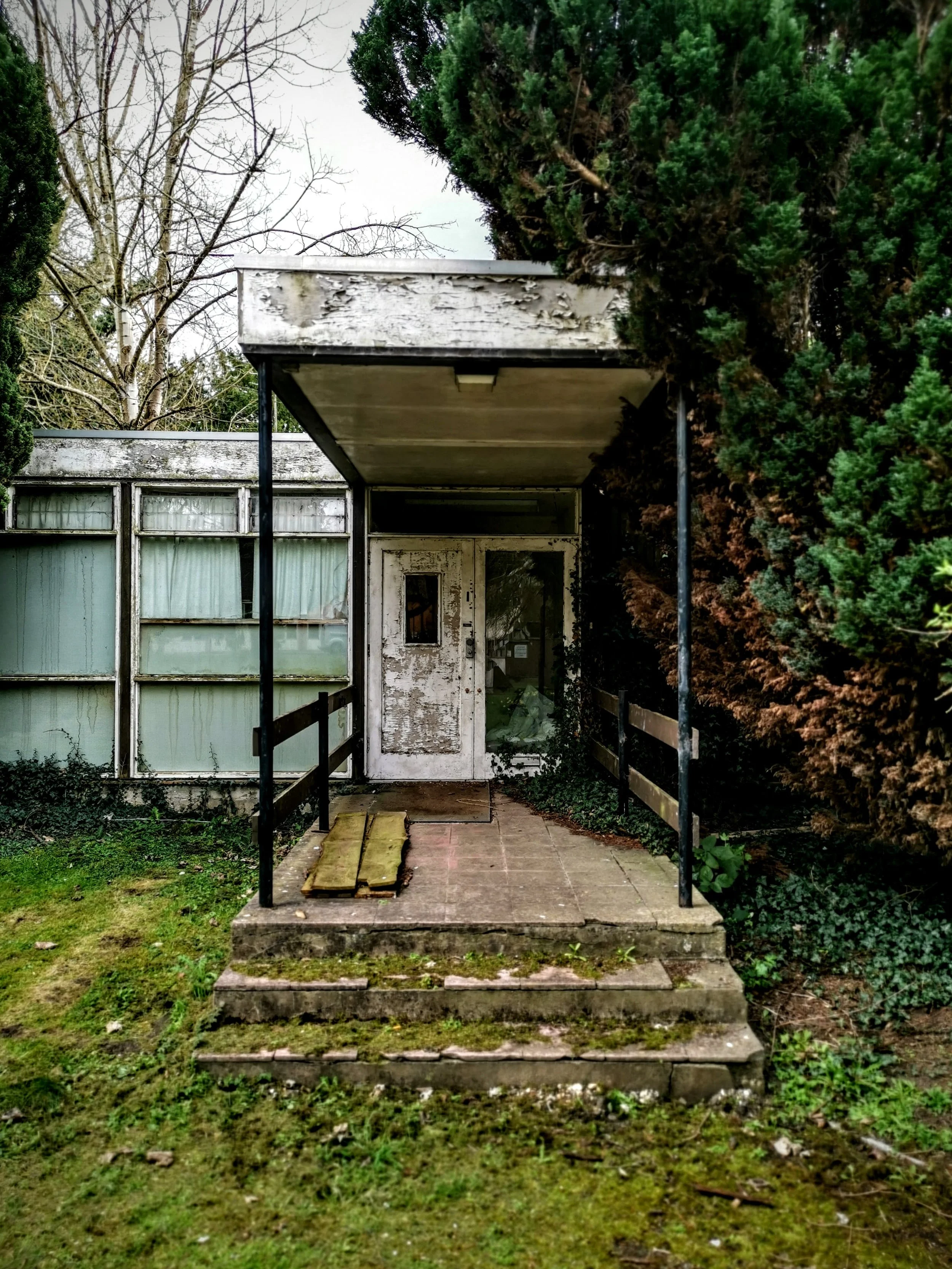
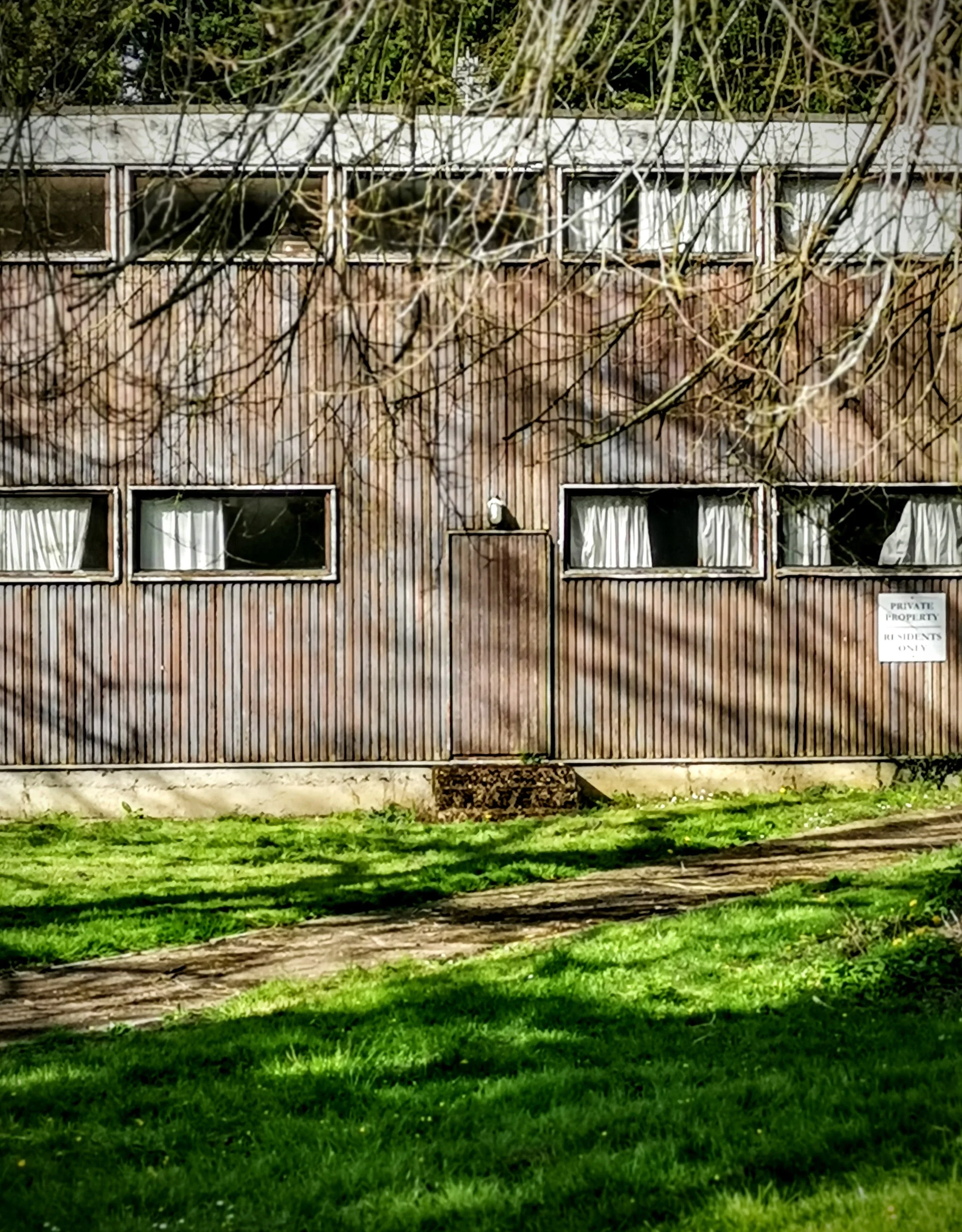
Immediately something felt strange. Once past the inital row of houses the buildings looked….odd, out of place. They were clearly built as commercial buildings, offices was my first thought, but there were signs saying ‘residents only’.
It turns out we had unknowingly walked into the grounds of what was once the Mongewell Estate but which became Carmel College after the war, a public school established for the sole purpose of educating Jewish pupils, the so-called ‘Jewish Eton’, which had closed unexpectedly in 1997.
However the path to the church was public so we followed it, despite a distinct feeling of unease. The best way to describe it would be to say it felt post-apopcalyptic; like being in a silent, dead city or town.
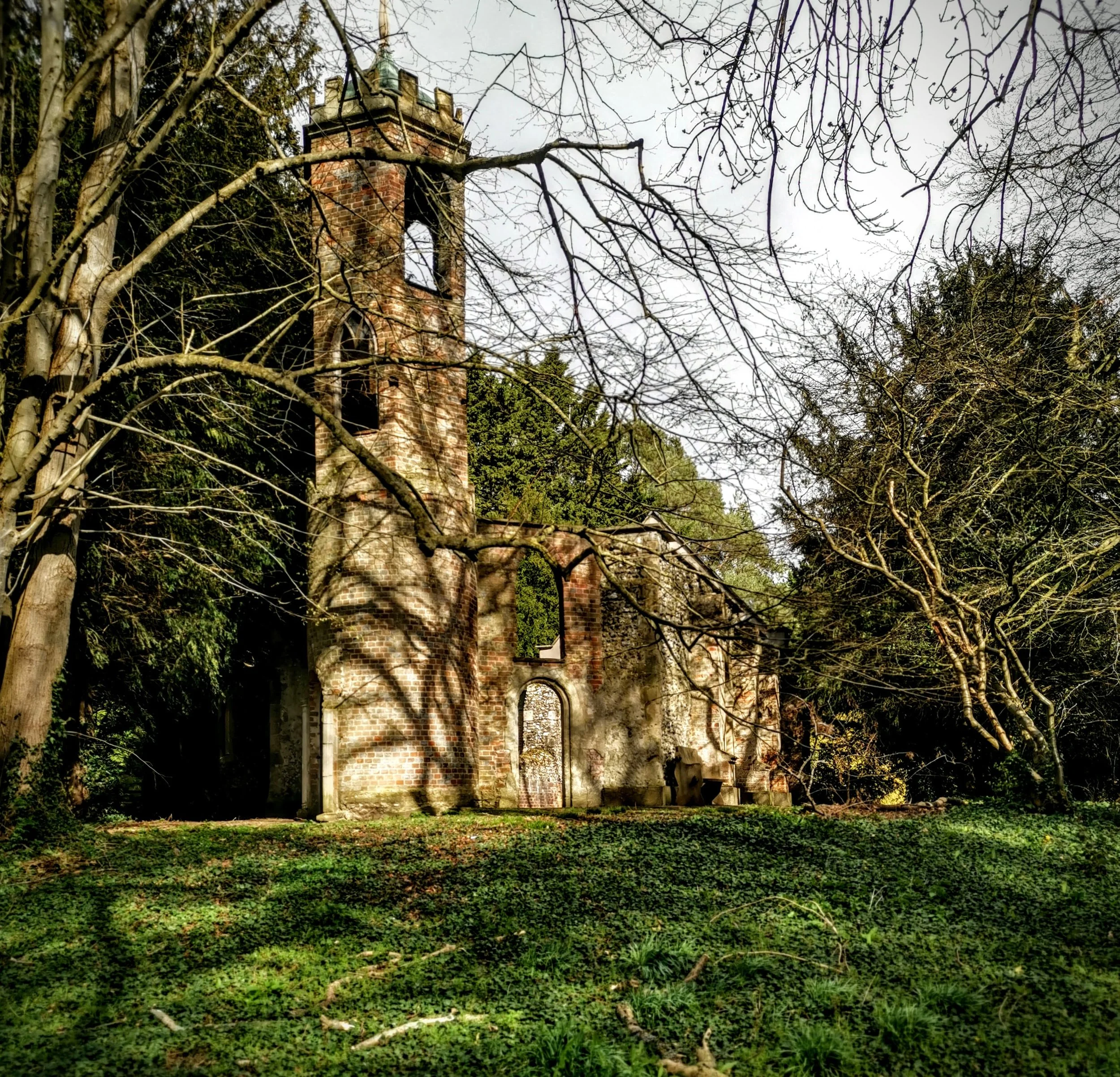
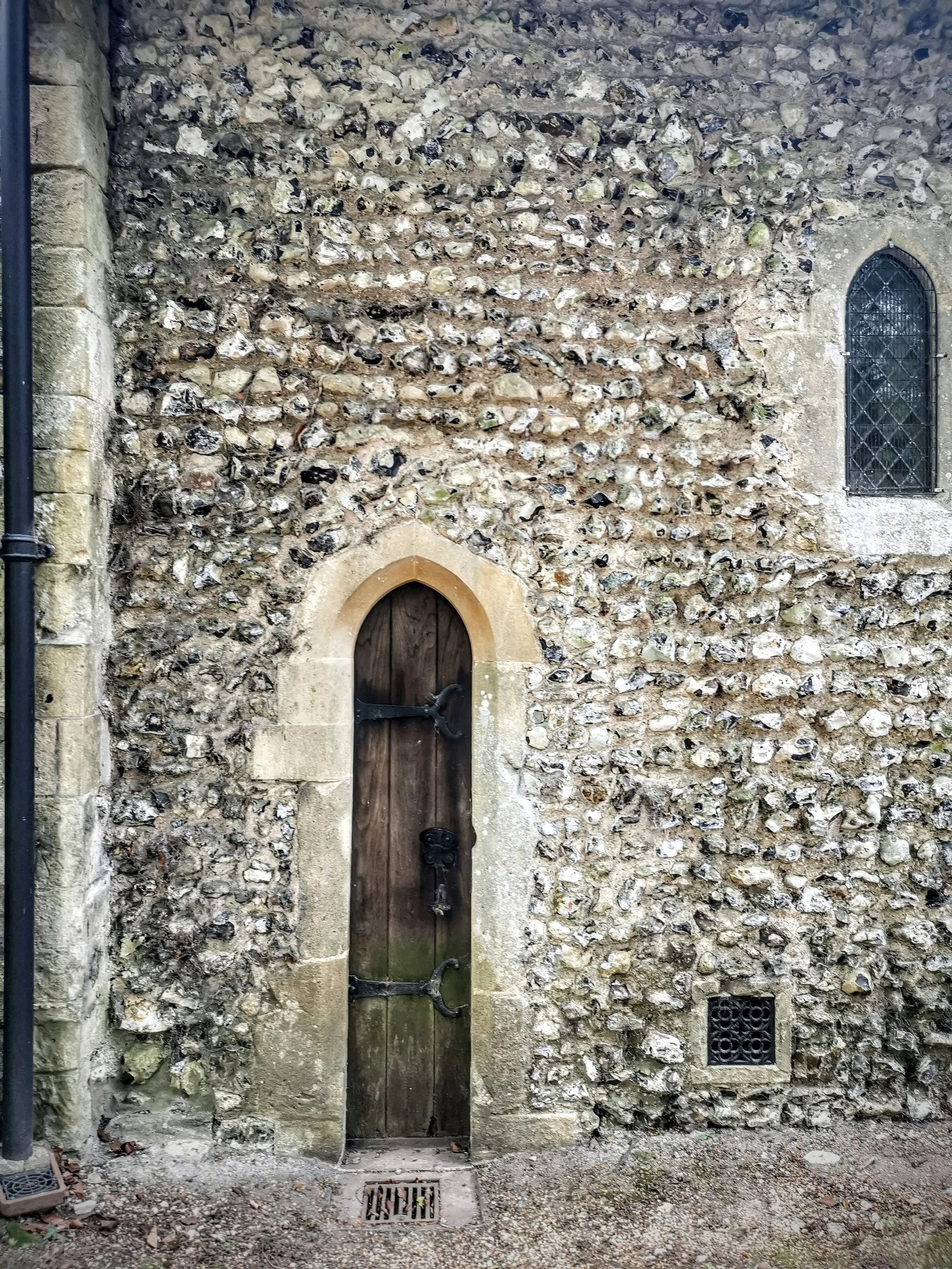
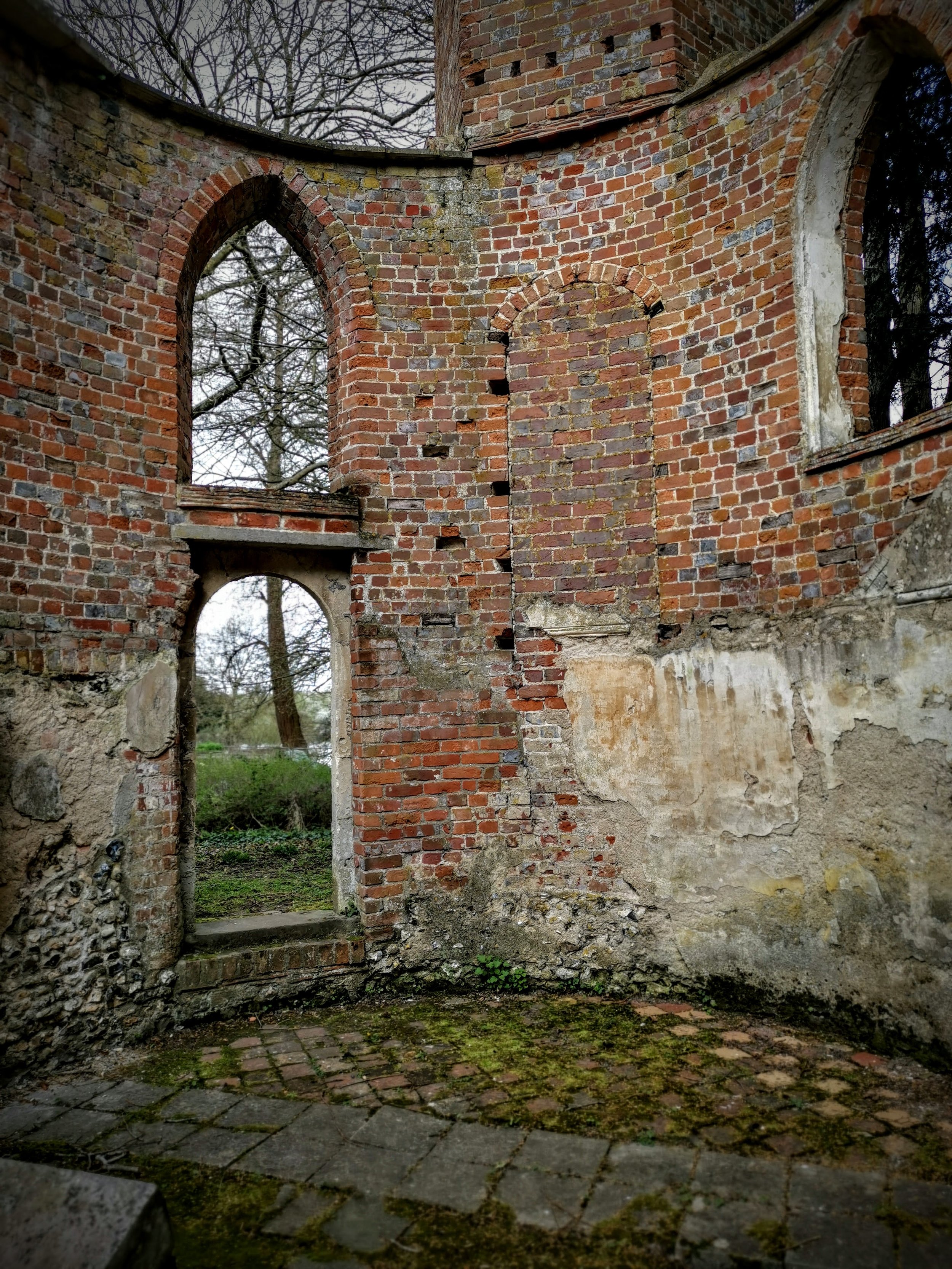
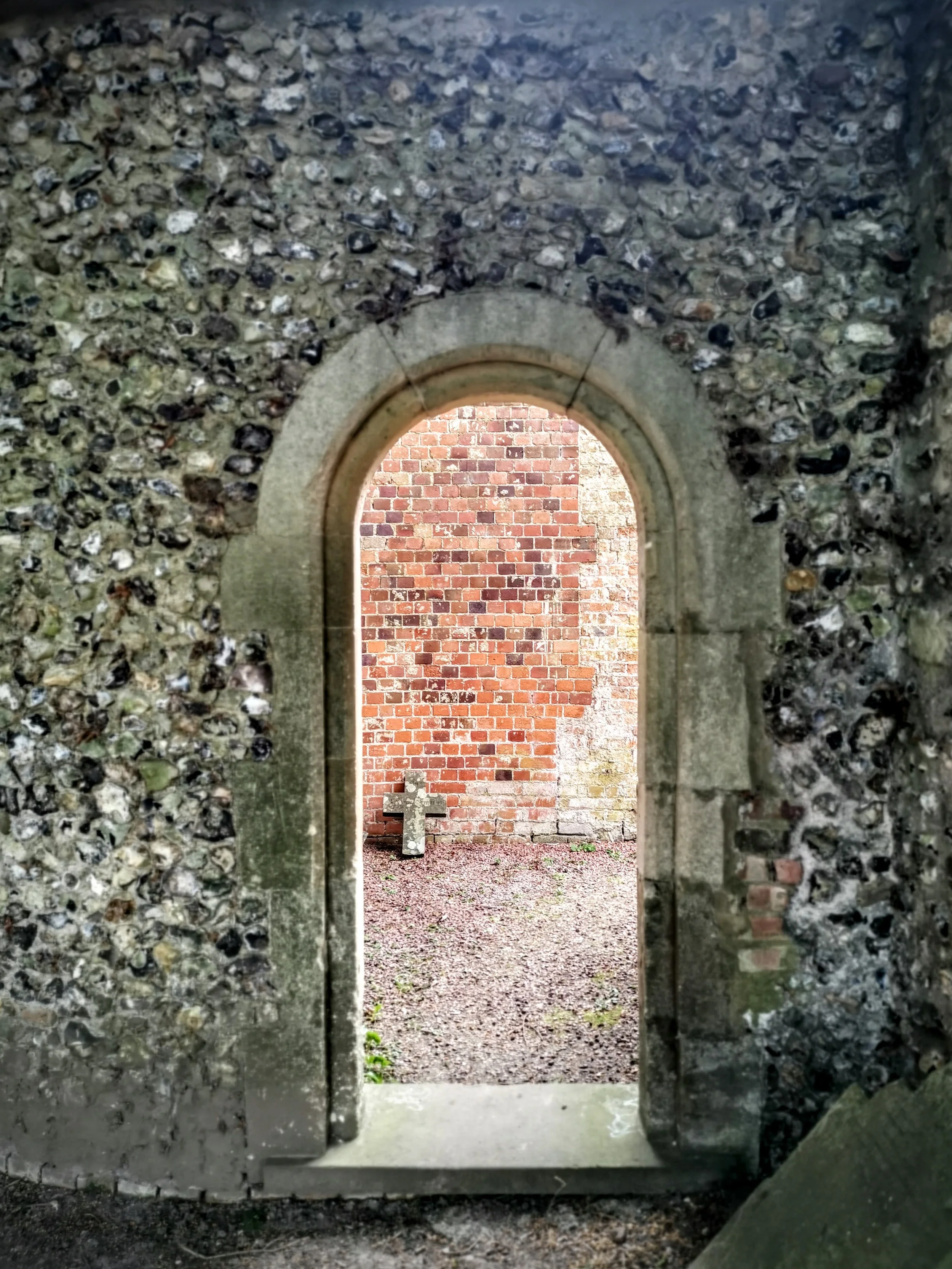
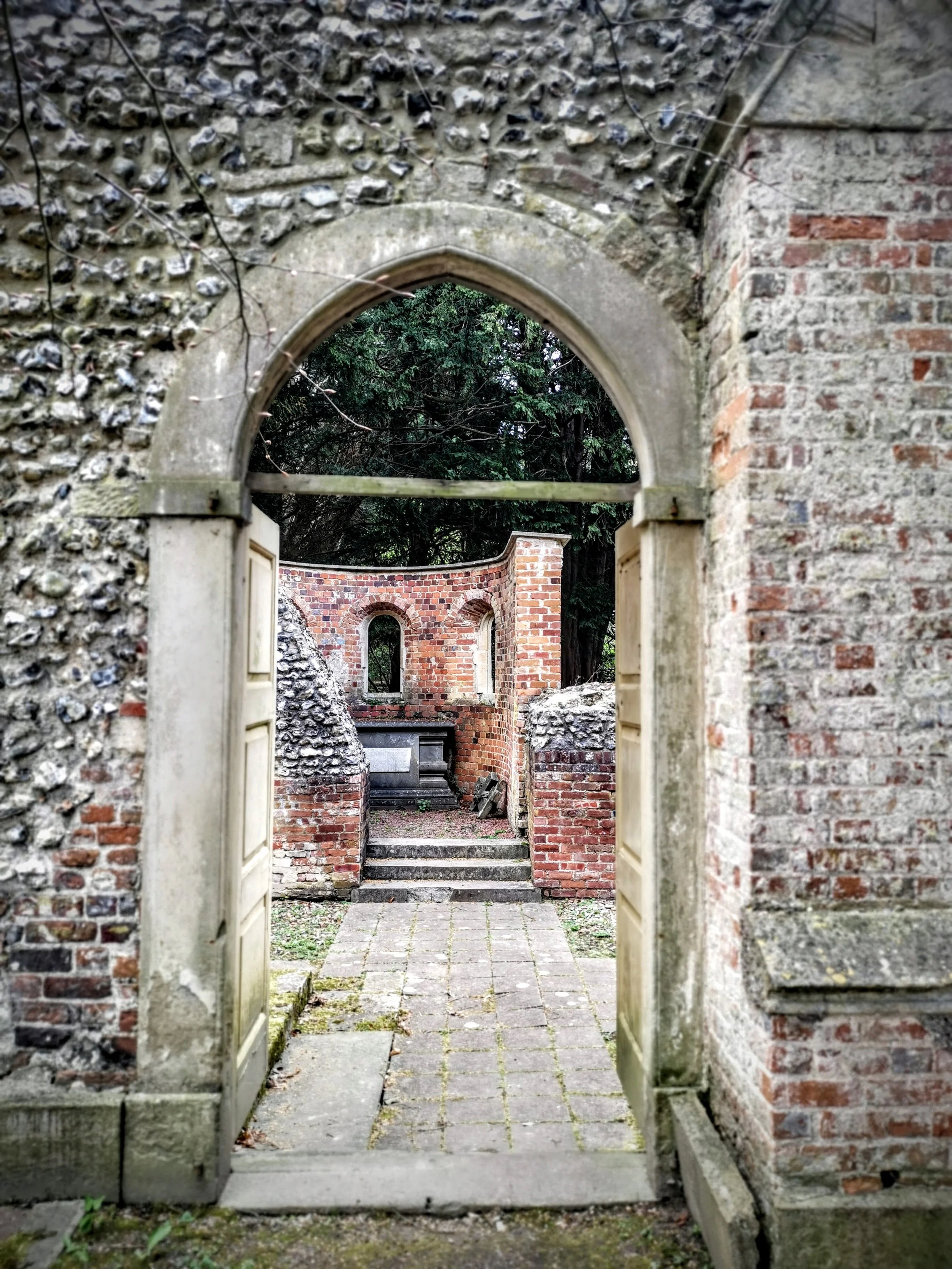
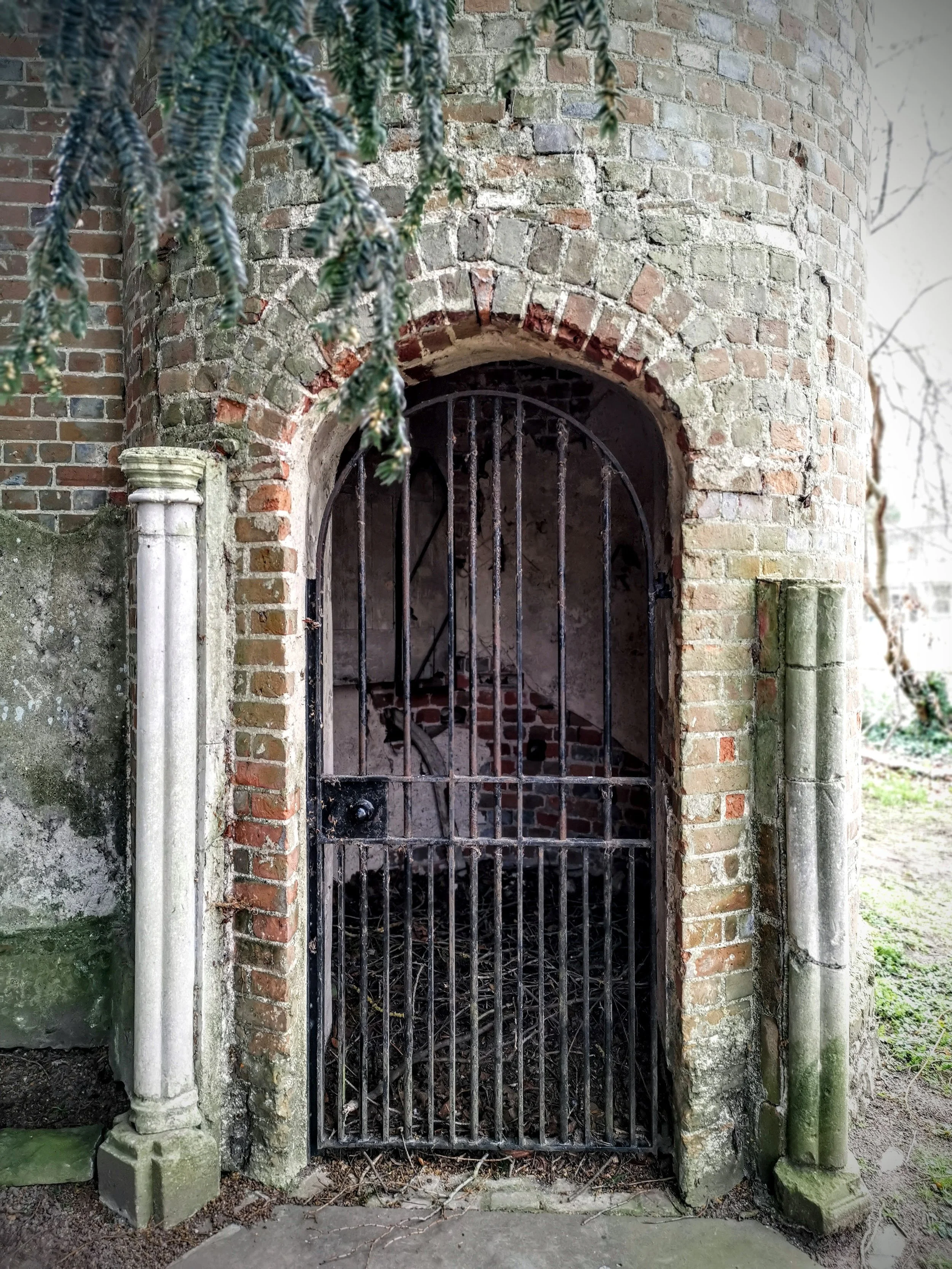
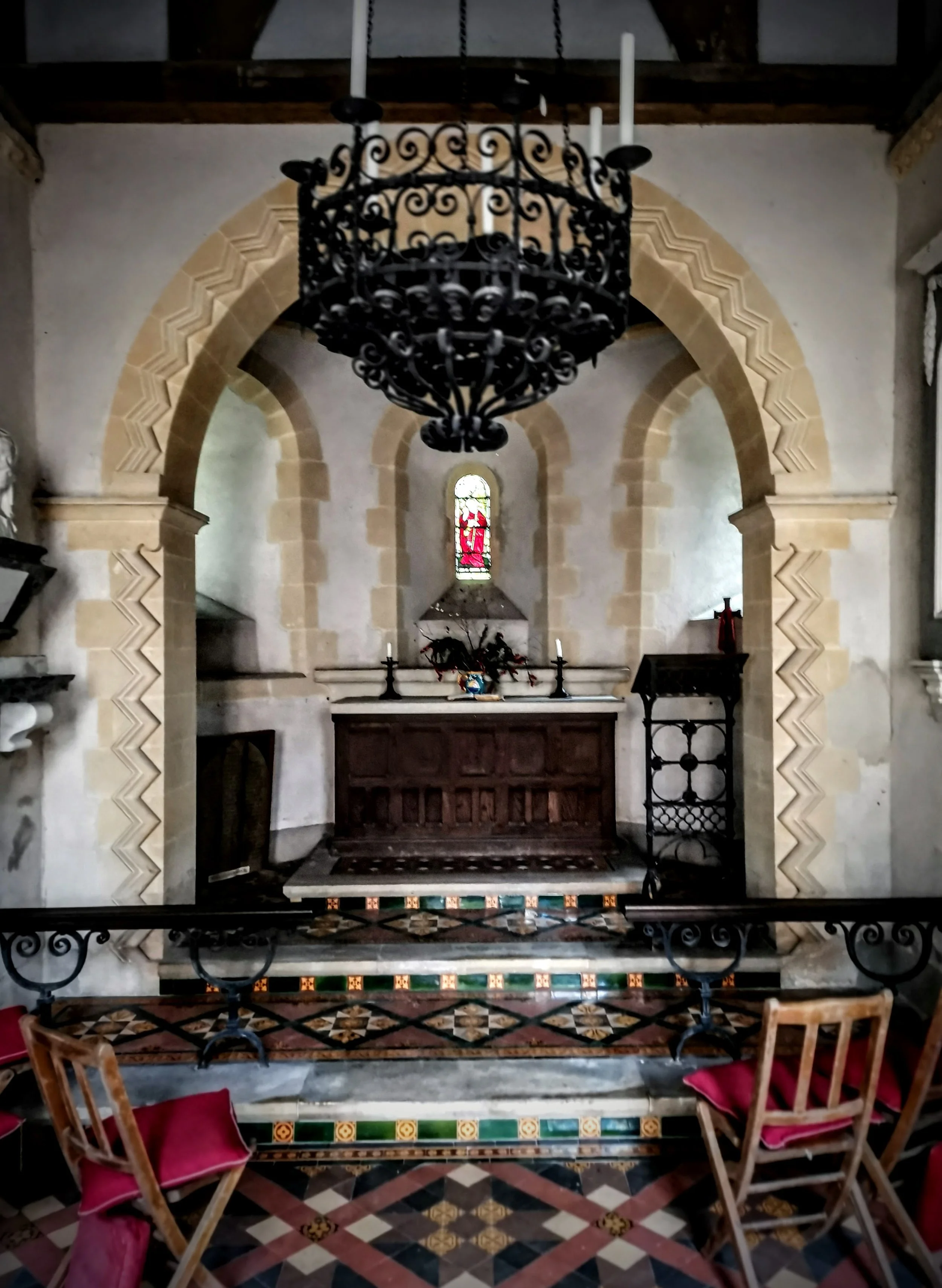
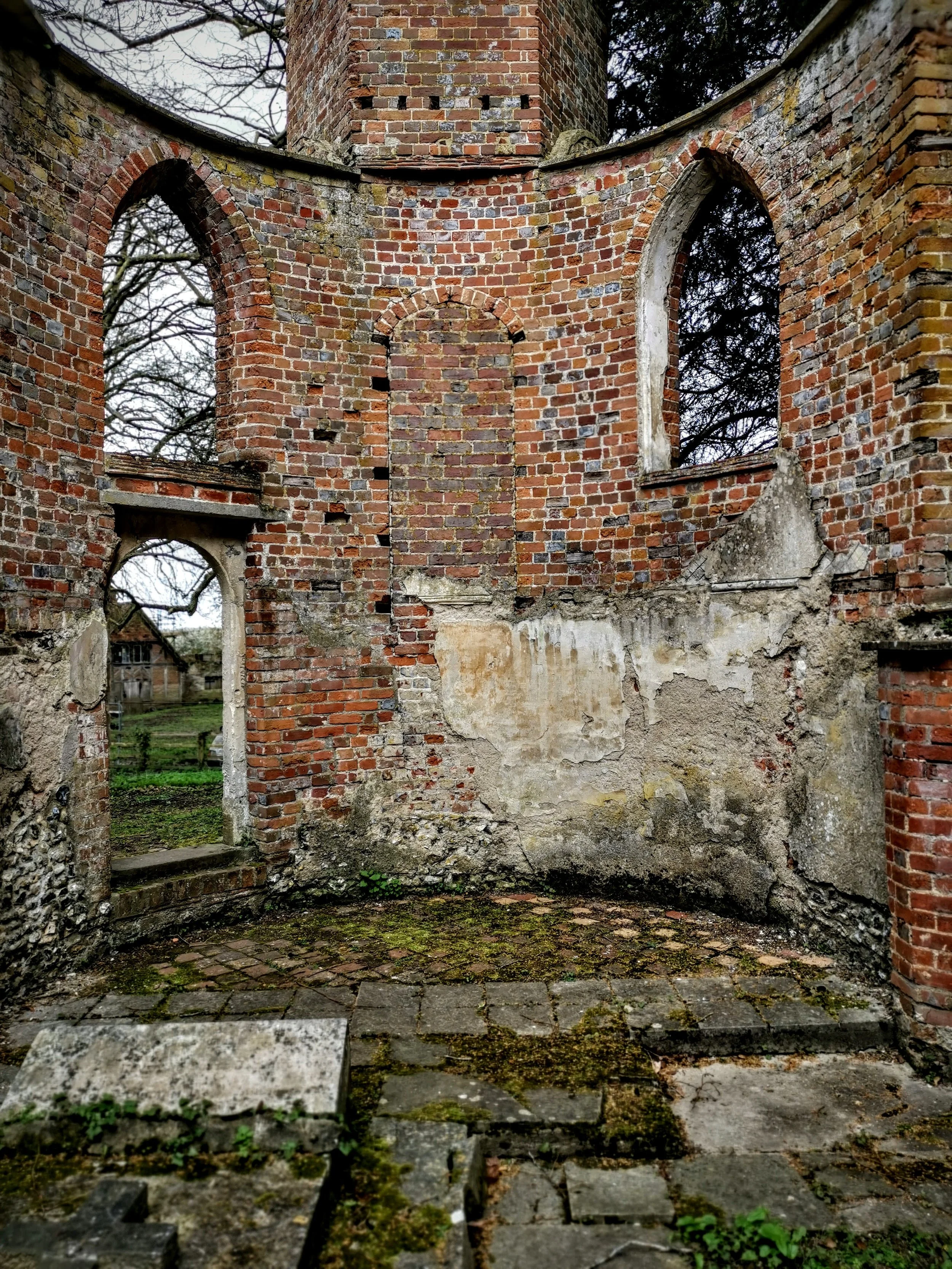
St Johns the Baptist Church as you’ll see from the pictures is mostly a ruin, although the Norman chancel is fully intact and beautifully preserved, which only adds to the surreal sensations that were increasing.
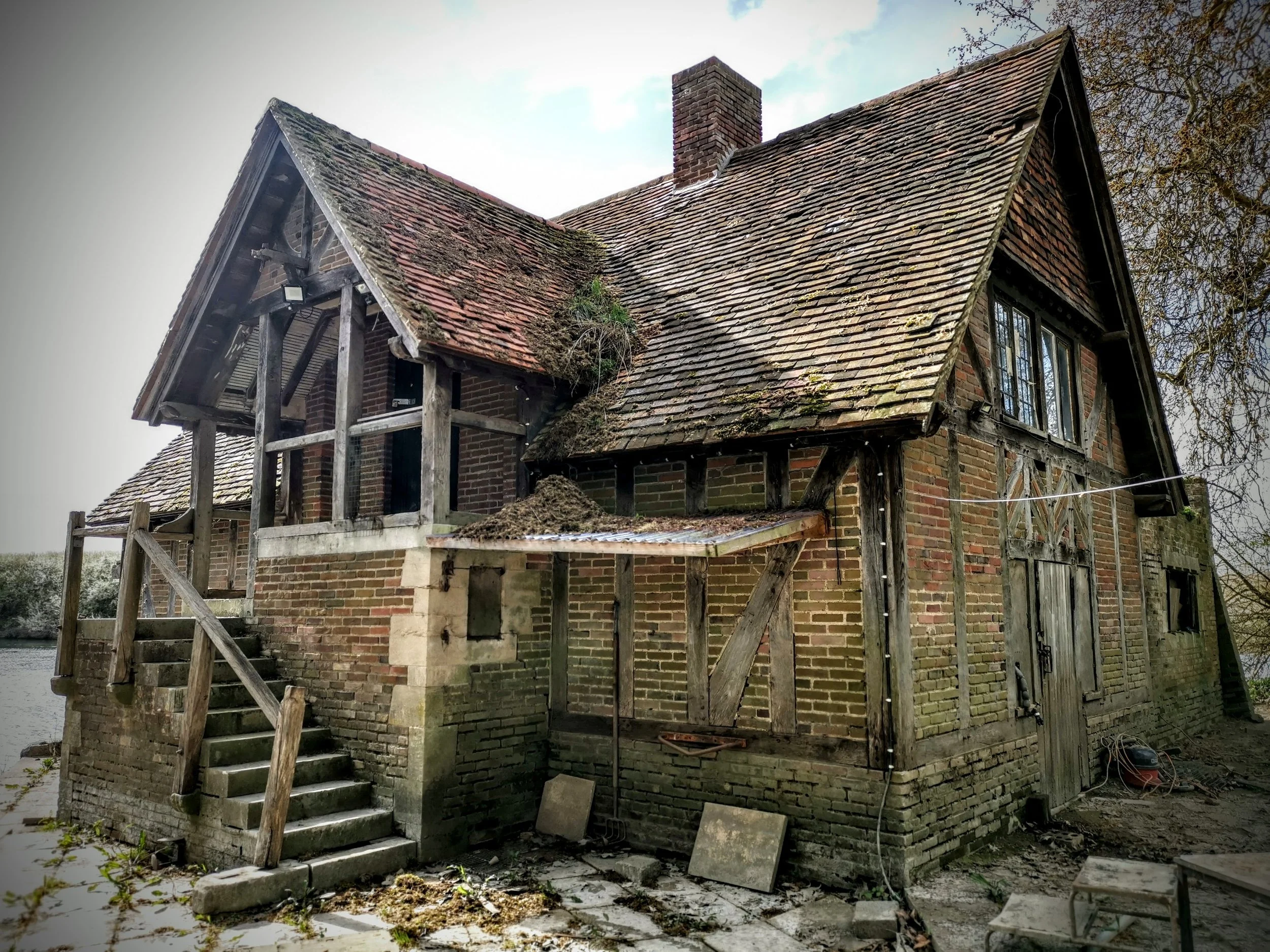
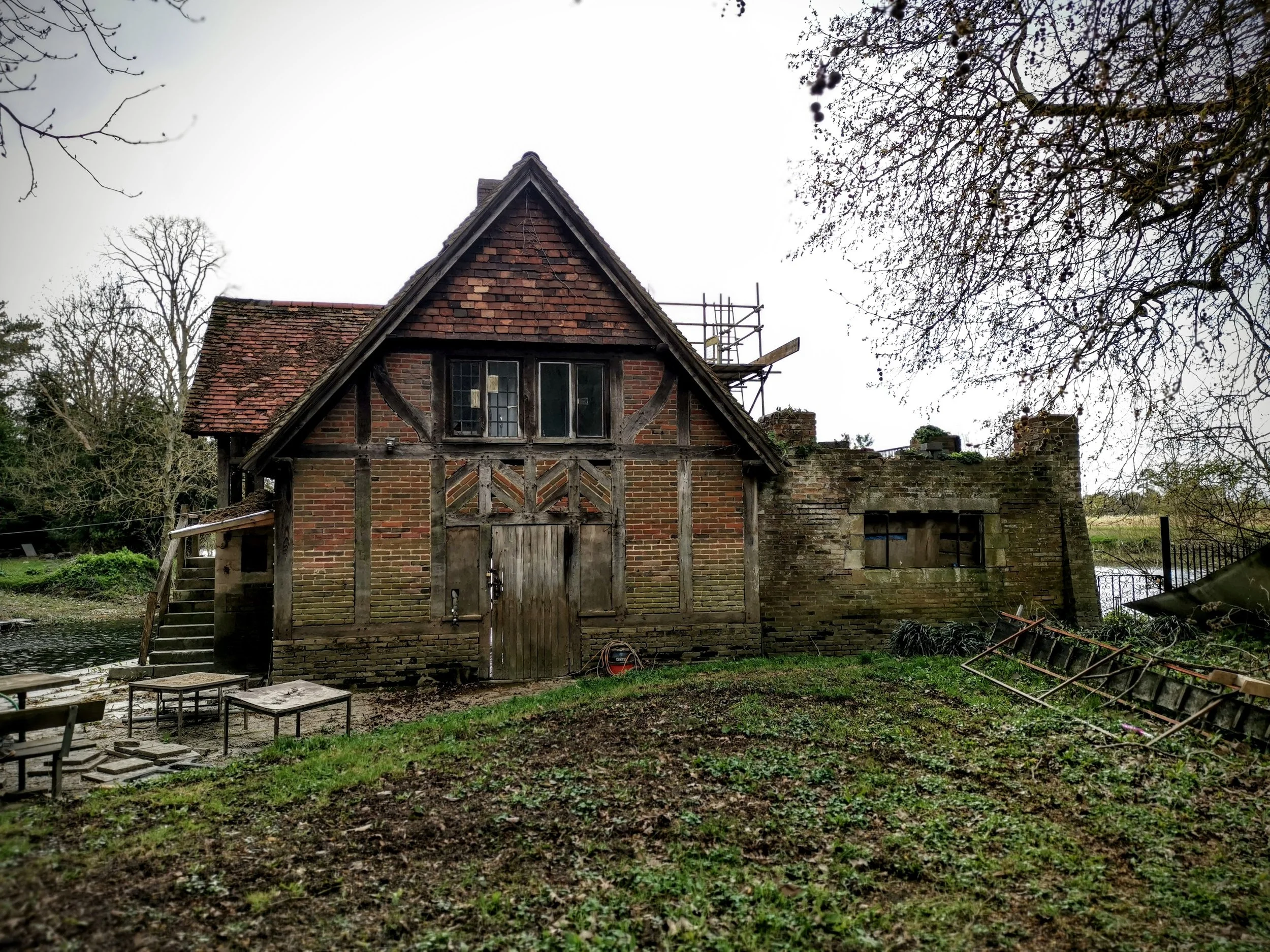
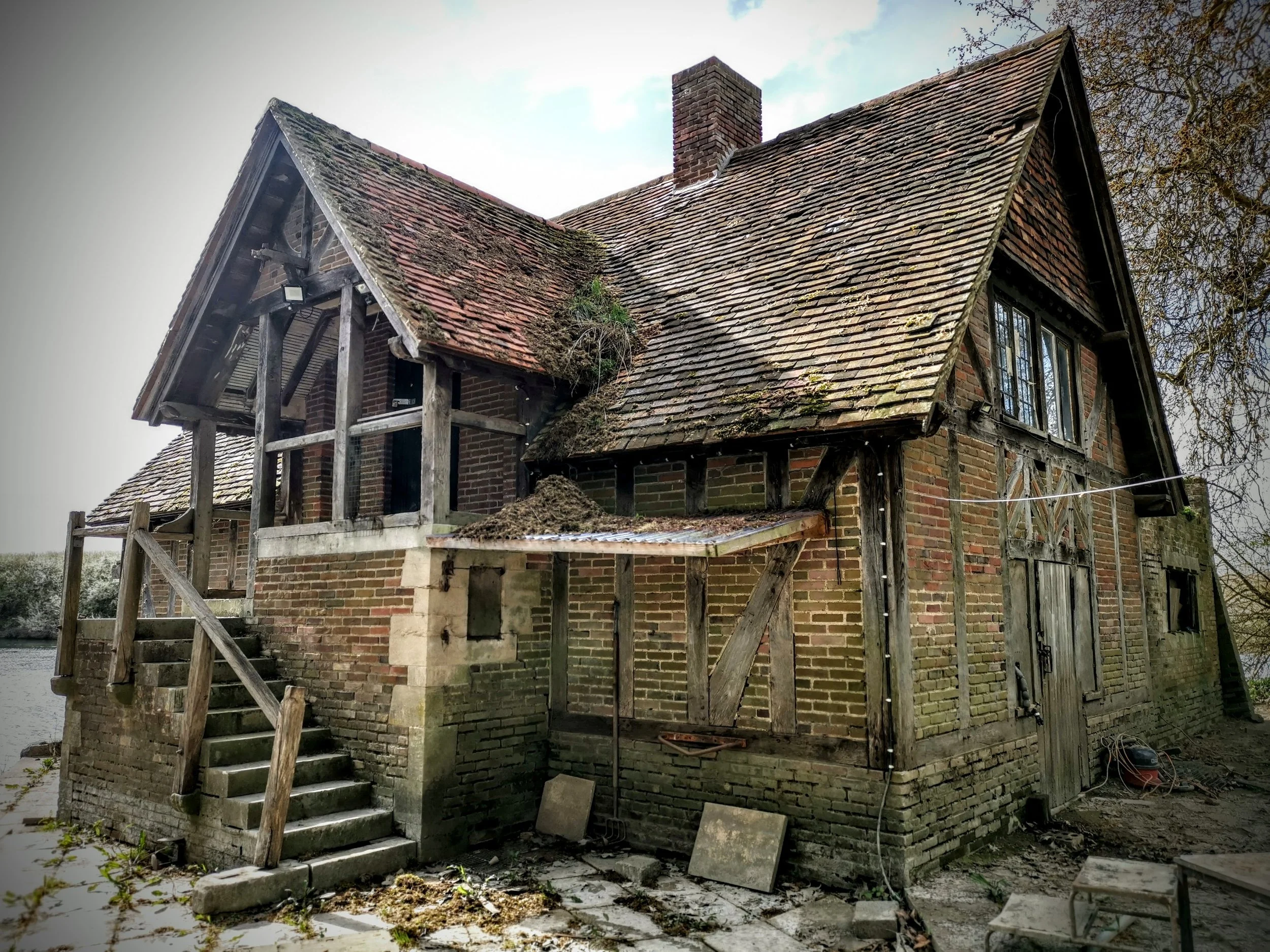
A few of the old Carmel school buildings sat along the path to the church, but the body of the old college was inaccessible across an inlet from the Thames, used as a boating lake by the students. I was able to get closer to the boathouse, but the campus itself is firmly behind locked gates and patrolled by a very aggressive caretaker, if Urbex accounts are anything to go by.
The estate was sold to developers but any work has been stalled in the intervening years and the school grounds remain a time-capsule of the moment it closed, including science labs still full of decaying chemicals.
At its heart lies the old manor house, but added to it is the distinctive concrete synagogue, with its stained glass windows created by Israeli artist Nehemia Azaz, the dining hall, and the amphitheatre, designed by local architect Thomas Hancock, which are Grade II listed buildings; as are the Julius Gottlieb gallery and bunker-esque concrete boathouse, designed by Sir Basil Spence.
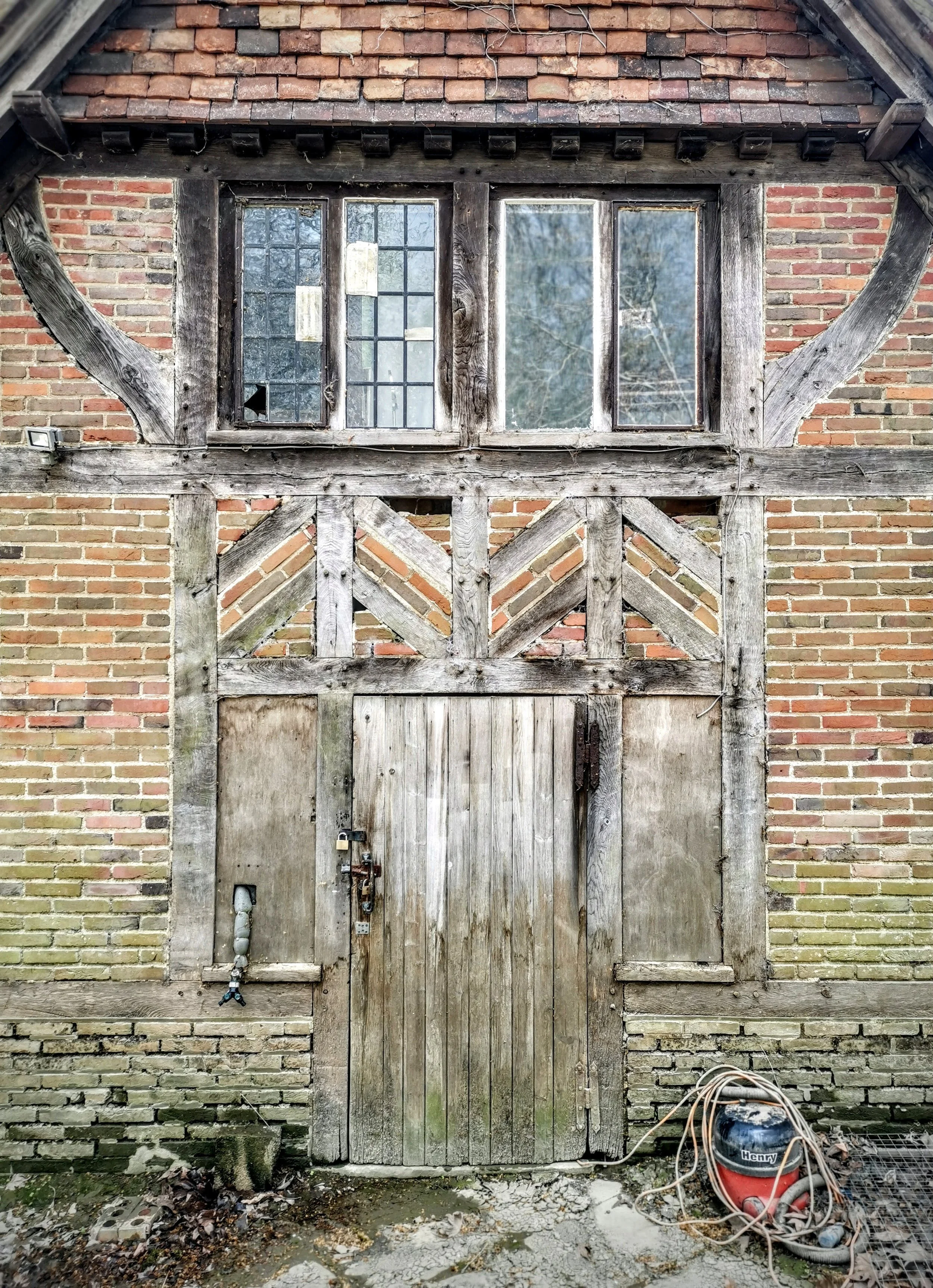
It would be a marvellous to visit and do some door walking, but unfortunately this was a close as I got that day.