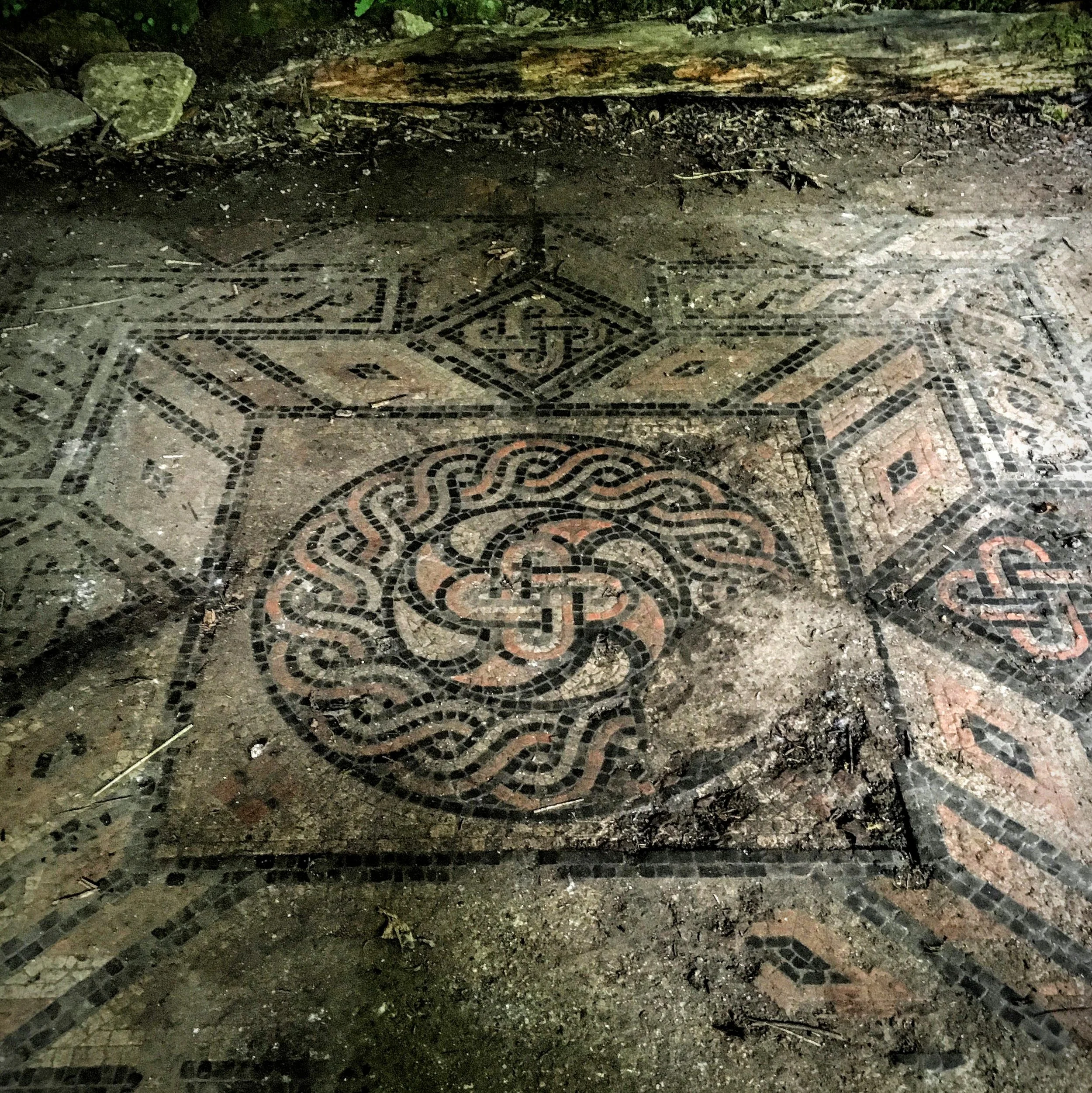
Spoonley Wood Roman Mosaic Walk
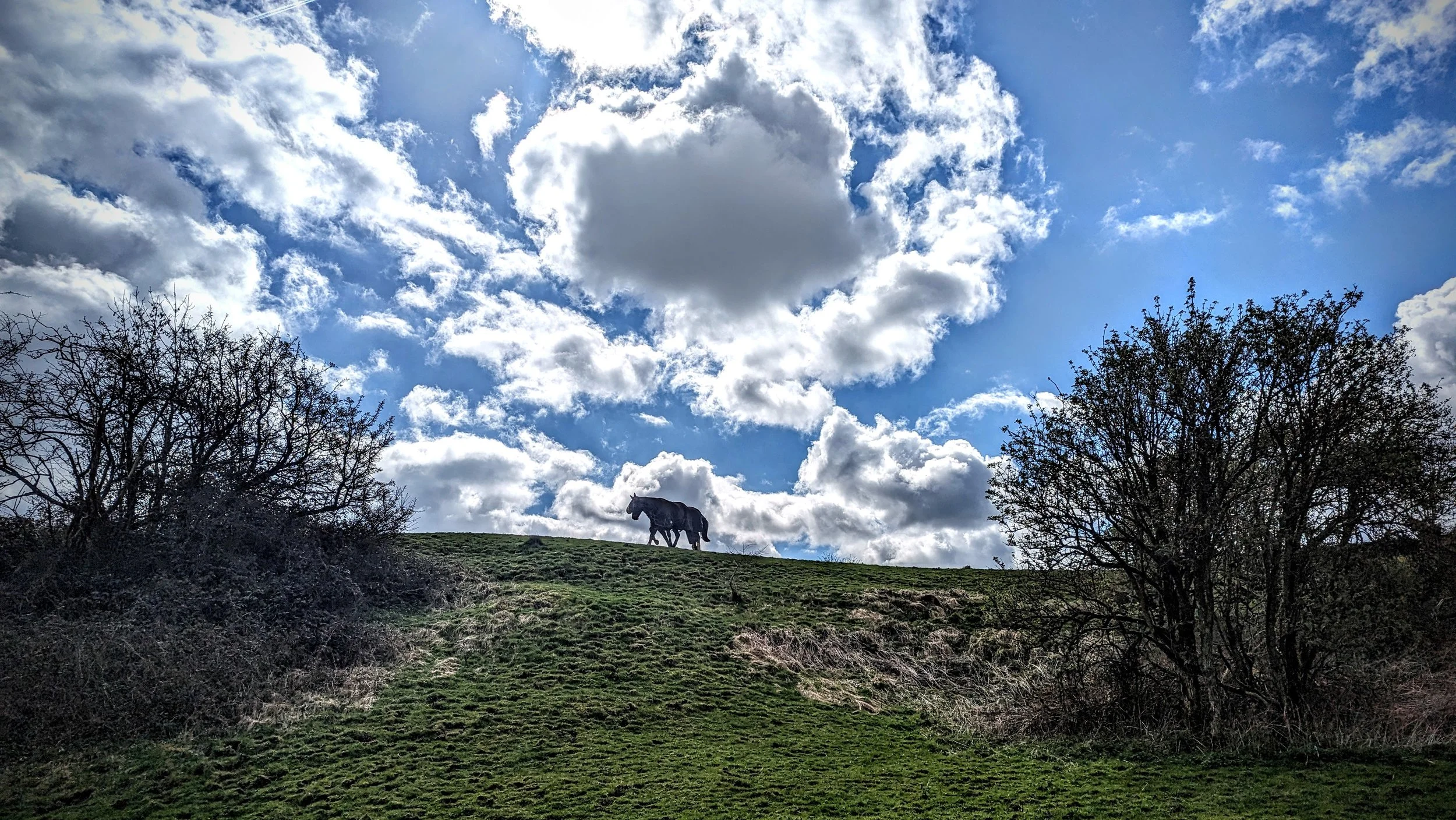
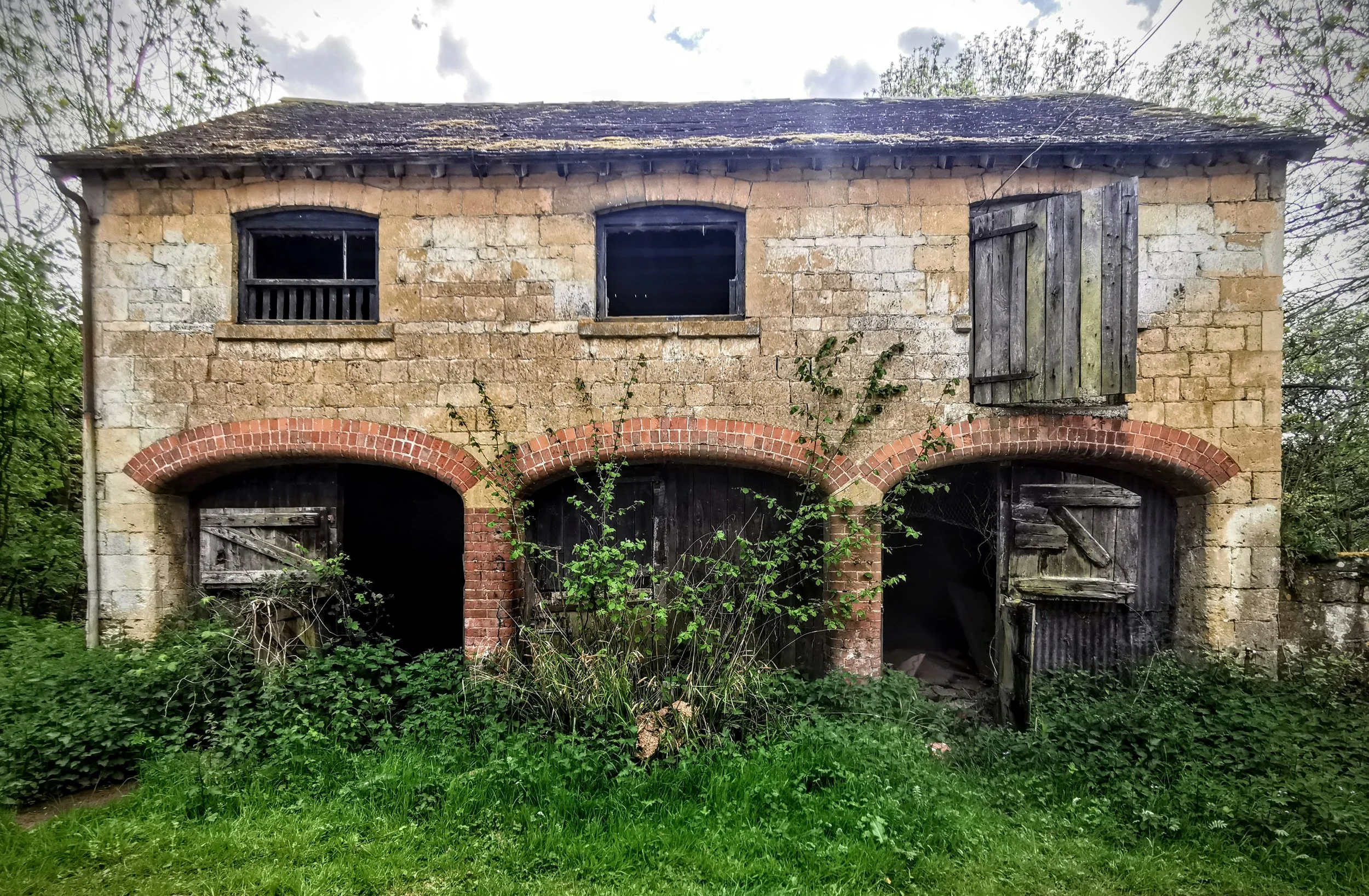
There is no road nearby, no car park, no sign posts, no gift shop or guide, no easy access. You have to walk miles across fields and along bridleways passing sheep, cows, abandoned farm buildings and an old mill pond.
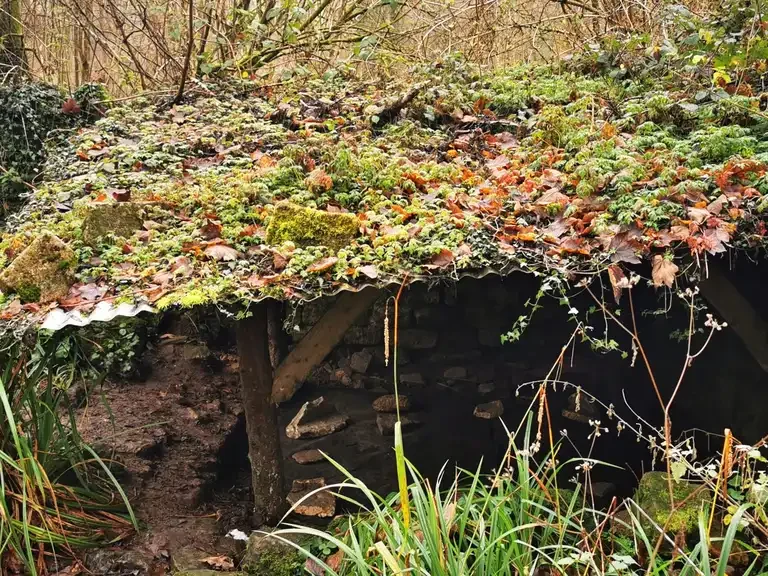
The only indication you have found it is a little information board, down a muddy track in a small clearing in the middle of the wood. Without it you could easily walk past it never knowing it was there, just some crumbling walls and a low wooden structure covered in corrugated iron, ivy and moss.
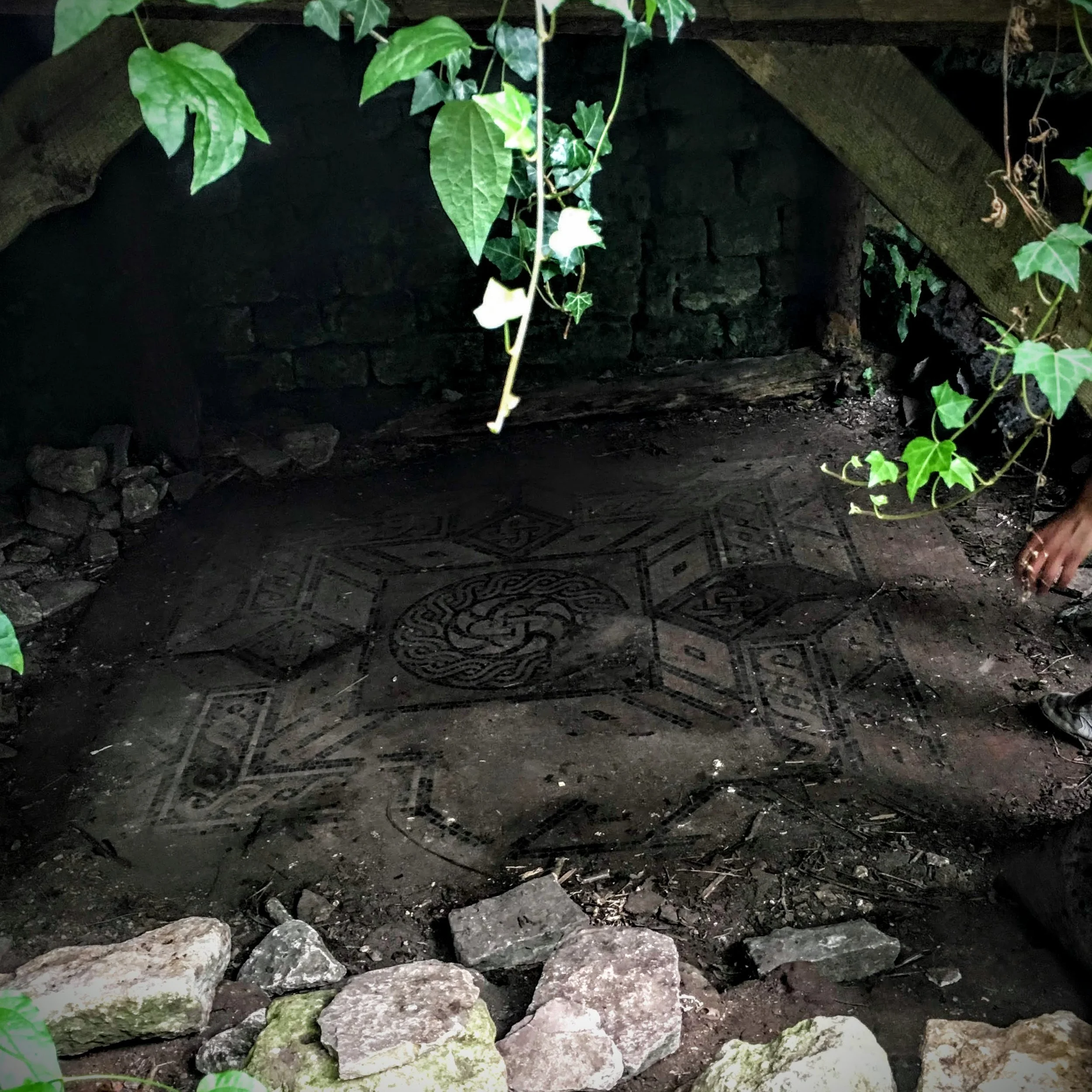
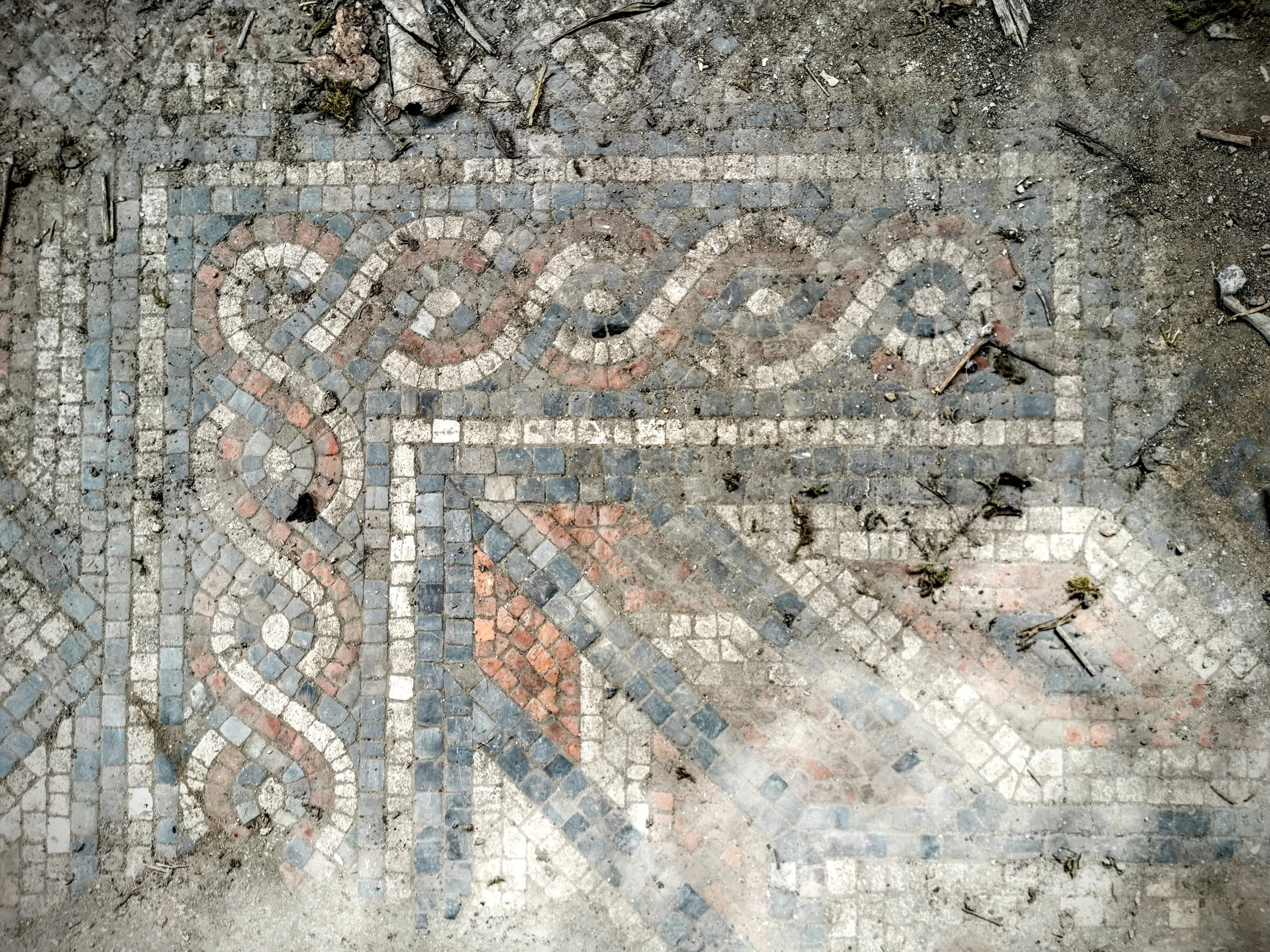
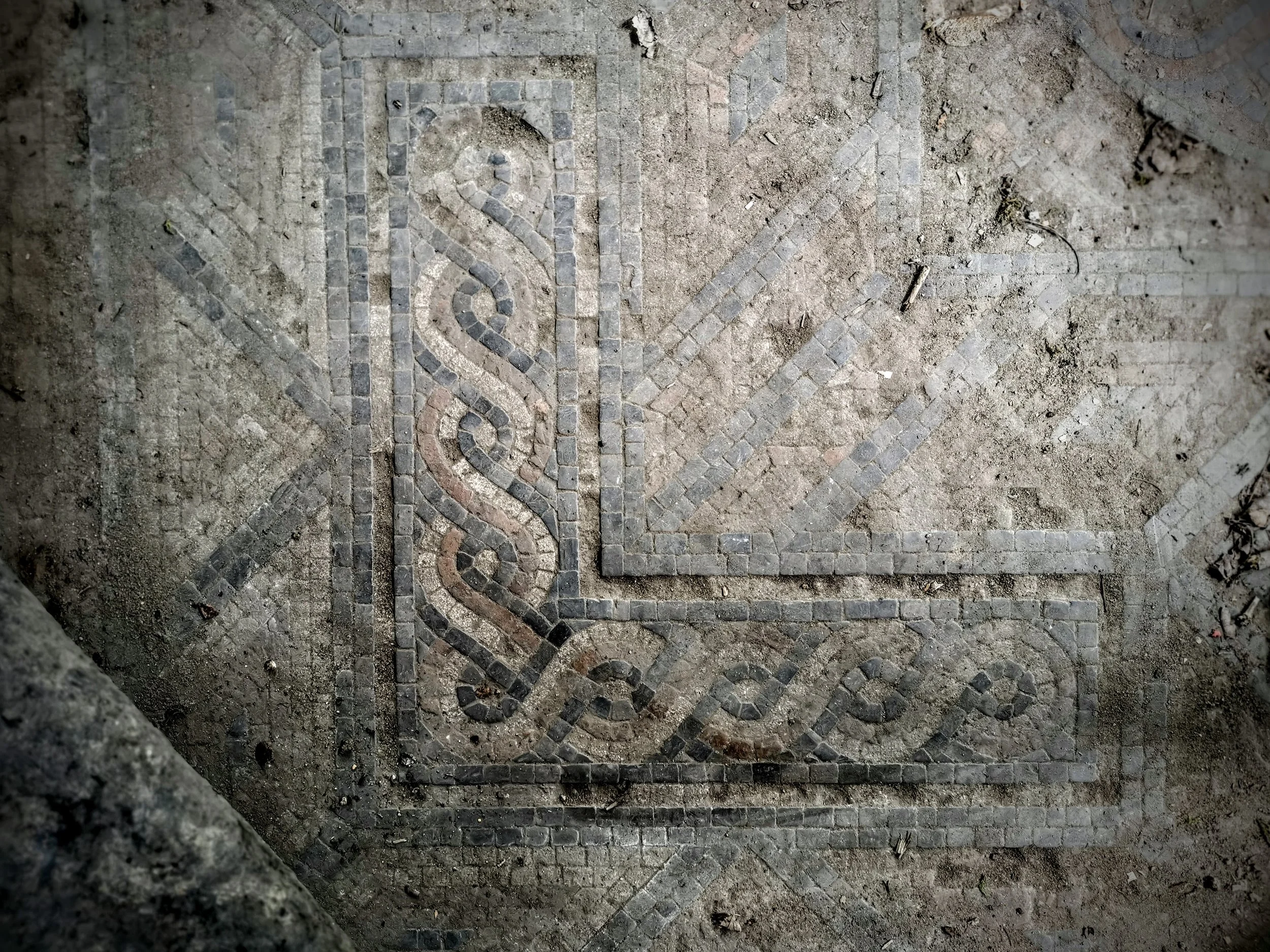
You have to bend low and scramble to get in. In front of you are pieces of a ratty tarpaulin weighed down with rocks. Remove these and there it is, a floor piece thousands of years old, still showcasing the incredible craftmanship that went into its making.
The sense of history is tangible, because for once this slice of Roman remains is not heavily curated, behind stancions and a rope or separated from you by some gleaming glass case in a museum. Instead it sits beneath your feet, and its ancient texture can be felt by your fingertips.
Here you can truly feel you are walking in the footsteps of Romans two thousand years before.
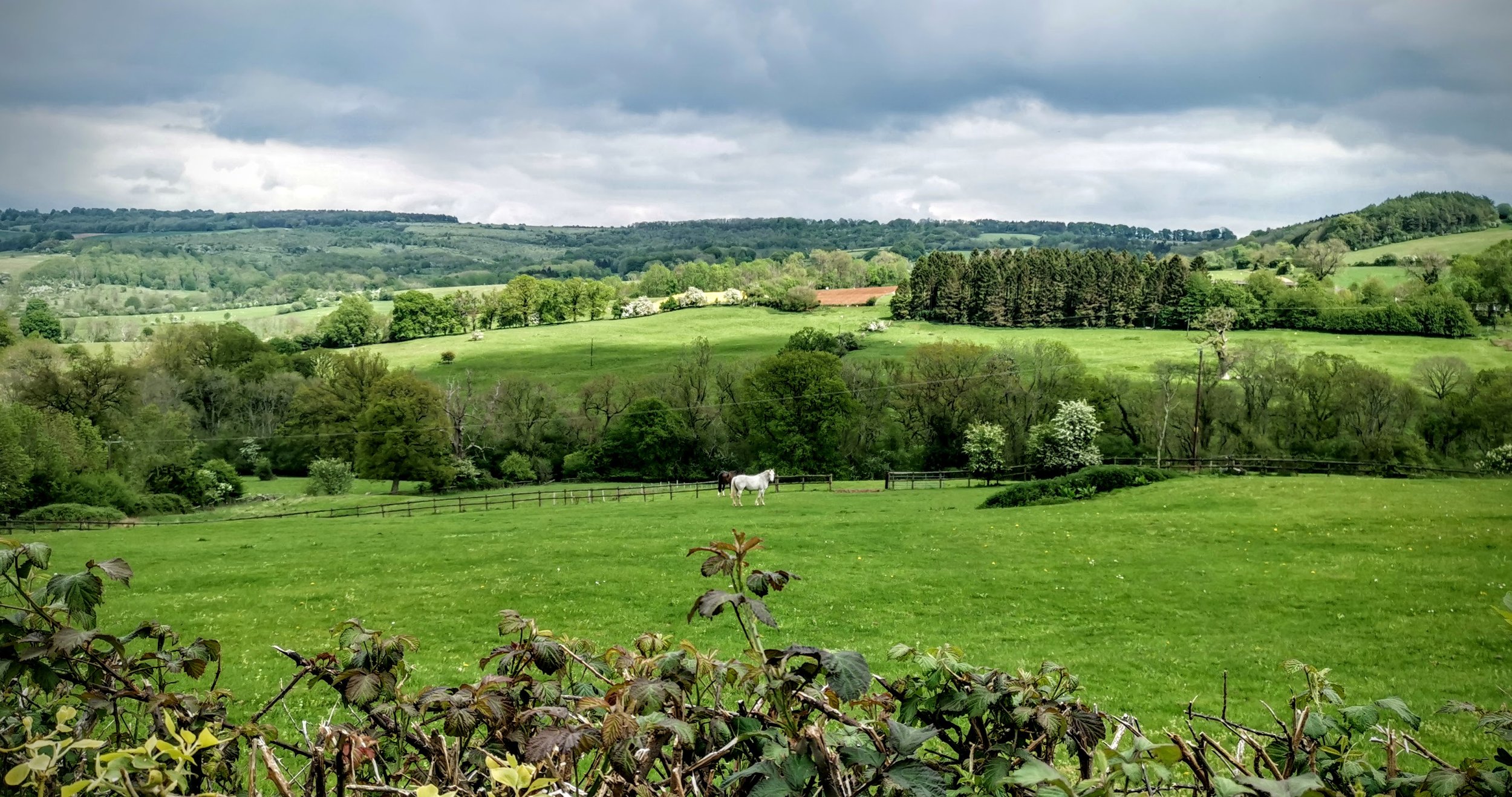
I start the walk at the small but perfectly-formed village of Charlton Abbots on the slopes above the wood. There are a number of free-to-park spots, just do not annoy the locals by blocking anything. First stop is the tiny 13th century Church of St Martin. It can be a little tricky to find from the road so look out for the public footpath sign pointing down into the valley running alongside a farmhouse to the left of it.
The church is usually open but honestly despite being lovely its best feature are the wonderful views down into the valley and across endless green fields and onto Winchcombe itself. Stop for a moment in the churchyard to drink it in before returning to the footpath and dropping down to the bottom of the valley. Once there follow the path and the stream through the fields but beware in the cooler months it can be very muddy, and in the summer overgrown!
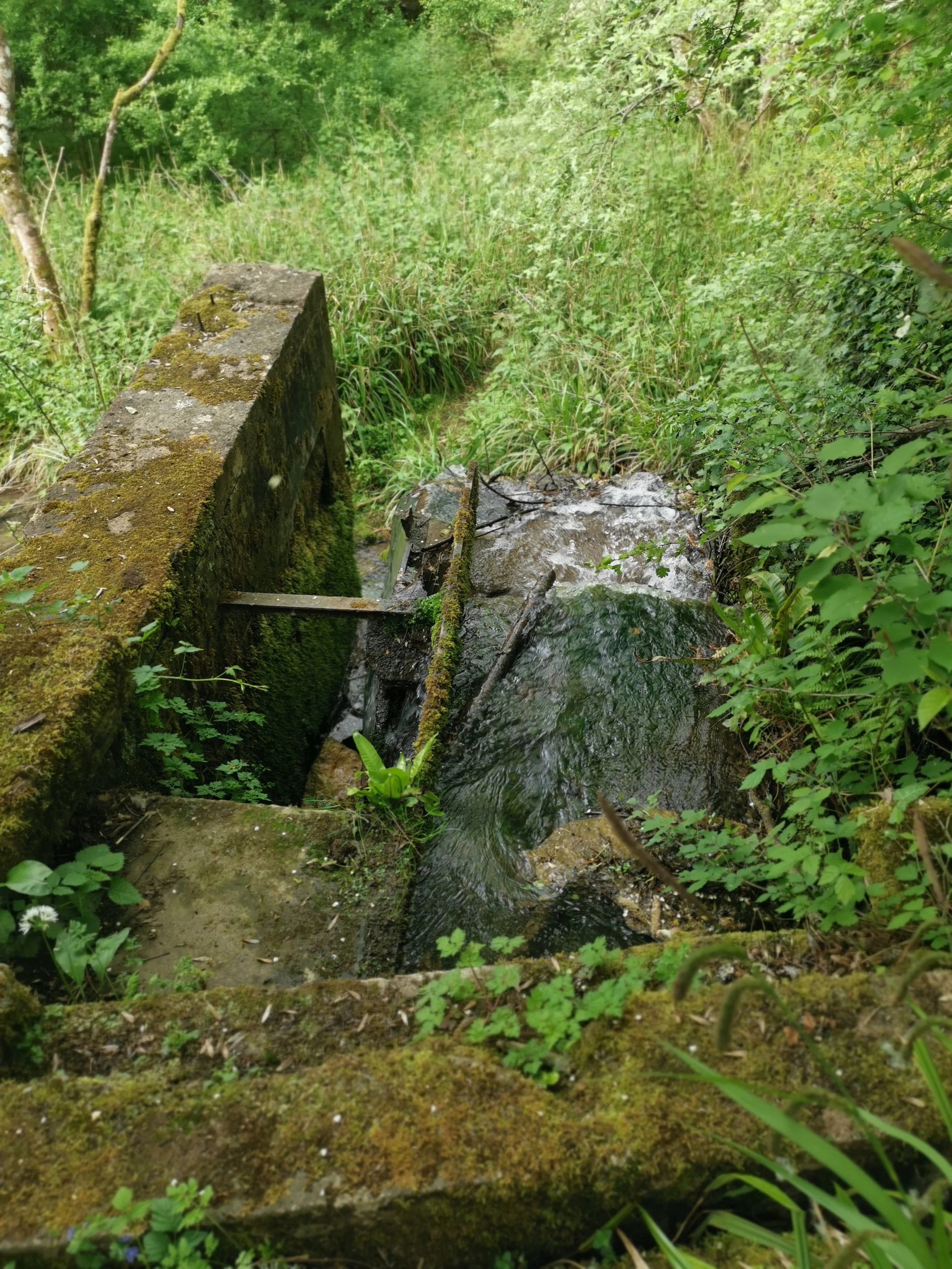
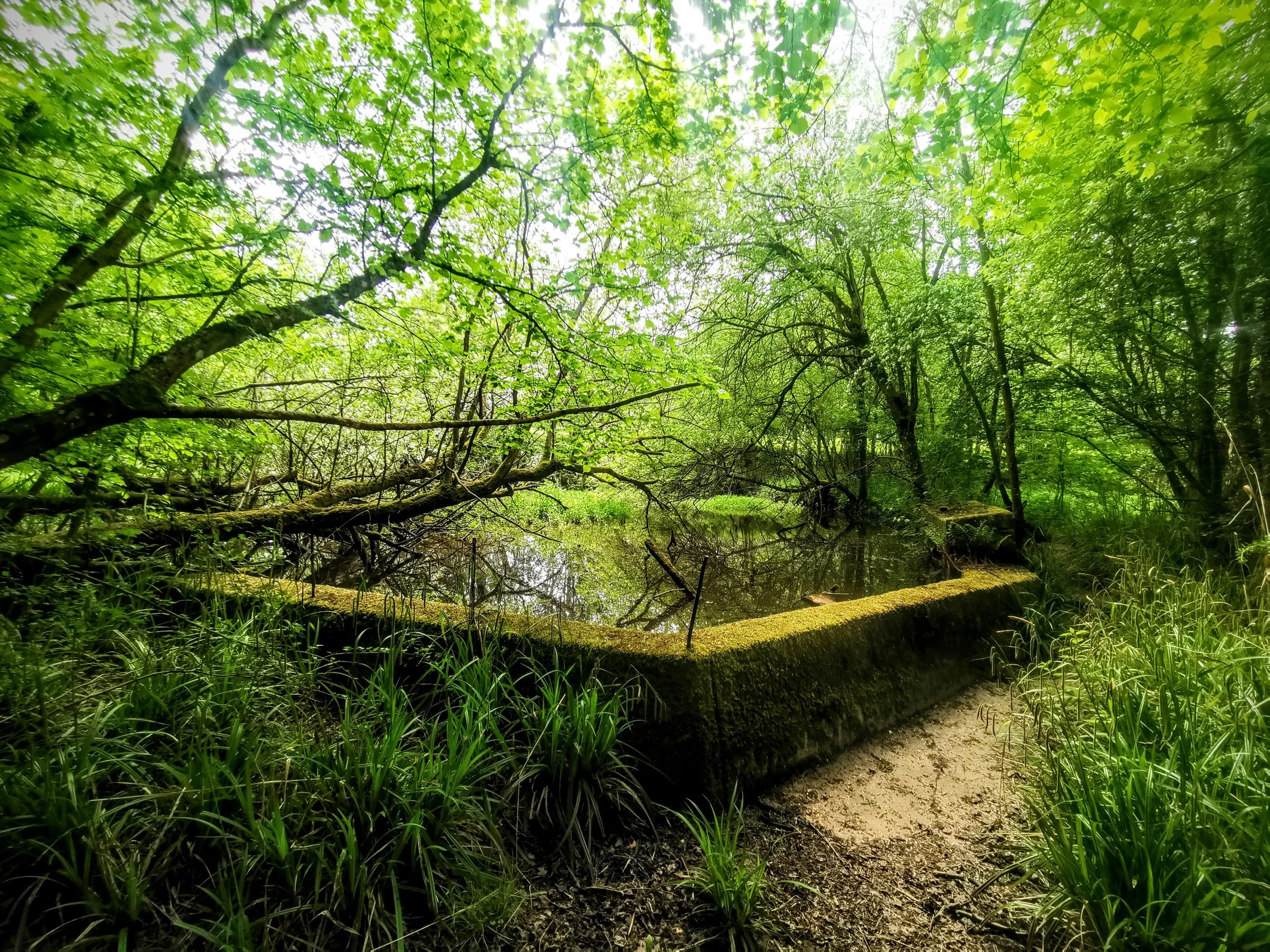
Continue until you hit a stony farm track. Turn right along it and it will lead to a small complex of largely abandoned farm buildings. Down a short path off the track are the eerie remains of an old mill pond that conjures memories of old public safety films and some ruins of the mill machinery.
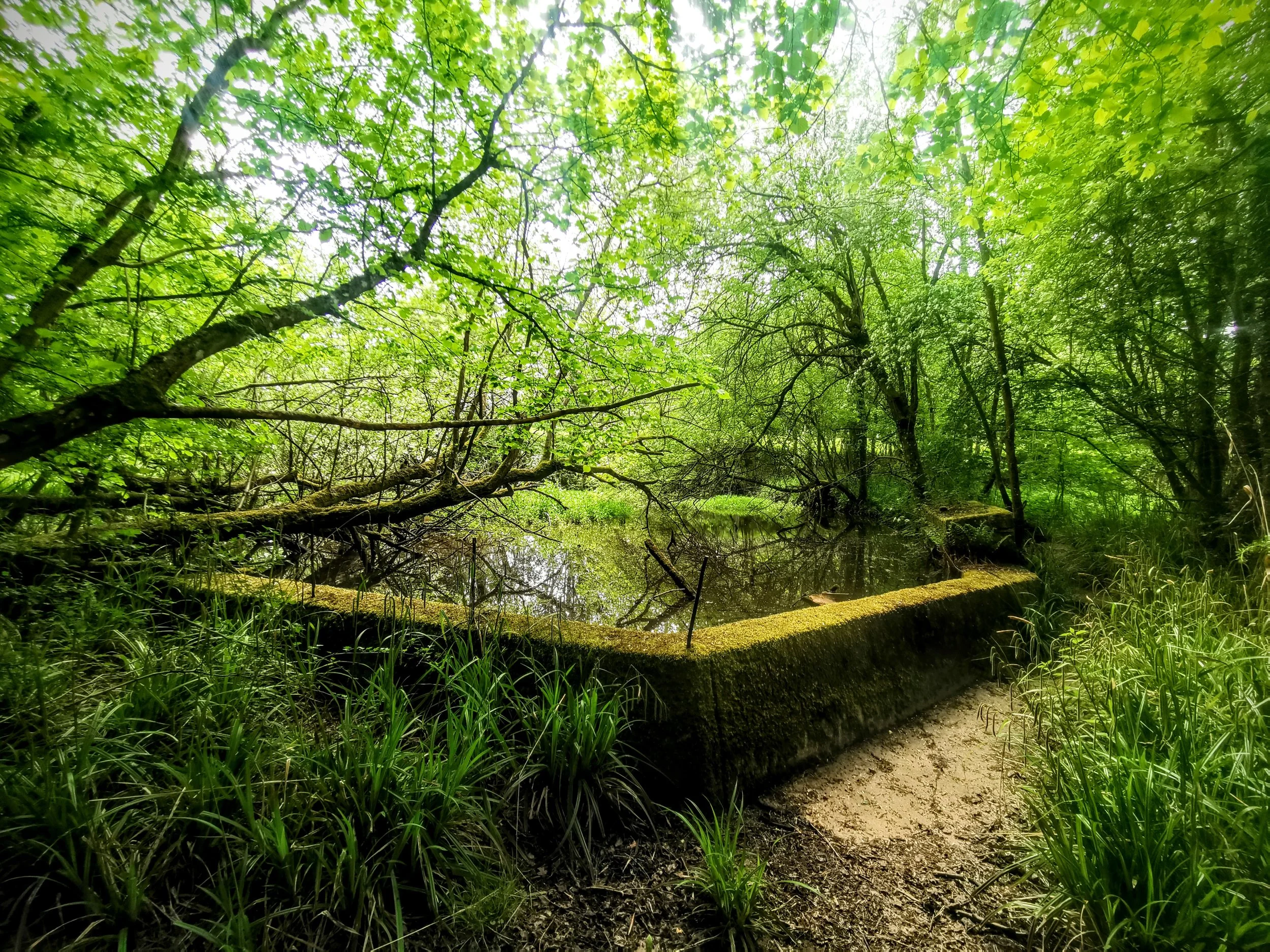
Head left off that track through some old barns and into the field beyond, and cross it to reach the woods themselves, finding the remains of the villa after a short walk. They are easily missed: the walls are crumbling, and the little ‘hut’ containing the mosaic is low to the ground, around 4 foot high, and will be overgrown with moss, lichen and vines.
After contemplating the mosaic for a while retrace your steps a little and look for a footpath heading right towards Winchcombe itself. You will pass Sudeley Castle so visit the house and gardens if you are inclined to pay the fee, or carry on along Vineyard Street into the town itself. Plenty to see here, as well as several charming pubs to recharge the batteries in, like Ye Olde Corner Cupboard.
If fully sated you can go back and take a slightly higher path to Charlton Abbots, or the braver can turn up Cleeve Hill towards Belas Knap, the famous Neolithic chambered long barrow and one of the distinctive Cotswold Severn Carins, a series of barrows found scattered along the Severn Valley. It is a steep climb up but it rewards with sweeping views down to Winchcombe and beyond into the Vale of Evesham, as well as a chance to savour the history of this ancient site.
From there drop back down and follow the path back to Charlton Abbots.
From experience I know there are several dog-unfriendly stiles and fields full of livestock, so be advised if you are taking a hound! Footpaths in the depths of a Cotswolds winter can be extremely muddy so suitable footwear is advised.
Both the Spoonley Wood Mosaic and Belas Knap are free to visit, but Sudeley Castle does charge for entry.
Charlton Abbots to Winchcombe via Spoonley Wood should be around 2 hours of walking, including Belas Knap will be more like 3-4.
A James Cole