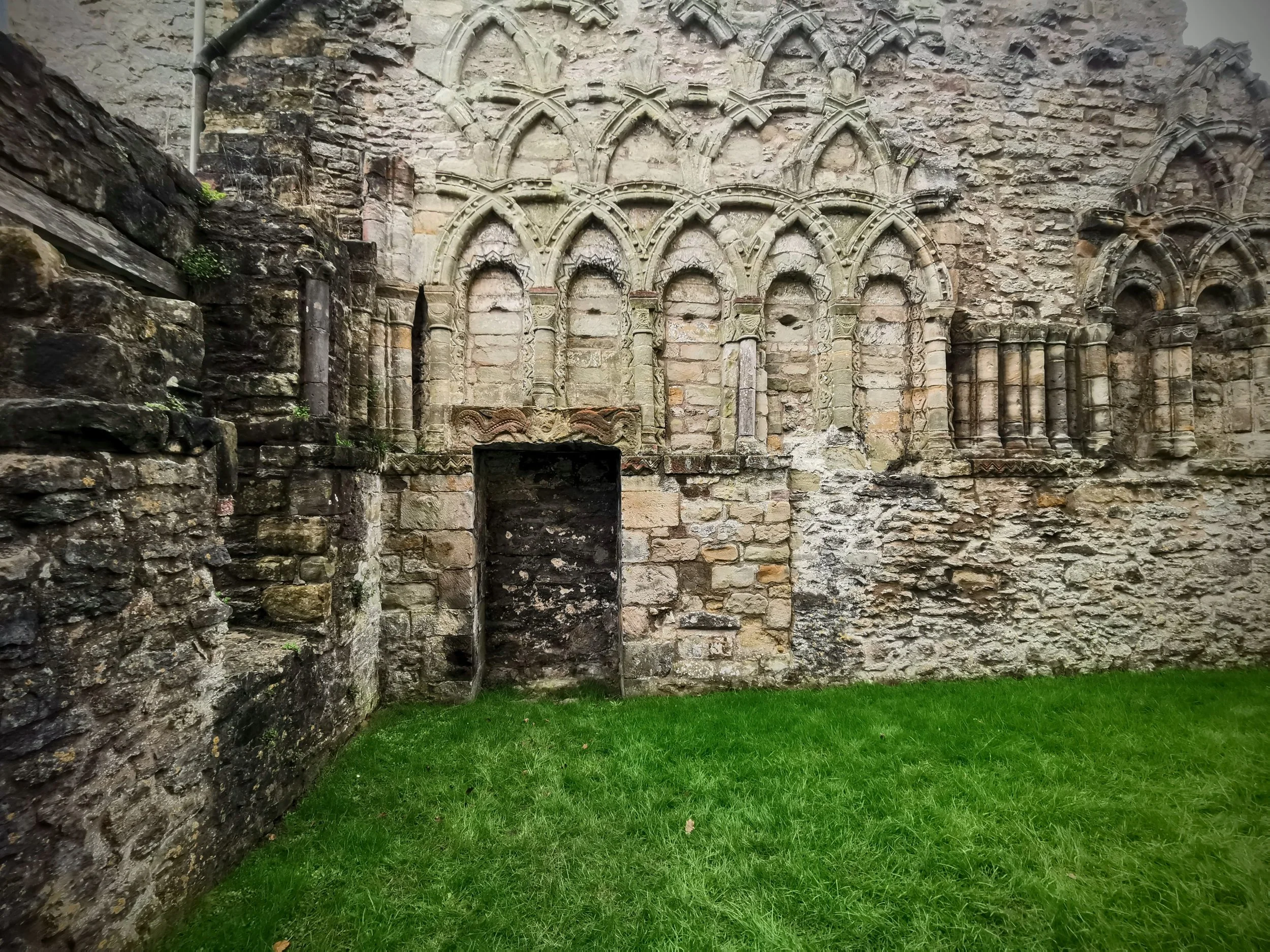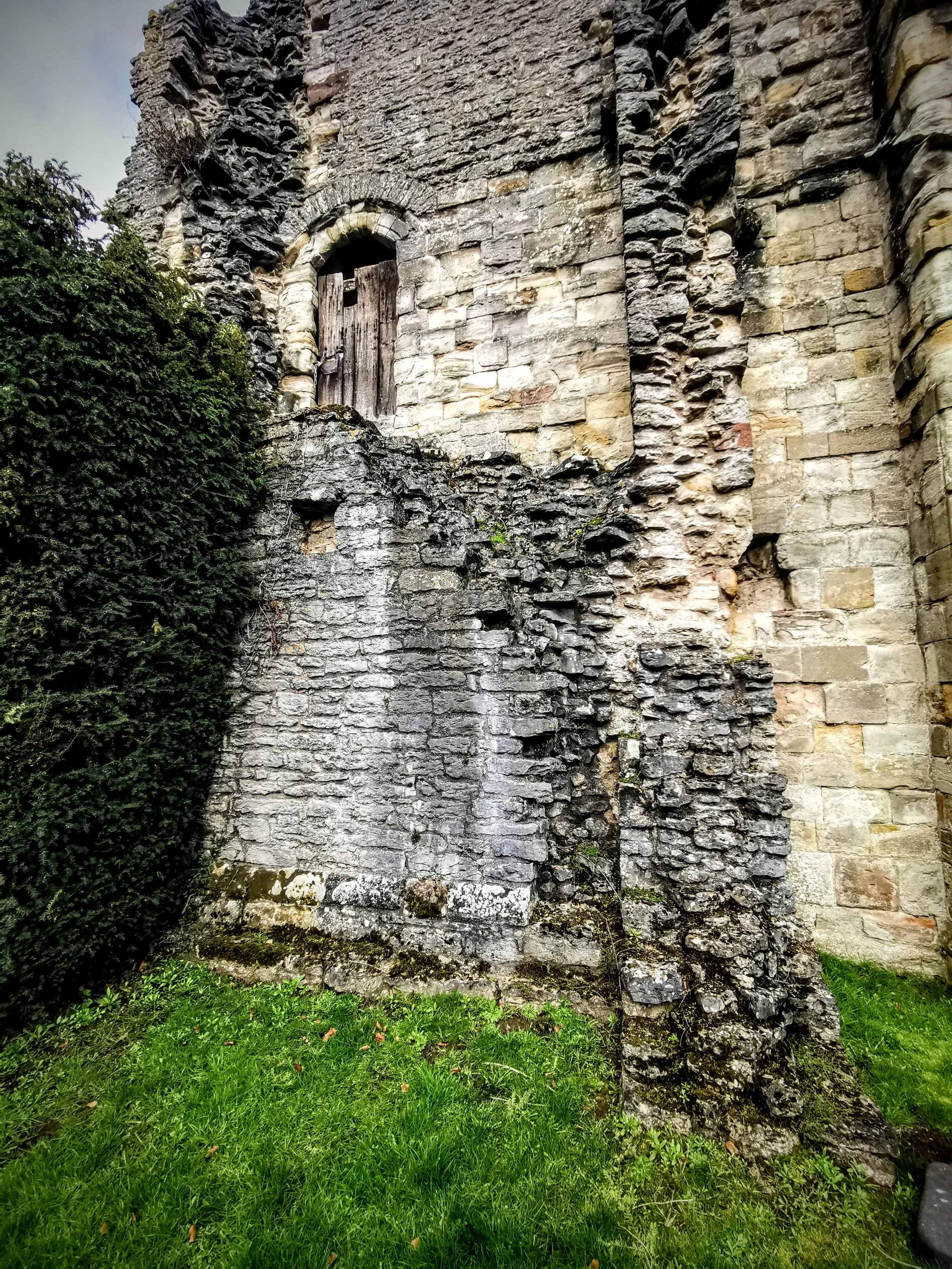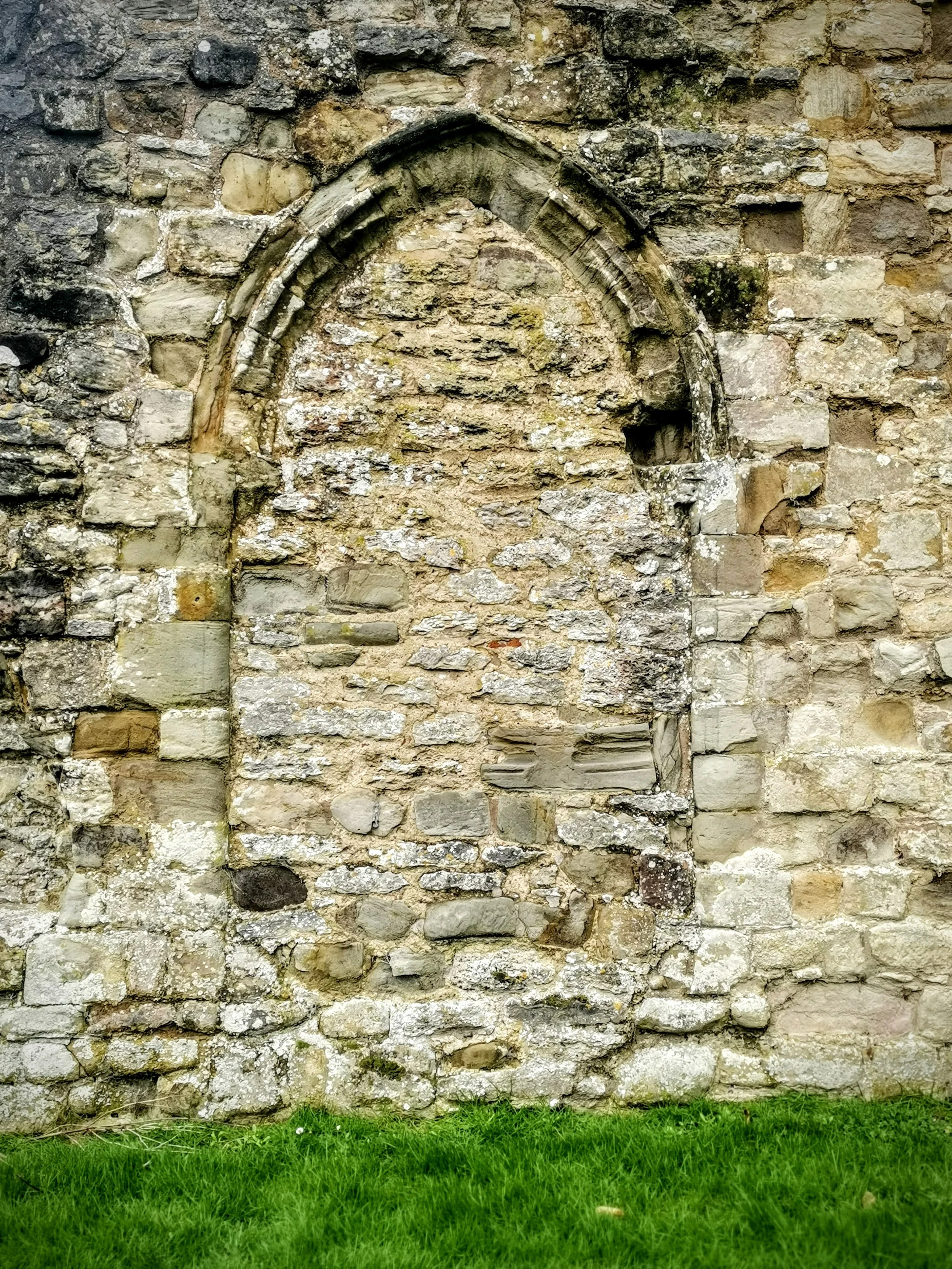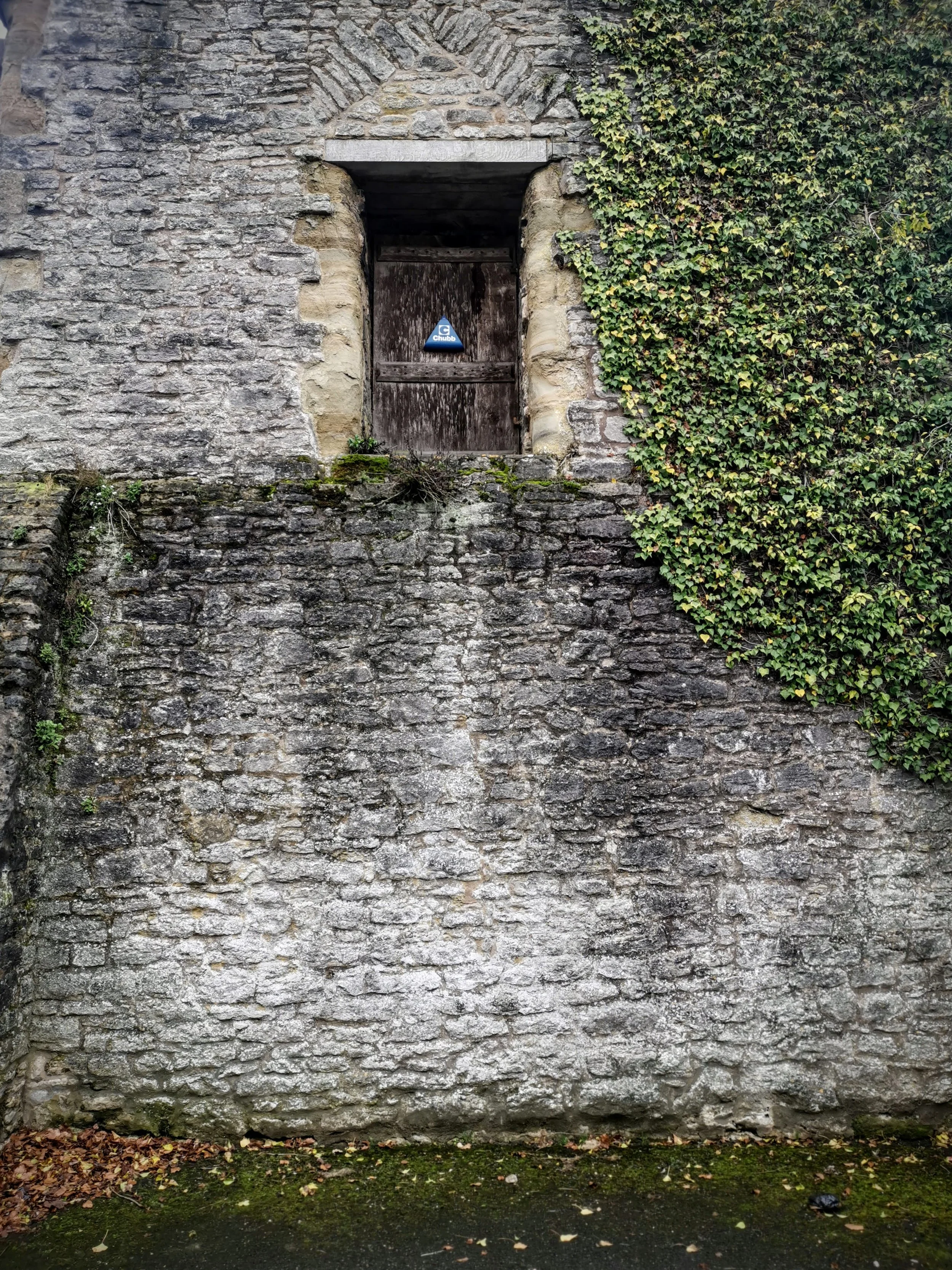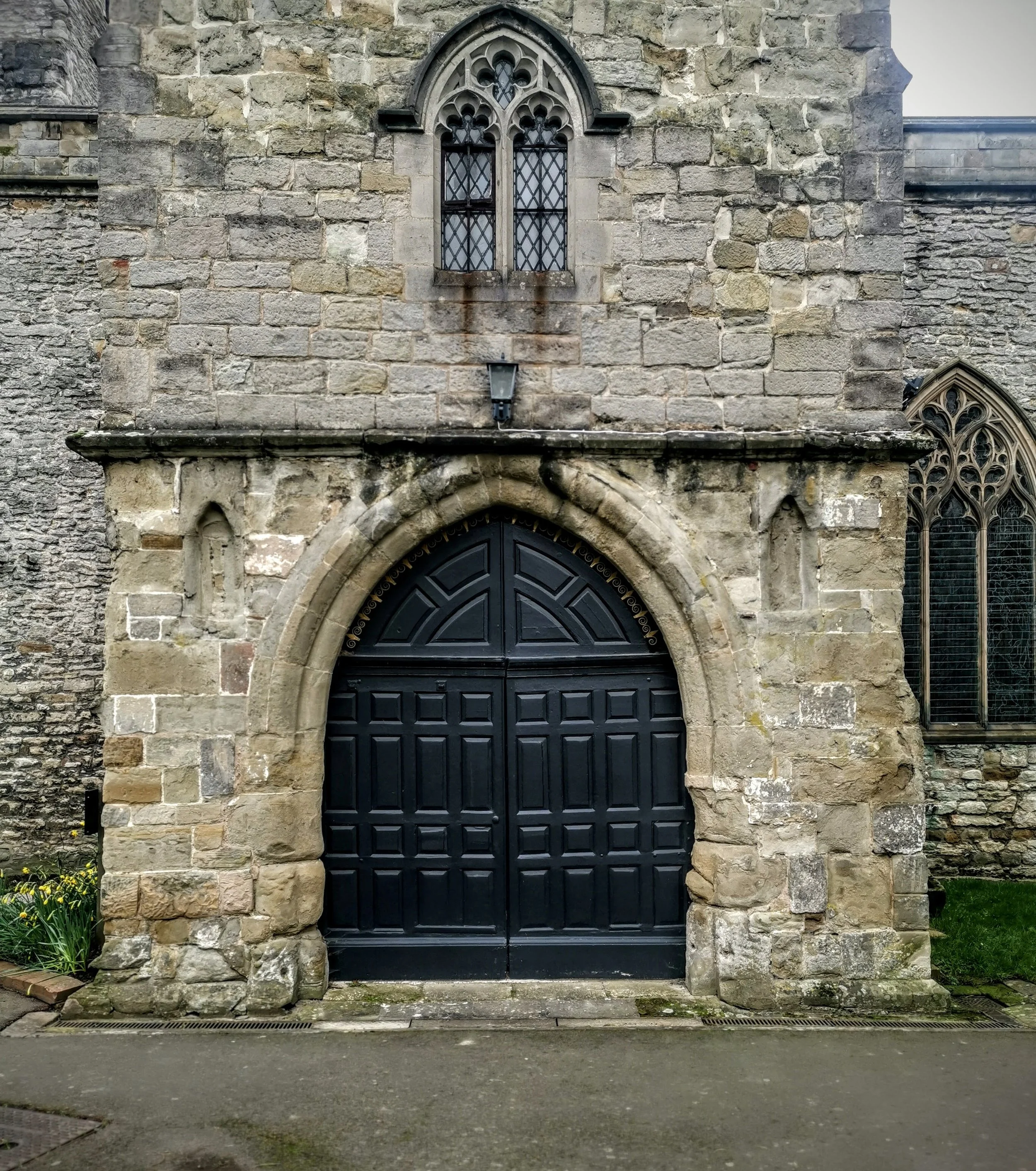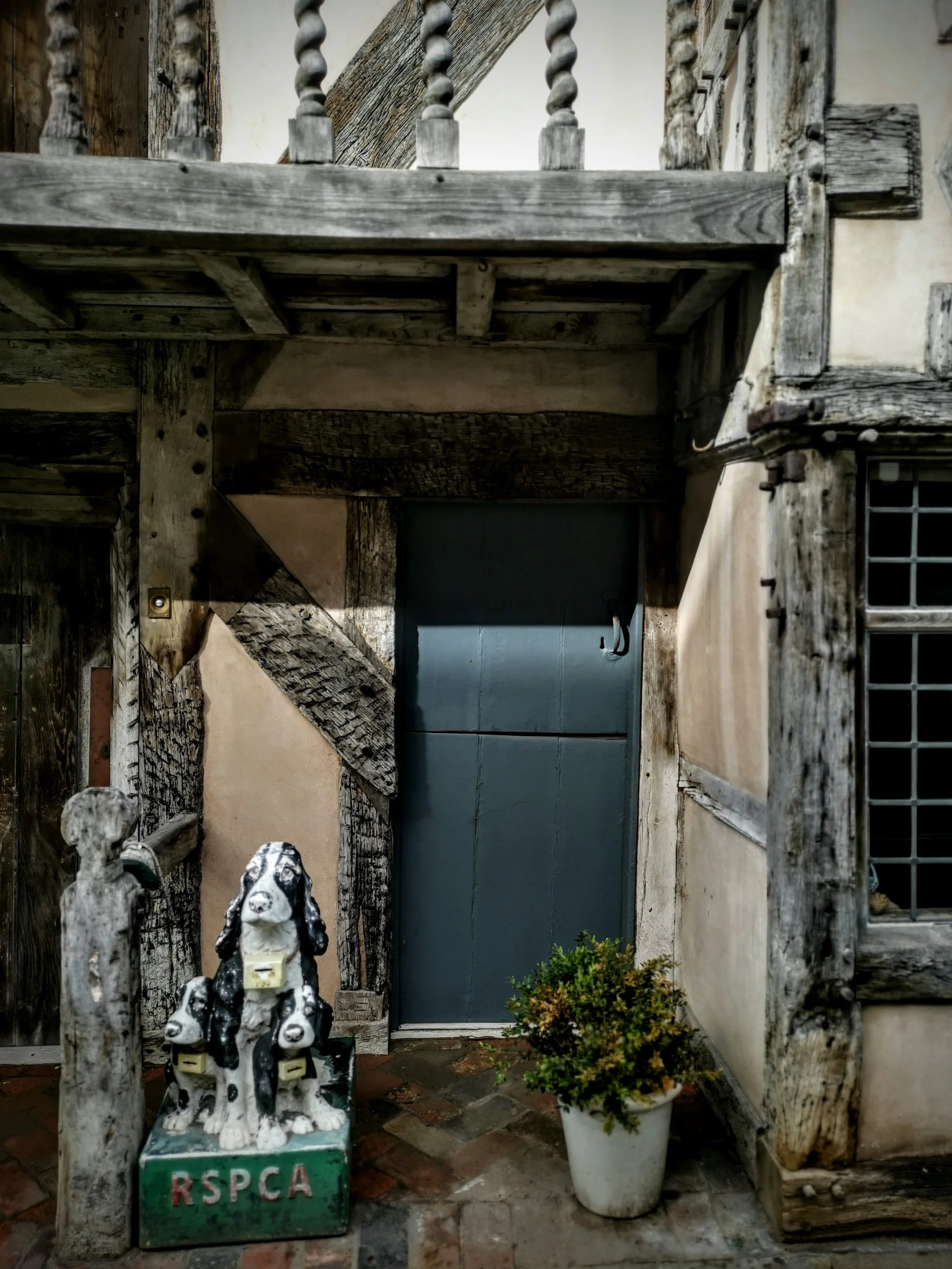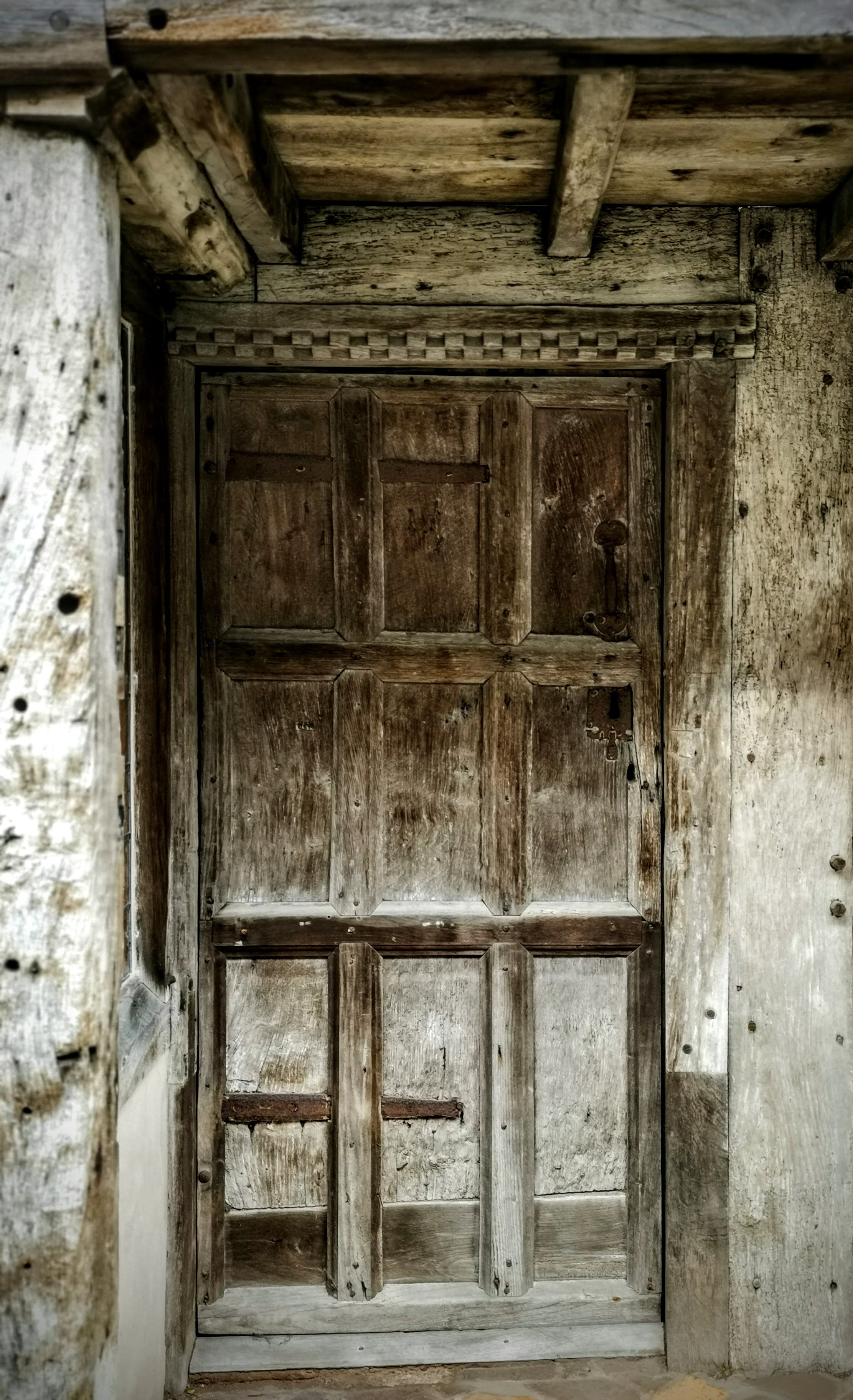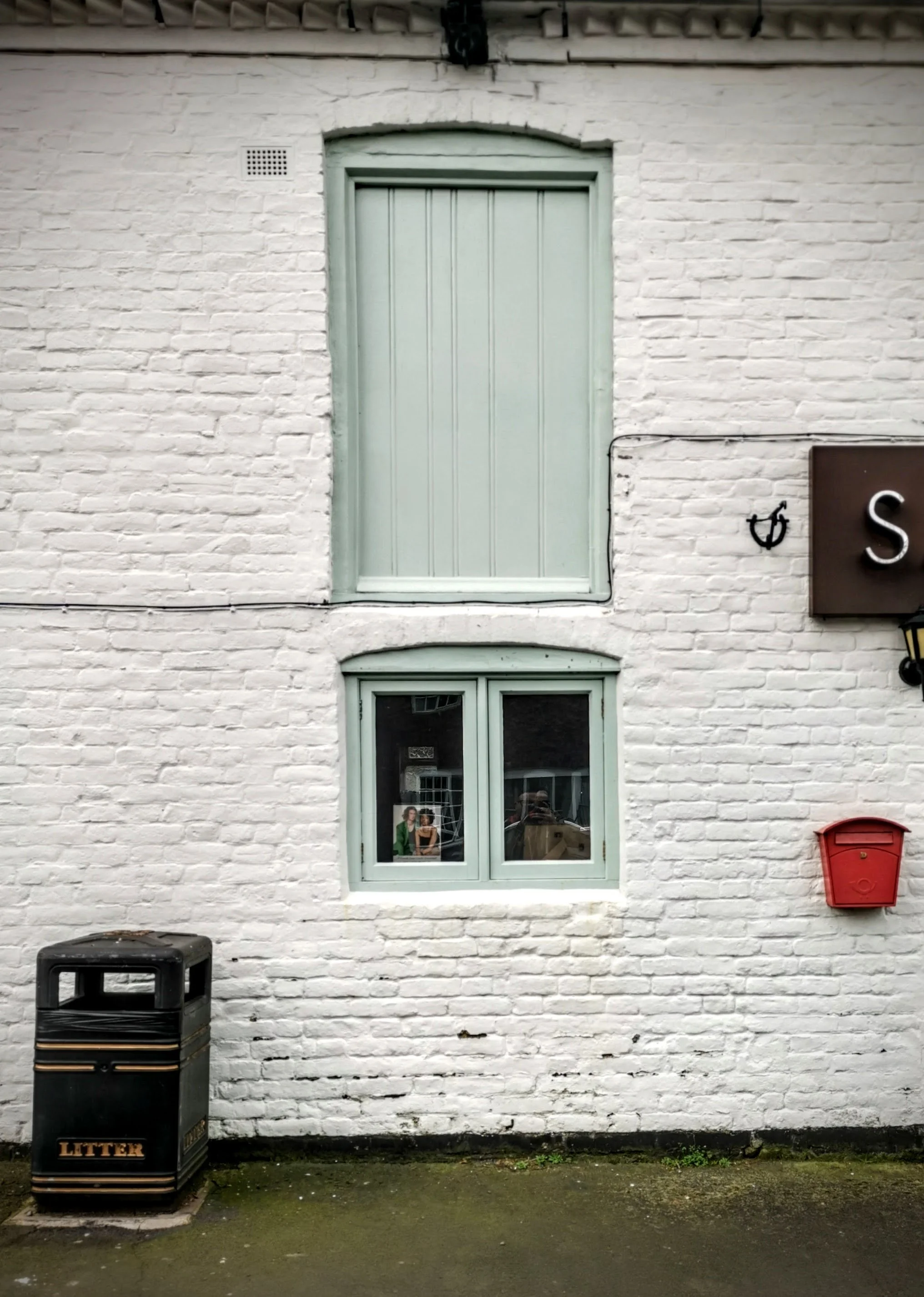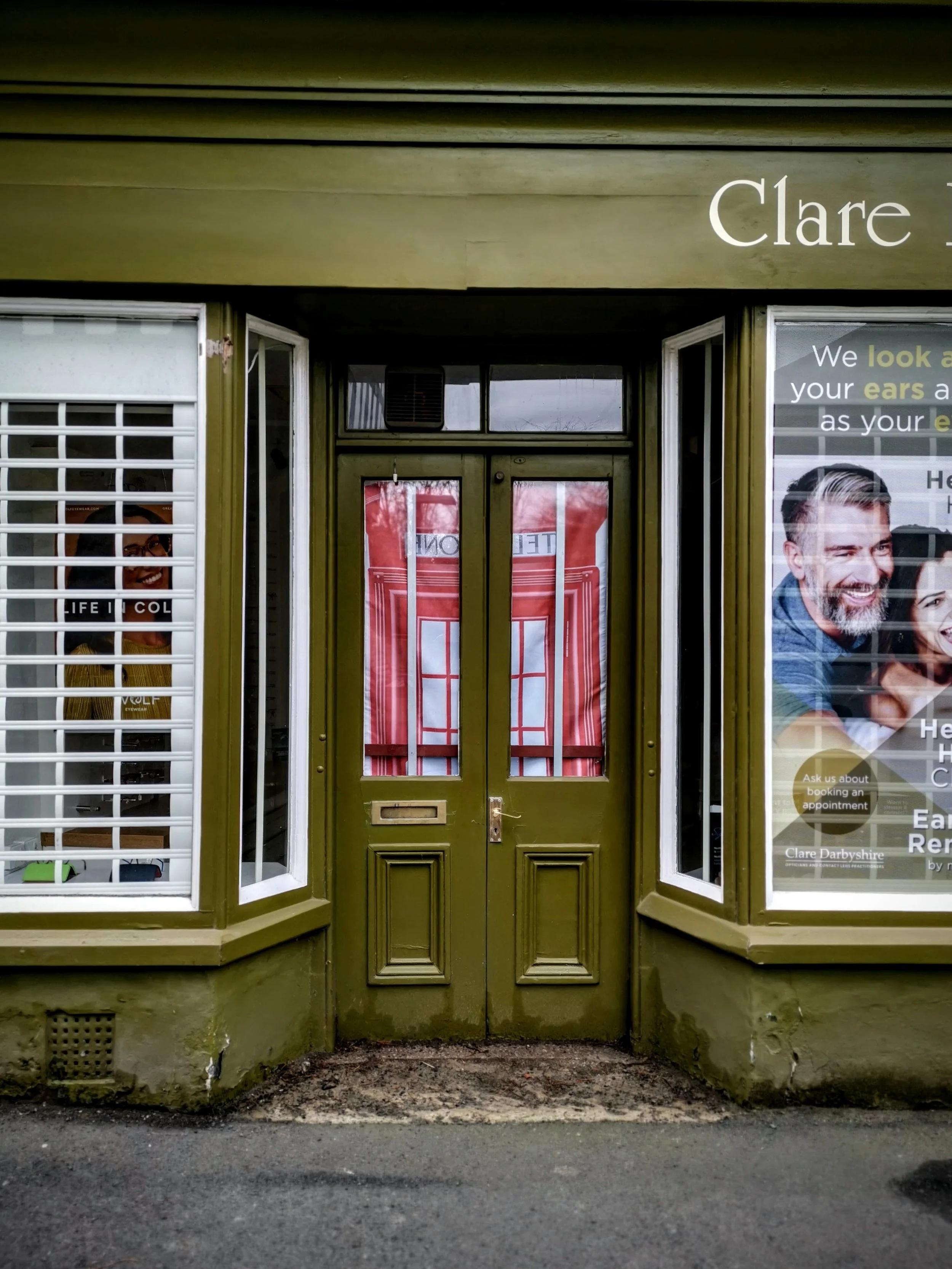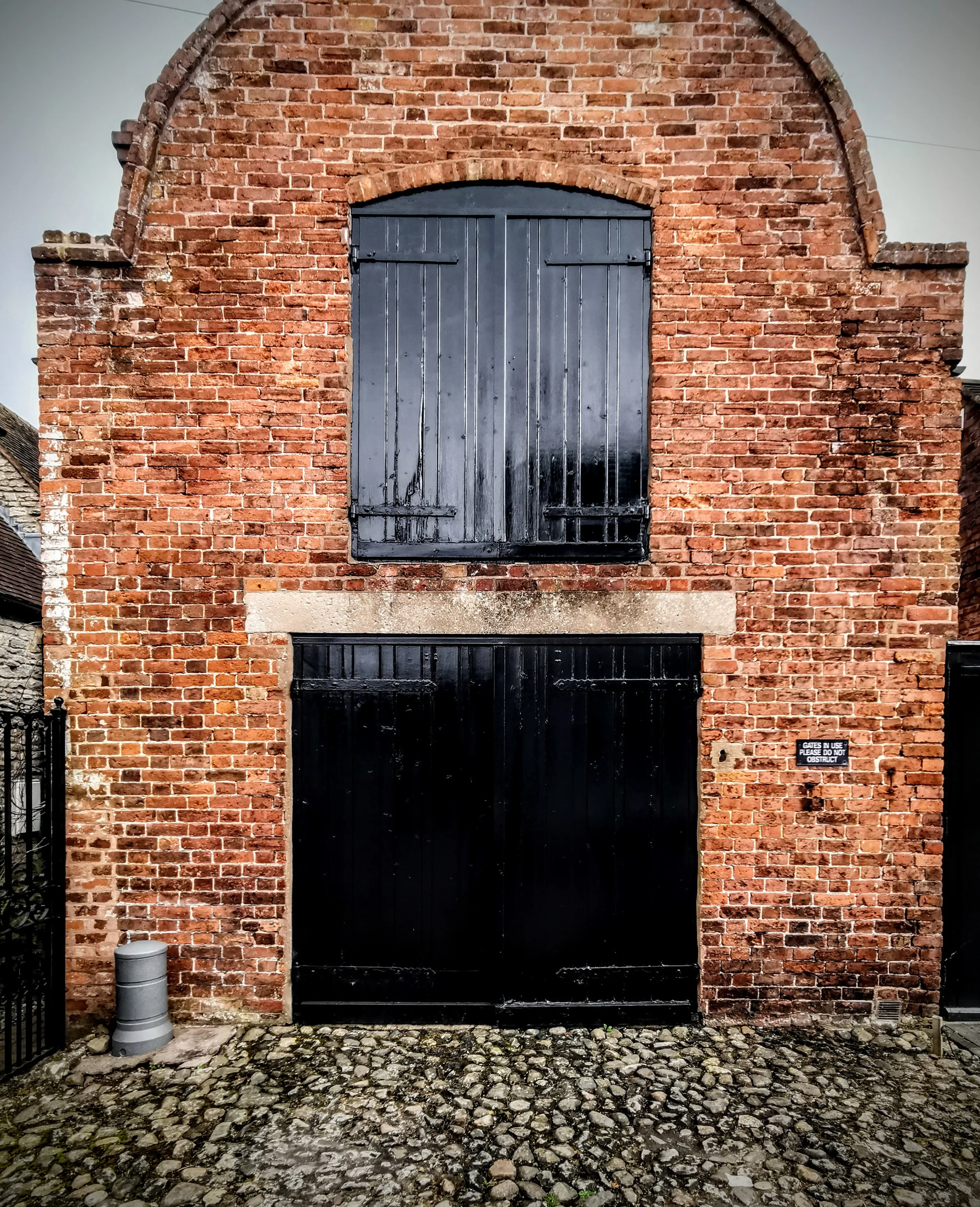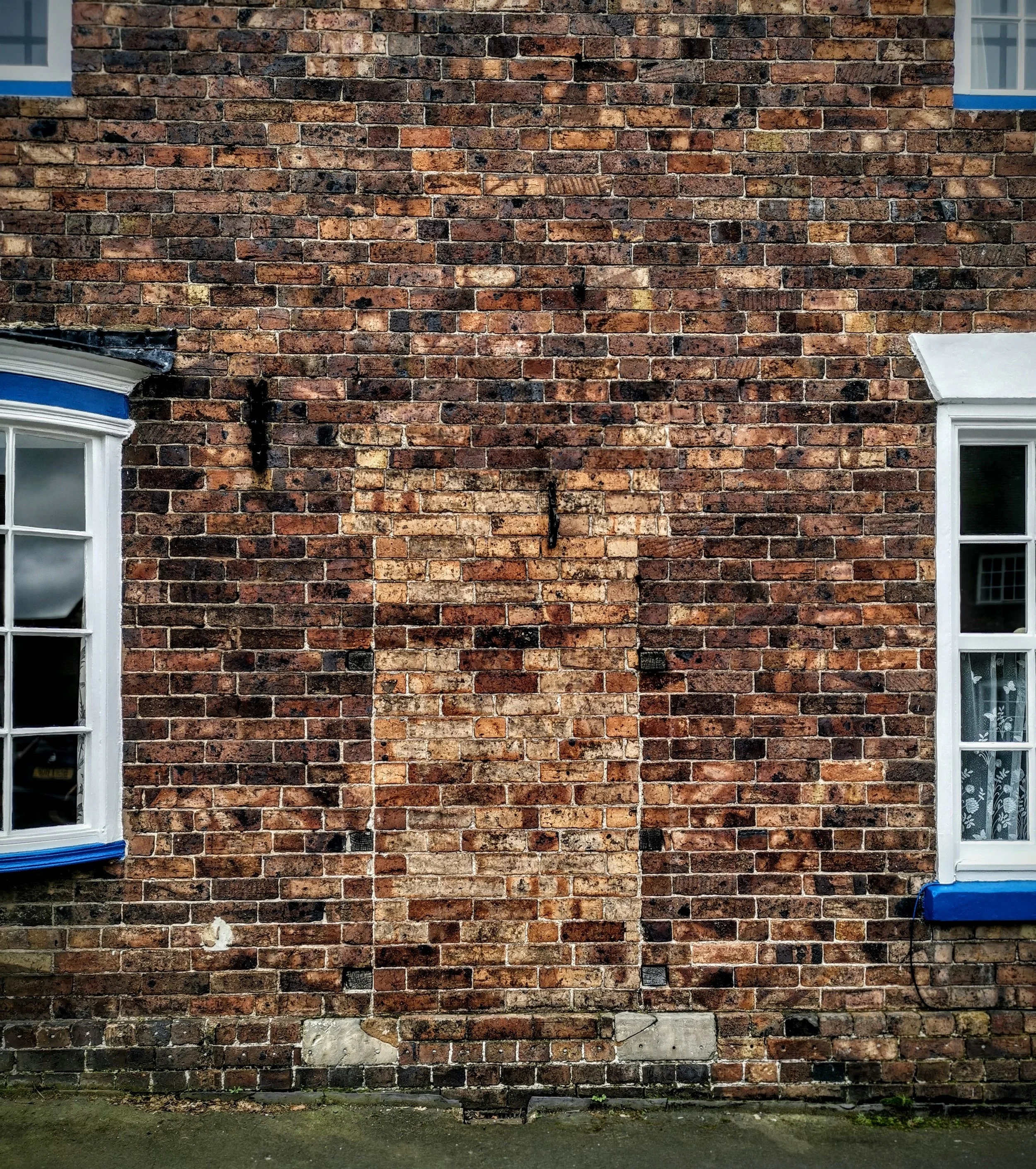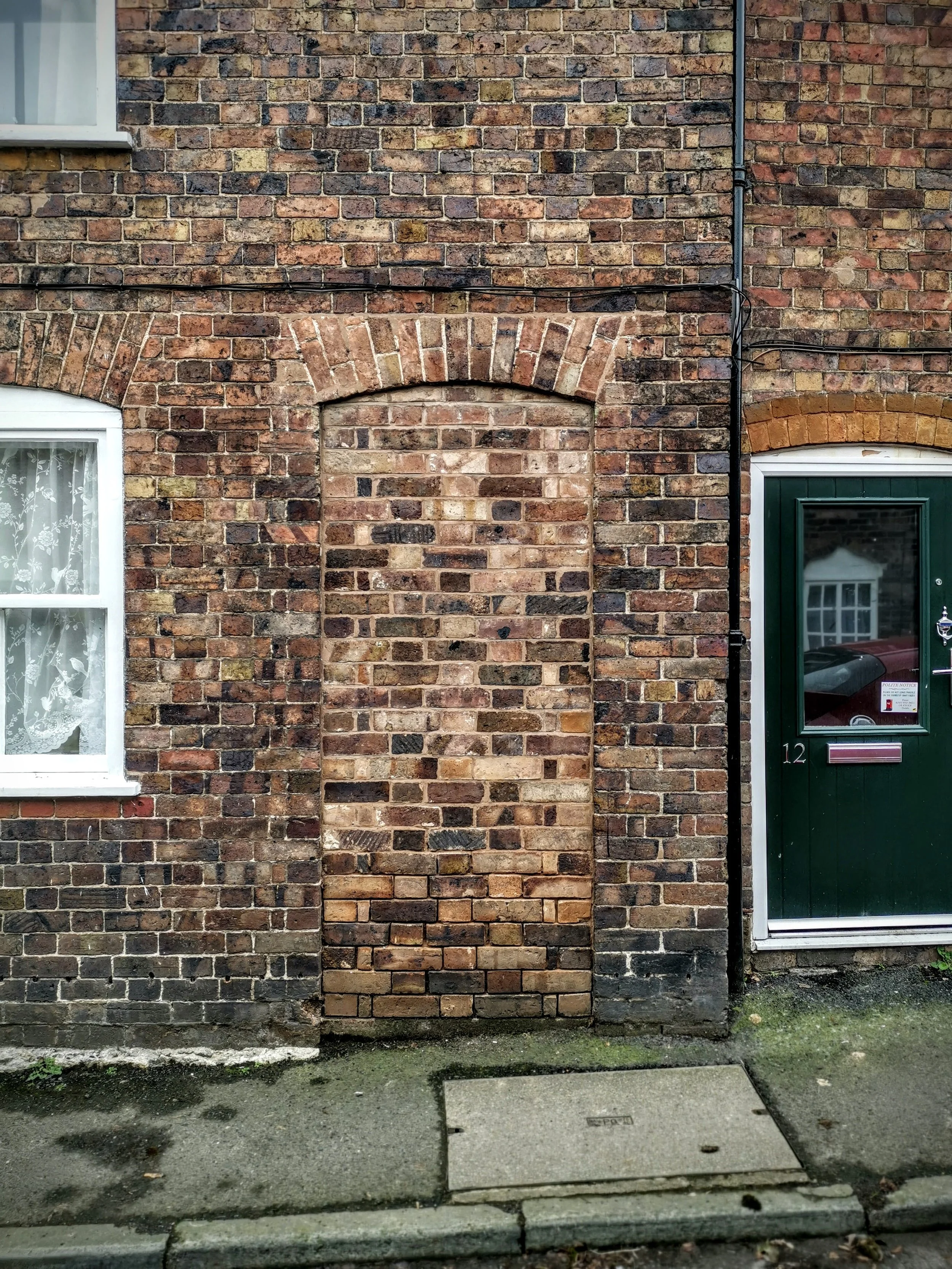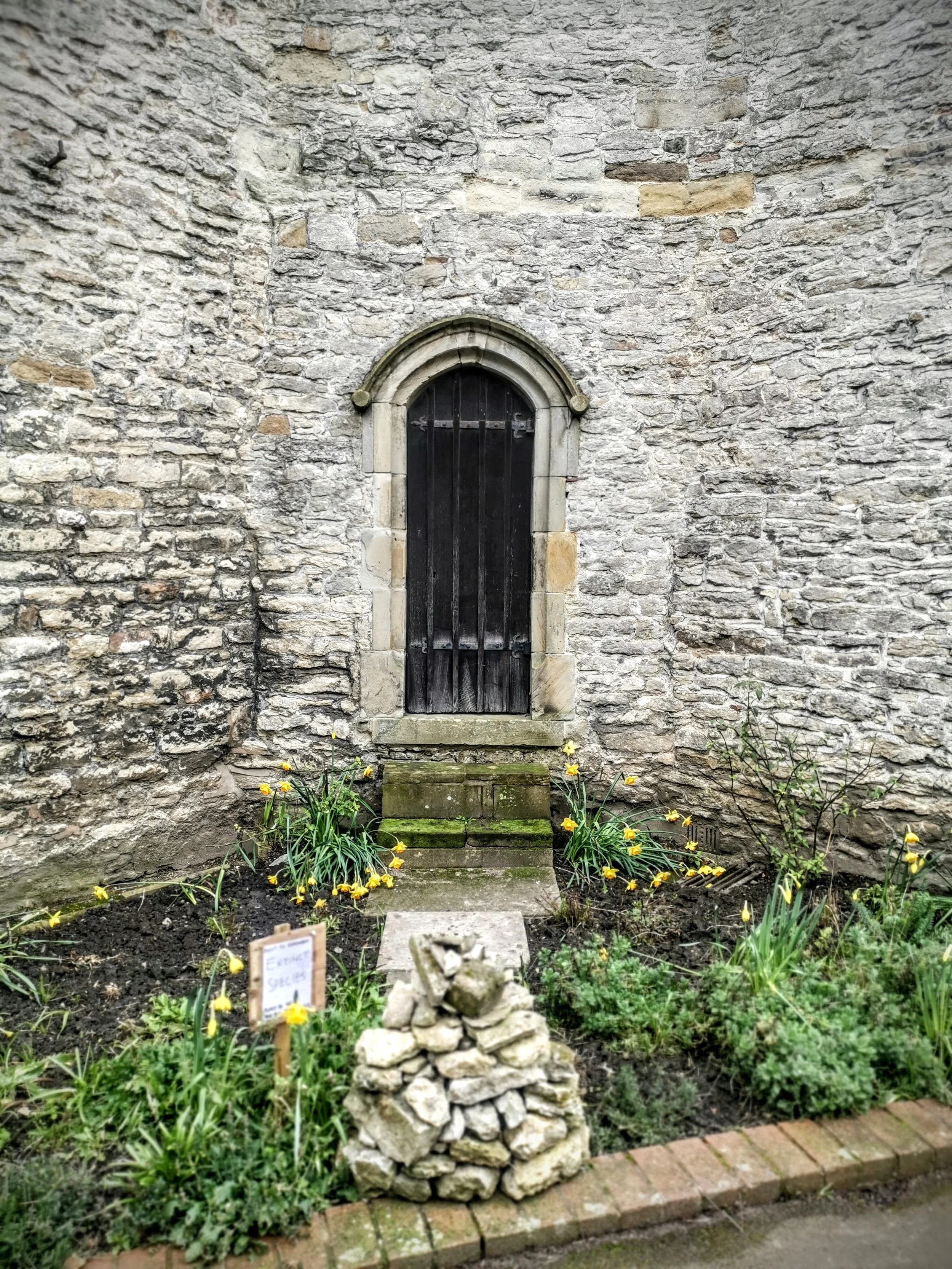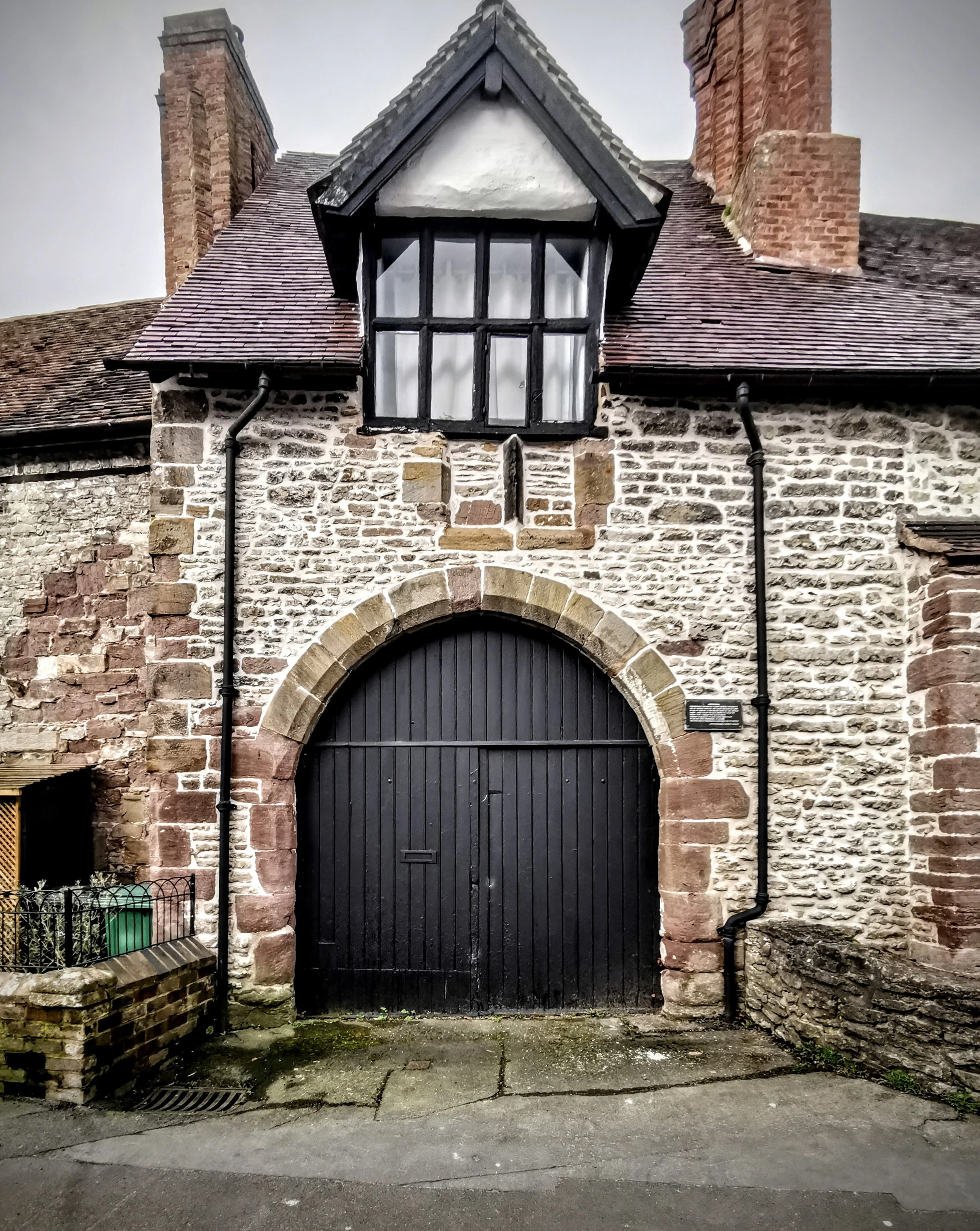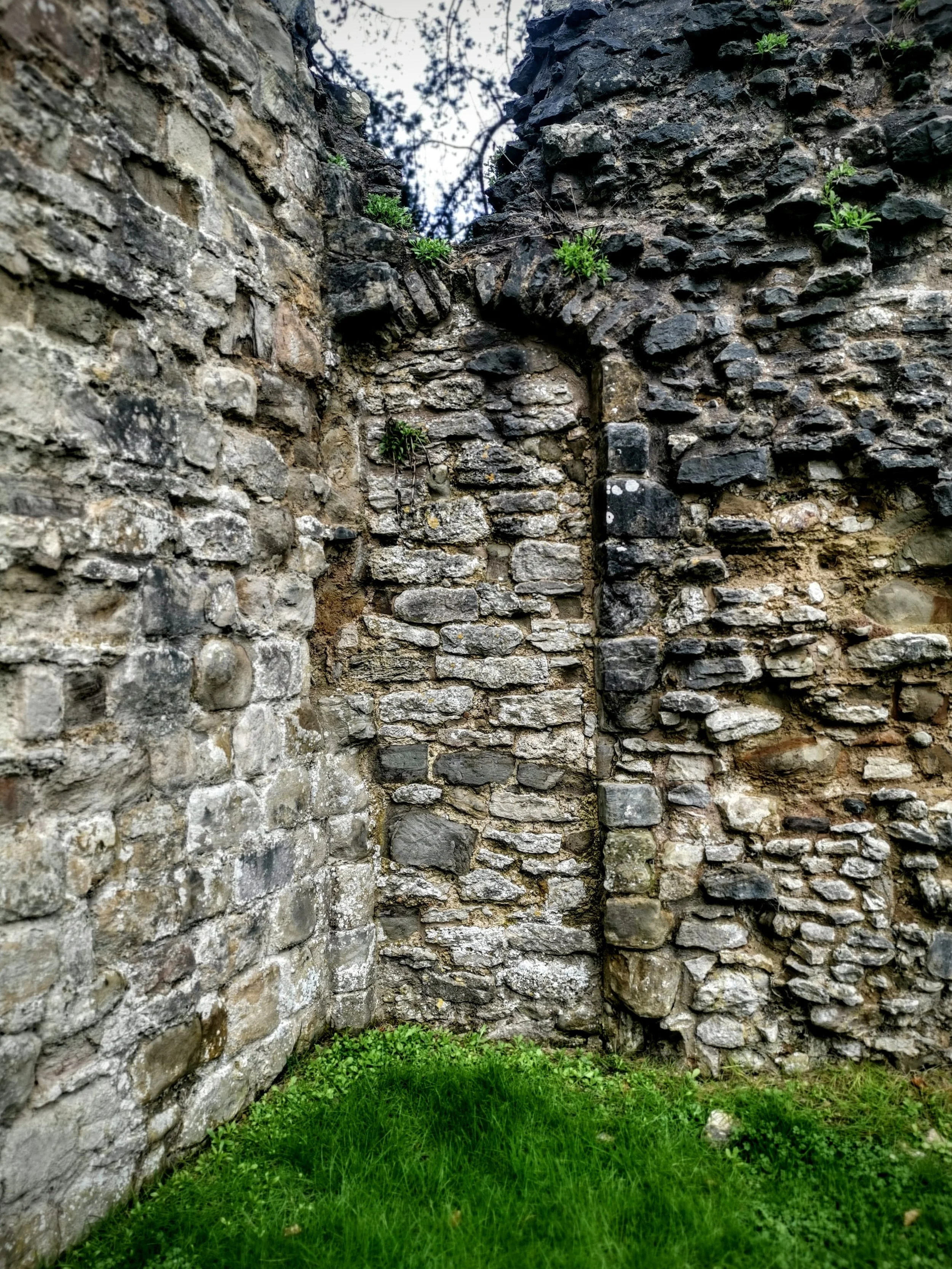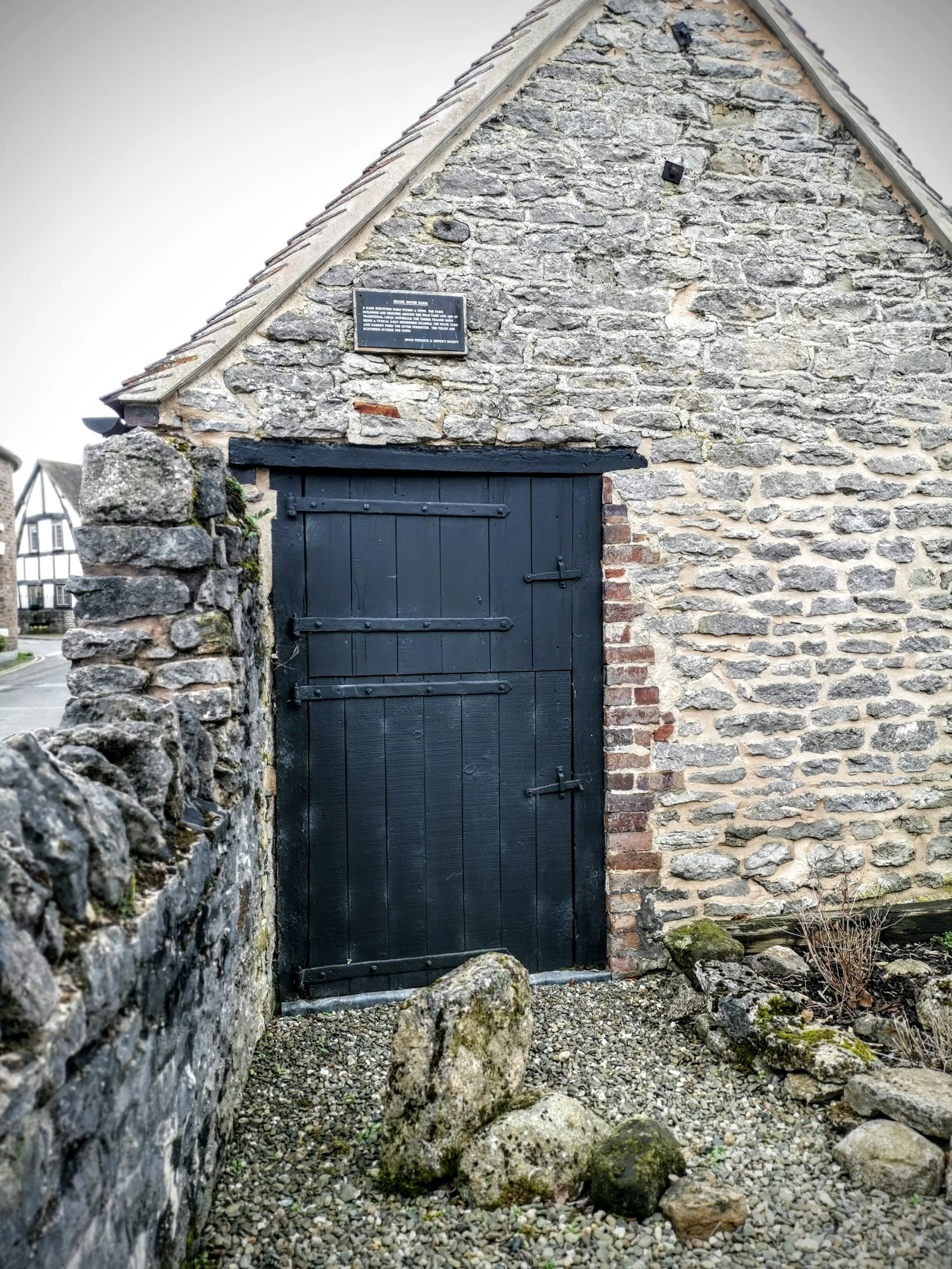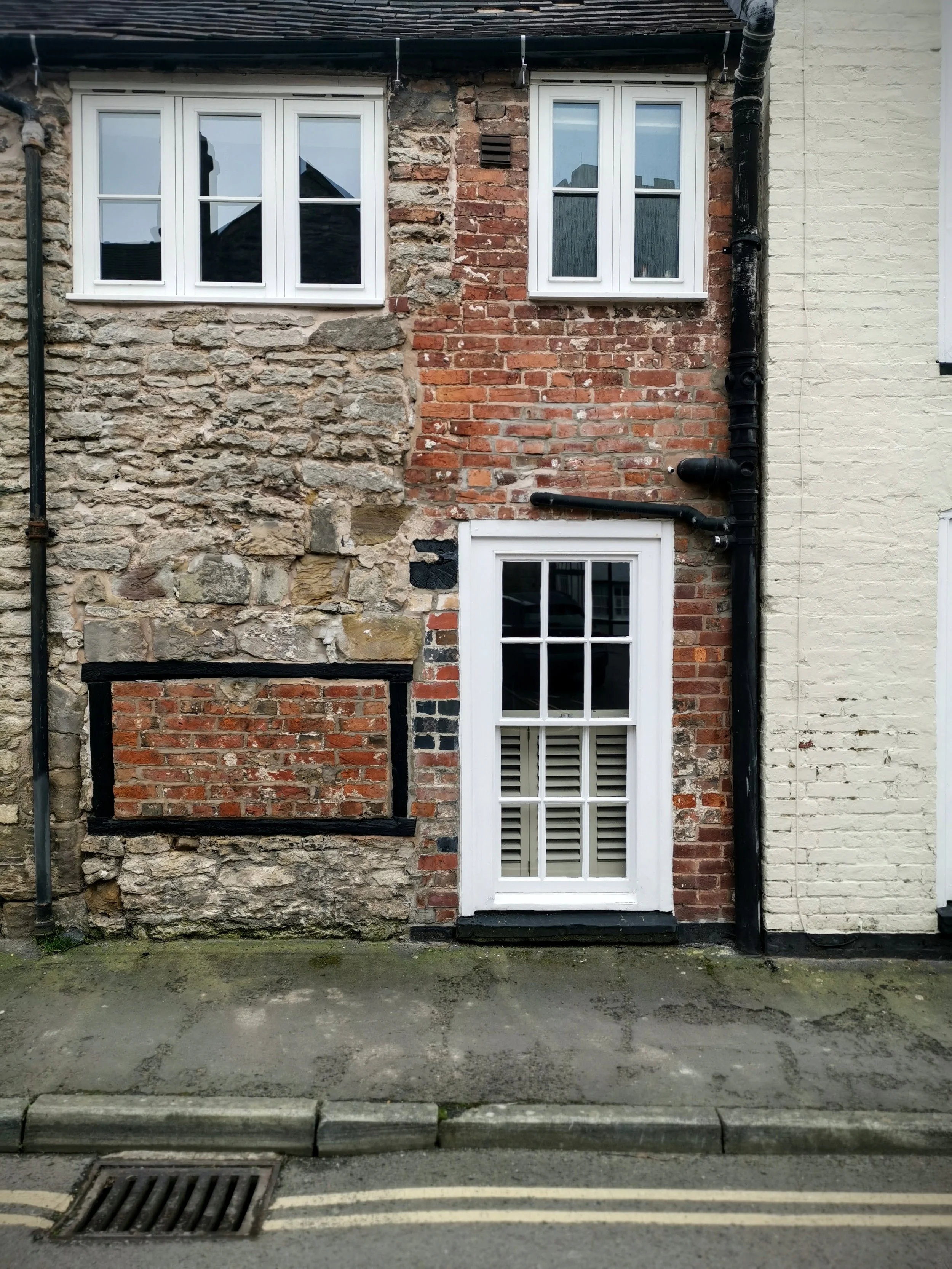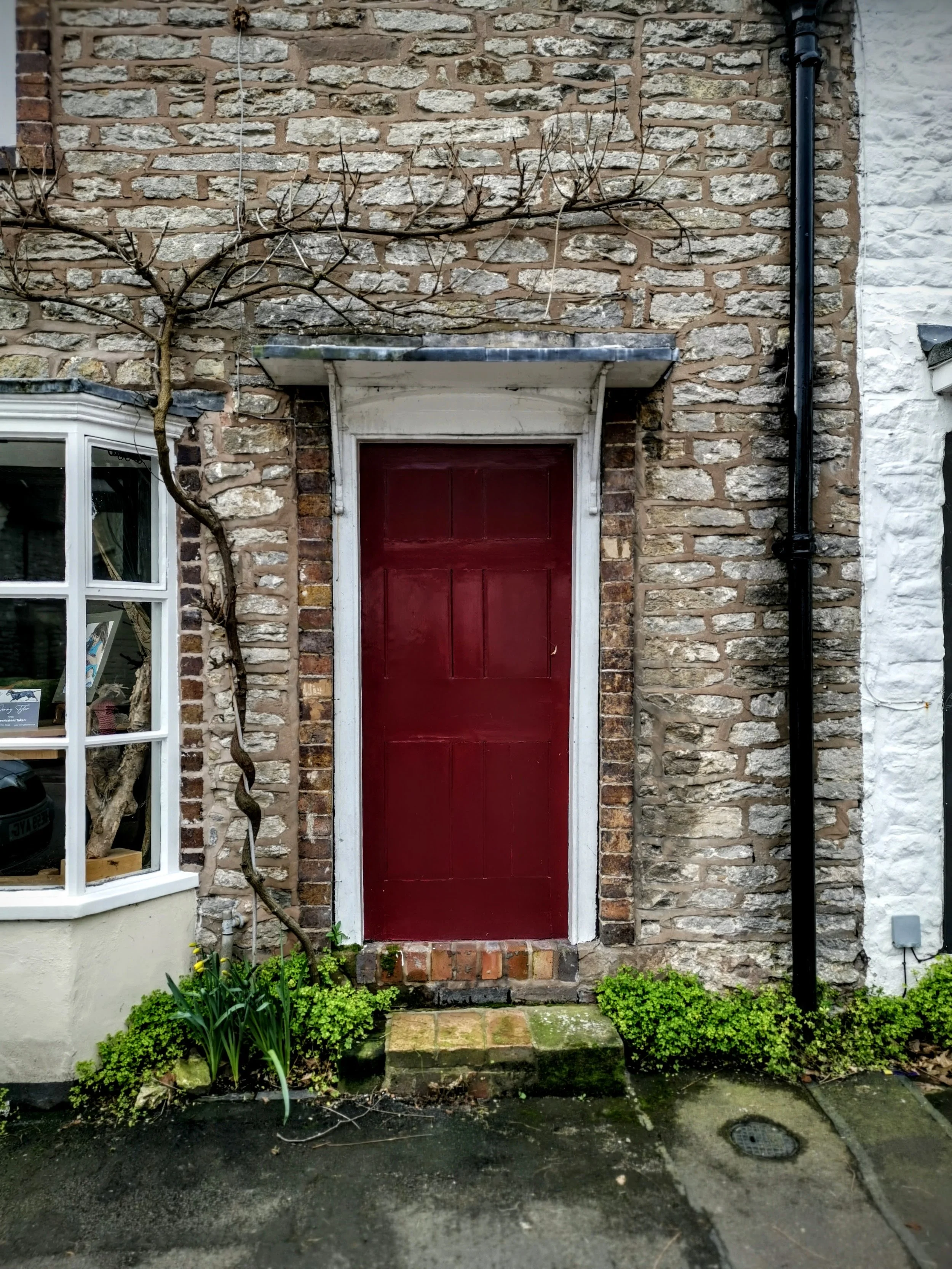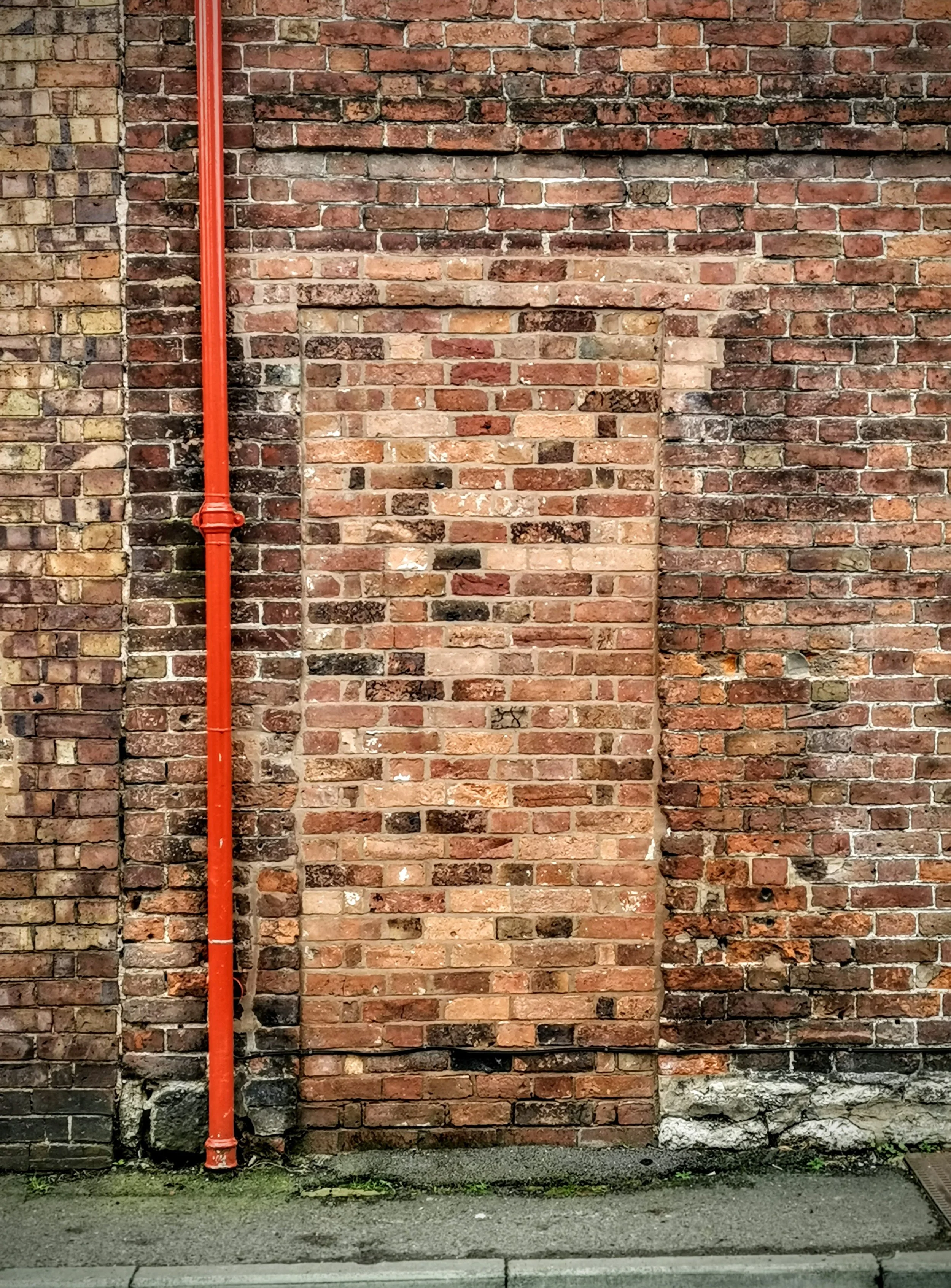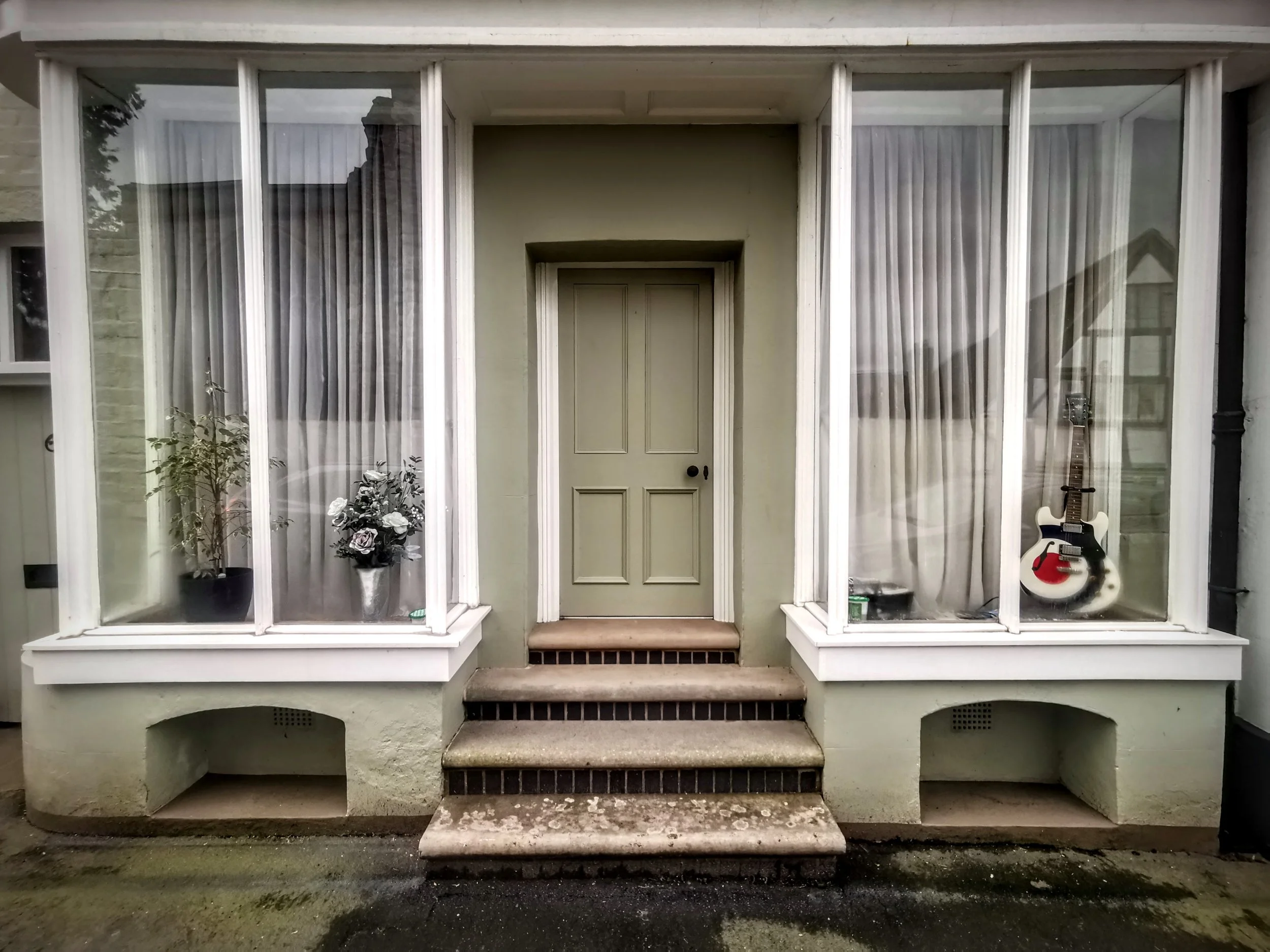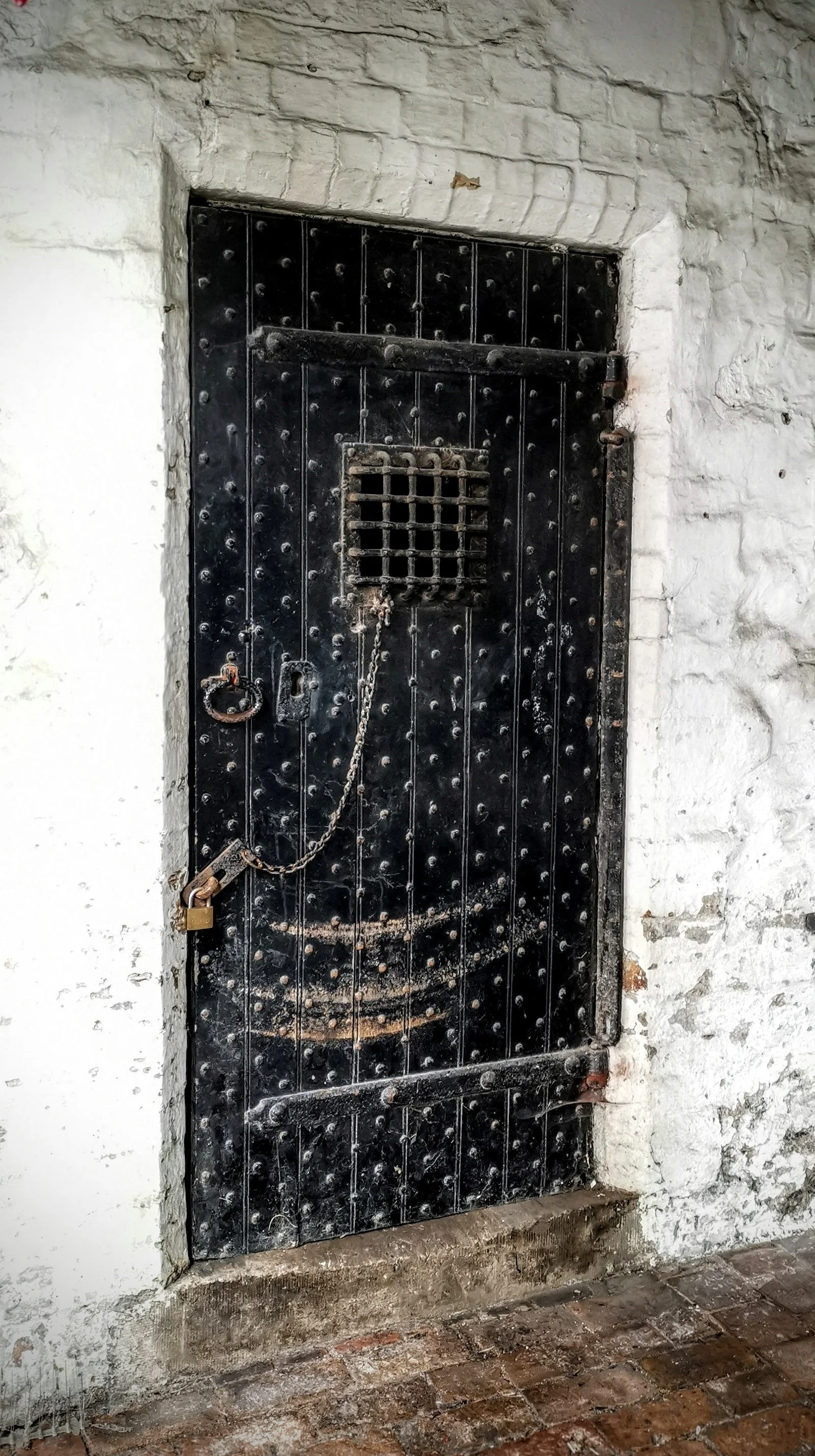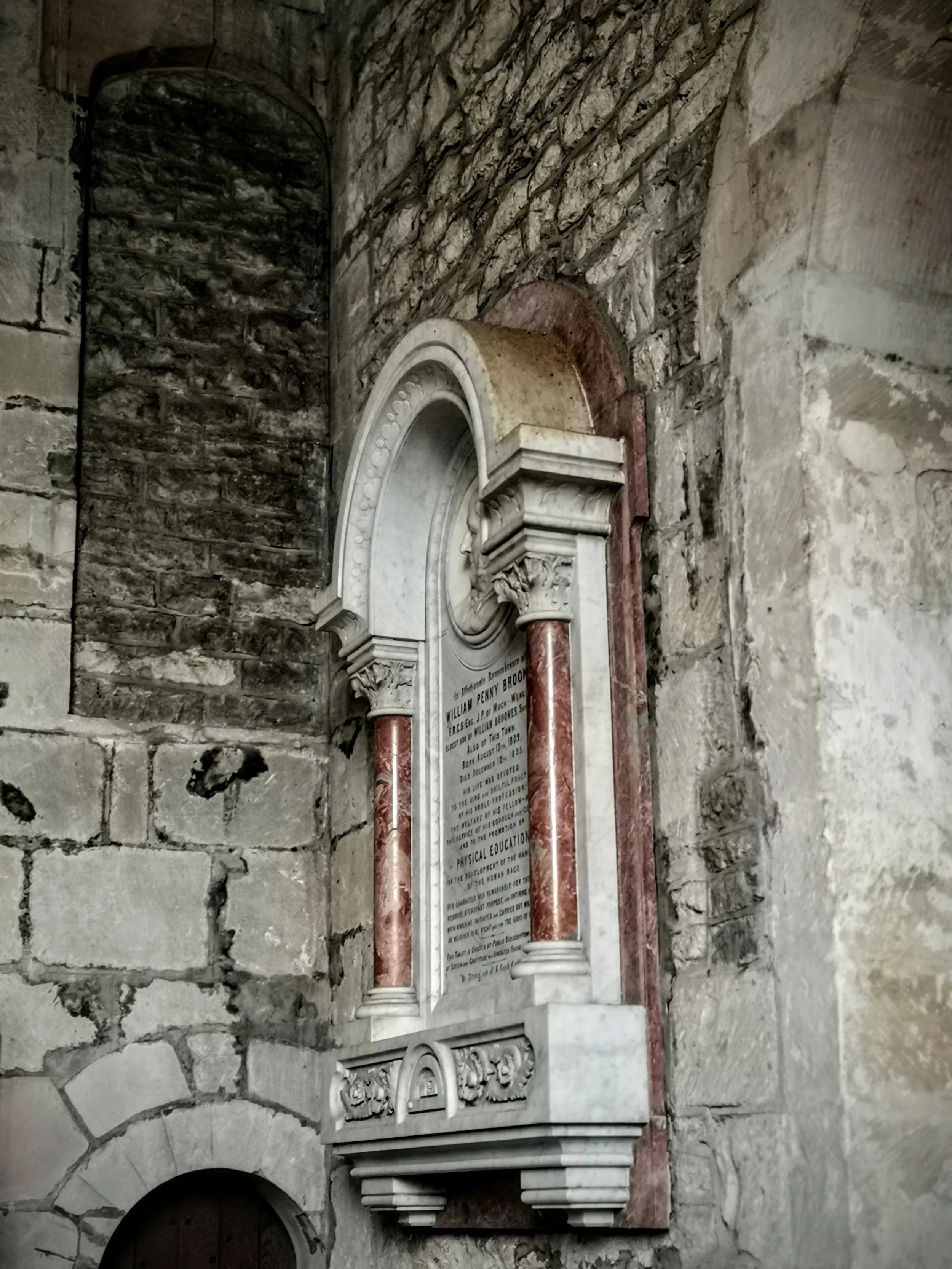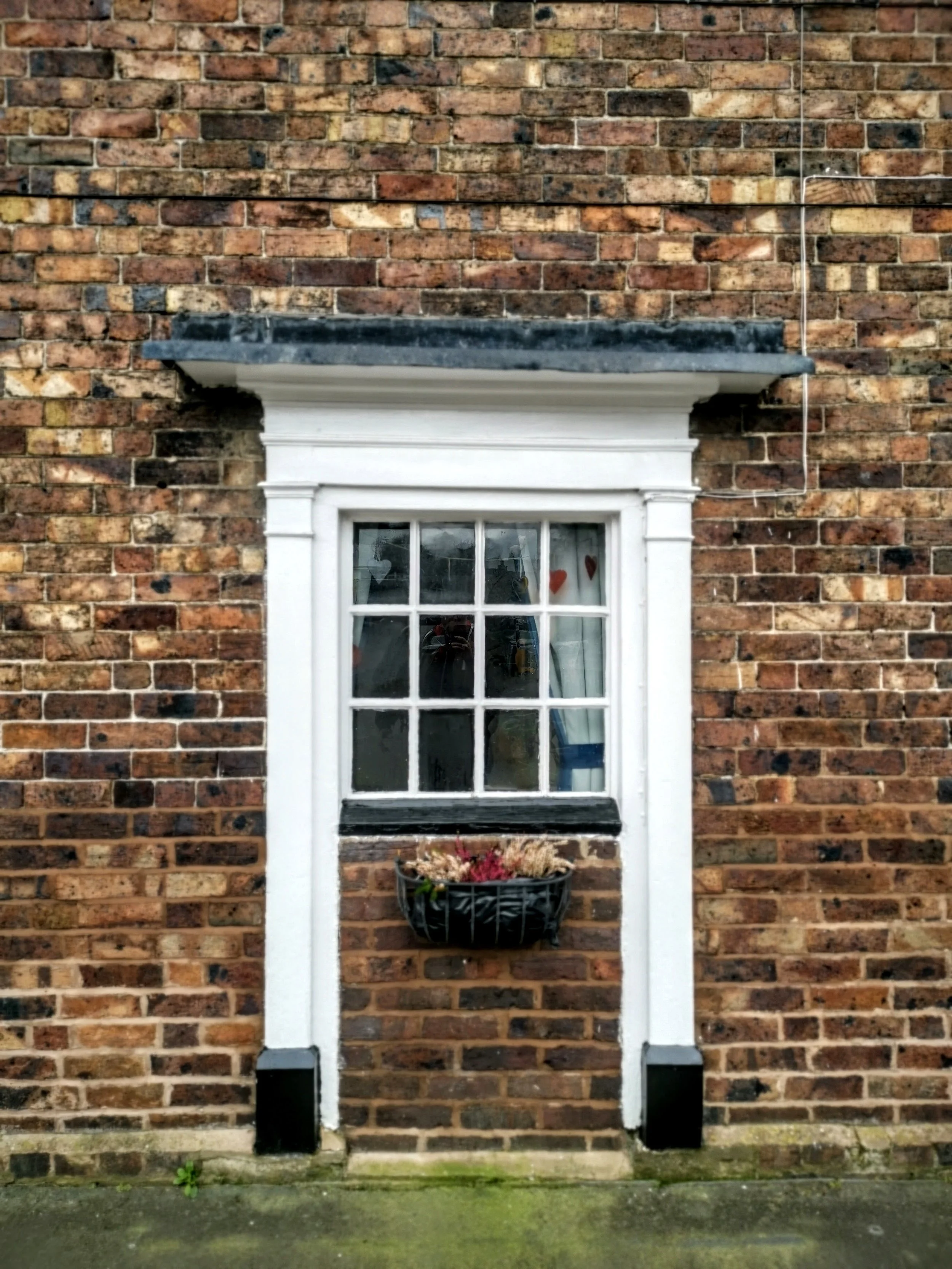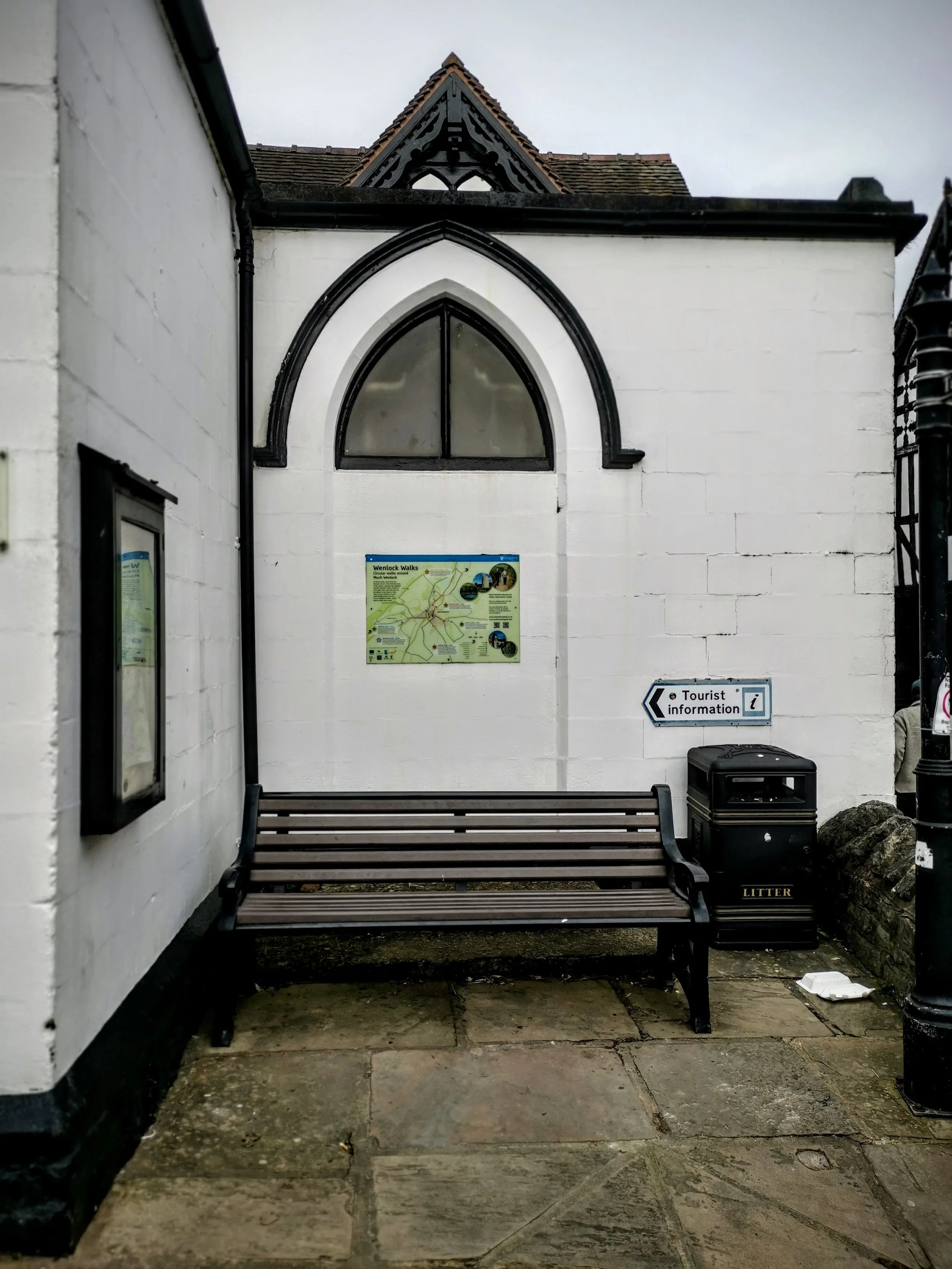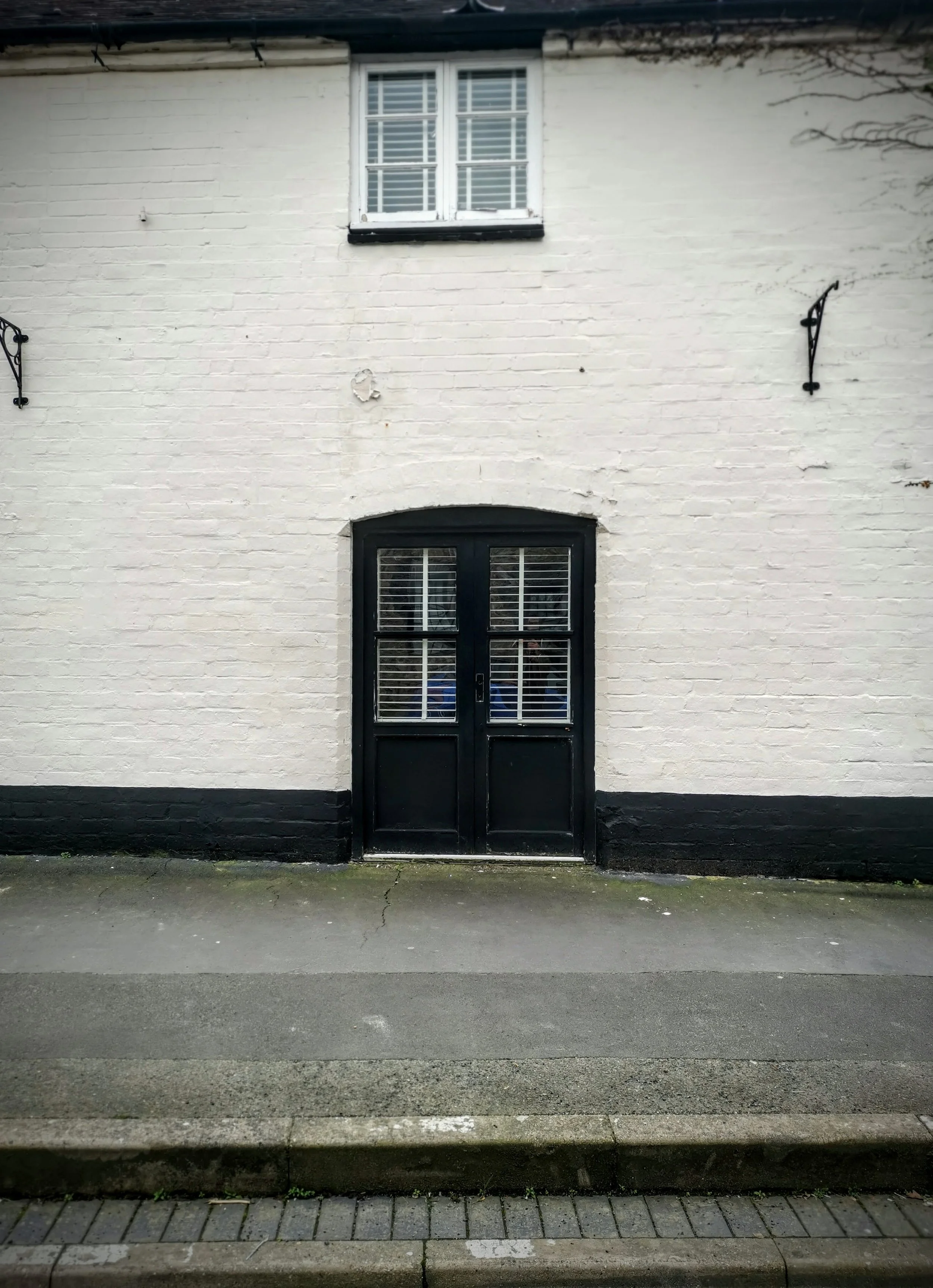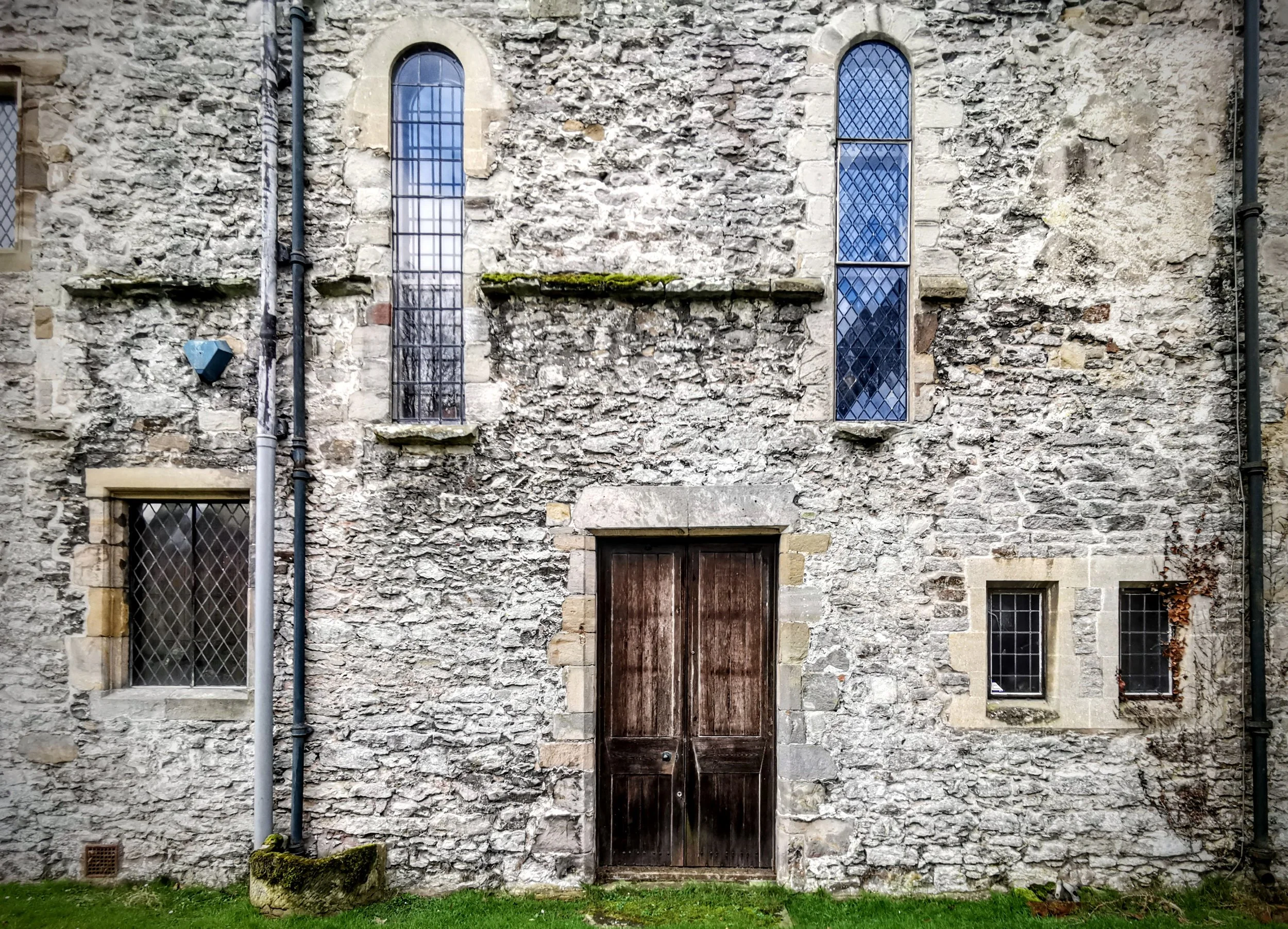
Investigation into the Unused Doors of Much Wenlock
When the earth was young the area that eventually became Much Wenlock was a coral reef beneath a tropical sea. 430 million years later that seabed is now a 19-mile long ridge of fossil-rich limestone known as Wenlock Edge. The now-silent quarries supplied the stone for much of the buildings in the town, a settlement that began its modern history in the Middle Ages. The Mercian King Penda whose son Merewalh found a monastry there in 680AD, and whose daughter Milburga he installed as abbess after she escaped the amorous attentions of a neighbouring prince. Like Arwen at the Fords of Bruinen she crossed a river and in her wake the river became so swollen the prince was unable to cross. Many miracles were attributed to her, credited being able to cure the sick and restore sight to the blind, as well break winter’s grip and usher in the spring, command birds to spare the local crops and help them grow. She died on the 23rd of Febuary in 727 and the date is celebrated as Shropshire Day today. The religious site flourished and her tomb venerated until it was destroyed in 874 by a Viking raid.
The priory was re-found in 1079 by Cluniac monks, who found Milburga’s bones enshrining them and making Much Wenlock a site for pilgrims. The town slowly built up around it and it is a beaitful smorgasbord of English architetural styles, from the Medieval timber-framed cruck terraces to later Georgian and Victorian buildings.
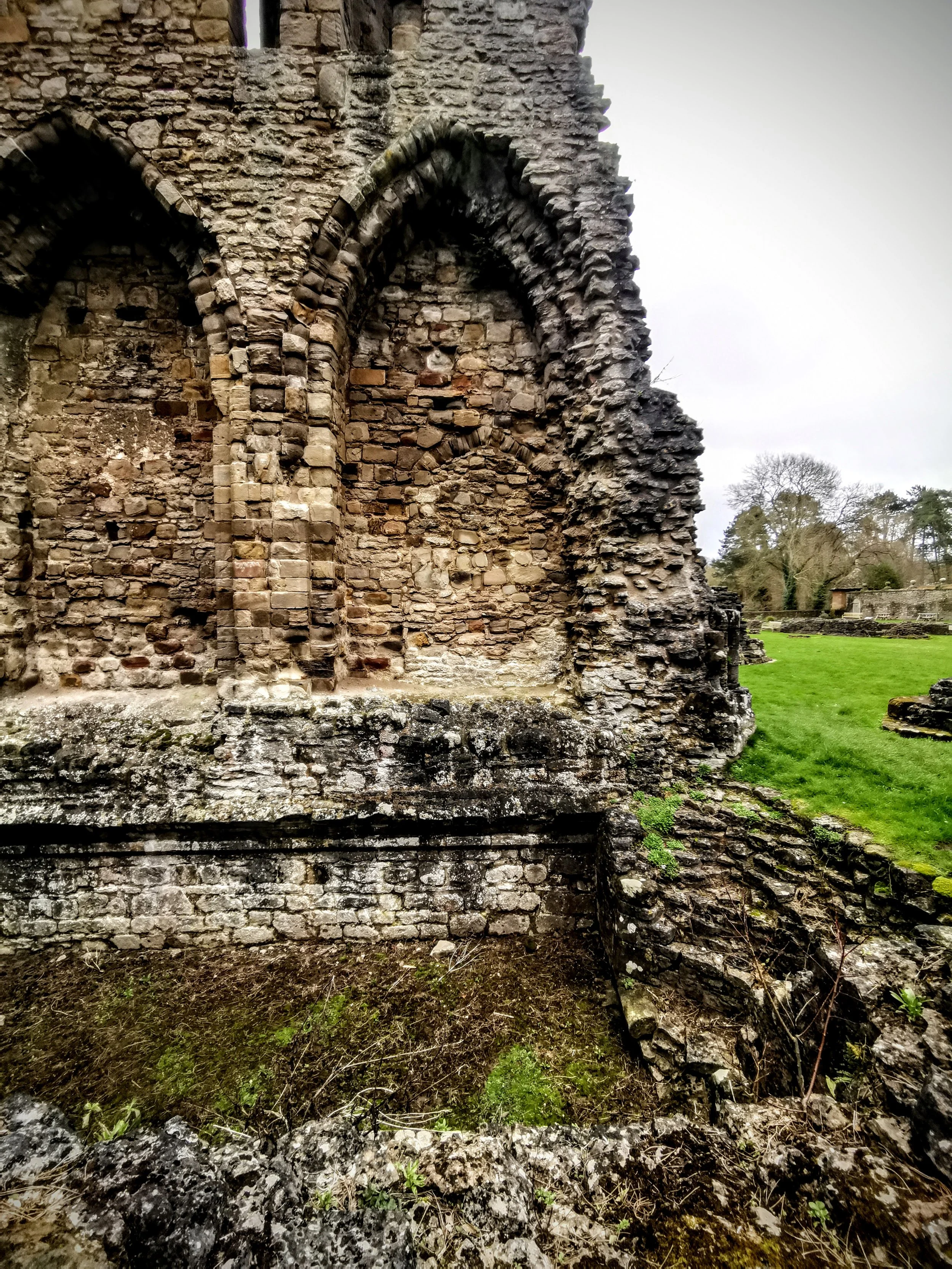
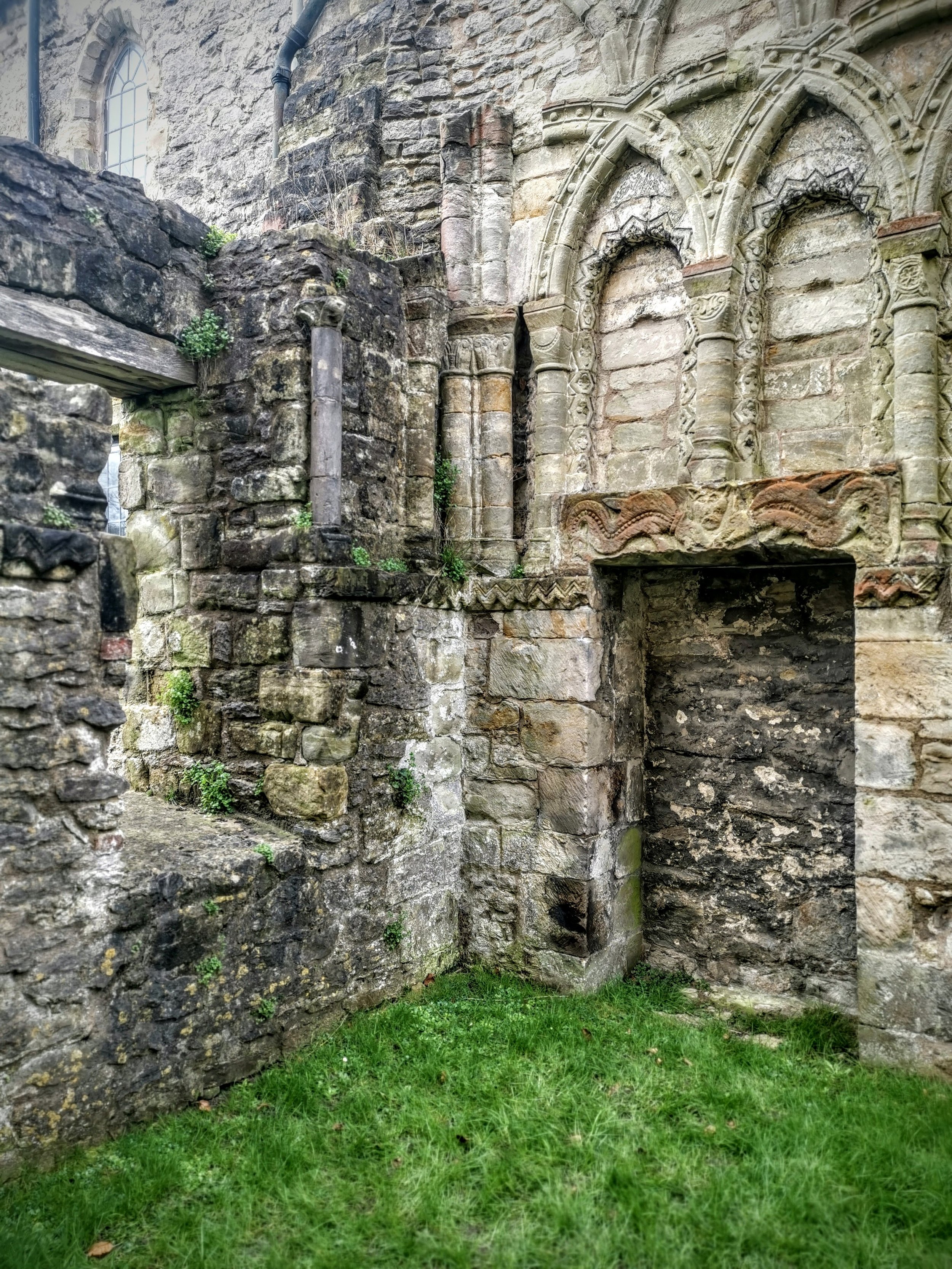
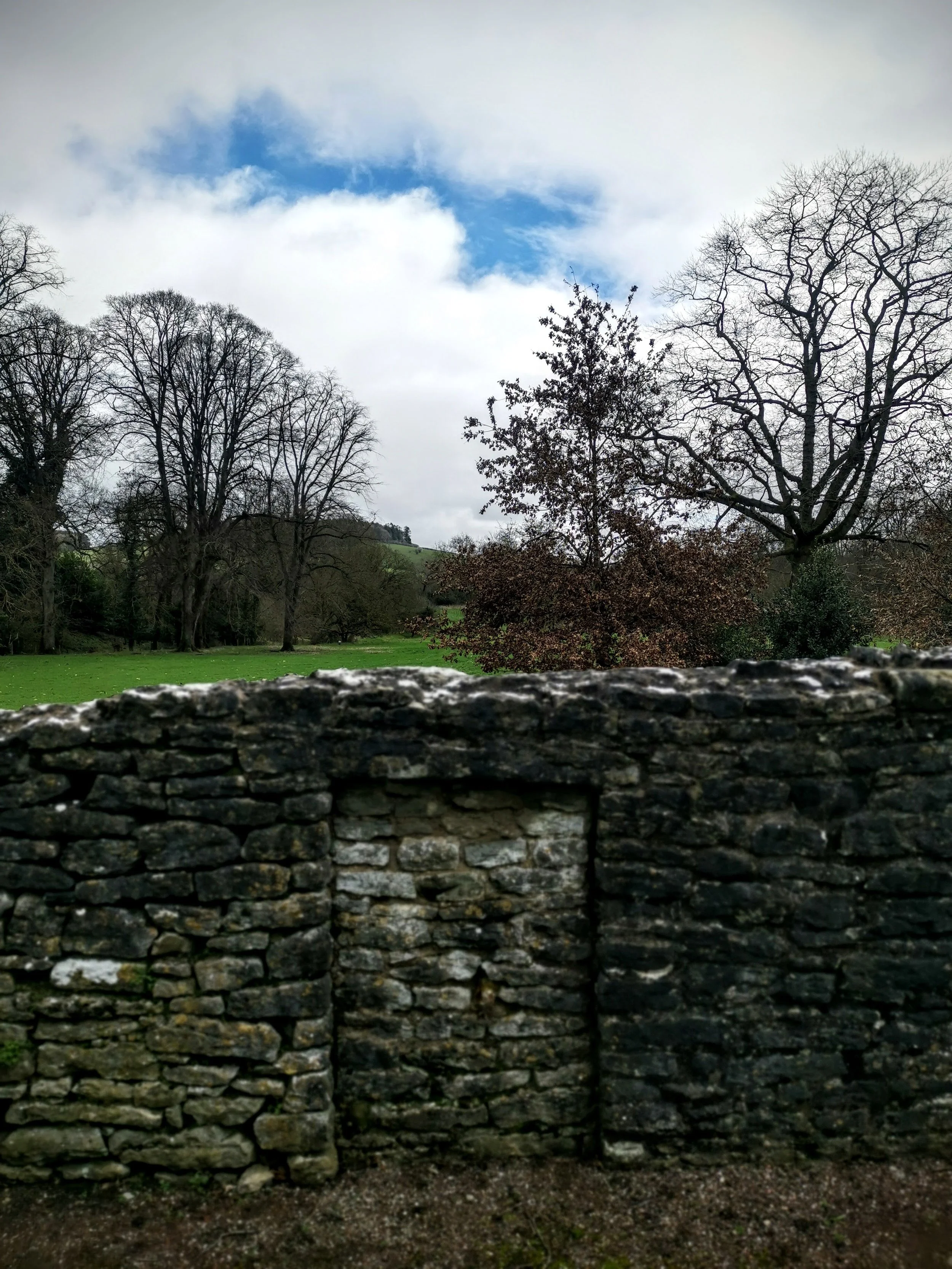
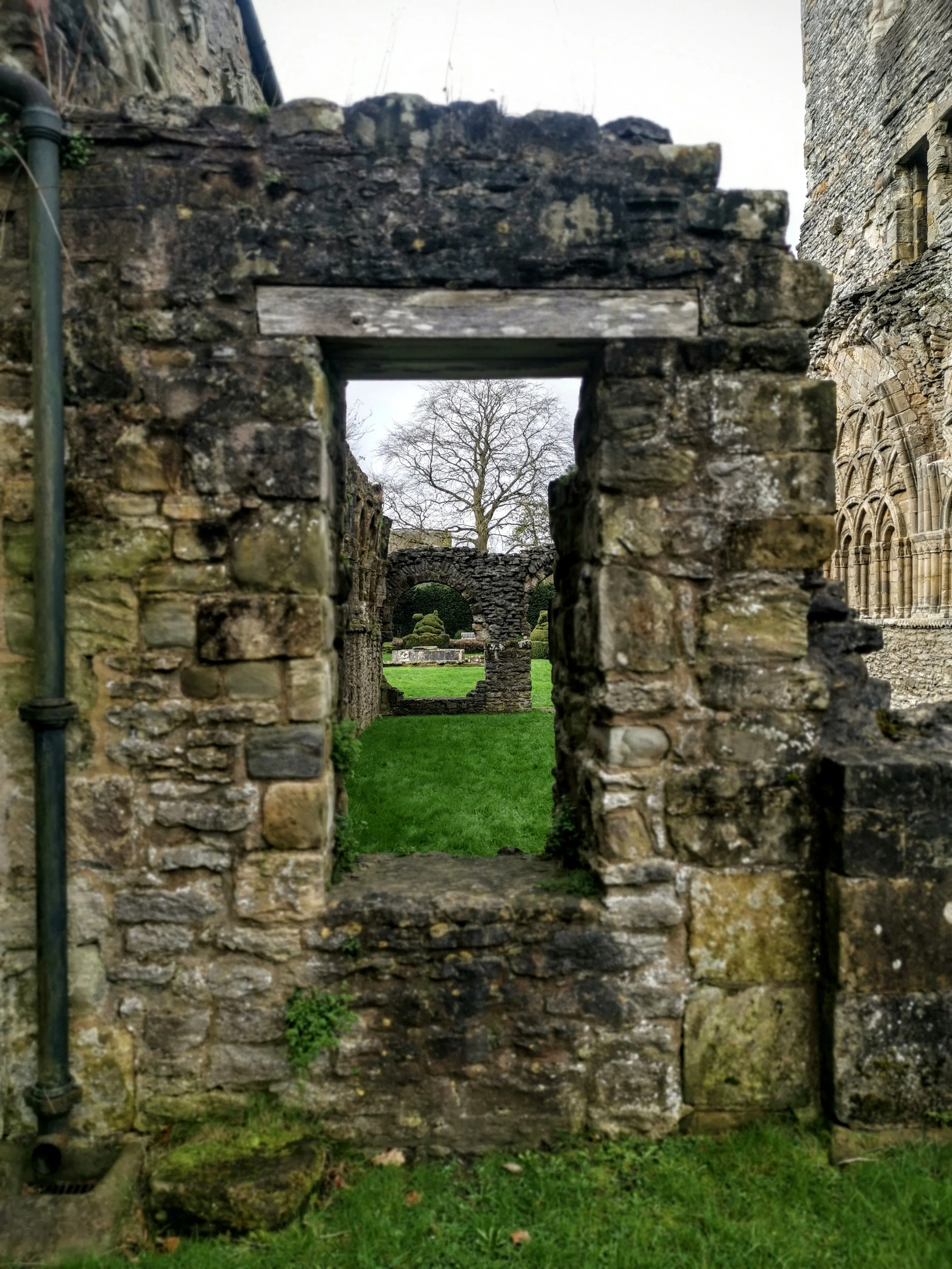
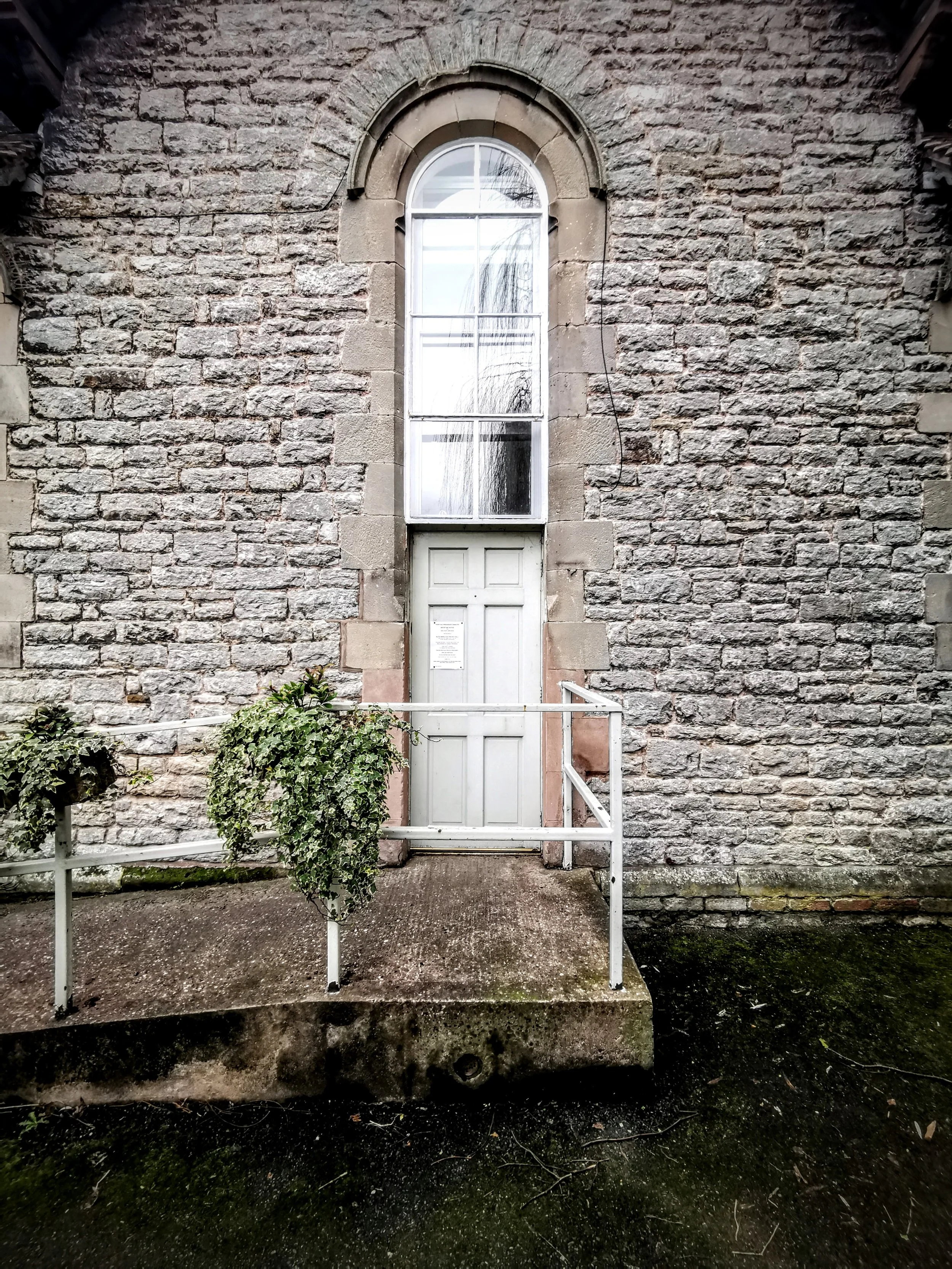
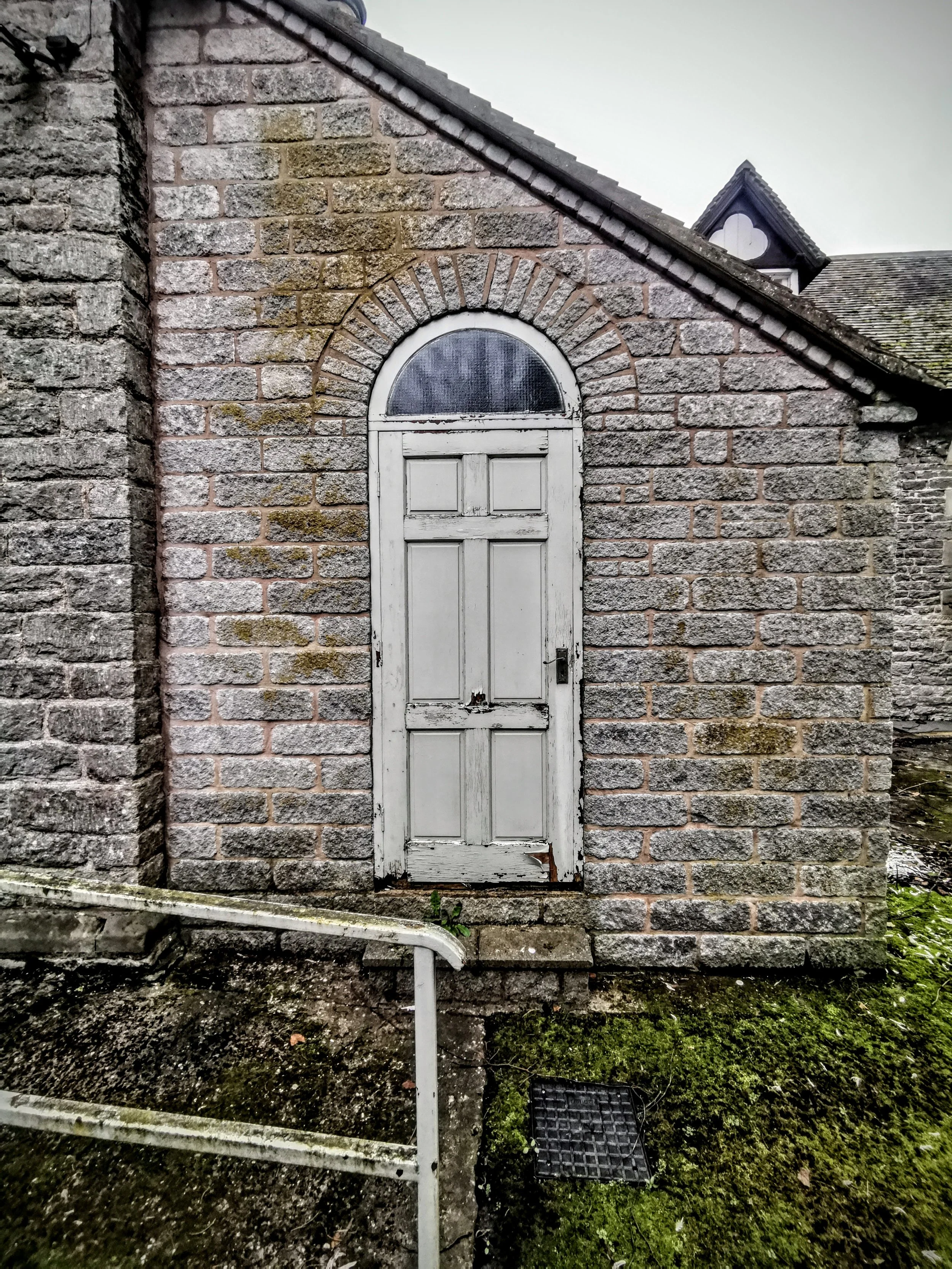
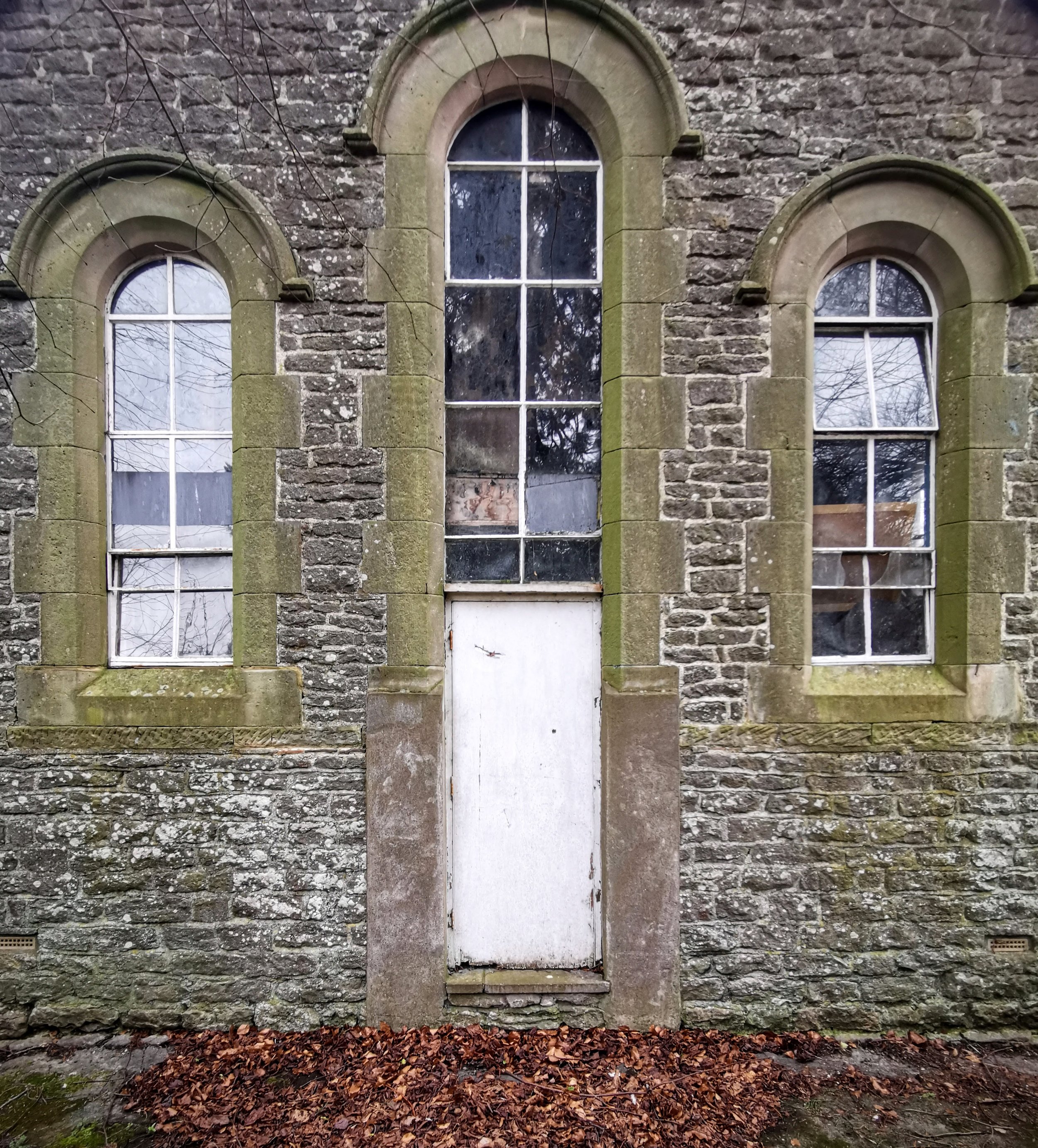
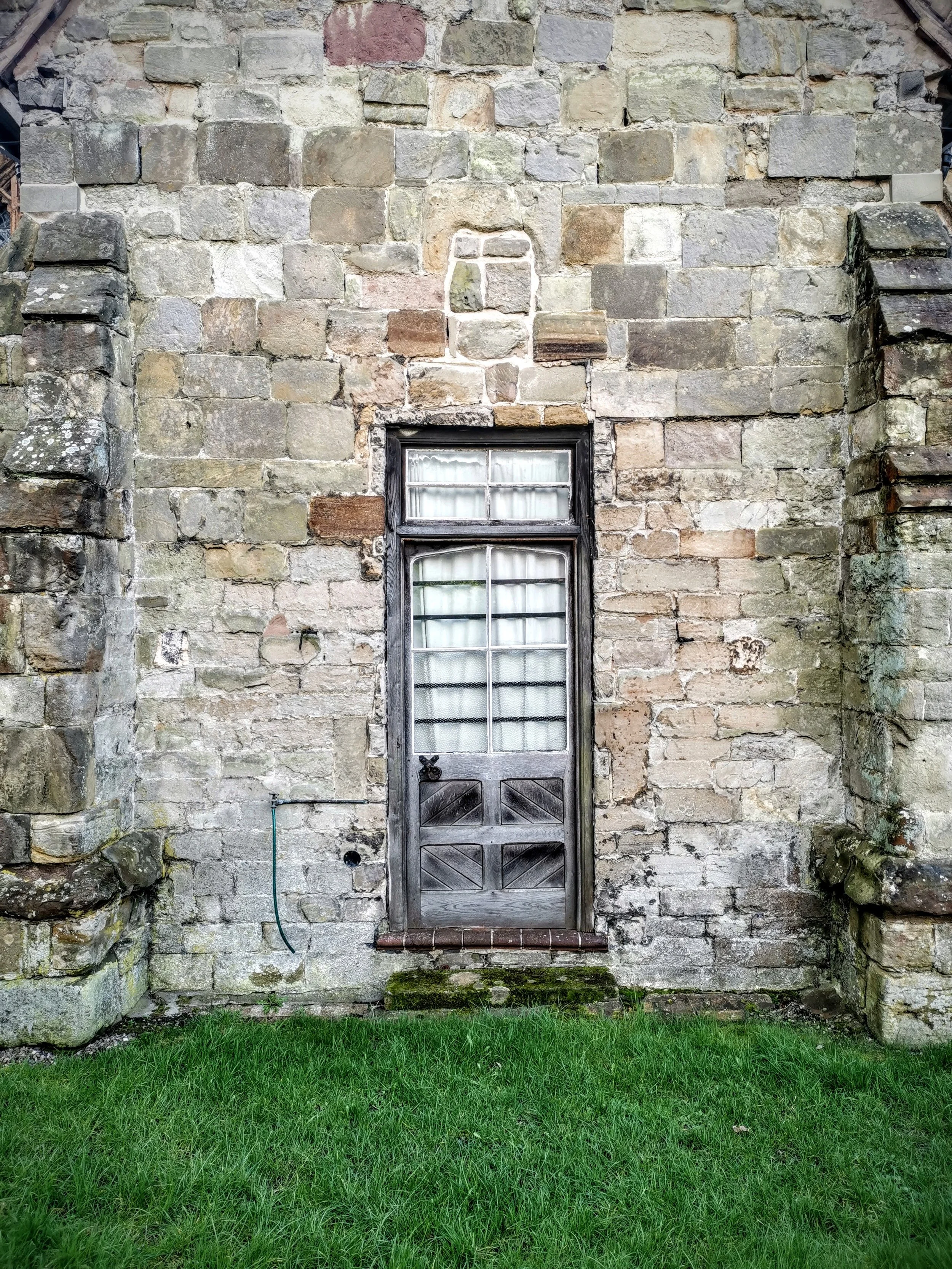
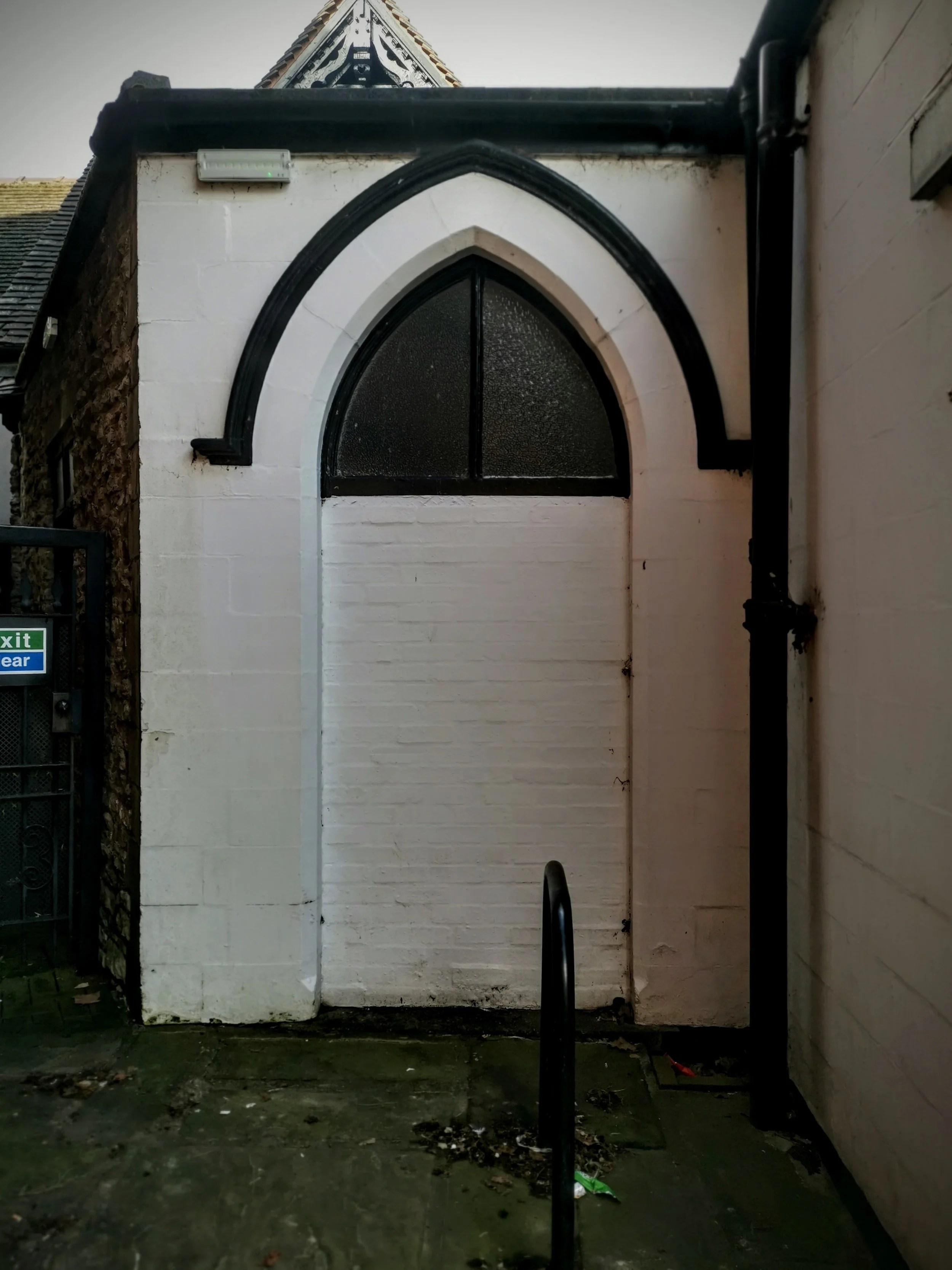
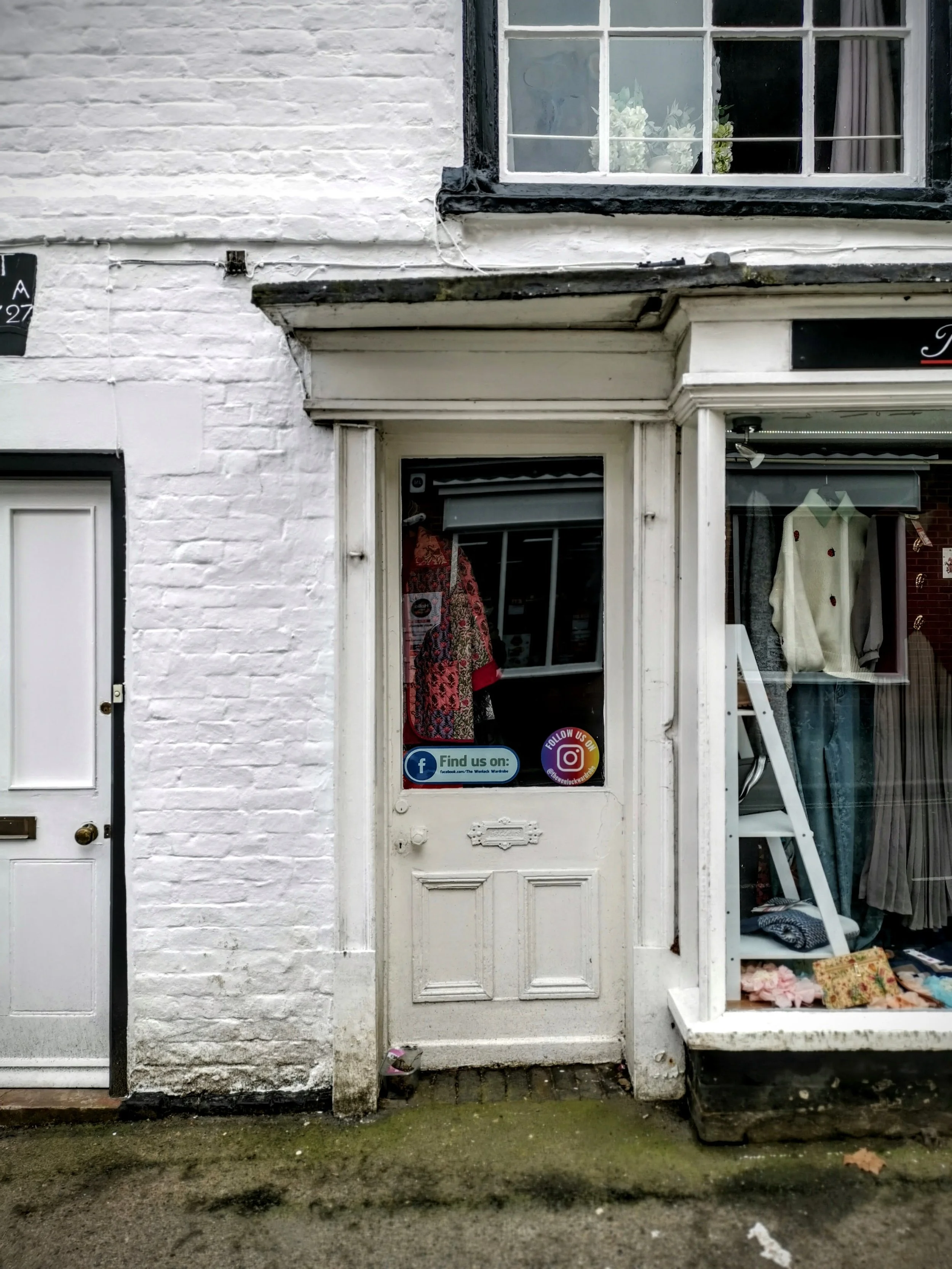
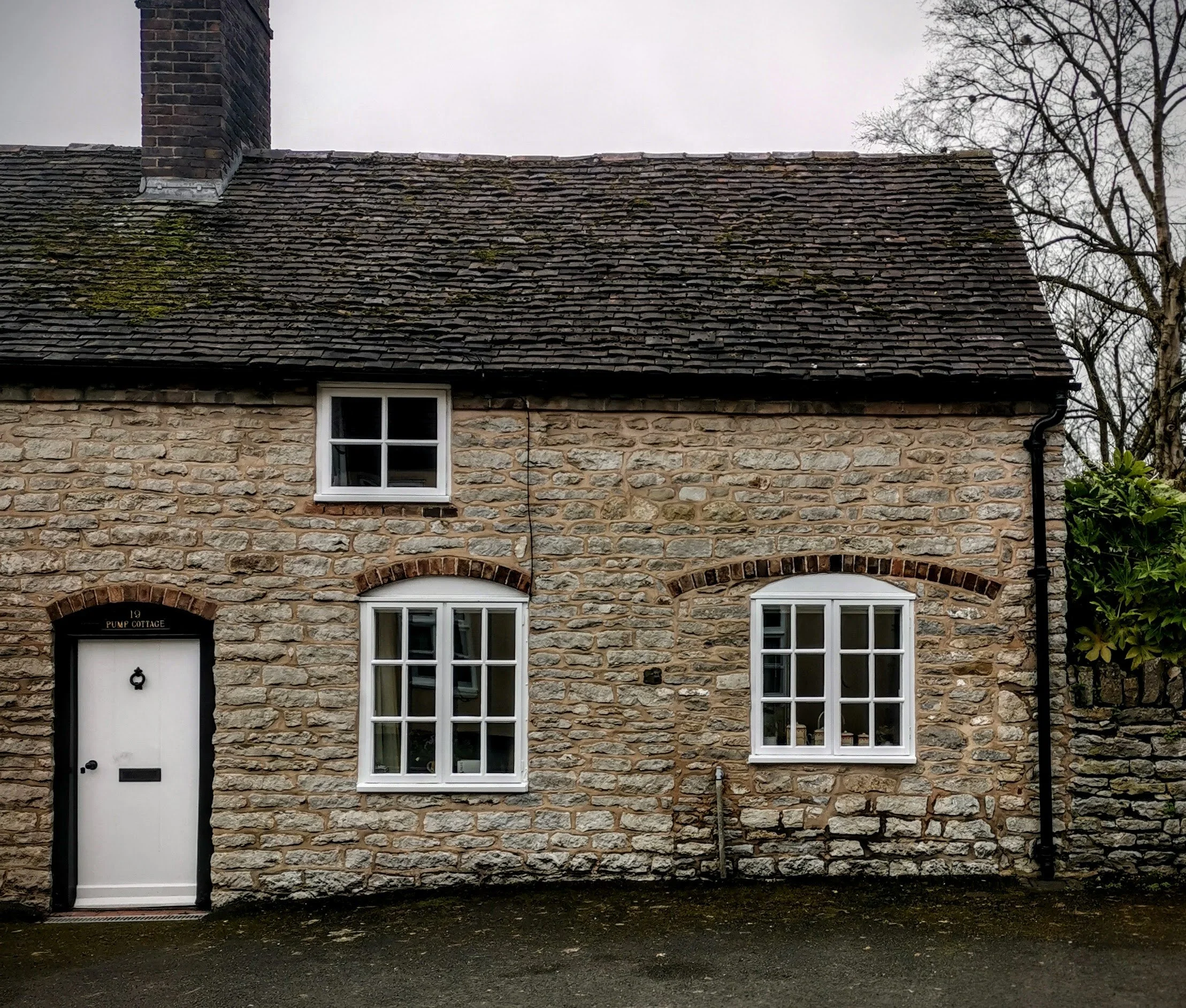
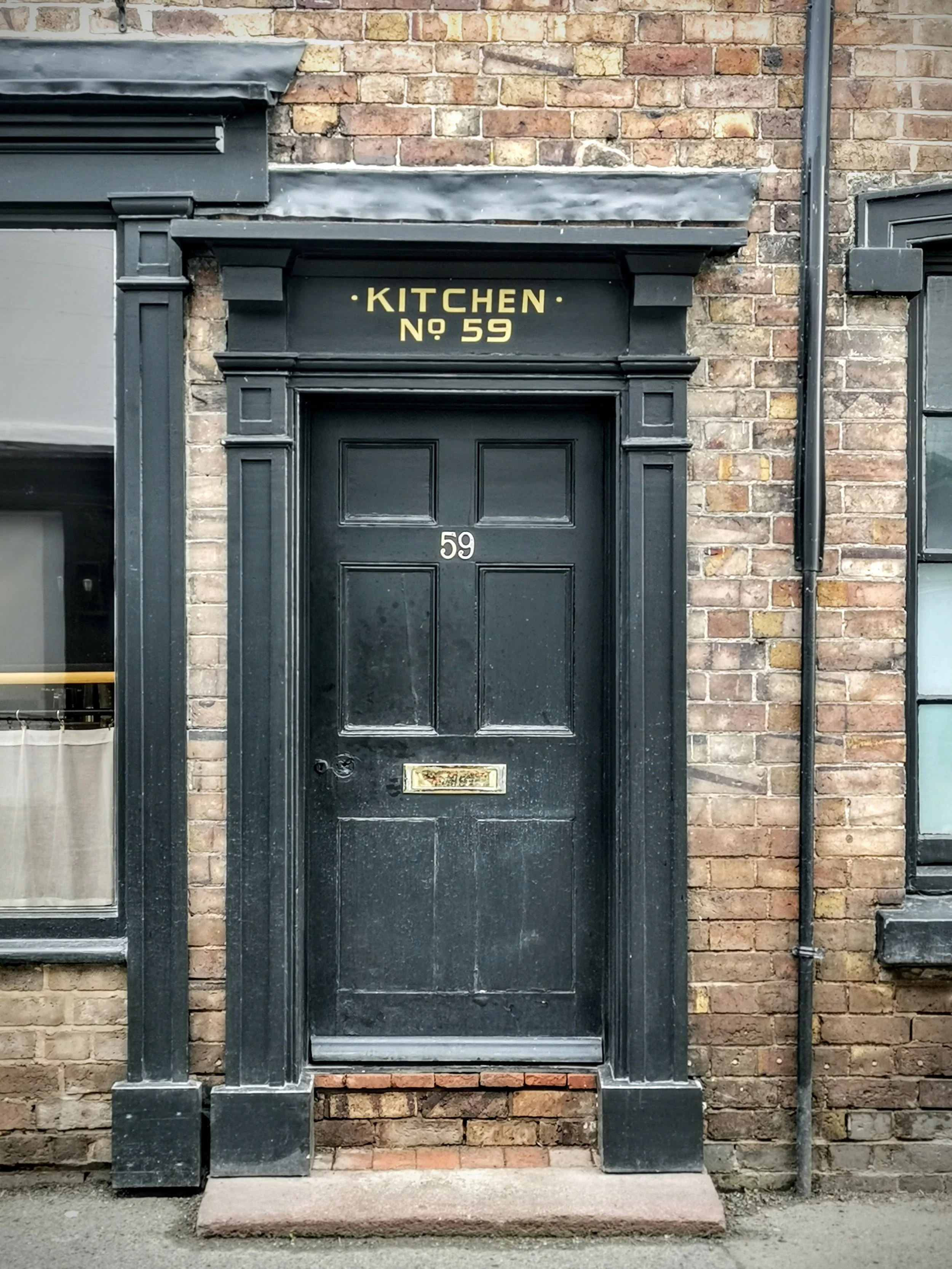
The priory’s fate was not so kind. Victim to the Dissolution of the Monastries in 1540, with the Prior’s House and attached infirmary sold as a provate residence and the rest of the abbey complex allowed to fall into ruin, which you can visit today. It is a fascinating and beautiful town to visit, but for me its true treasure is the astonishing number of forgotten doors.