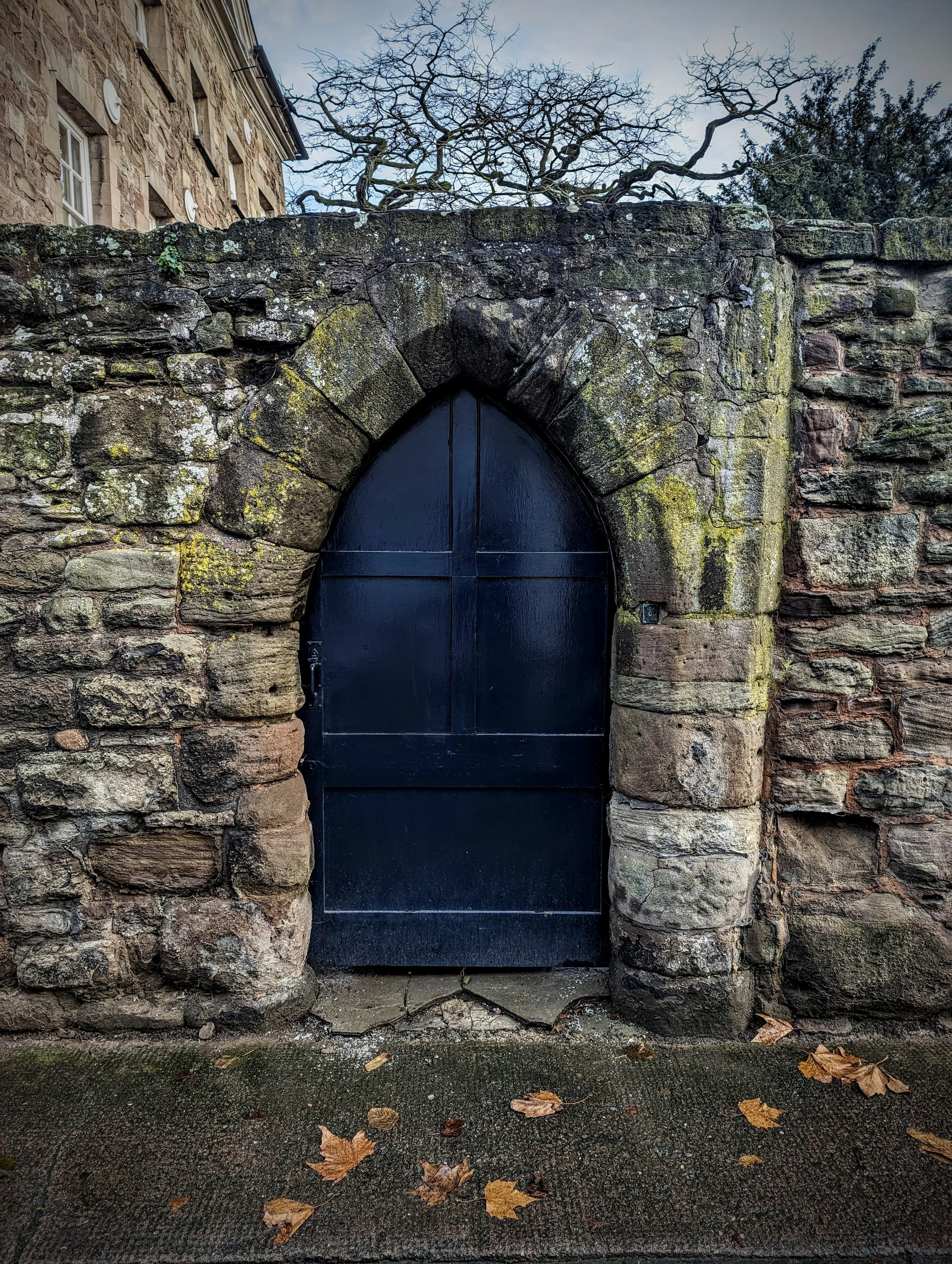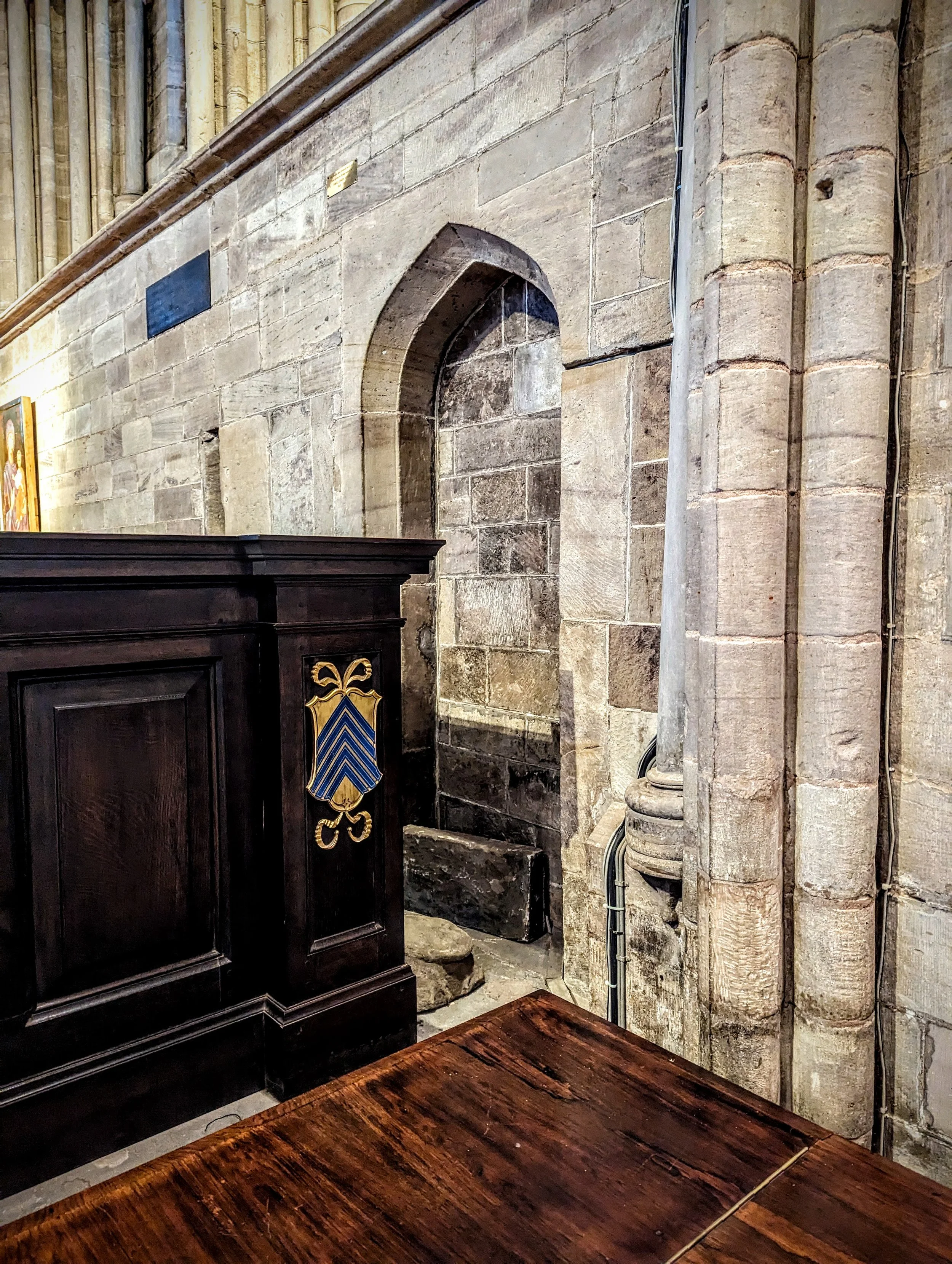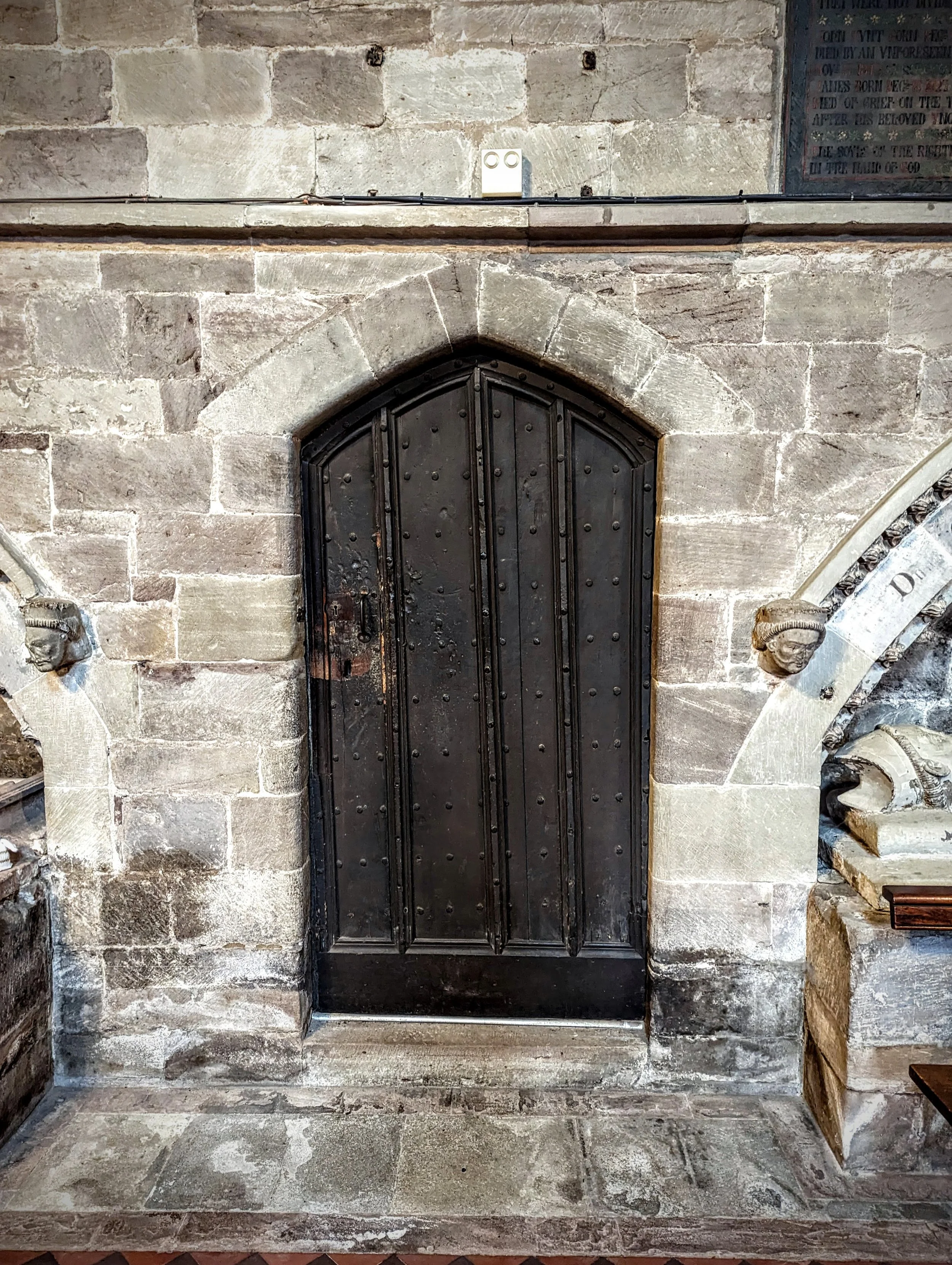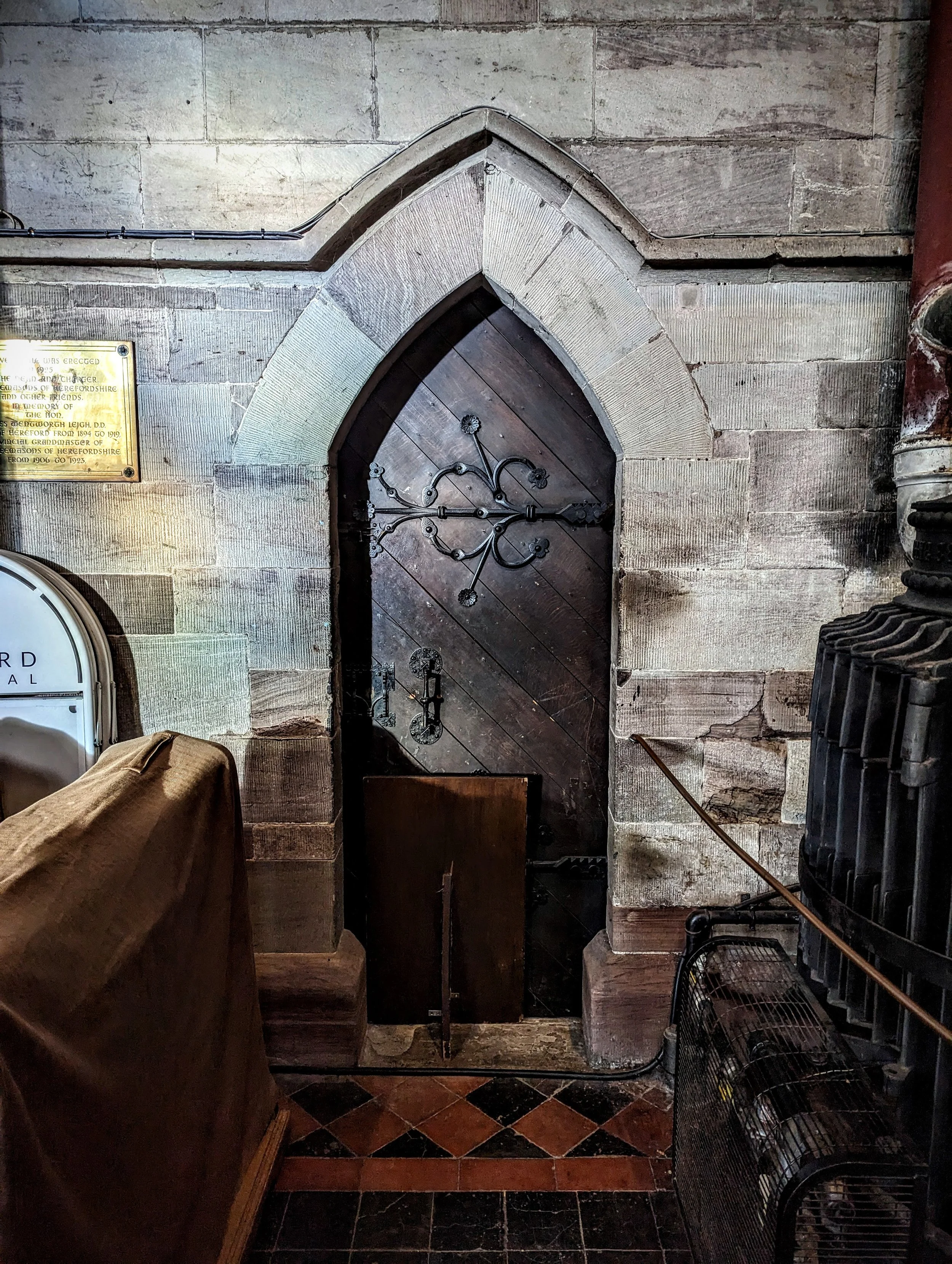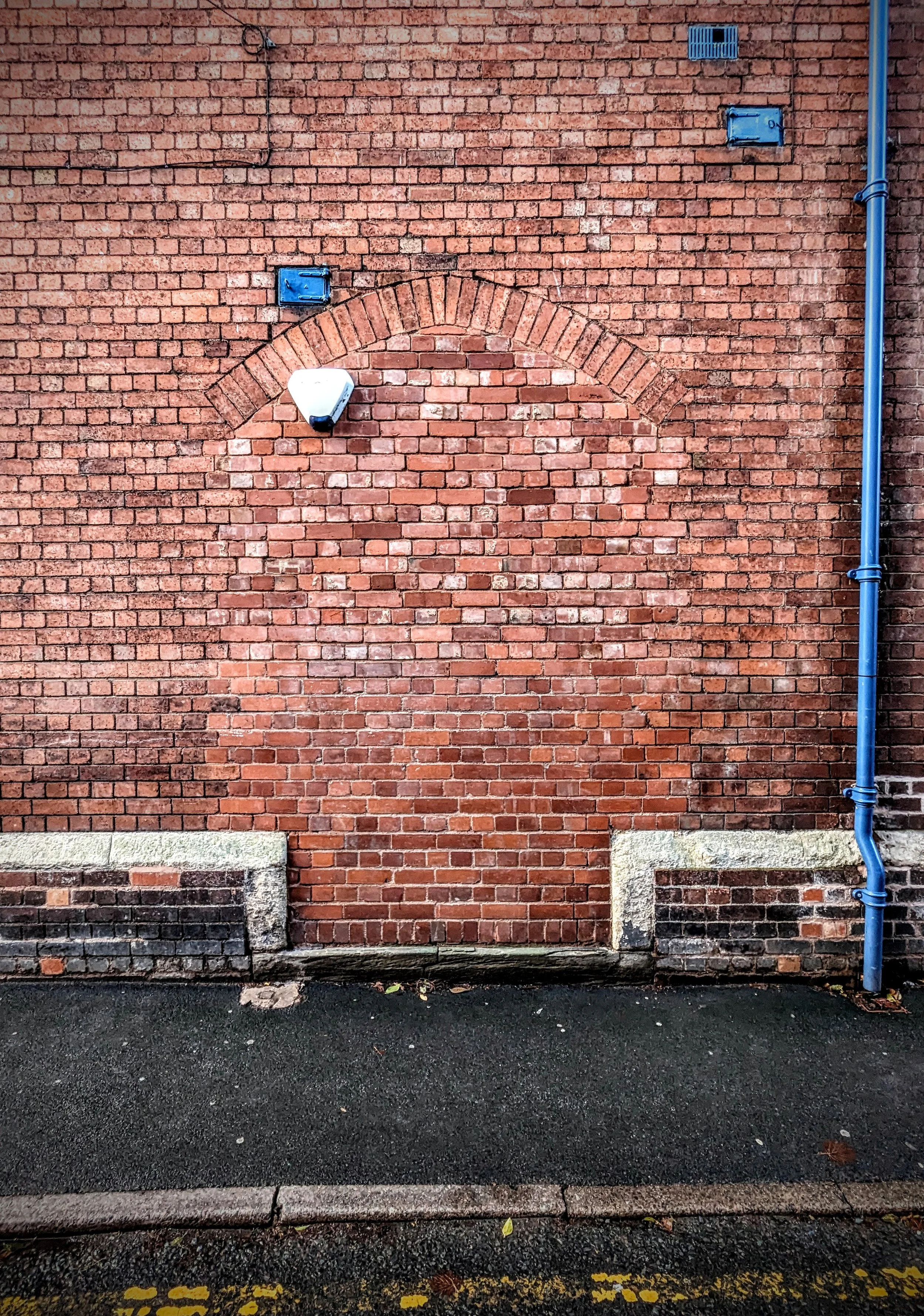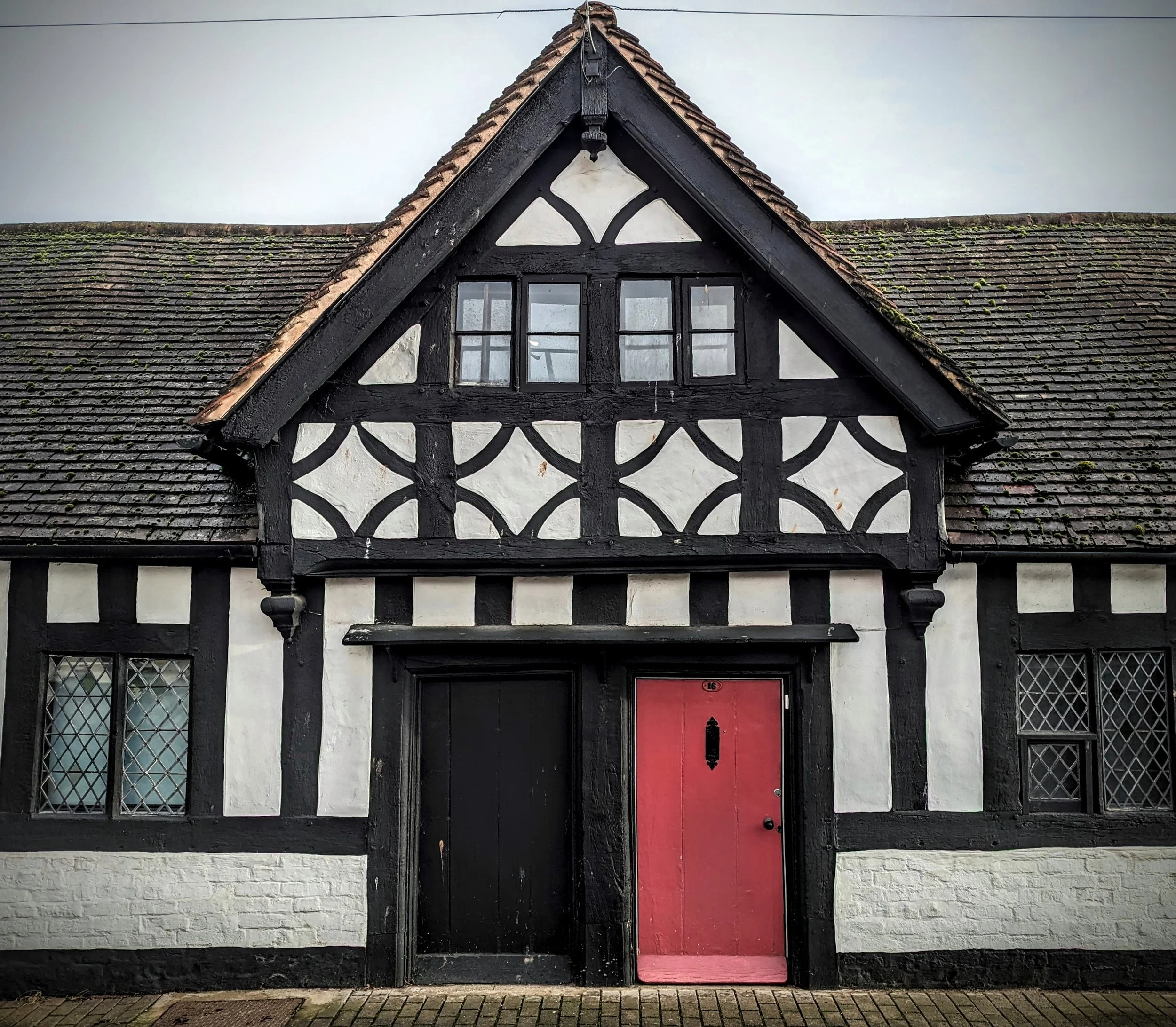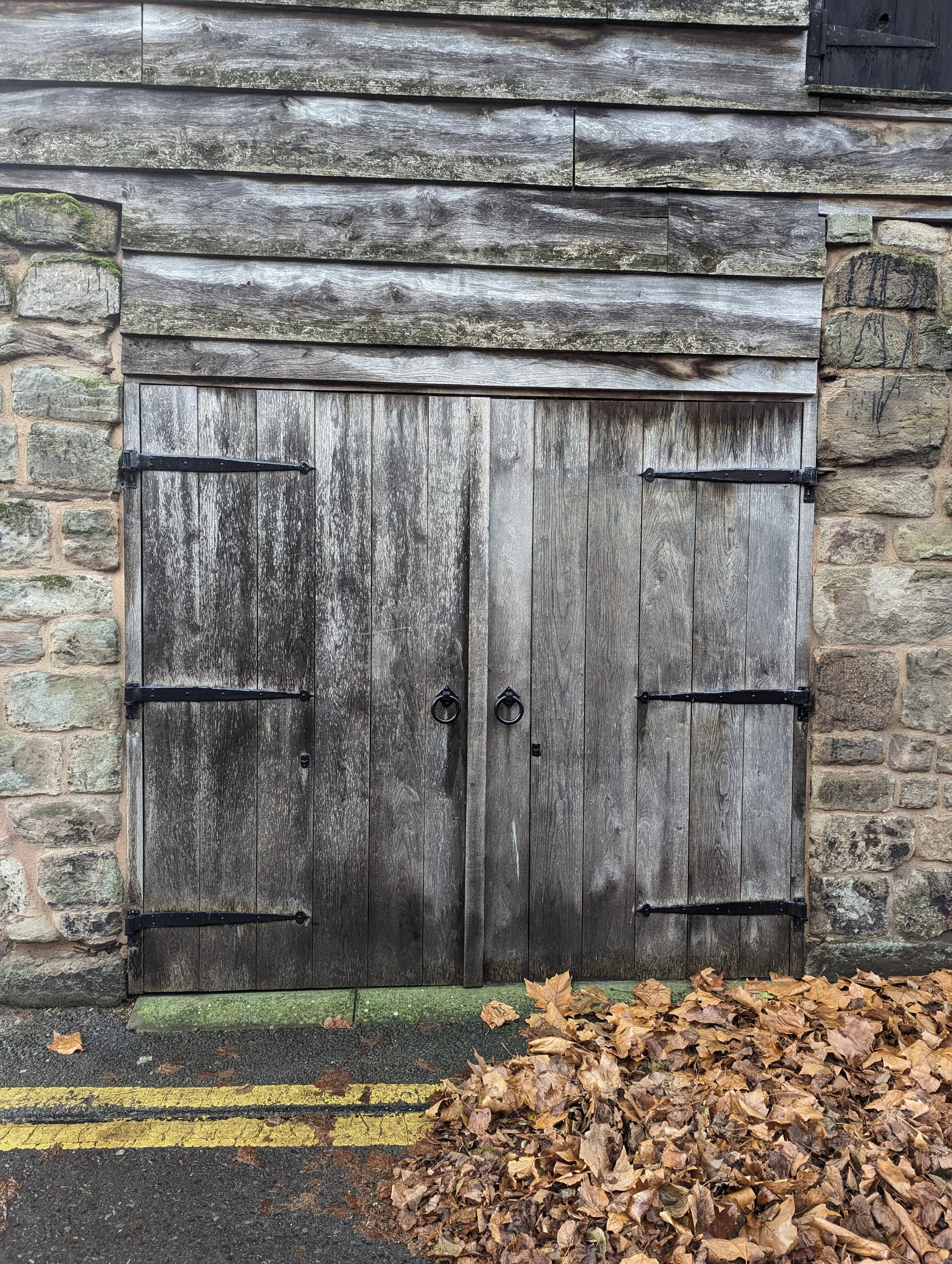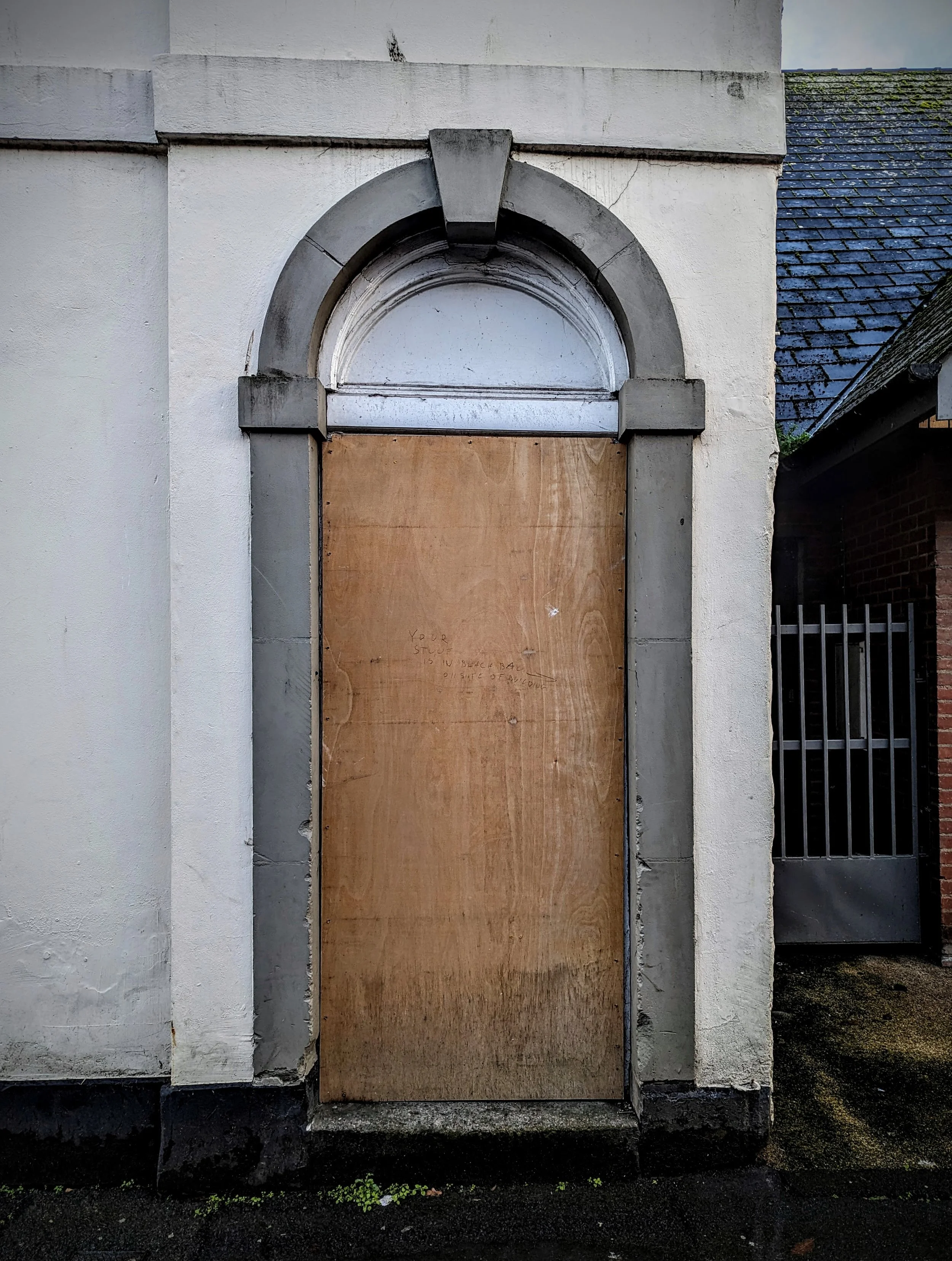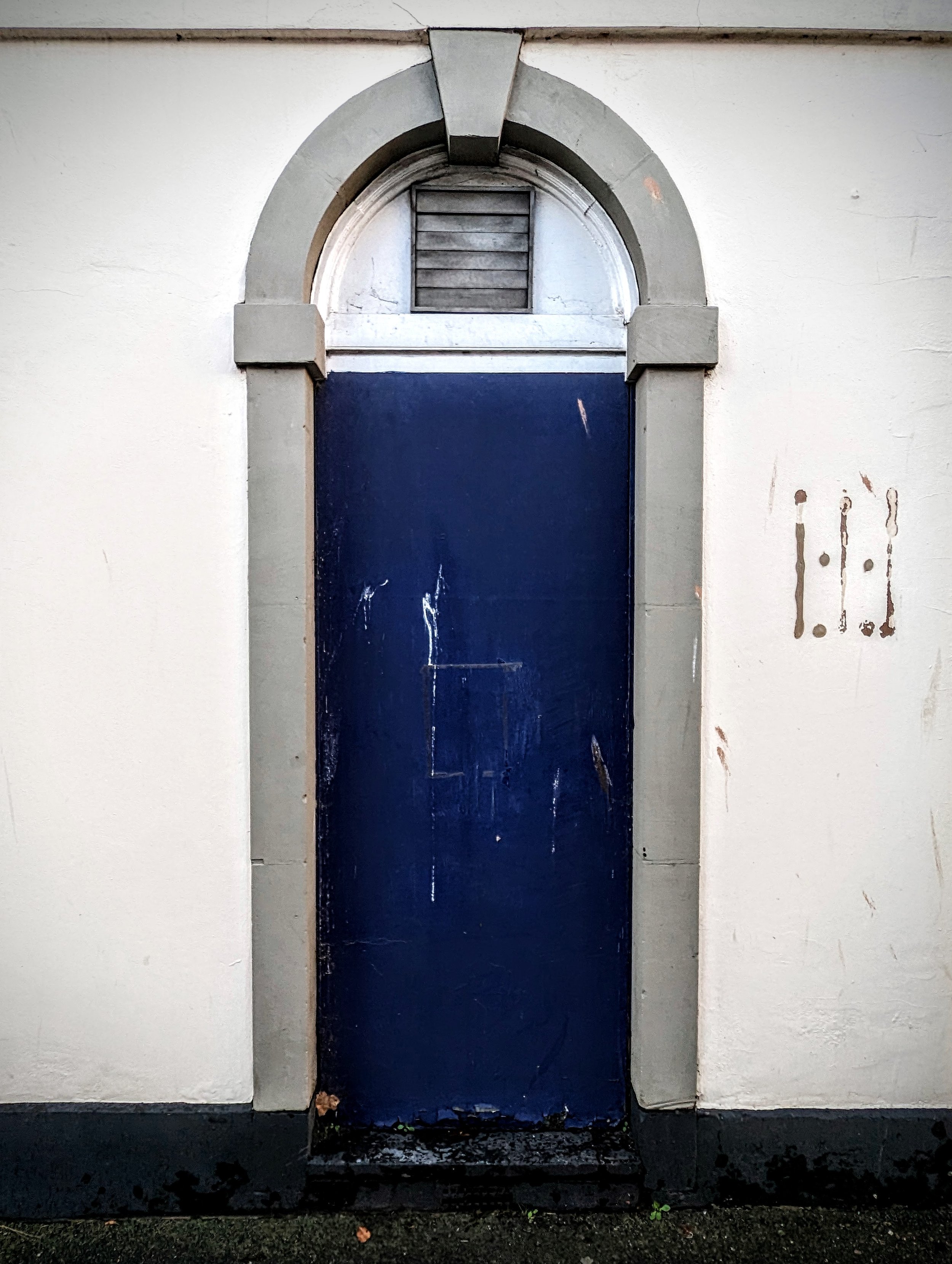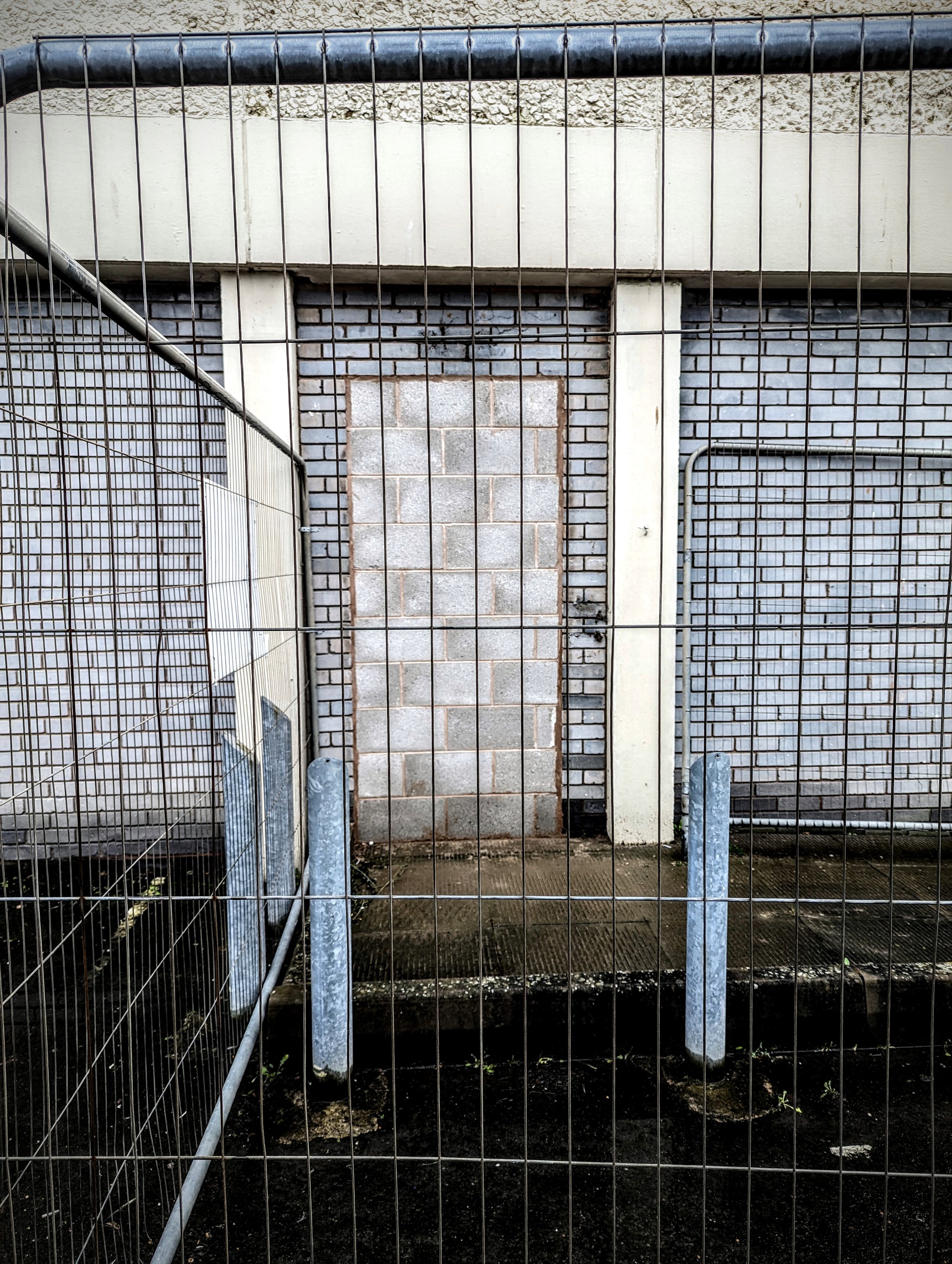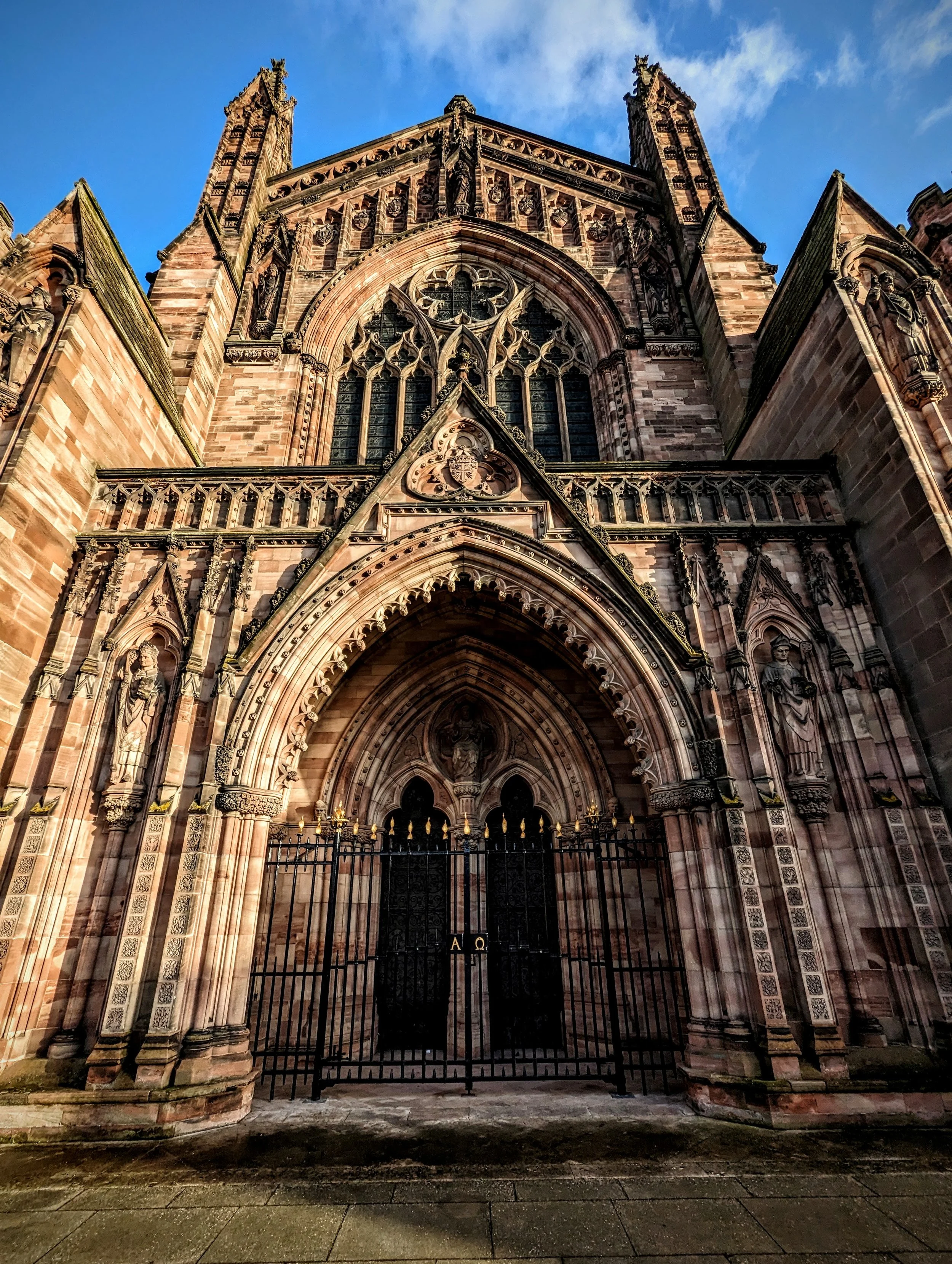
Investigation into the Unused Doors of Hereford Cathedral and Environs
Hereford is the county town of Herefordshire, which should come as no surprise. It is a river city straddling the Wye, and its skyline is dominated by the spires and steeples of the majestic cathedral at its heart. Called the gateway to the Welsh marches It was often the focal point of the conflict between the ancient Britons and the Anglo-Saxon invaders. Putta is credited with being the first Bishop of Hereford around 680AD and by the 8th century it had become the capital of the Saxon kingdom of Mercia. Nearby the city is where King Offa established his western frontier with the creation of the massive earthwork known as Offa’s Dyke. In later years it became the seat of the Earl of Hereford and once boasted a castle reputedly rivalling Windsor in size and scale. But we would not know, as nothing remains of it. Unlike other royal strongholds during the English Civil War it neither saw significant damage during nor was slighted after the conflict was ended. Rather it simply was allowed to decay while the locals carried off the stones to use in other buildings until it was finally dismantled in the 18th century with nothing remaining but a small monument on Castle Green. A sad end to what must have been a structure of some majesty.
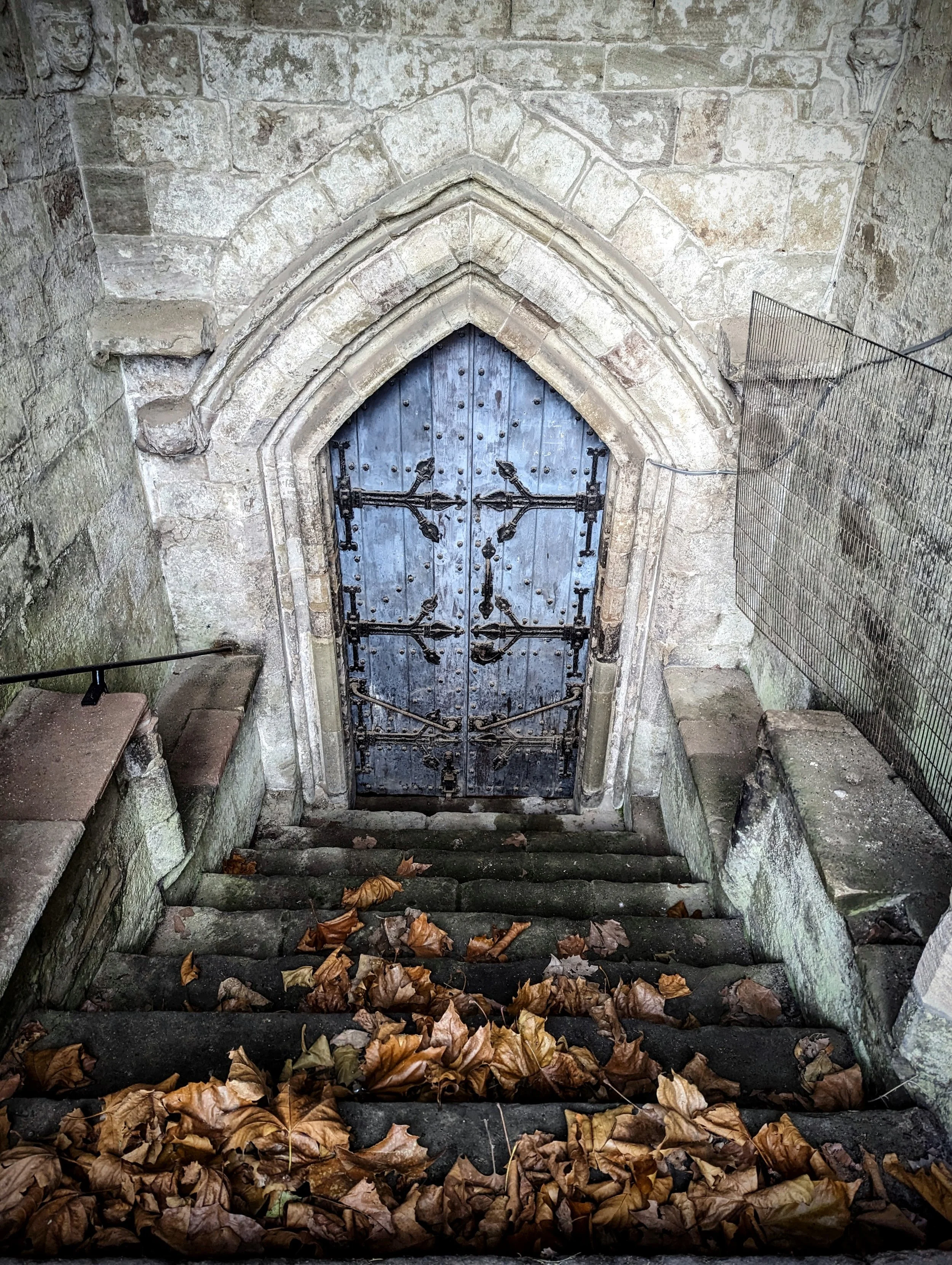
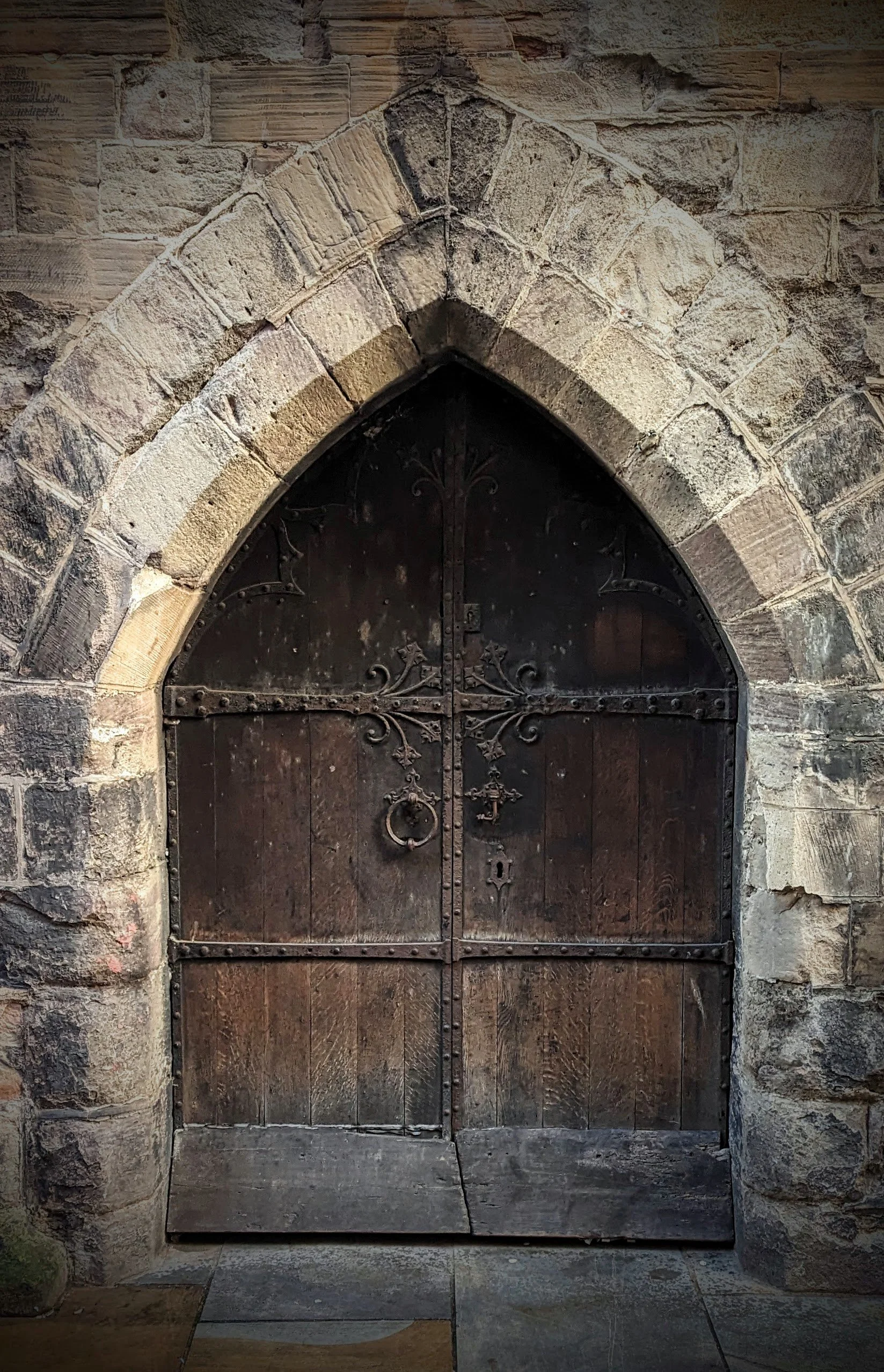
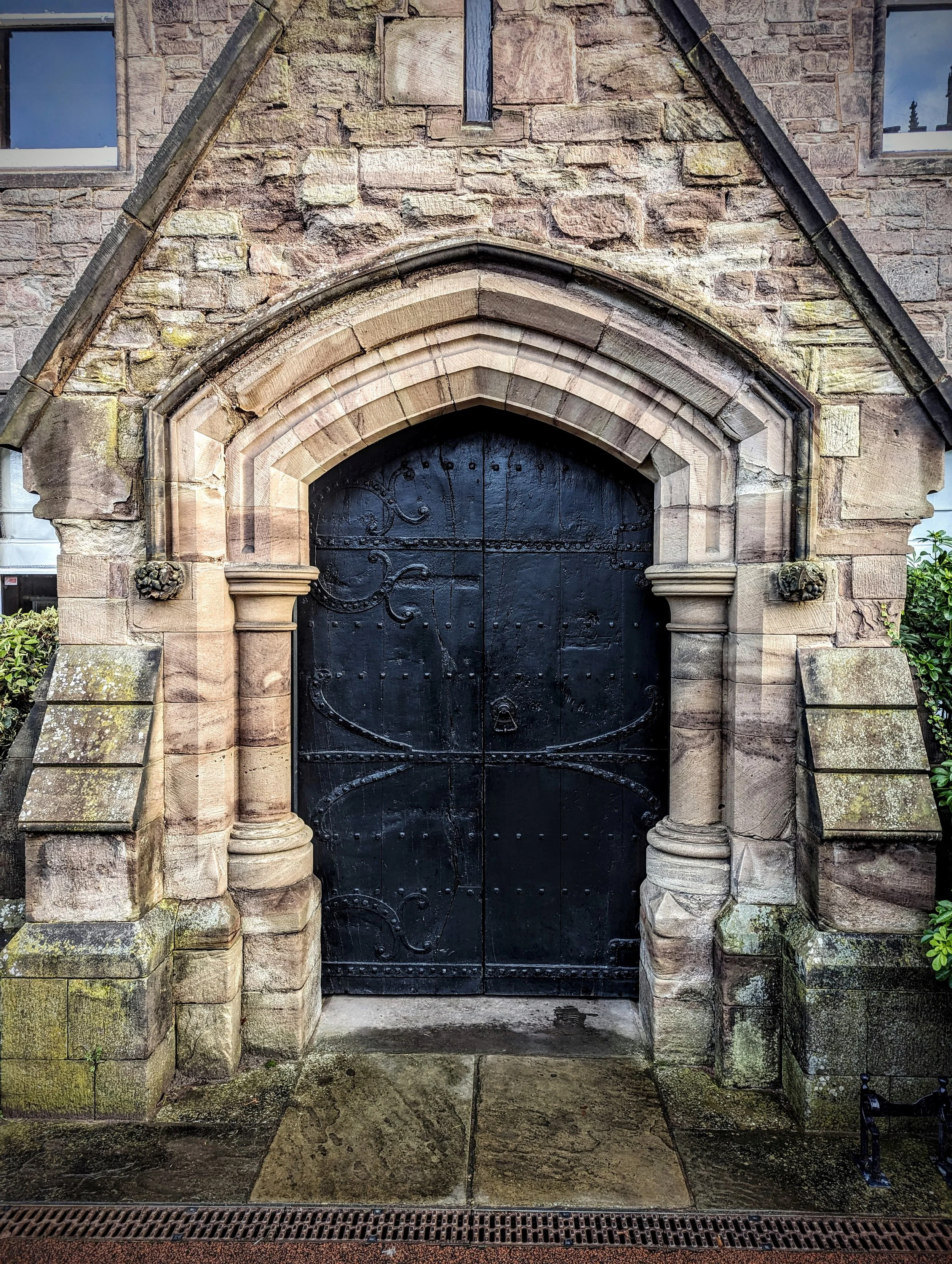
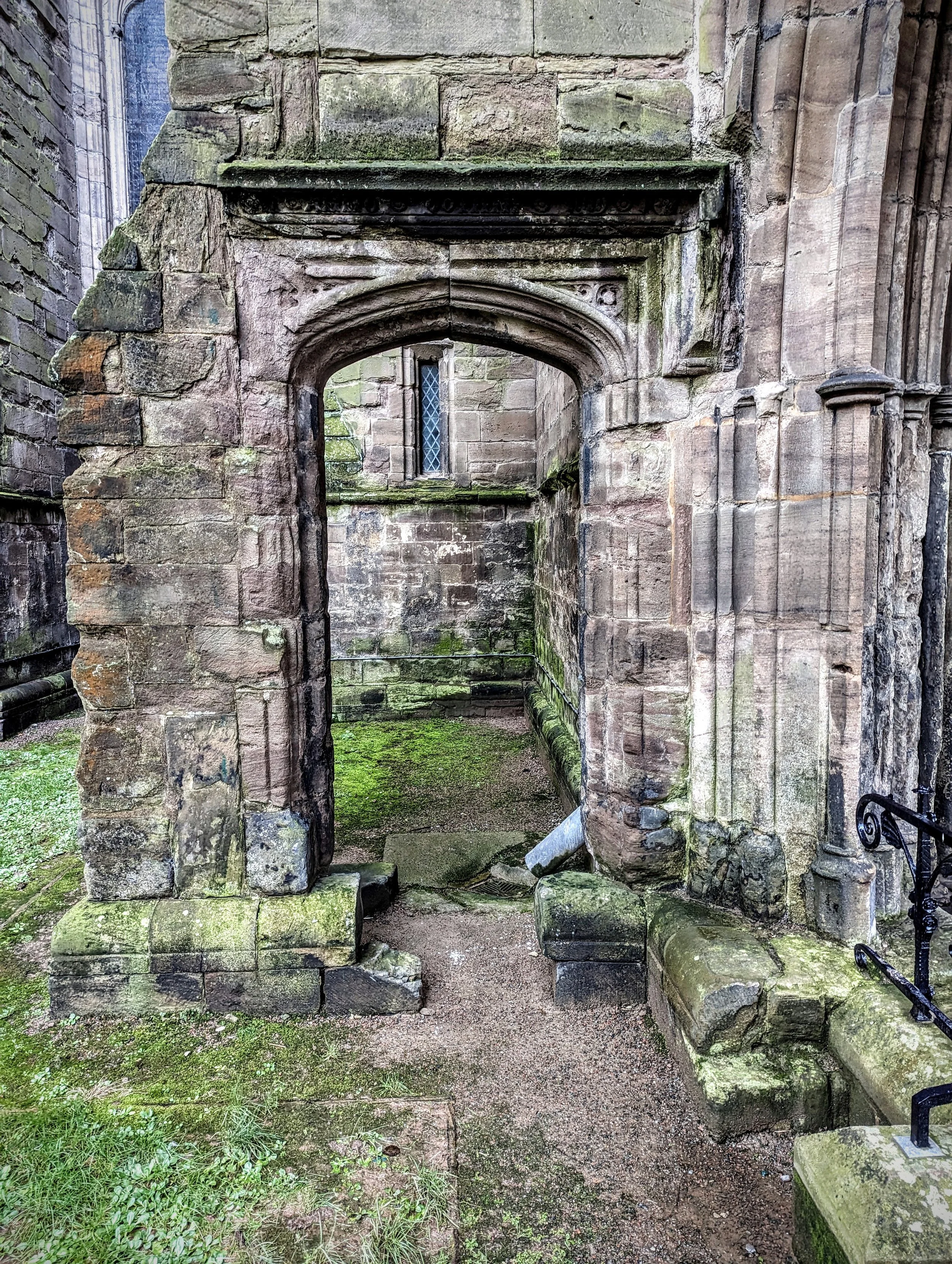
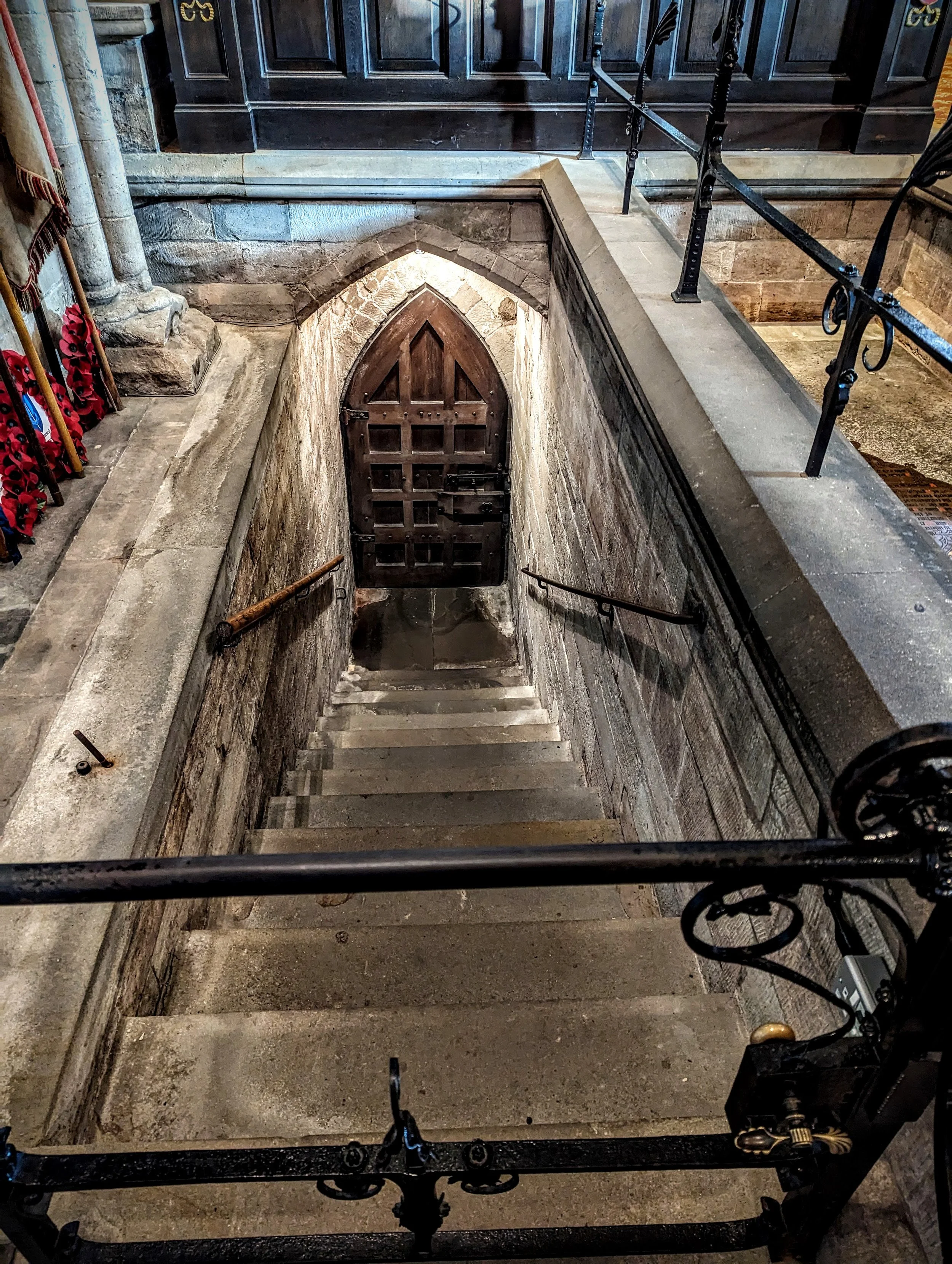
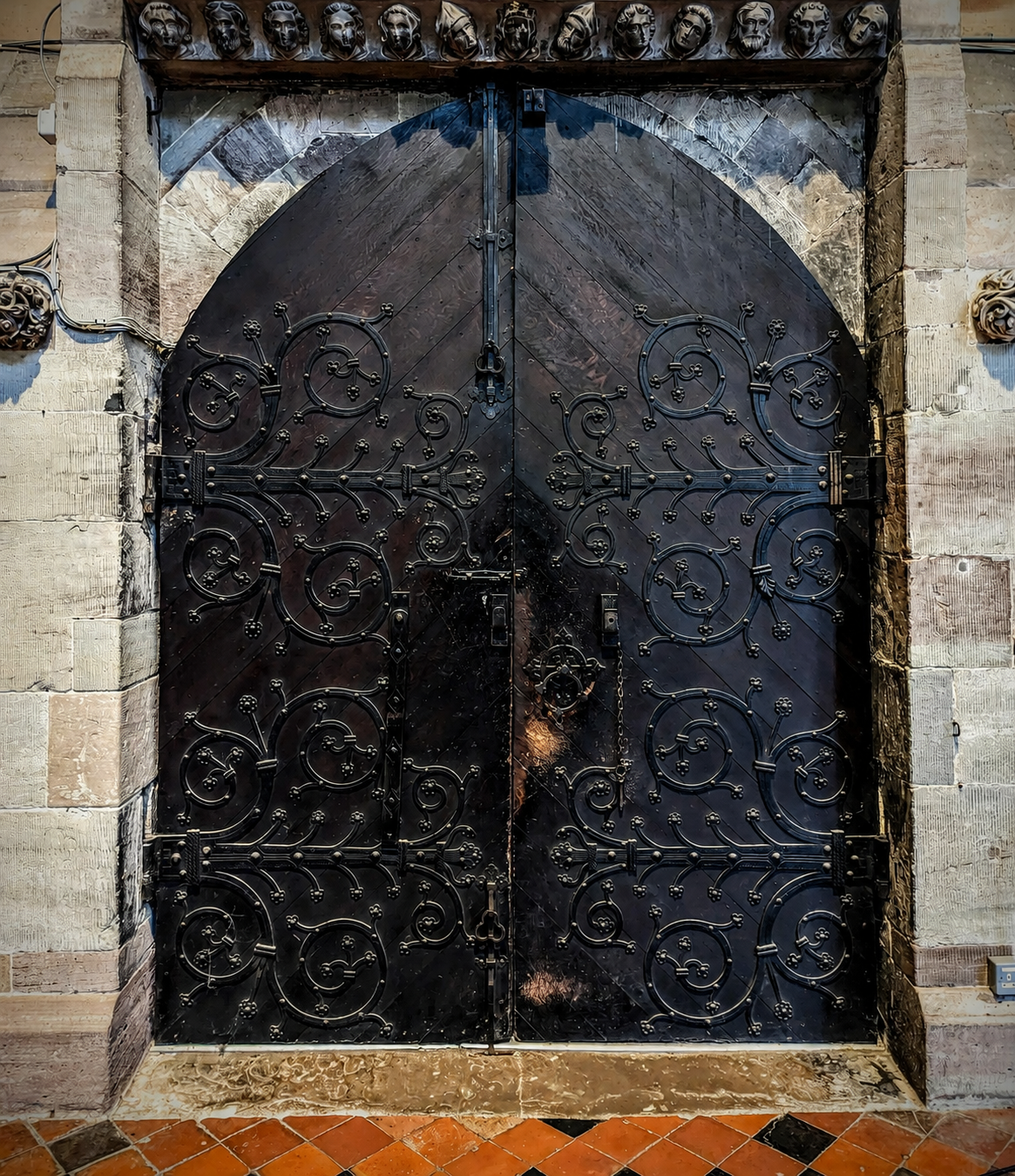
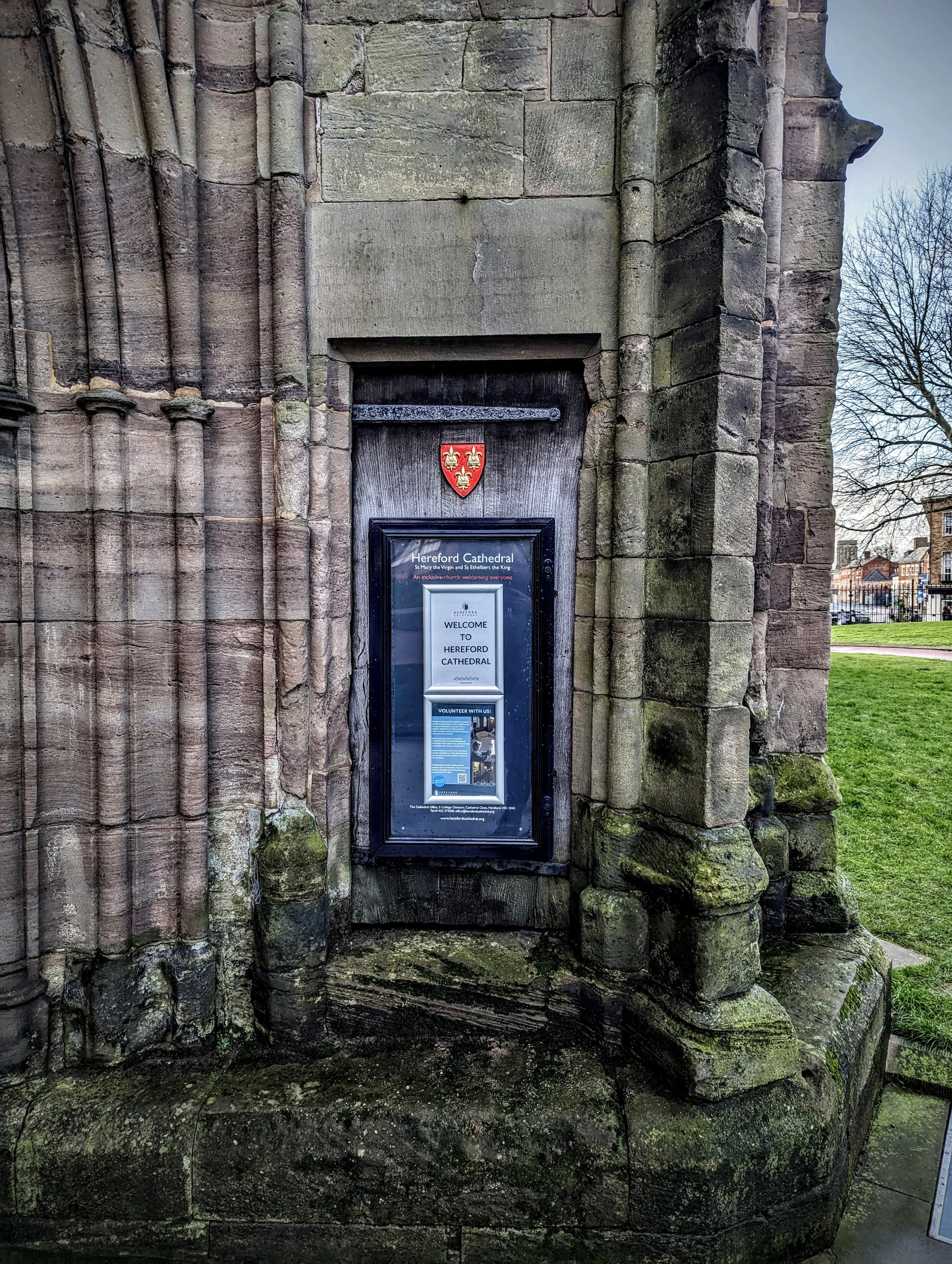
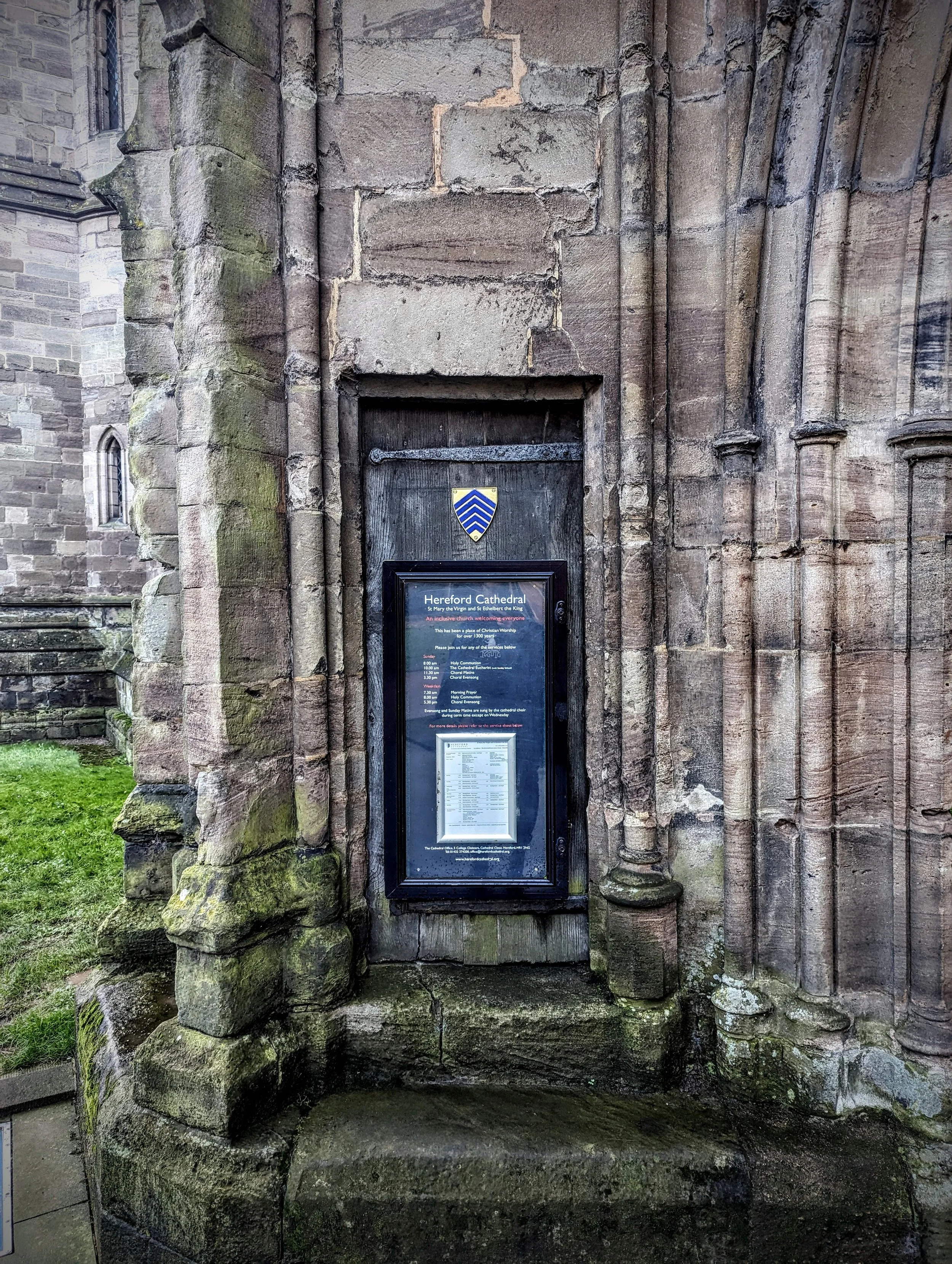
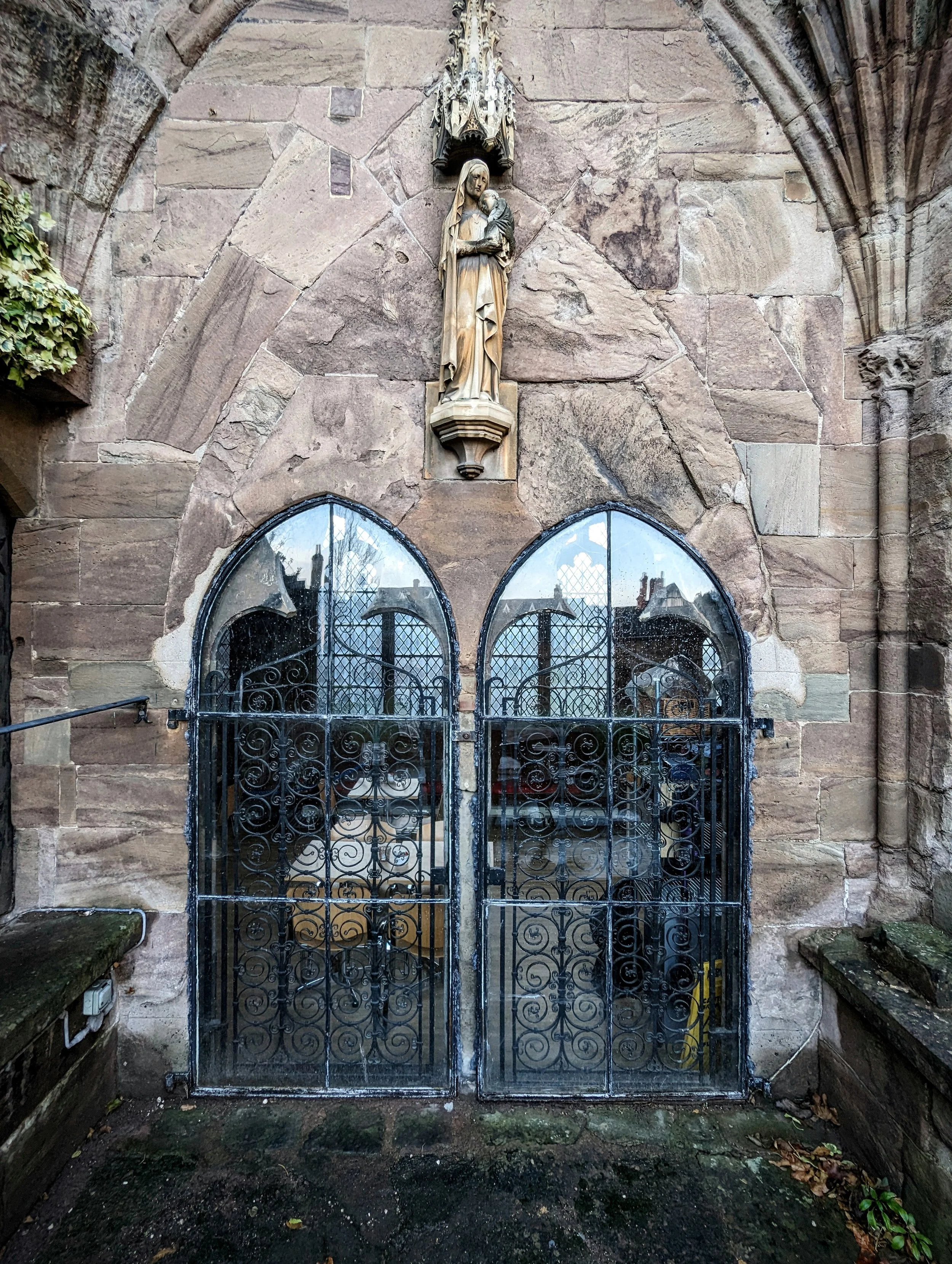
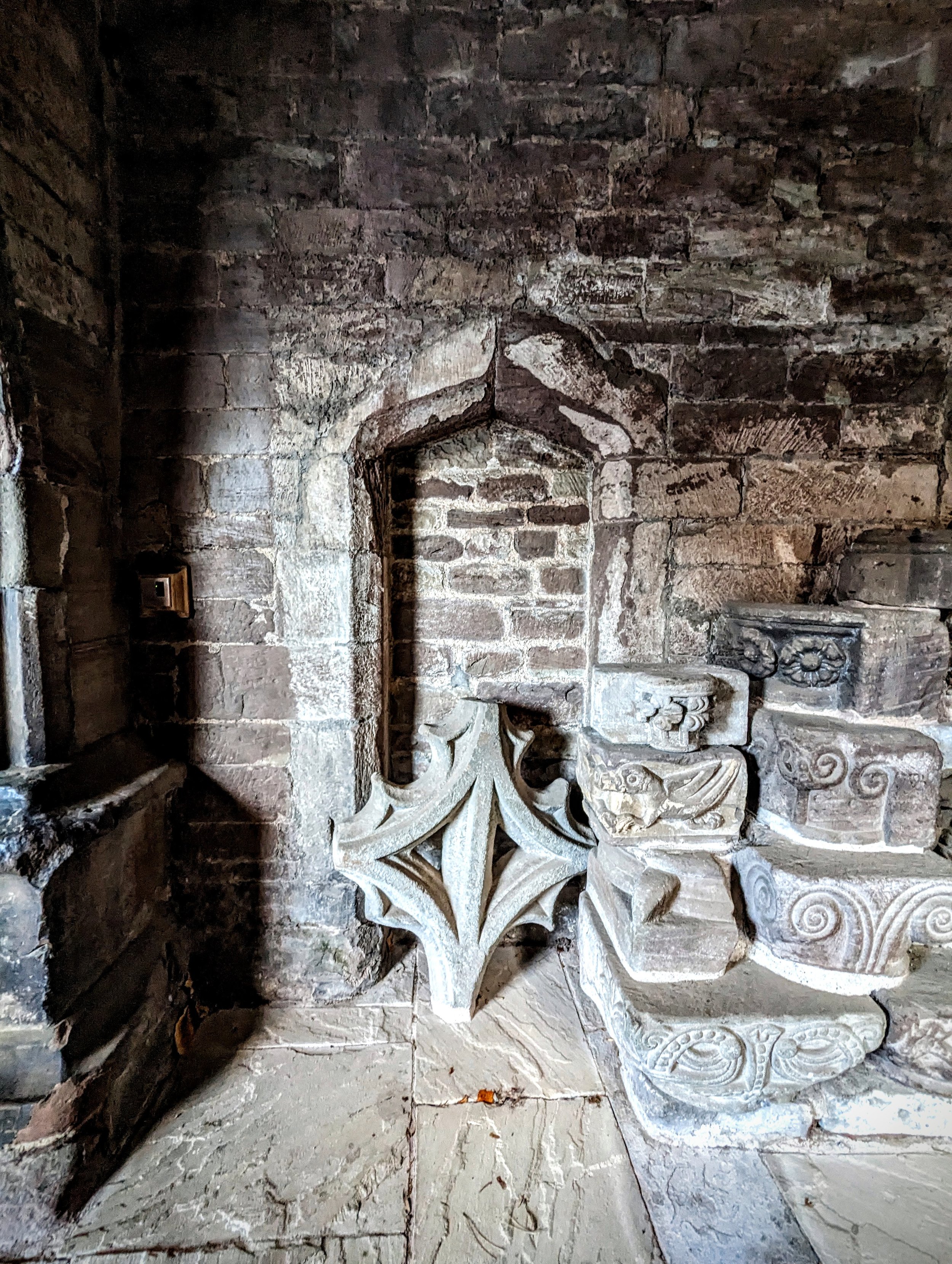
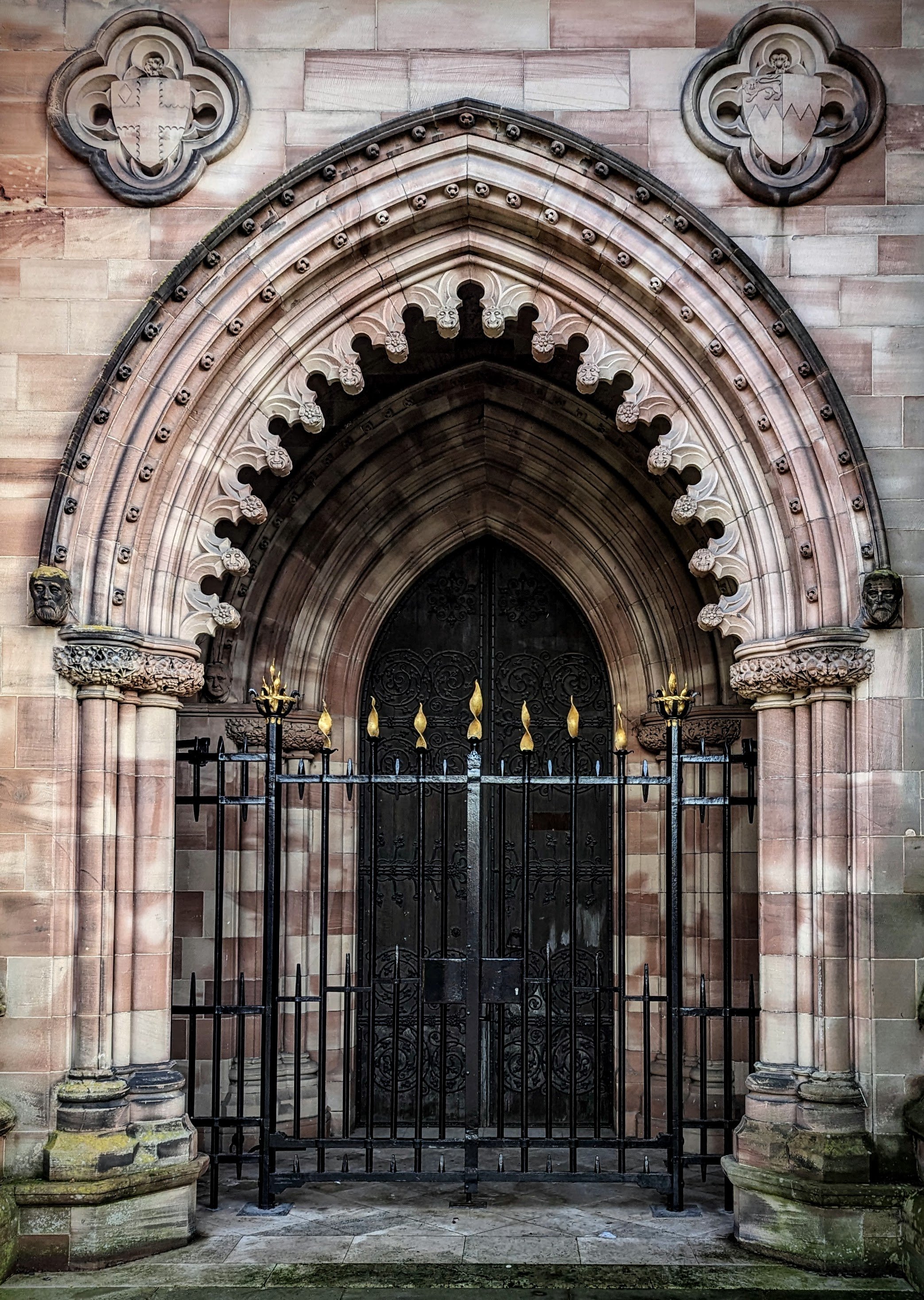
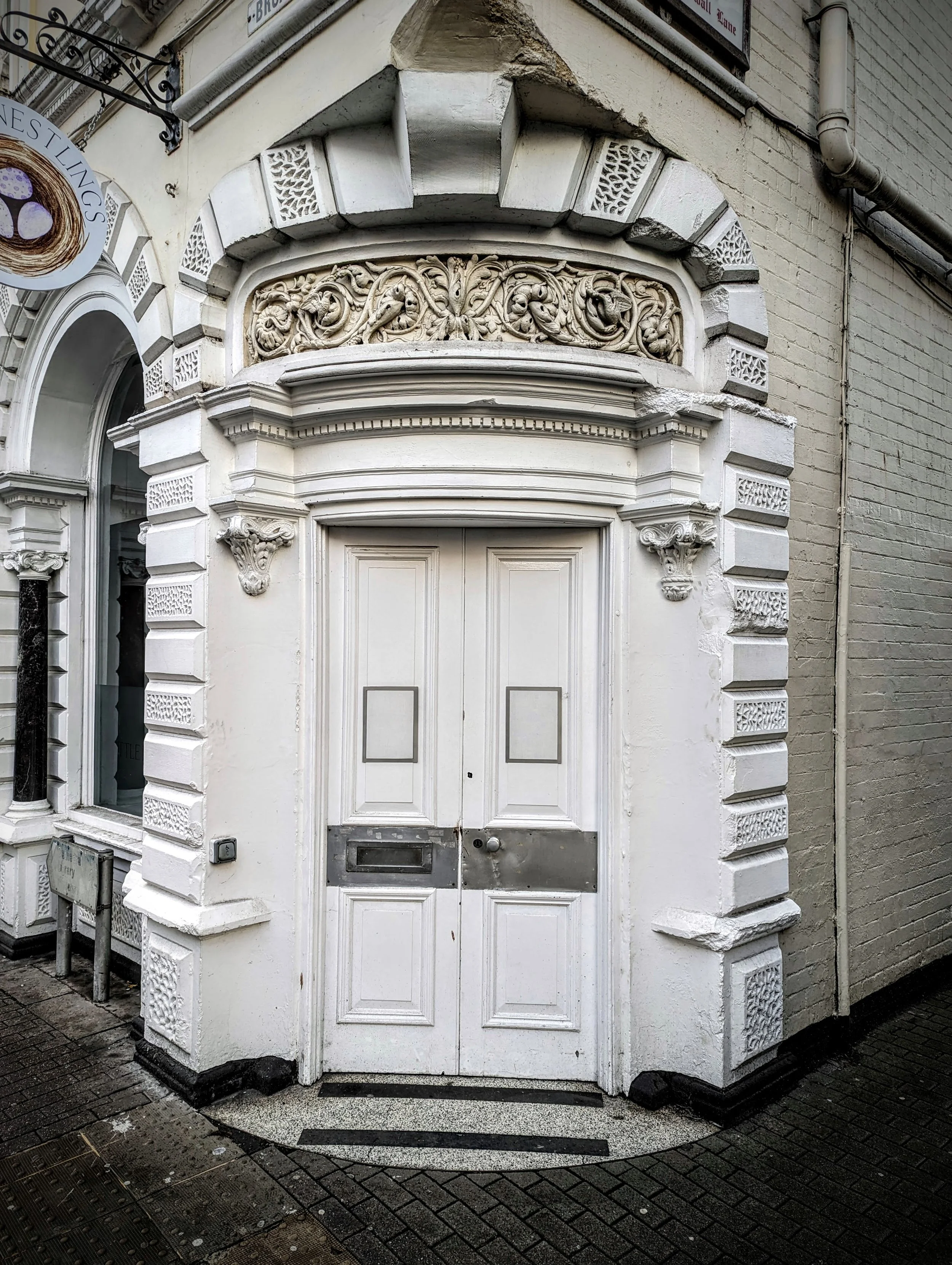
Fortunately Hereford Cathedral did not share its fate. Construction began in the 12th century but as is the nature of such buildings much has been added and altered in the intervening times. The architecture is a mixture of Gothic and Norman Romanesque and within its walls are housed the ‘Mappa Mundi’, the largest surviving medieval map of the known (at the time) world, a copy of the Magna Carta and the only remaining ‘King’s Writ’, the letter King John sent out with the Magna Carta, and also the Chained Library containing some 1200 ancient tomes and 225 illuminated manuscripts all chained to the original wooden presses. But enough of all of that, here are some of its doors.