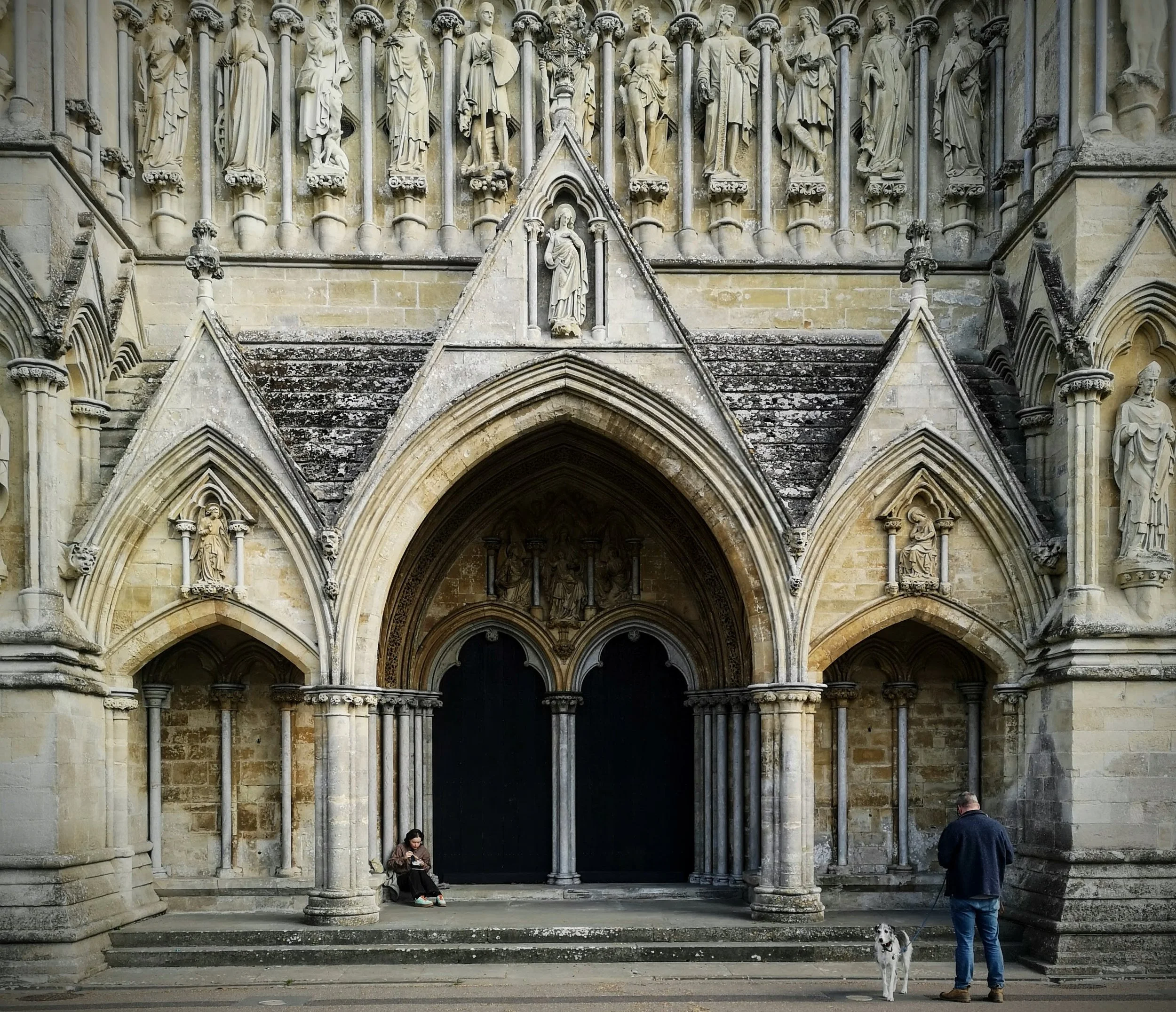
Doors that aren’t used anymore
A photo-essay of doors not used anymore that chart the changing form and function of buildings over time. The doors hold the stories the buildings have stopped telling.
The Doors
-

The Story Behind the Doors
Why take pictures of doors that aren’t used anymore? I cannot give you a straight answer, so instead read a rather rambling account where I admit to be a frustrated urbexer and discuss the symbolism of doors and how they are signifiers of both decay and evolution.
-

The Unused Doors of Chipping Camden
Chipping-Camden sits below Dover’s Hill, named for Robert Dover inventor of the Cotswolds Olympick games, older than the modern games. The honey-coloured village is also home to many unused doors.
-

The Unused Doors of Léoville-Barton, Saint-Émilion and Bordeaux
Unused doors of St Julien Deuxièmes Grands Crus Classés Château Léoville Barton and features doors blocked when they converted their stable block to a modern winery, then a few from Saint-Émilion and any others I happened upon.
-
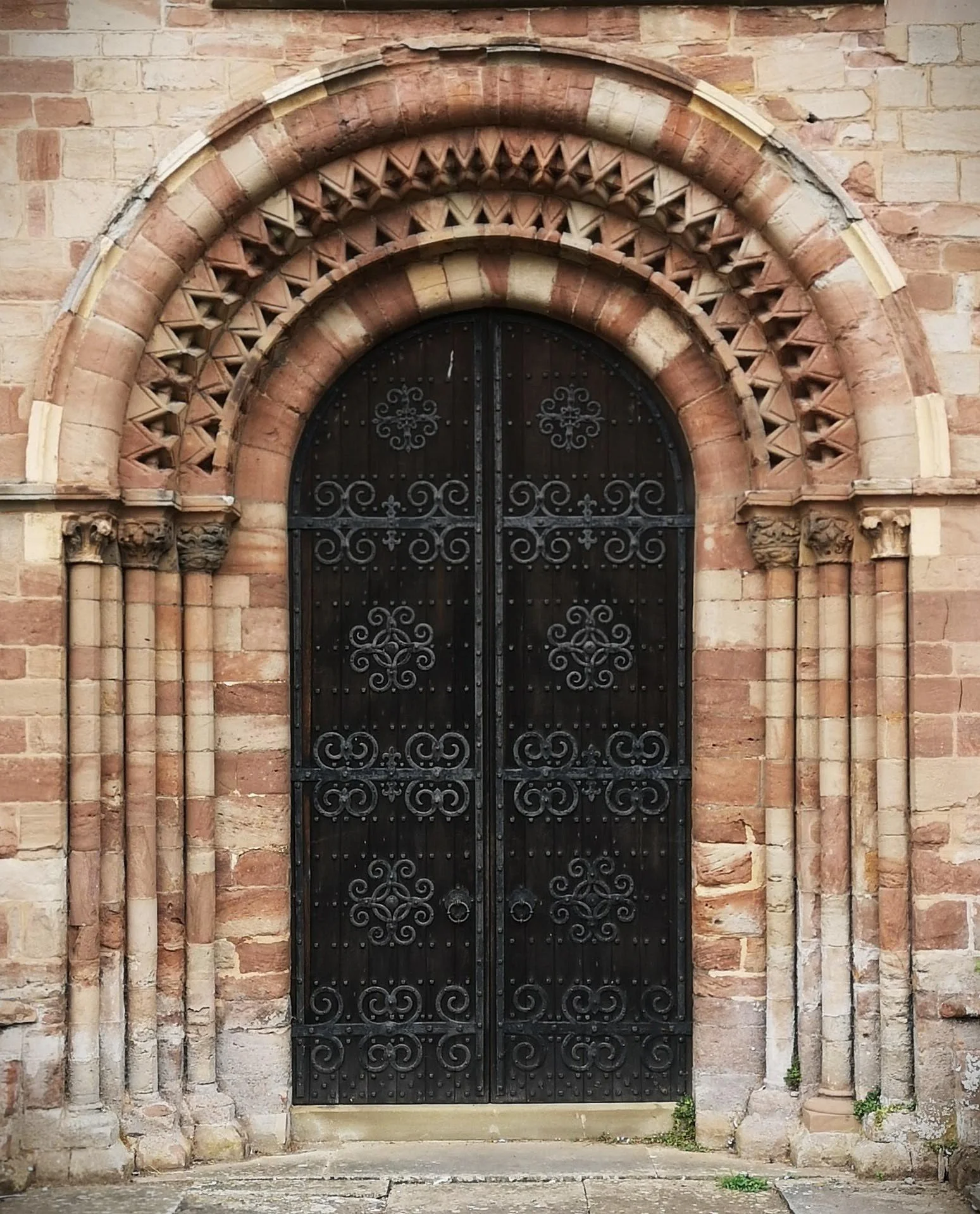
The Unused Doors of Ledbury
Ledbury is an old market town in Hertfordshire that was recorded i n Doomesday Book and featured some impressive Tudor timber-framed buildings including its stunning Market Hall in the middle of its high street.
-

The Unused Doors of Malmesbury
Malmesbury was the seat of King Æthelstan, grandson of Alfred the Great and considered the first King of England from 927 to 939AD by modern historians after conquering the last Viking kingdom of York. Here are its doors.
-

The Unused Doors of Cheltenham
Cheltenham is called the gateway to the Cotswolds, sat on its edge in the shadow of its tallest hill, with elegant townhouses hewn from beautiful Cotswold stone and plenty of unused doors.
-
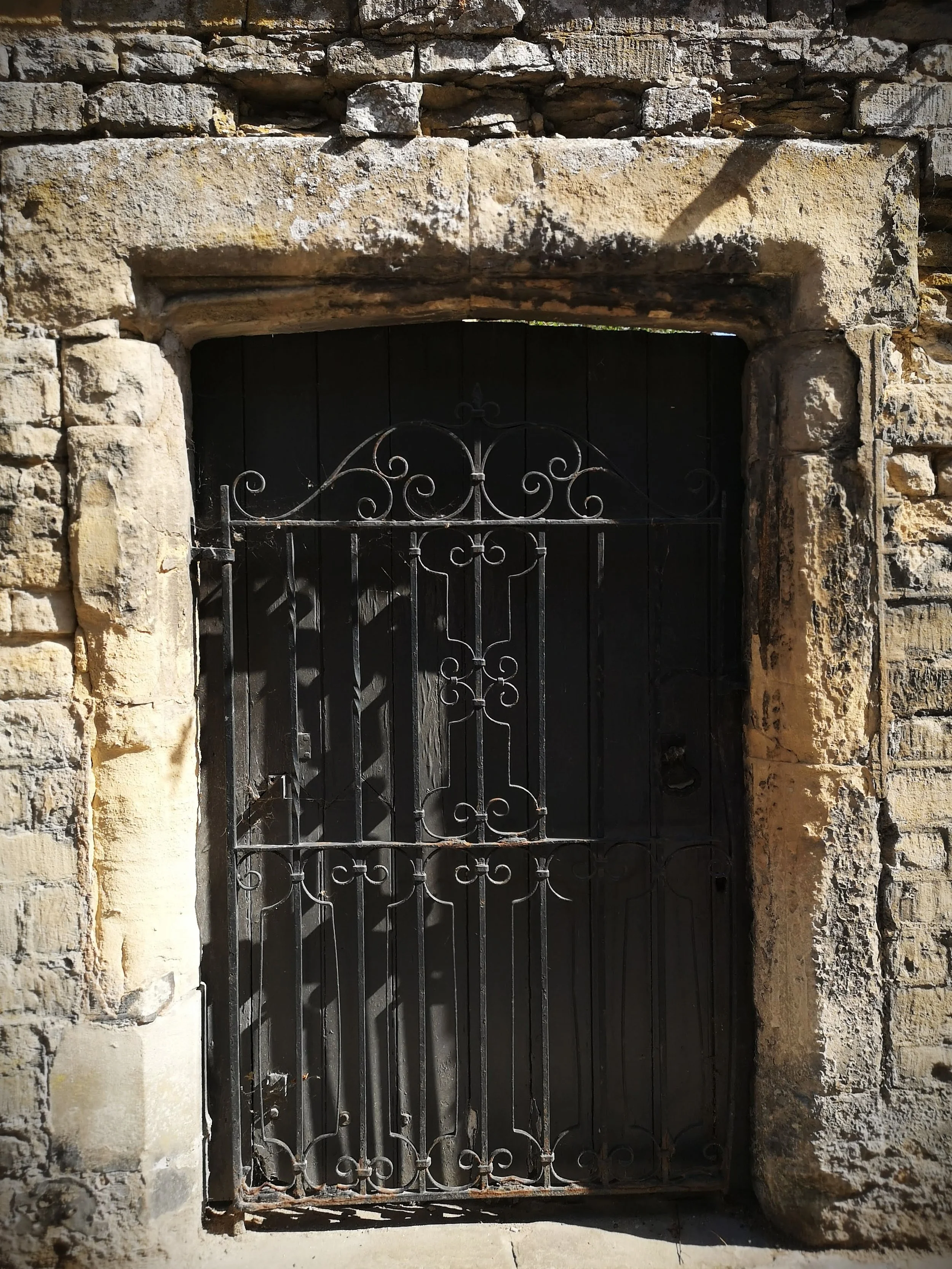
The Unused Doors of Cirencester
Cirencester is an old town. It was first mentioned by Ptolemy in 150 AD, known by its Roman name Corinium. Before that is was likely a Celtic settlement called Cerin and home to the Dobunni tribe of Celts.
-

The Unused Doors of St Mary's Church, Deerhurst
St. Mary’s Church in Deerhurst, Gloucestershire has a long and fascinating history. It is one of the most complete churches to survive the Norman conquest.
-
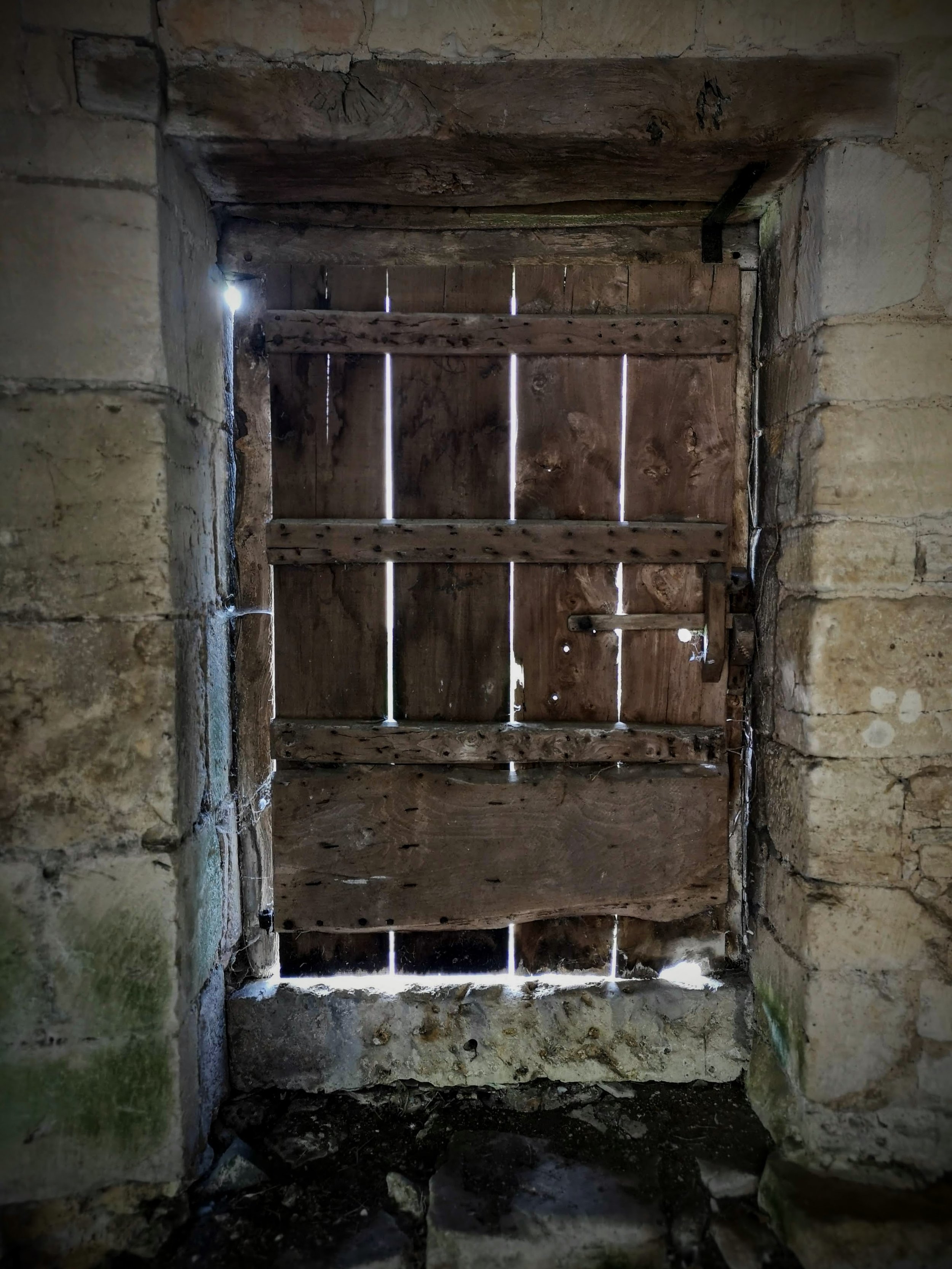
The Unused Doors of Bredon and Kimmerton
Bredon and Kemerton lie in the shadow of Bredon Hill, an outlier of the Cotswolds escarpment. There is a fantastic barn built in 1350 during the Black Death.
-

The Unused Doors of Salisbury
Salisbury was officially called New Sarum until 2009. Old Sarum is the old hilltop fort that dominates the city’s northern approach. That older settlement was once home to the cathedral before its relocation to the meadow below.
-
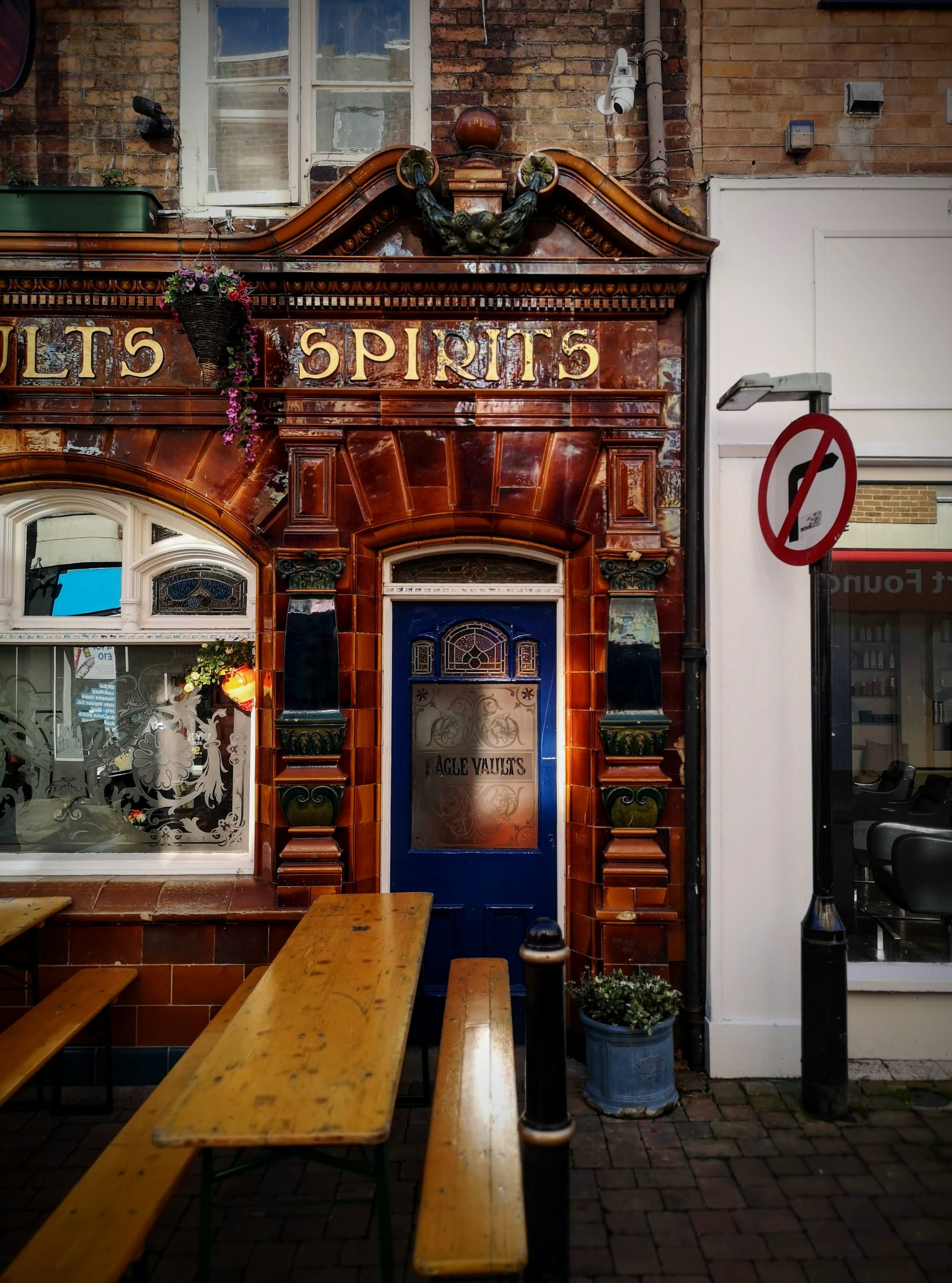
The Unused Doors of Worcester
Worcester is a proud Cathedral City straddling the Severn and was the site of the final battle of the English Civil war. It is also home to Lea and Perrins, maker of the world-famous Worcestershire Sauce
-
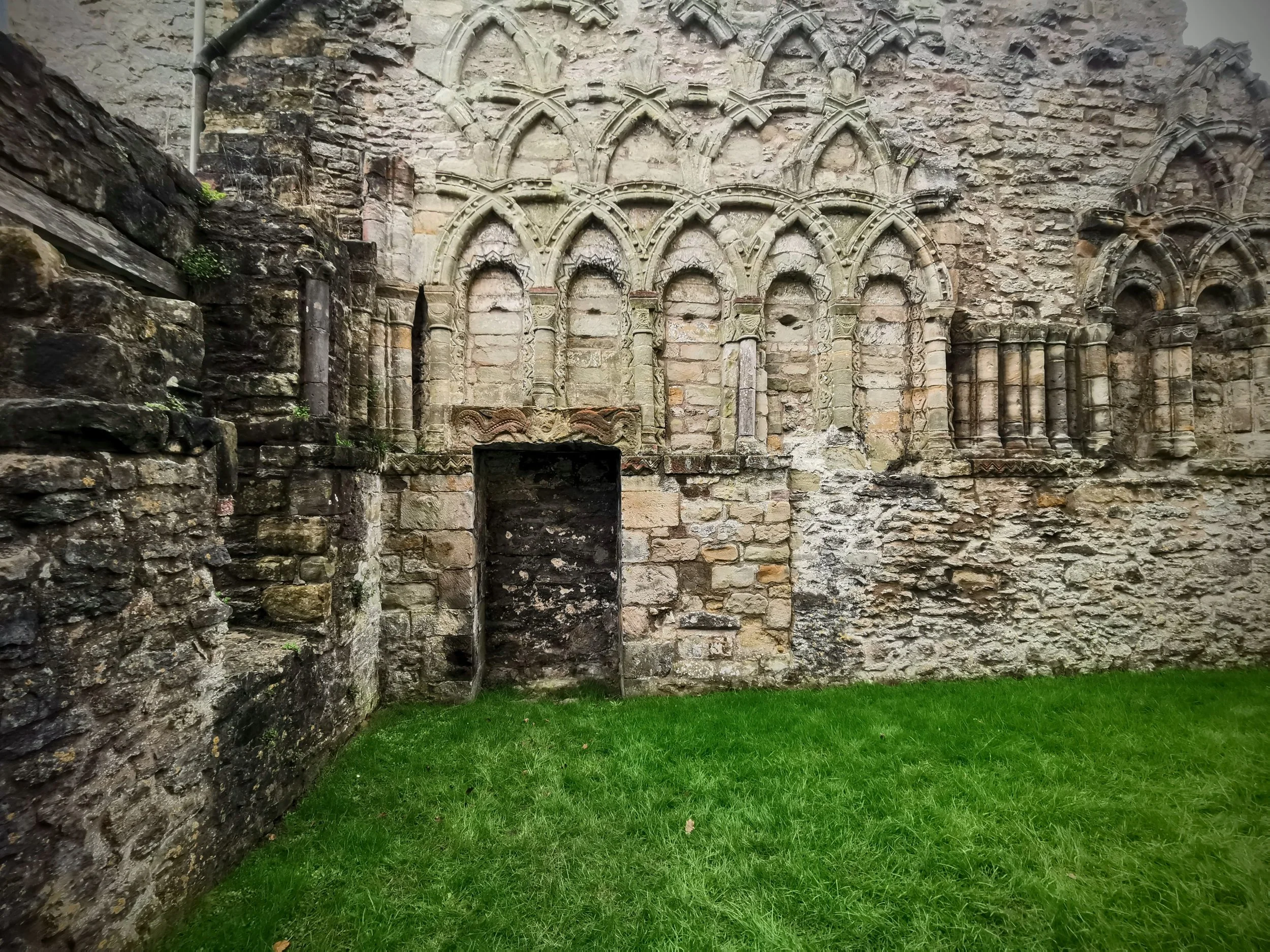
The Unused Doors of Much Wenlock
Much Wenlock was the home of Abbess Milburga, said to be capable of healing the sick and commanding the birds. The town is famous for the ruins of the St Milburga Priory but is a smorgasbord of architecture and unused doors
-
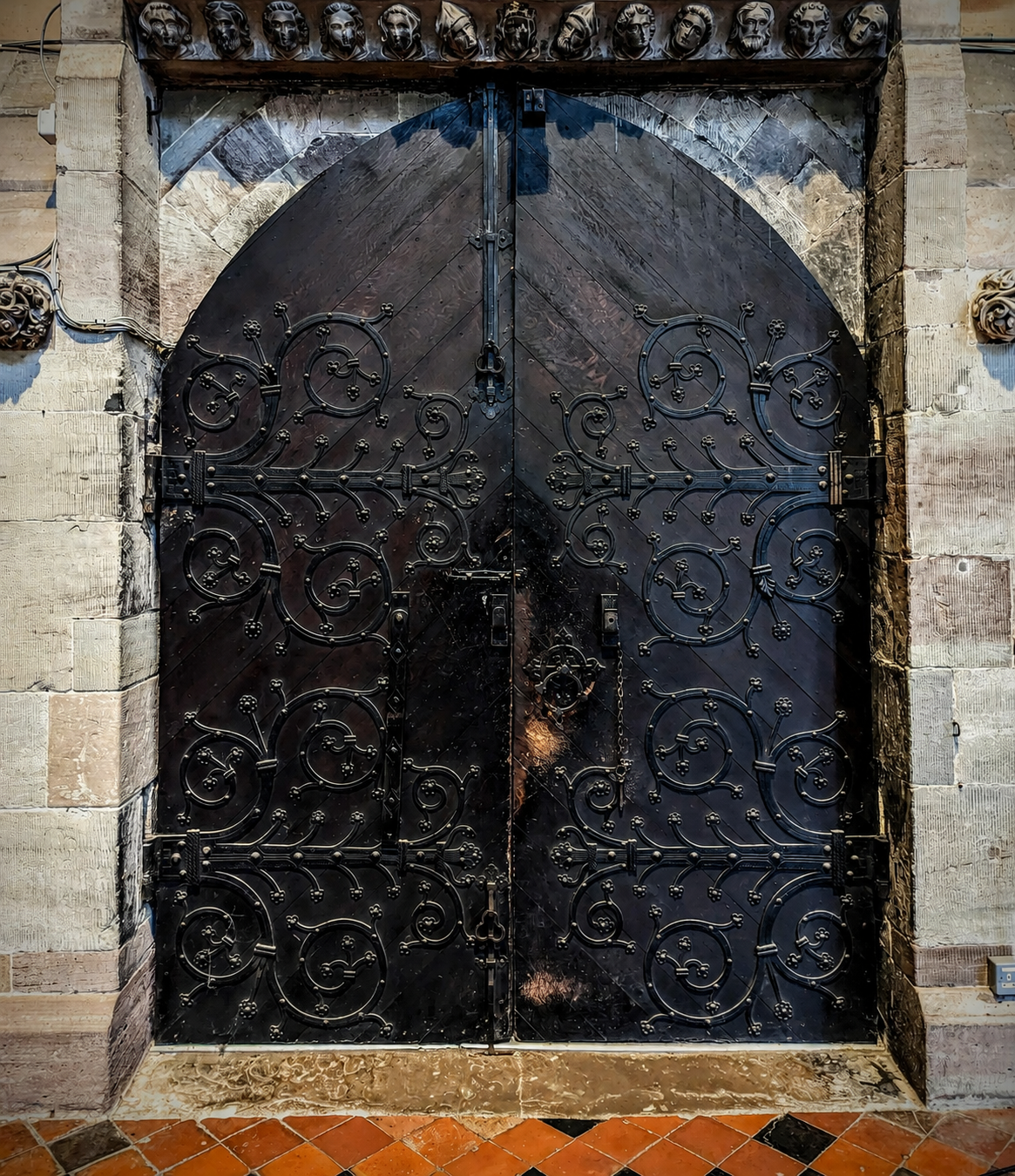
The Unused Doors of Hereford Cathedral
Hereford is a wonderful city that straddles the river Wye and is called the gateway to the Welsh Marches. Once the capital of the Saxon kingdom of Mercia, its skyline is dominated by the spires of its magnificent Cathedral
-
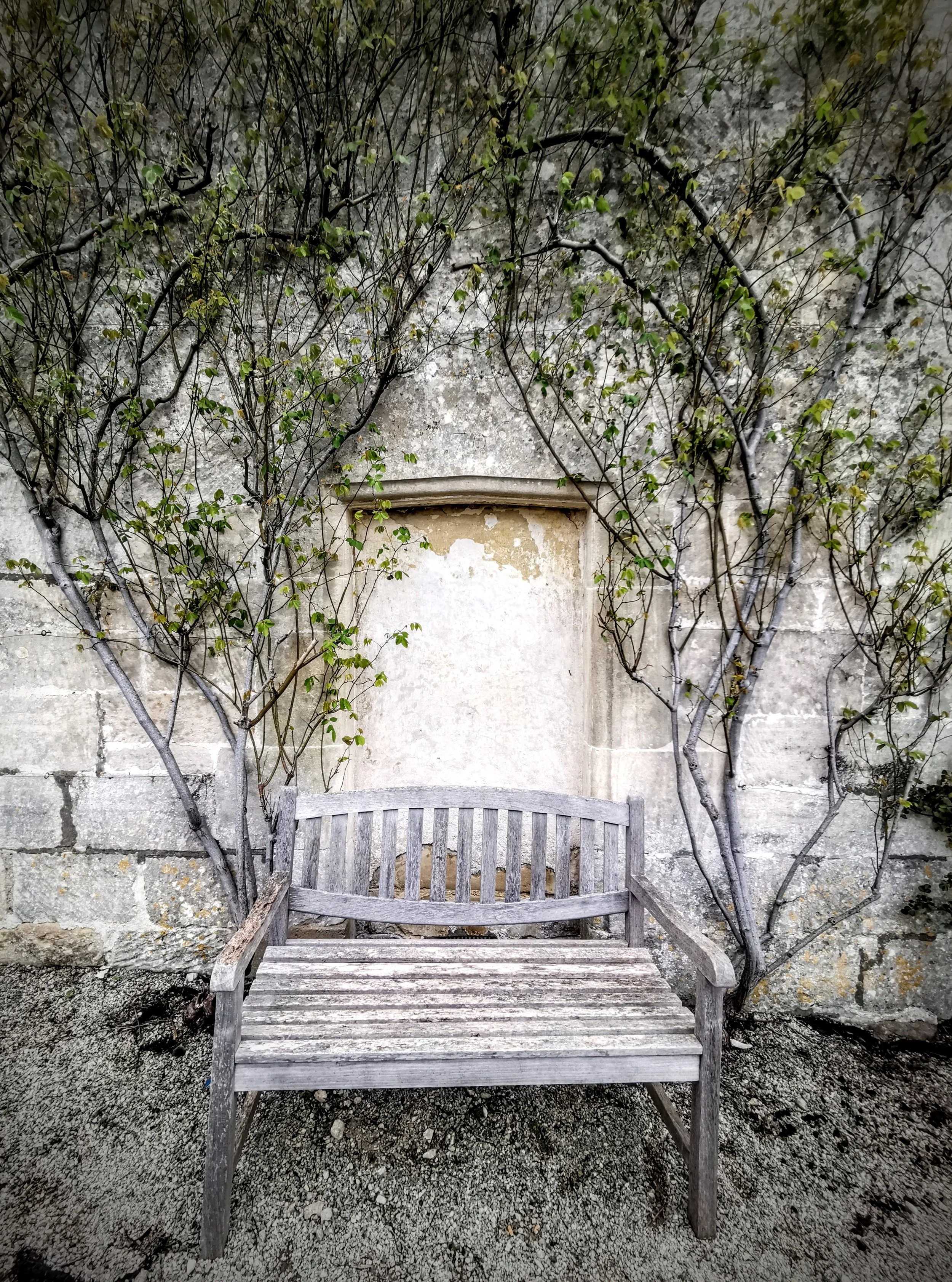
The Unused Doors of Painswick
Famous for its church yard and its 99 ancient yew trees Painswick is know as the ‘Queen of the Cotswolds’ and it a popular destination for walkers as it straddles the Cotswold Way. Its architecture is striking full of wonderful old buildings in that signature Cotswold Stone.
-
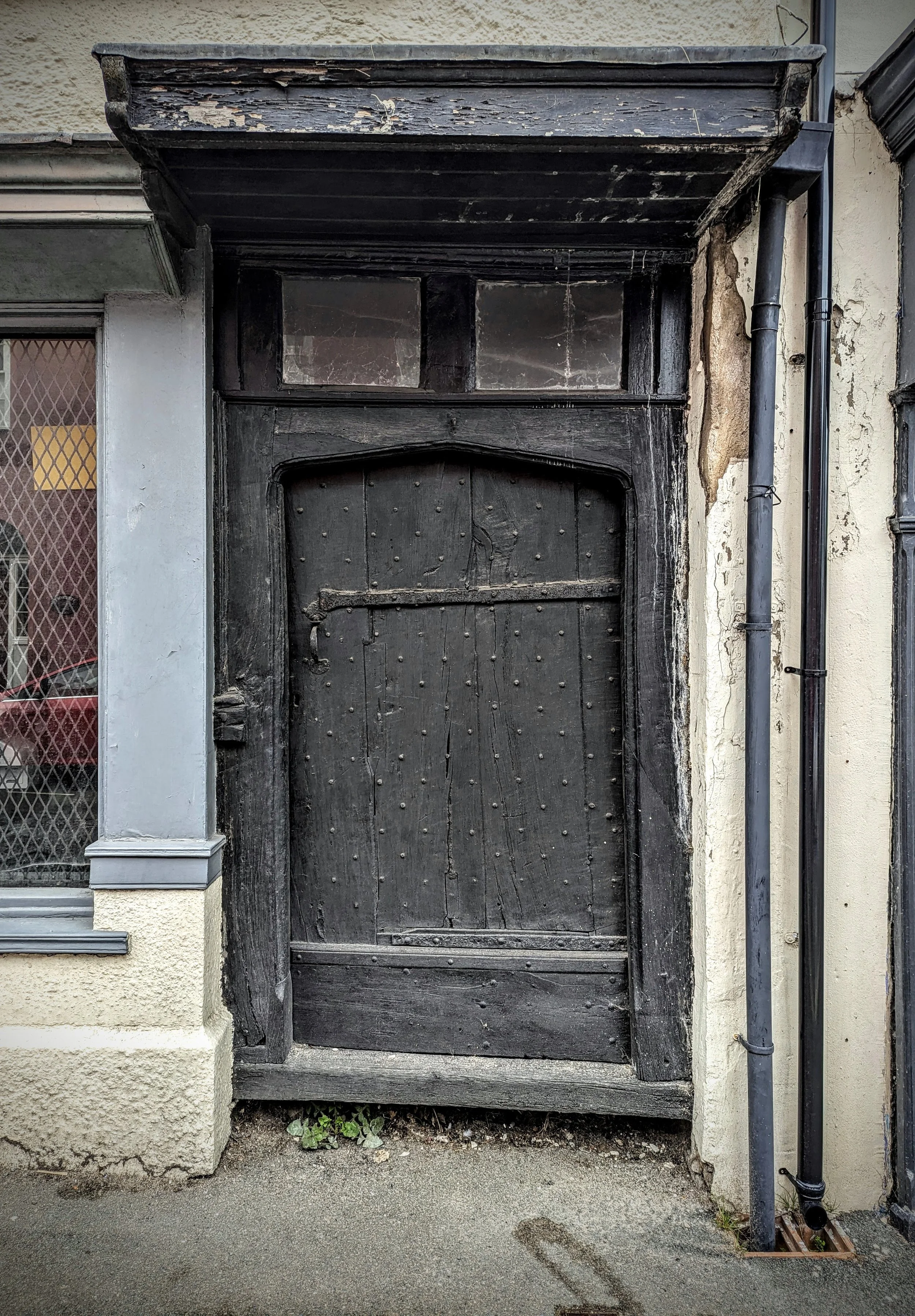
The Unused Doors of Wotten-under-Edge
The Edge of Wotten-under-Edge is the Cotswold Escarpment that casts its shadow across this quaint and fascinating little town. Largely bypassed by the Industrial Revolution, it retains a lovely mix of architecture.
-
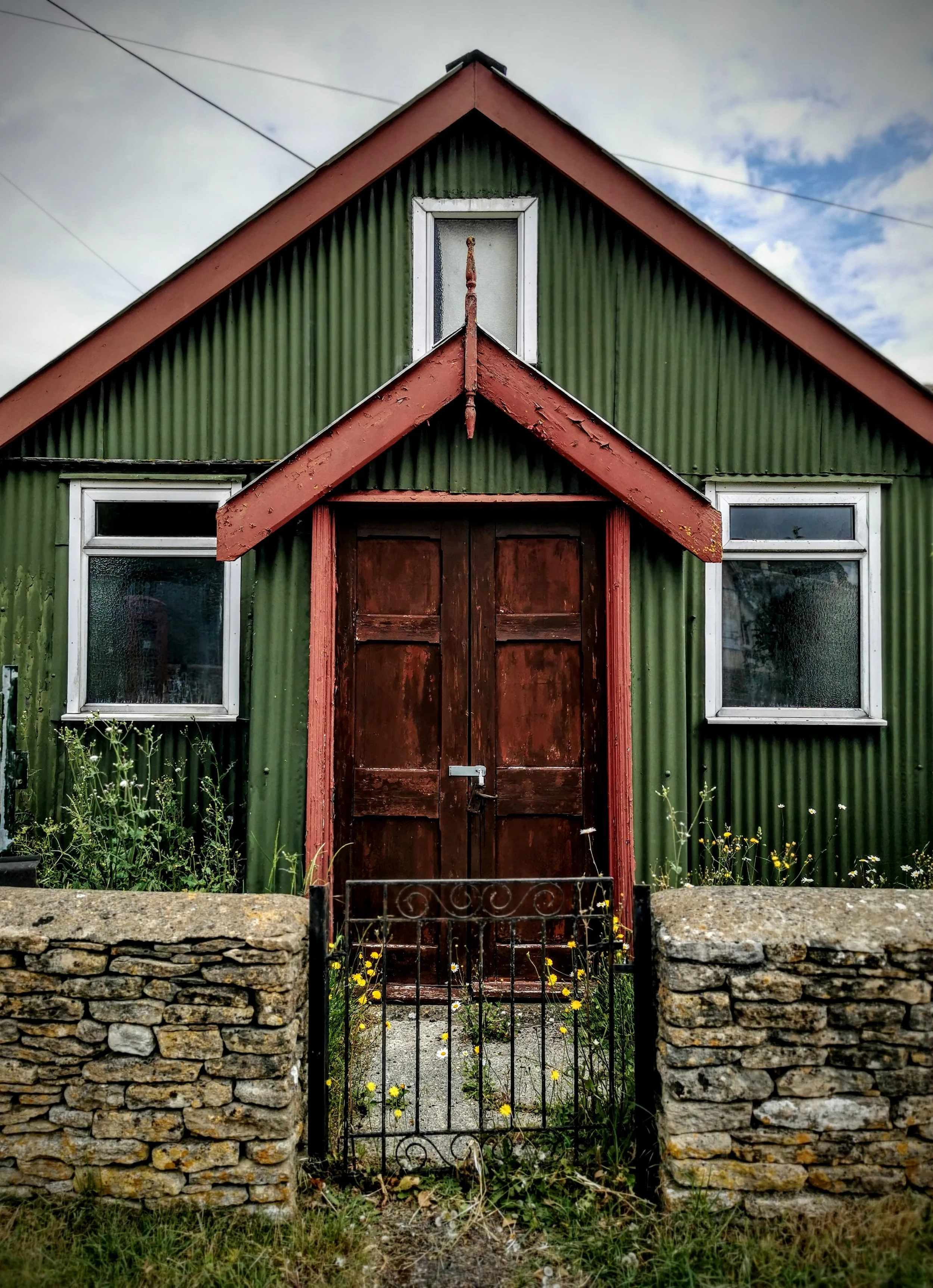
The Unused Doors of Luckington and Alderton
Luckington was made famous as the location for the classic TV series Pride and Prejudice. Alderton neighbours it, and in a valley between is the source of the River Avon that goes through Bath and Bristol
-
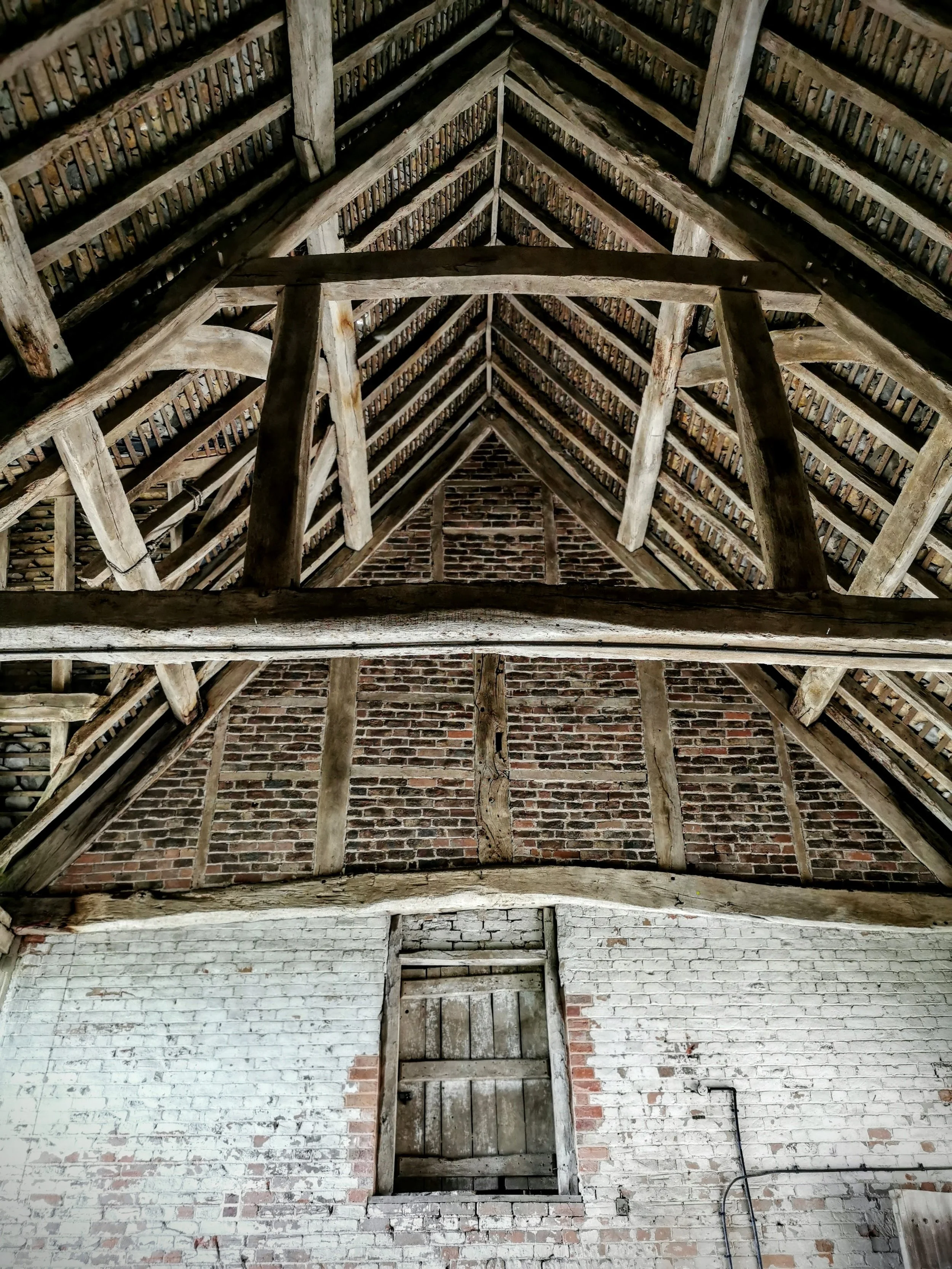
The Unused Doors of Ashleworth
Historically Ashleworth was an important crossing of the Severn as the river was at it narrowist until Tewkesbury. A ferry operated from it Quay until the 1950s. It has a beautiful old tithe barn maintained by the National Trust and well worth a visit
-
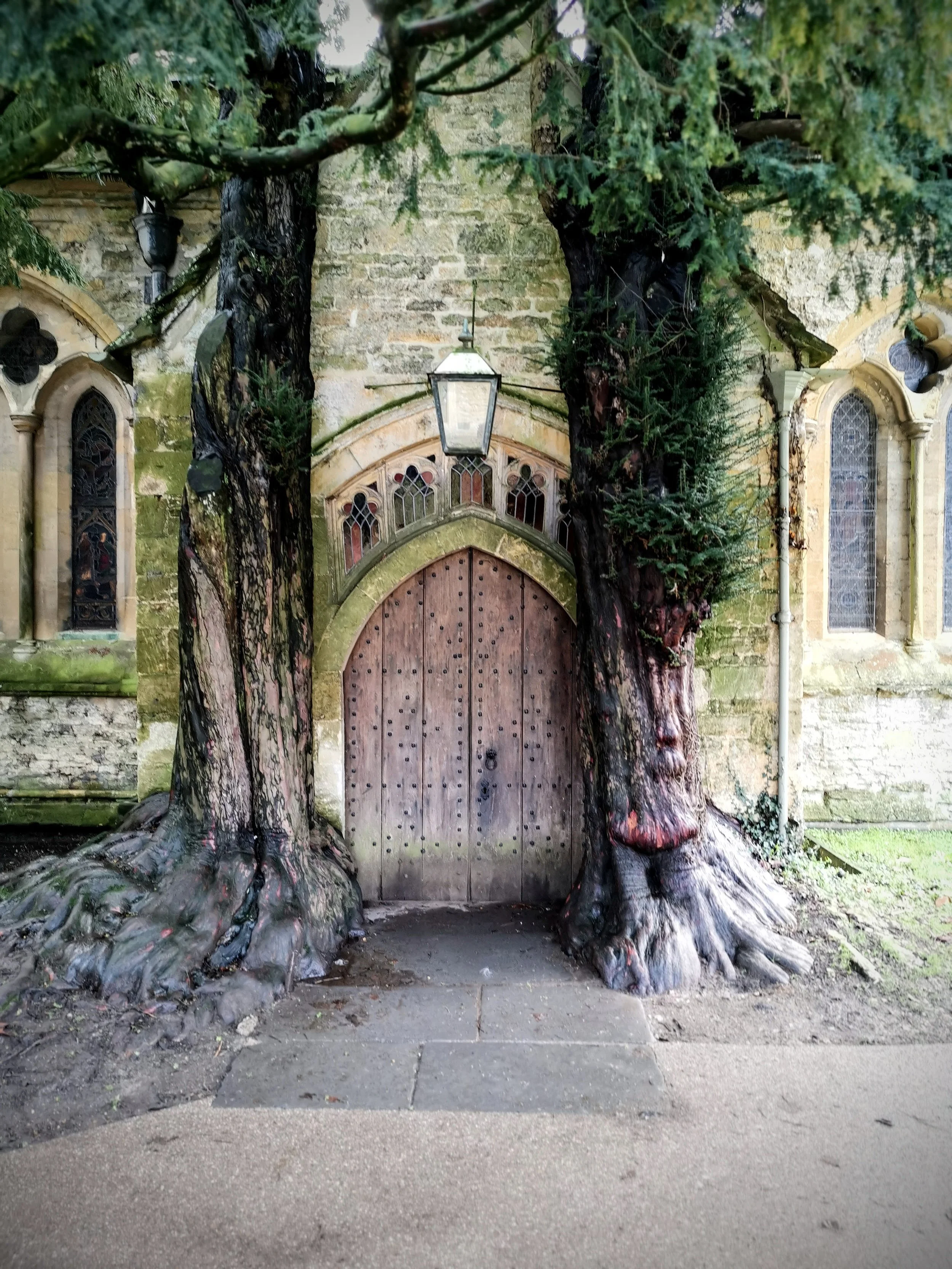
The Unused Doors of Stow-on-the-Wold
Stow-on-the-Wold remains one of the Cotswolds’ most popular destinations, so for us locals trips into the town are done with a certain trepidation. Beautiful town but pick your moment to visit.
-
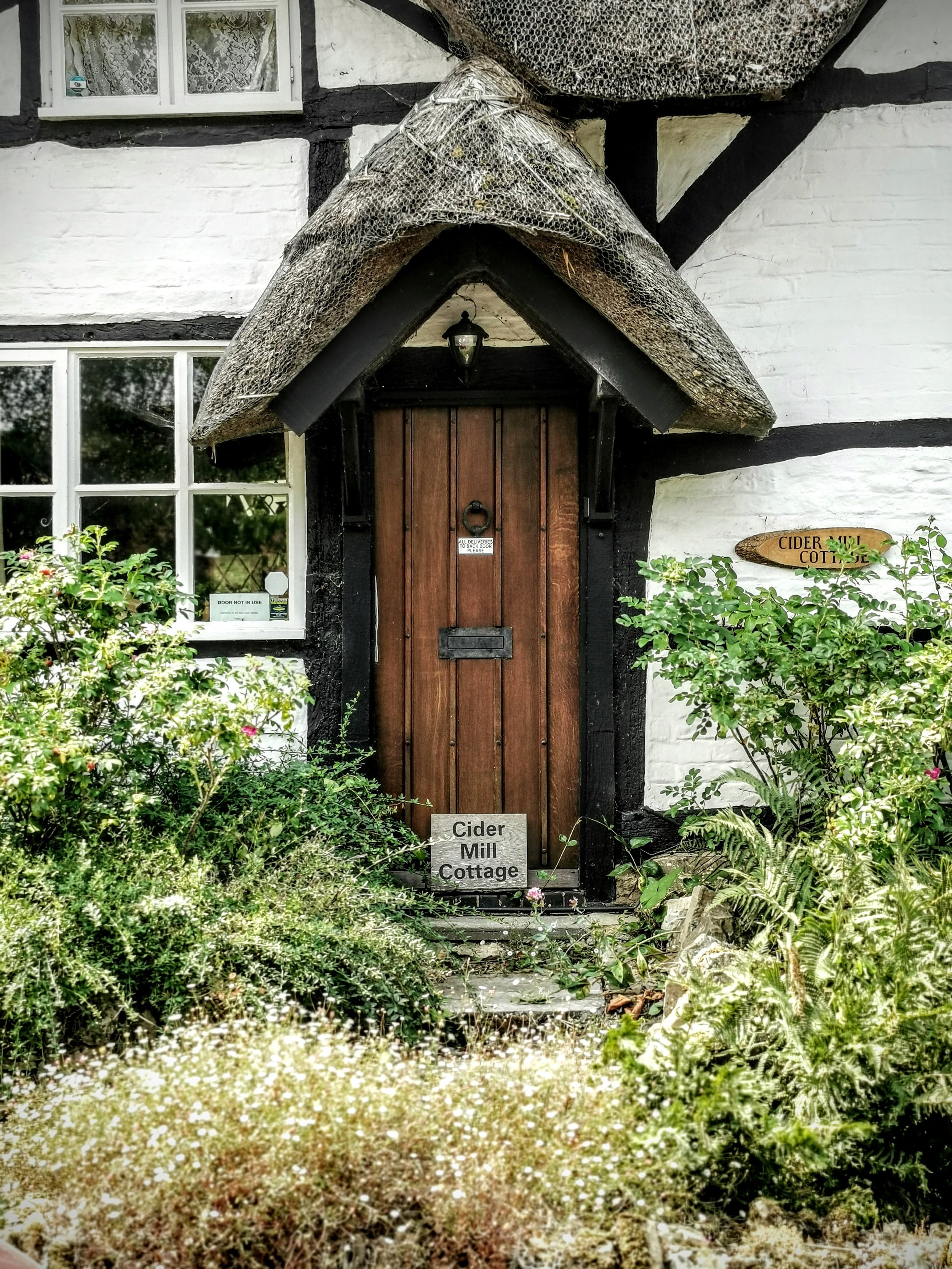
The Unused Doors of Bredon's North and Eckington
Bredon’s Norton is a small parish on the slopes of the Hill, the last western bastion of the Cotswolds looking to the Vale of Evesham and the Severn Valley. Its first mention was in the Domesday Book.
-
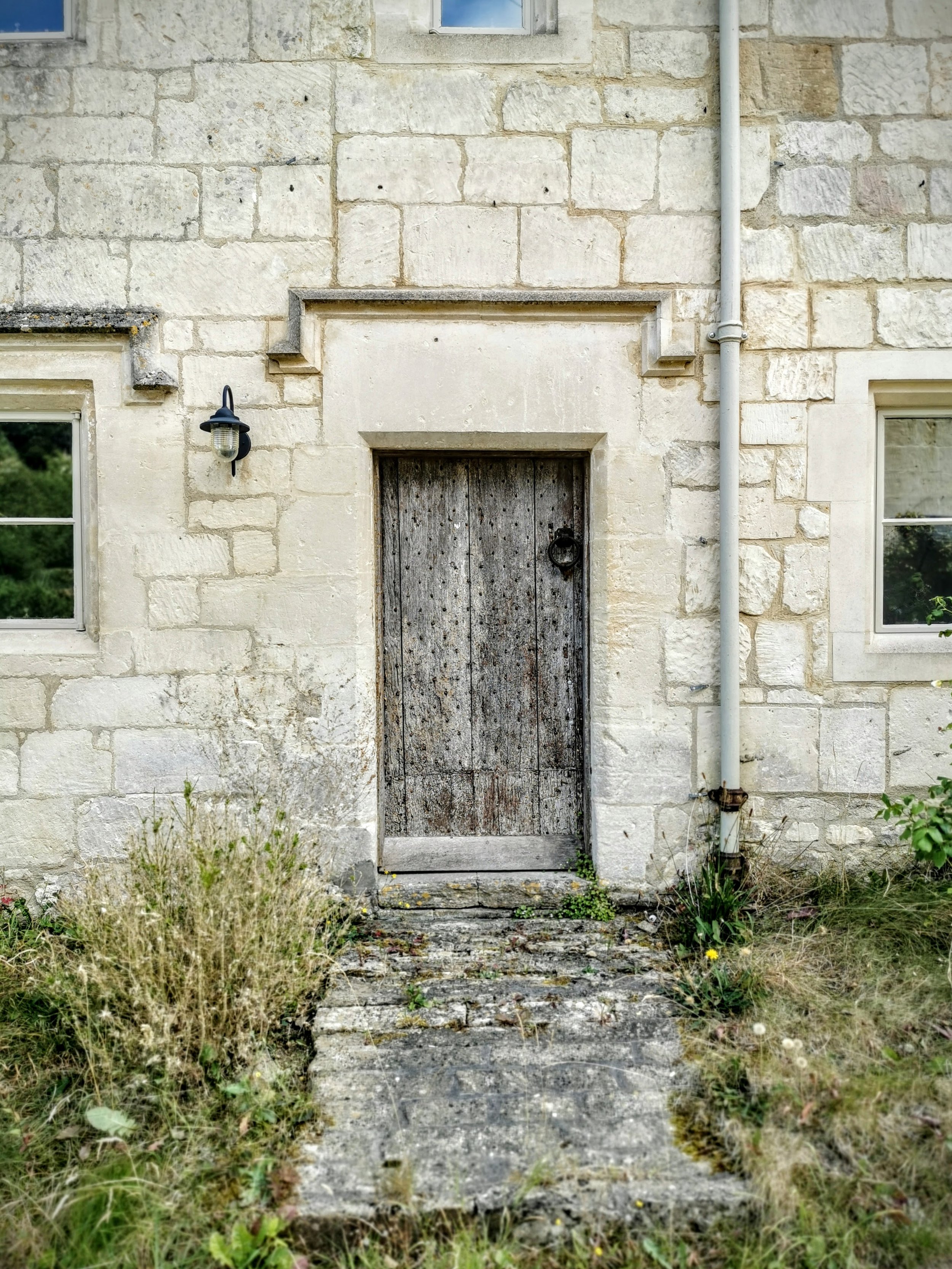
The Unused Doors of Sheepscombe
Sheepscombe sits in a steep small valley just behind the Cotswold Scarp and the nearby Painswick Beacon. Like Painswick, and as its name suggests, the village owes its existence largely to the wool trade, with its heyday coming in the 17th and 18th century, when much of the village was built.
-
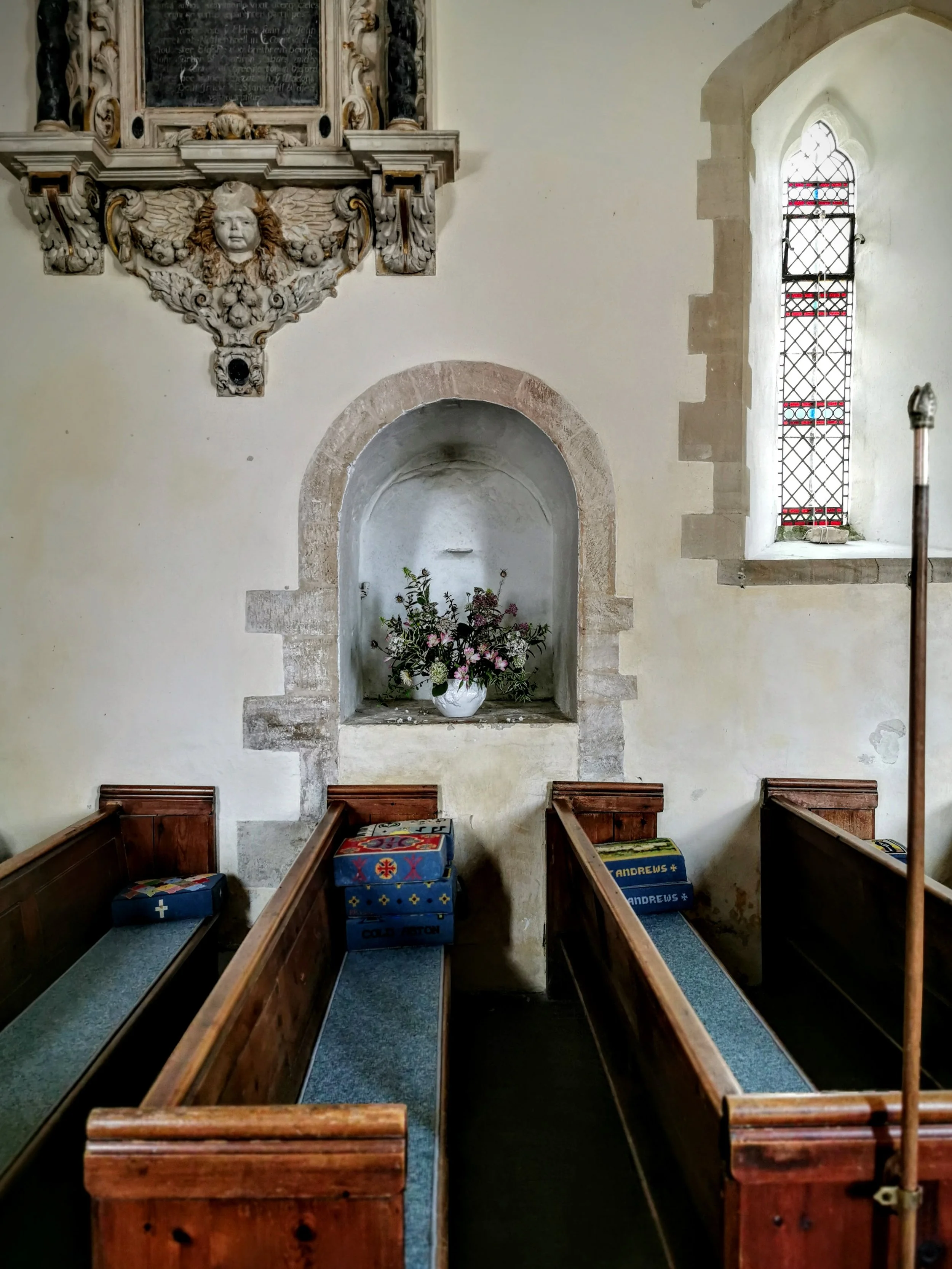
The Unused Doors of Cold Aston
DescriptiCold Aston is a small, pretty village not too far from Bourton-on-the-Water. It started life as Eastunæ and was recorded in the Domesday Book as ‘Estone’ but by the 13th century was known as Cold Aston. It was very hot when we visited.
-
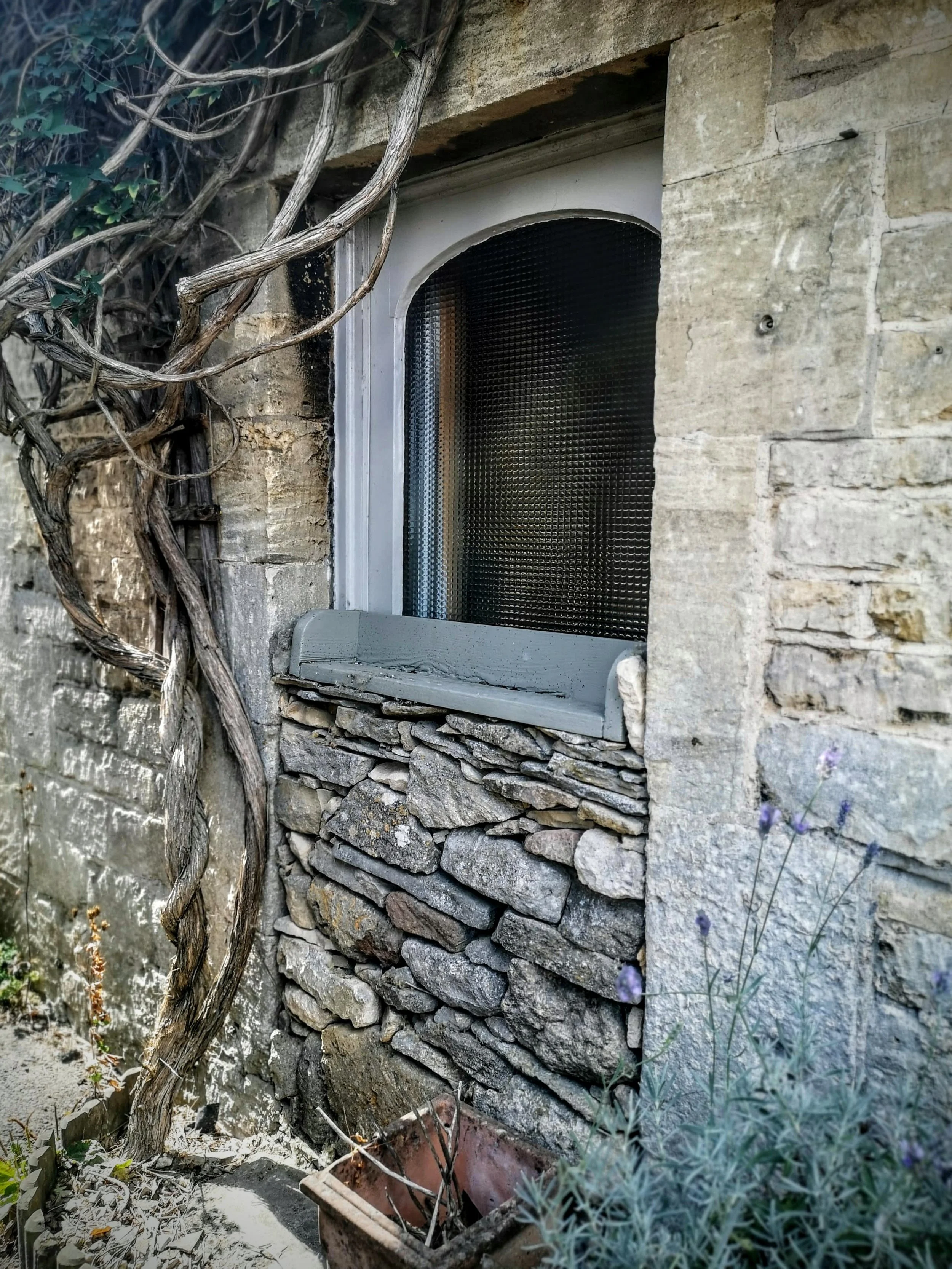
The Unused Doors of Guiting Power
Guiting comes from the Anglo-Saxon word for ‘rushing’, a nod to the Windrush whose valley the village lies in. ‘Power’ is more straightforward, an approximation of le Poher, the Norman noble family who controlled the area in the medieval period.
-
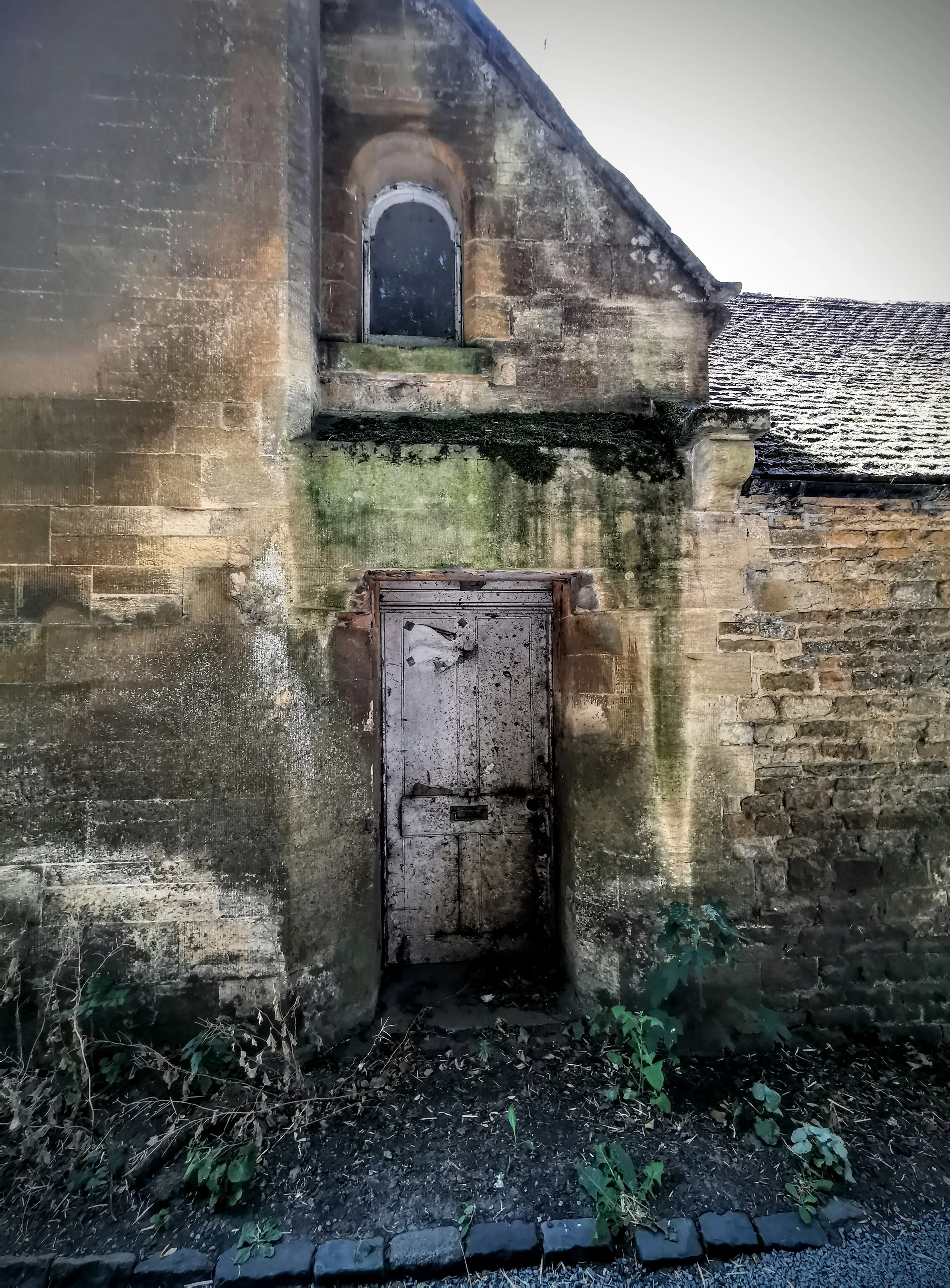
The Unused Doors of Temple Guiting
In the middle of the 12th century the lands around the village were gifted to the order of the Knights Templar by the then owner, Gilbert de Lacey. They established a preceptory there and administered their holdings throughout the region from it until their dissolution in 1312
-
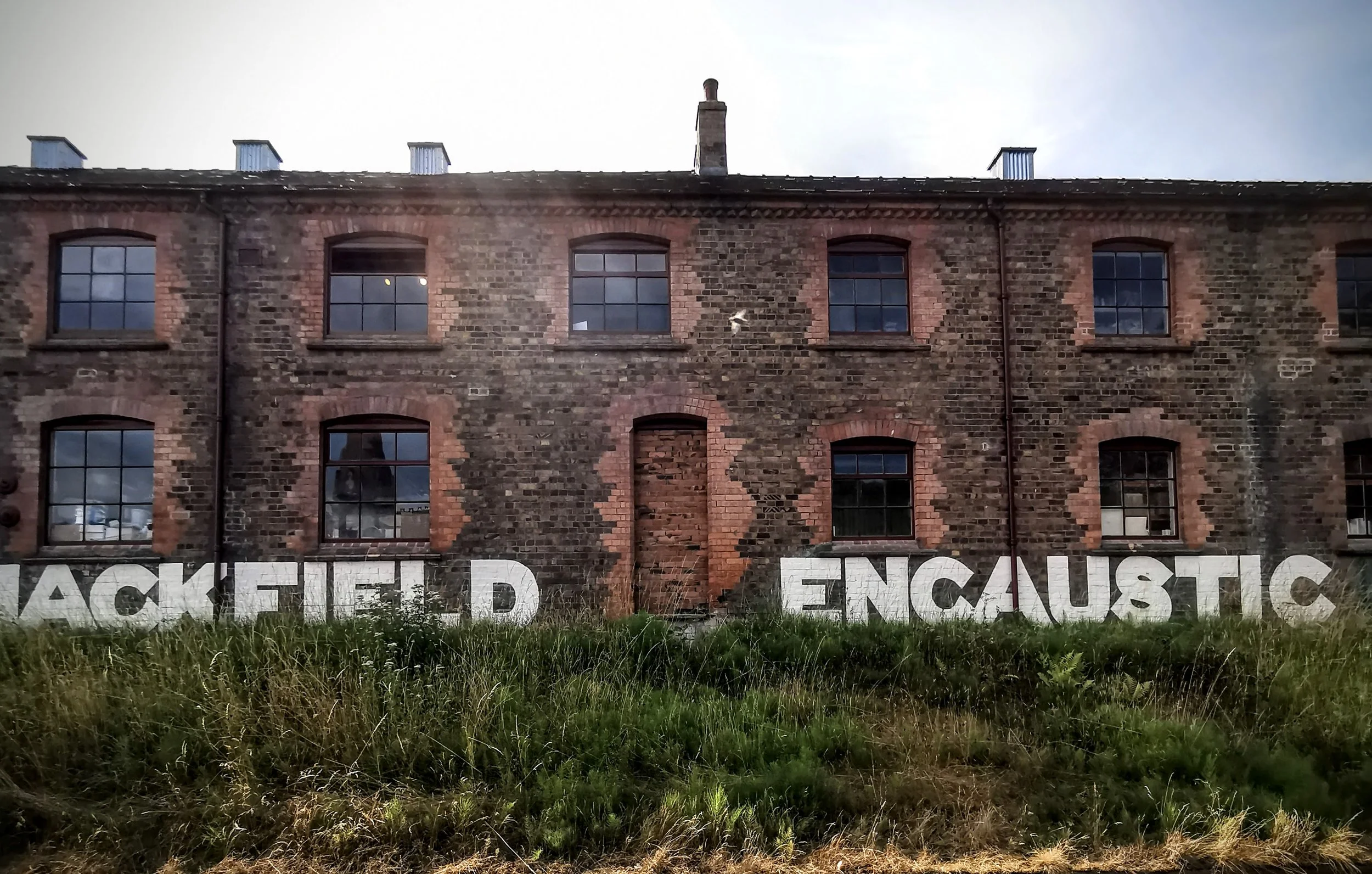
The Unused Doors of Ironbridge
Ironbridge is commonly known at the birthplace of the Industrial Revolution, and its most enduring symbol is of course the eponymous and iconic Iron Bridge, its span still sitting high above the Severn 200 years after becoming the first bridge ever built of metal.